
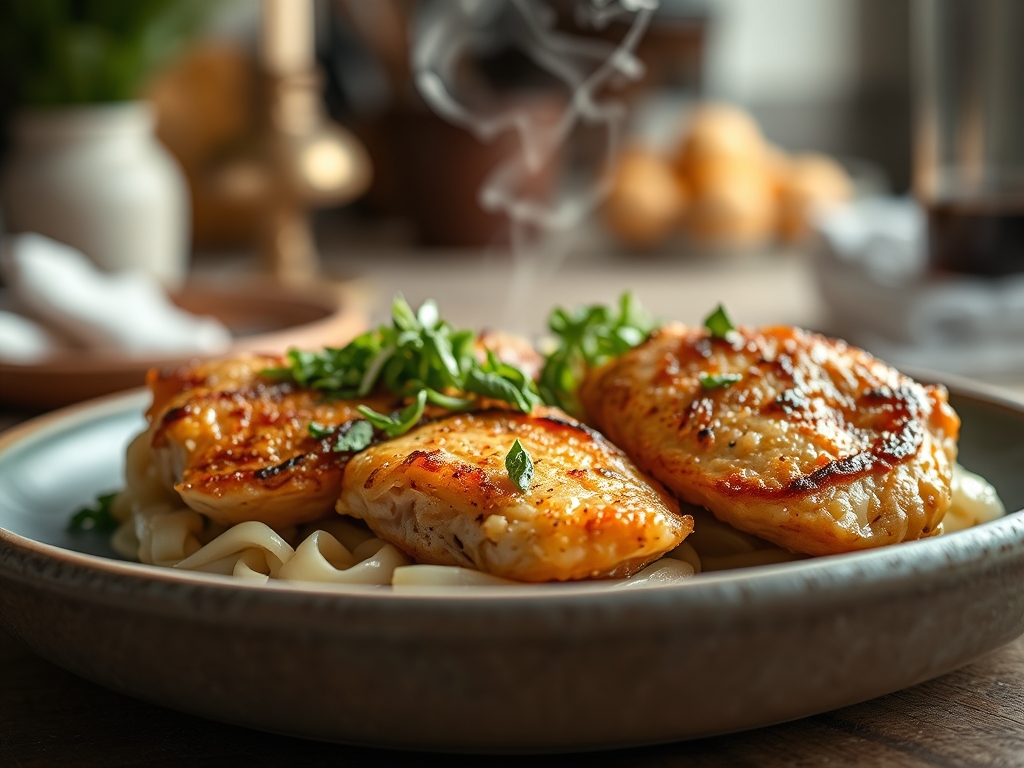
Picture this: the sun is setting, your stomach is growling, and you just realized the main protein for dinner is currently a solid block of ice in the freezer. Before you reach for the takeout menu, take a breath. Mastering frozen chicken recipes is the ultimate culinary superpower for the modern, busy home cook. We are going to transform those icy cutlets into gourmet masterpieces using thermal physics and high impact aromatics.
The secret lies in understanding that frozen poultry is not a setback; it is a blank canvas waiting for the right application of kinetic energy. By bypassing the traditional overnight thaw, we preserve the structural integrity of the muscle fibers, preventing the purge of cellular moisture that often happens during slow defrosting. We are aiming for succulent centers and crisp, Maillard-driven exteriors. Whether you are craving a piquant piccata or a deeply infused curry, these six methods will revolutionize your weeknight rotation. Forget the rubbery textures of the past. We are utilizing professional techniques to ensure every bite is tender, juicy, and ready in under thirty minutes.
The Gathers:
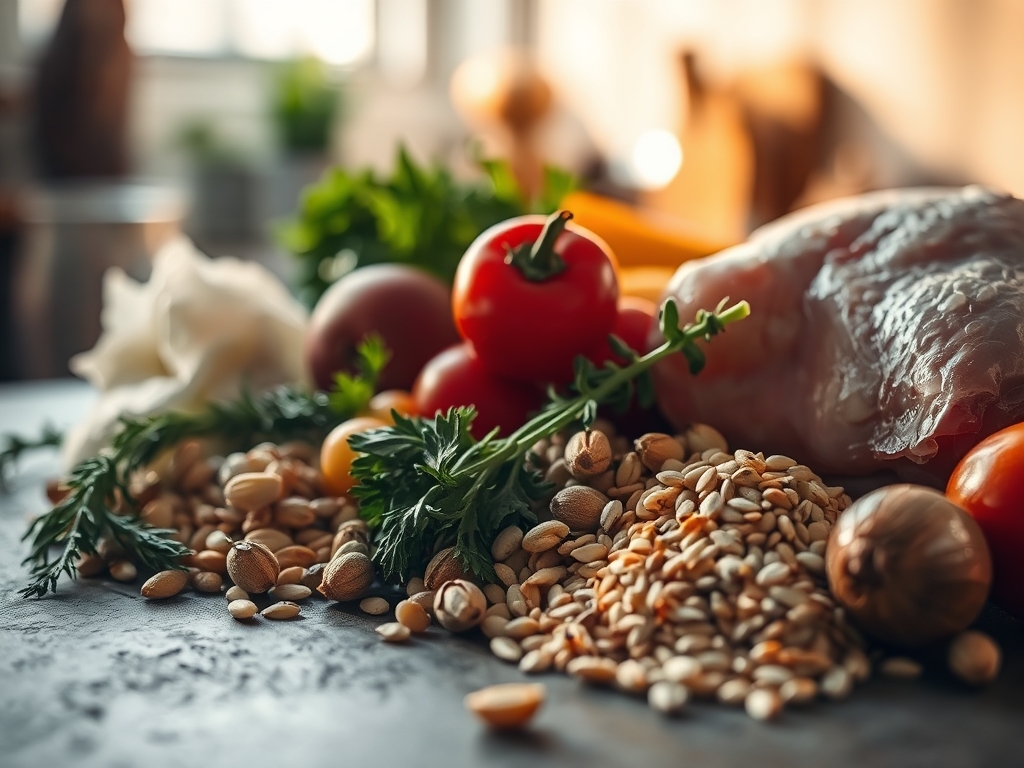
To execute these frozen chicken recipes with precision, your mise-en-place must be impeccable. Start with high quality frozen breasts or thighs; ideally, those that were individually quick frozen (IQF) to prevent clumping. You will need a heavy-bottomed skillet or a cast iron pan to maintain high thermal mass. For aromatics, gather fresh garlic, ginger, and shallots. We will use a microplane to grate these directly into our sauces, ensuring the essential oils are released instantly for maximum flavor density.
The "Smart Substitutions" list is your best friend when the pantry looks bare. If you lack heavy cream for a viscous sauce, a dollop of full fat Greek yogurt or a splash of coconut milk provides the necessary lipids for emulsification. No fresh lemons? A teaspoon of rice vinegar or white wine provides that essential piquant acidity to cut through the richness. If you are out of fresh herbs, use dried ones but crush them in your palm first to aerate and reactivate the volatile oils. Always keep a high smoke point oil like avocado or grapeseed oil on hand; butter will burn too quickly during the initial high heat sear required for frozen proteins.
The Clock:
The "Chef's Flow" is all about overlapping tasks to minimize downtime. While the chicken begins its initial sear or pressure cycle, you should be using a bench scraper to clear your workstation and prep the vegetable components. Total active prep time for these recipes is roughly ten minutes, with a cook time of twenty minutes.
The strategy is simple: apply high heat early to render surface moisture, then transition to a covered, moist heat environment to finish the interior. This dual-phase approach ensures the center reaches the food-safe temperature of 165 degrees Fahrenheit without desiccating the exterior. By the time you have set the table and poured a glass of wine, the chicken will be ready for its mandatory five-minute rest period.
The Masterclass:
1. The High-Heat Sear and Deglaze
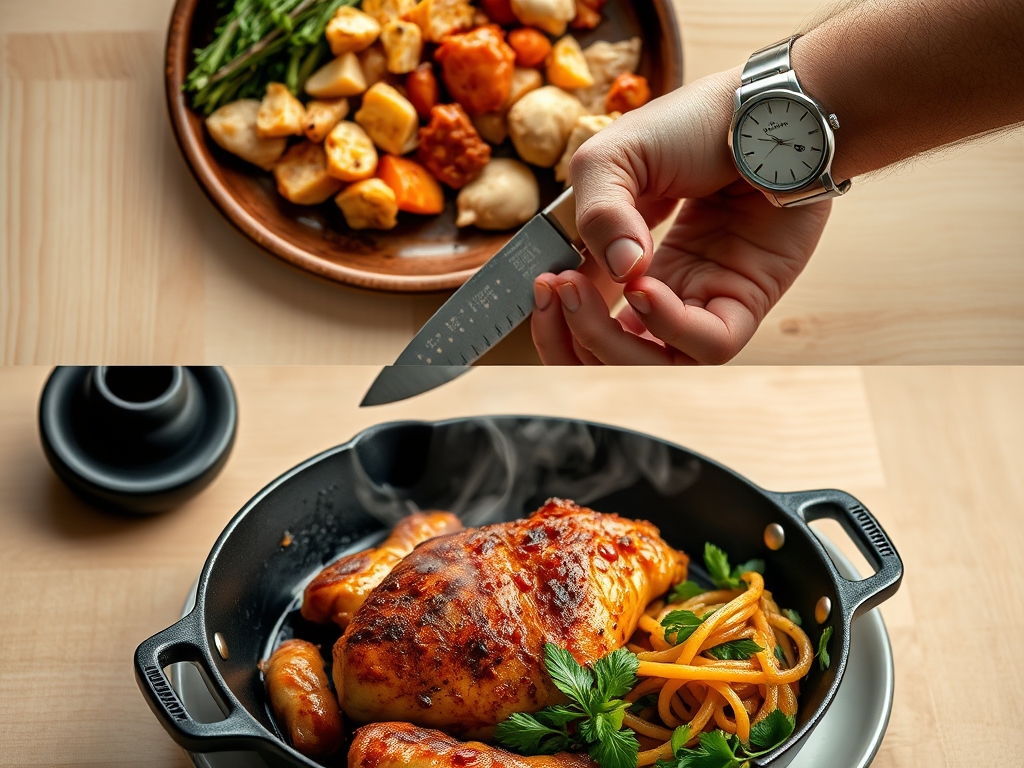
Place the frozen chicken directly into a hot skillet with a tablespoon of oil. Sear for four minutes per side until a golden crust forms. Remove the chicken briefly to deglaze the pan with chicken stock or white wine, scraping up the brown bits (fond).
Pro Tip: This relies on the Maillard Reaction, where amino acids and reducing sugars rearrange to create complex flavor compounds. Searing while frozen prevents the interior from overcooking while the exterior browns.
2. The Pressure Infusion
Place frozen thighs into a pressure cooker with a cup of salsa or marinara. Set to high pressure for 12 minutes. The steam will penetrate the frozen fibers rapidly.
Pro Tip: High pressure raises the boiling point of water, forcing moisture into the protein strands. This is known as hydrostatic pressure tenderization, which breaks down connective tissue faster than simmering.
3. The Foil Pack Steam
Wrap frozen breasts in parchment paper or foil with sliced citrus and herbs. Bake at 400 degrees Fahrenheit for 25 minutes.
Pro Tip: This creates an enclosed "en papillote" environment. The ice on the chicken turns to steam, creating a convection effect inside the pouch that cooks the meat gently and evenly.
4. The Saucier Simmer
Slice frozen chicken into thin strips using a sharp chef's knife (it is actually easier to slice when semi-frozen). Toss into a simmering saucier filled with coconut curry or teriyaki sauce.
Pro Tip: Slicing increases the surface area to volume ratio. This allows for faster thermal equilibrium, meaning the chicken cooks through in minutes without losing its structural integrity.
5. The Air Fryer Crisp
Mist frozen wings or tenders with oil and air fry at 390 degrees. Shake the basket every five minutes to ensure even airflow.
Pro Tip: Air fryers use high velocity forced convection. This rapidly evaporates surface moisture to achieve evaporative cooling on the surface, preventing the meat from toughening while the skin crisps.
6. The Broiler Blast
Place thin frozen cutlets on a wire rack over a sheet pan. Broil on high for 6 minutes per side, brushing with a honey-mustard glaze in the final two minutes.
Pro Tip: Radiant heat from the broiler mimics an outdoor grill. The wire rack allows for 360-degree heat distribution, preventing the bottom of the chicken from becoming soggy in its own juices.
The Deep Dive:
From a macro nutrition perspective, chicken remains a lean protein powerhouse. A standard 6-ounce serving provides roughly 40 grams of protein with minimal fat, depending on the cut. For those following Keto, focus on thigh-based recipes and replace sugary glazes with butter and herb infusions. Vegan friends can swap chicken for frozen tempeh or extra firm tofu using the same searing techniques. If you are Gluten-Free, ensure your thickeners are cornstarch or arrowroot powder rather than flour.
"The Fix-It" guide for common pitfalls:
- Rubbery Texture: This happens if the chicken sits in liquid for too long at low temps. Fix: Increase the heat and ensure you aren't overcrowding the pan.
- Burned Outside, Raw Inside: Your heat is too high. Fix: Lower the flame and add a splash of water, then cover with a lid to create a steam chamber.
- Bland Flavor: Frozen meat can dilute sauces. Fix: Use a digital scale to measure salt precisely; aim for 1% of the total weight of the meat.
For meal prep, reheating science is key. To maintain "day-one" quality, reheat chicken in a pan with a tablespoon of water over medium heat. This creates a mini-steam environment that rehydrates the protein, avoiding the dreaded "microwave taste" caused by lipid oxidation.
The Wrap-Up:
You are now equipped to handle any "frozen solid" dinner emergency with the grace of a professional chef. By understanding the intersection of thermal energy and moisture control, you can turn frozen chicken recipes into your most reliable kitchen hack. Remember to always use your tongs to check for firmness and trust the science of the sear. Now, get into that kitchen and turn those ice blocks into a feast!
The Kitchen Table:
Can I cook frozen chicken in a slow cooker?
No, it is not recommended. Slow cookers take too long to reach the "safe zone" above 140 degrees Fahrenheit, potentially allowing bacteria to multiply. Always use high heat methods like pressure cooking or pan searing for frozen poultry to ensure safety.
How do I know if frozen chicken is done without a thermometer?
While a digital thermometer is best, you can check by piercing the thickest part with a knife. The juices must run completely clear, and the meat should offer firm resistance rather than a squishy, soft texture when pressed with tongs.
Why does my frozen chicken release so much white foam?
That white substance is simply denatured protein called albumin. It is perfectly safe to eat. It happens when the exterior cooks quickly, squeezing out liquid proteins. Simply wipe it away or whisk it into your sauce to incorporate the nutrients.
Can I bread chicken while it is still frozen?
Yes, but you must use a "glue." Brush the frozen meat with mustard or mayo first, then press the breadcrumbs on firmly. The moisture from the melting ice will actually help the breading hydrate and stick during the frying process.