
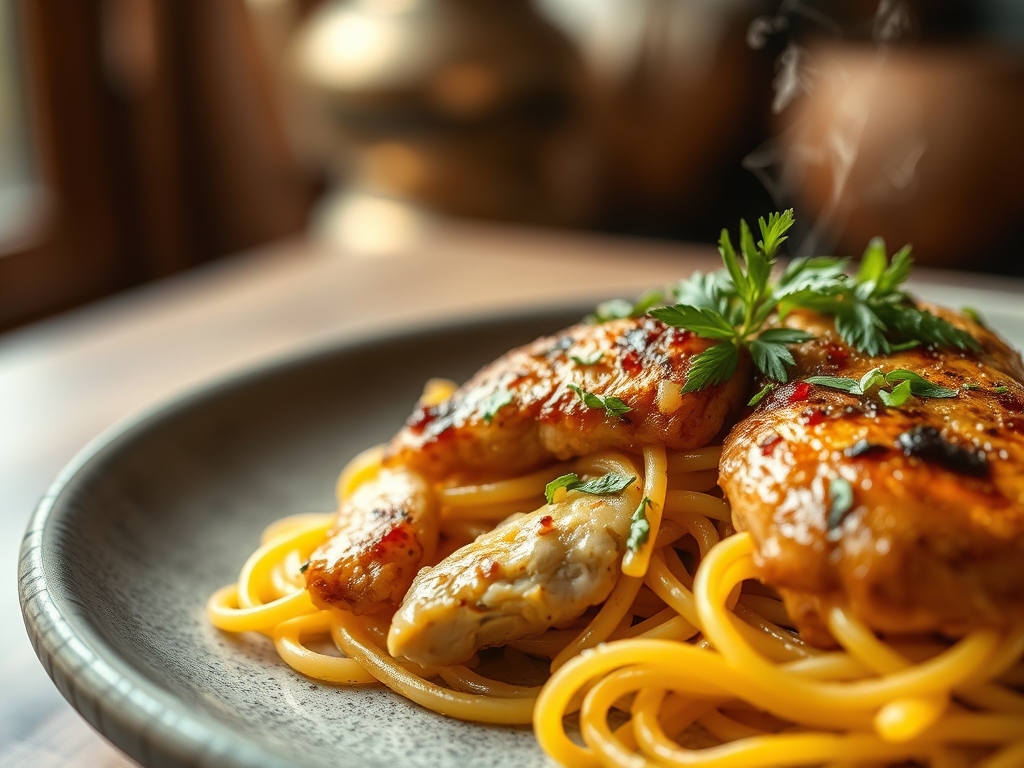
The kitchen air hums with the scent of roasting squash and searing protein; a perfume of caramelizing sugars and savory lipids. Finding the perfect balance between comfort and vitality is an art form. These eight spaghetti squash and chicken recipes deliver a low glycemic index without sacrificing the decadent, toothsome texture of a classic pasta night.
Imagine strands of golden squash that snap against the teeth; each ribbon coated in a glossy, emulsified sauce. When you pair the earthy sweetness of a winter gourd with the lean, high-protein profile of poultry, you create a metabolic powerhouse. This is not just a meal. It is a masterclass in texture and nutrient density. We are moving beyond the watery, bland vegetable noodles of the past. By leveraging specific culinary techniques like moisture extraction and Maillard-driven searing, we can transform these humble ingredients into a five-star experience that keeps your energy levels stable and your palate satisfied.
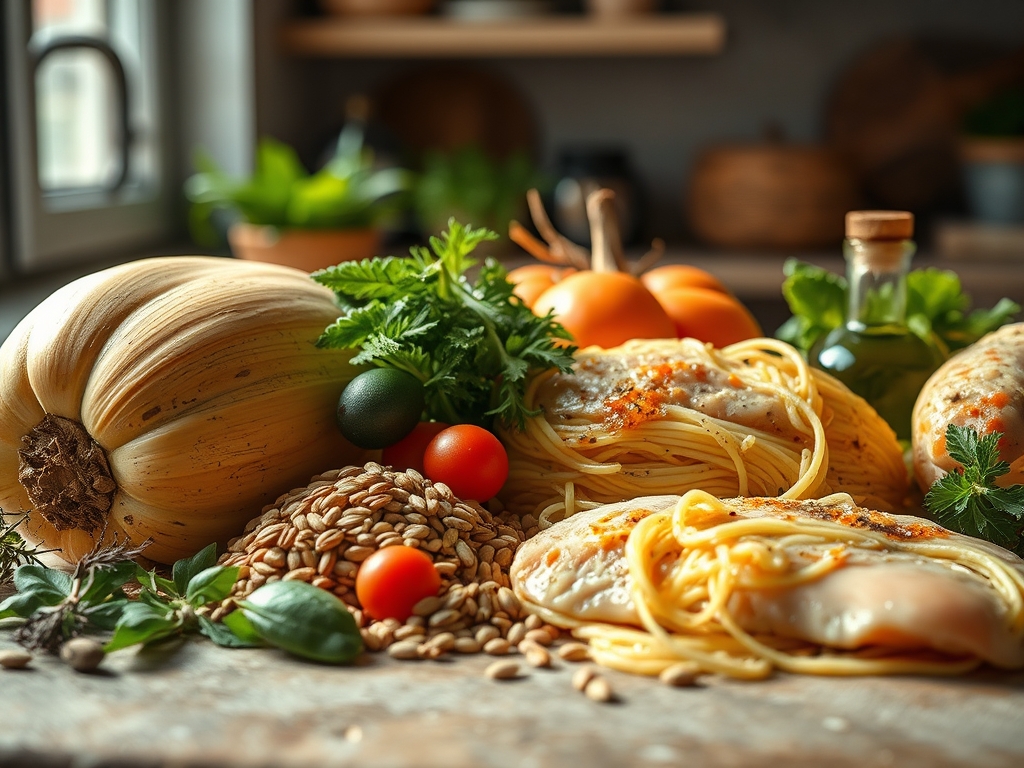
The Gathers:
Before the first flame is lit, your mise-en-place must be precise. Professional cooking relies on the organization of raw materials to ensure seamless execution. For these spaghetti squash and chicken recipes, you will need a medium-sized Cucurbita pepo (spaghetti squash), weighing approximately three pounds. Look for a firm, matte rind; a shiny exterior often indicates an underripe specimen with high water content and low starch.
Your protein should be air-chilled chicken breast or thighs. Air-chilling prevents the absorption of excess water during processing, which ensures a superior sear in the pan. You will also need high-smoke-point fats like avocado oil or clarified butter (ghee) to facilitate browning without acrid smoke. For the aromatics, gather fresh garlic, shallots, and a bunch of lacinato kale for earthy depth.
Smart Substitutions:
If you are avoiding nightshades, swap traditional red pepper flakes for a piquant pinch of white pepper. For those seeking a dairy-free creamy element, reach for full-fat coconut milk or a cashew cream. If you lack a bench scraper to move your chopped aromatics, a wide chef's knife works, but the scraper preserves the integrity of your wooden cutting board and the sharpness of your blade.
The Clock
Efficiency in the kitchen is about "Chef's Flow." This is the sequence of operations that minimizes downtime. Total active prep time for these recipes is approximately 20 minutes, while the squash requires 40 to 50 minutes of passive roasting time.
Start by preheating your oven. While the squash undergoes thermal transformation, you can utilize that 40-minute window to fabricate your chicken and prepare your sauces. This overlapping schedule ensures that the chicken is resting just as the squash strands are being fluffed. Never wait for the squash to finish before starting your protein; if the chicken sits too long, the viscous juices will pool, leading to a dry final bite.
The Masterclass
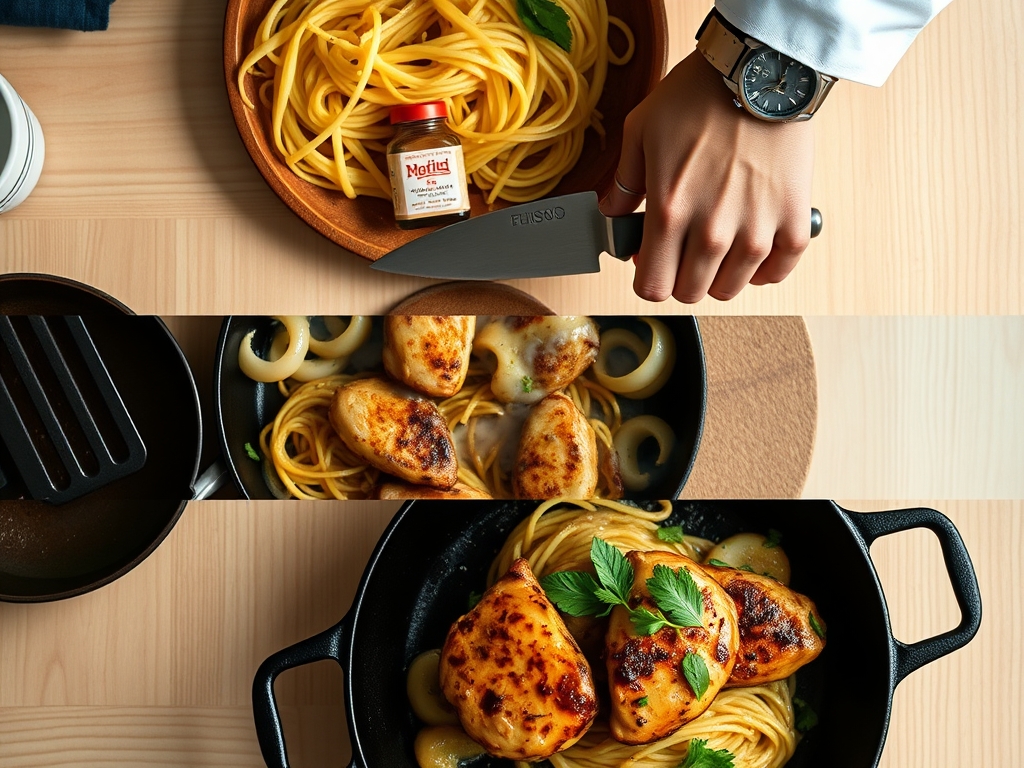
1. The Strategic Halve
Place your squash on a damp kitchen towel to prevent slipping. Use a heavy chef's knife to slice it lengthwise. Use a sturdy spoon to evacuate the seeds and fibrous pith.
Pro Tip: This is about surface area. Rub the interior with salt and let it sit for five minutes before roasting. This draws out excess moisture through osmosis, ensuring your "noodles" are al dente rather than mushy.
2. The Maillard Sear
Pat your chicken dry with a paper towel. Heat a heavy-bottomed skillet over medium-high heat until the oil shimmers. Place the chicken skin-side down (or smooth-side down for boneless) and do not move it for at least four minutes.
Pro Tip: The Maillard reaction occurs between 280 and 330 degrees Fahrenheit. It is the chemical reaction between amino acids and reducing sugars that creates that savory, brown crust. Moving the meat too early disrupts this bond and causes tearing.
3. The Deglaze and Infuse
Once the chicken is removed to rest, the pan will be covered in "fond" (browned bits). Add your minced shallots and a splash of dry white wine or chicken stock. Use a wooden spoon to scrape the bottom of the pan.
Pro Tip: Deglazing captures the concentrated flavors stuck to the pan. Adding a cold liquid to a hot pan creates a rapid steam release that lifts the flavorful solids, integrating them into a rich, complex sauce base.
4. The Strand Extraction
Once the squash is tender, use a fork to scrape the flesh. The strands should pull away easily in long, spaghetti-like ribbons. Transfer these to a large mixing bowl.
Pro Tip: Avoid over-roasting. If the squash becomes too soft, the cellular walls collapse and the strands lose their structural integrity. Aim for a slight resistance when pierced with a knife.
5. The Final Emulsification
Toss the squash strands into the skillet with the deglazed sauce and the sliced chicken. Add a squeeze of lemon and a grating of parmesan using a microplane.
Pro Tip: Emulsification is the process of combining two liquids that usually don't mix, like oil and water. The starch from the squash and the agitation of tossing help the sauce cling to the strands rather than pooling at the bottom of the bowl.
The Deep Dive
Nutritionally, spaghetti squash and chicken recipes are a goldmine. A standard serving contains roughly 35 grams of protein and only 10 grams of net carbohydrates. This makes it an ideal choice for Keto or Paleo lifestyles. For a Vegan adaptation, replace the chicken with smoked tempeh and use nutritional yeast for that savory, umami punch.
The Fix-It:
- Watery Squash: If your squash is weeping, spread the strands on a baking sheet and return them to a 300-degree oven for five minutes to evaporate excess liquid.
- Dry Chicken: Always use a digital scale or meat thermometer. Pull the chicken at 160 degrees; thermal carryover will bring it to the safe 165-degree mark while it rests.
- Bland Sauce: Increase the acidity. A teaspoon of apple cider vinegar or a splash of lemon juice can brighten the entire dish.
Meal Prep Science:
When reheating, do not use the microwave on high power. This toughens the chicken proteins. Instead, use a saucier on the stovetop with a tablespoon of water or broth. Cover the pan to create a steam-saturated environment, which rehydrates the squash strands to their original "day-one" glory.
The Wrap-Up
Mastering these spaghetti squash and chicken recipes is a gateway to a more intuitive, healthful way of eating. You are not just following a set of instructions; you are manipulating heat, moisture, and chemistry to create something spectacular. Whether you are fueling up for a busy week or hosting a cozy dinner for friends, these techniques ensure a meal that is as smart as it is delicious. Now, grab those tongs and get cooking!
The Kitchen Table
How do I prevent my spaghetti squash from being watery?
Salt the raw squash halves and let them sit for 10 minutes before roasting. This uses osmosis to pull out excess moisture. Additionally, roast the squash cut-side down to allow steam to escape the flesh more efficiently.
Can I cook the chicken and squash in the same pan?
It is better to roast the squash in the oven and sear the chicken in a heavy-bottomed skillet. This allows you to control the Maillard reaction on the chicken while the squash develops its natural sweetness through roasting.
What is the best way to store leftovers?
Store the chicken and squash in an airtight glass container for up to four days. To maintain texture, reheat on the stovetop with a splash of broth to re-emulsify the sauce and prevent the chicken from drying out.
Is spaghetti squash actually a good pasta substitute?
Yes, because its neutral flavor profile absorbs sauces beautifully. While the texture is slightly crunchier than wheat pasta, its high fiber content and low calorie density make it a superior choice for metabolic health and sustained energy.