
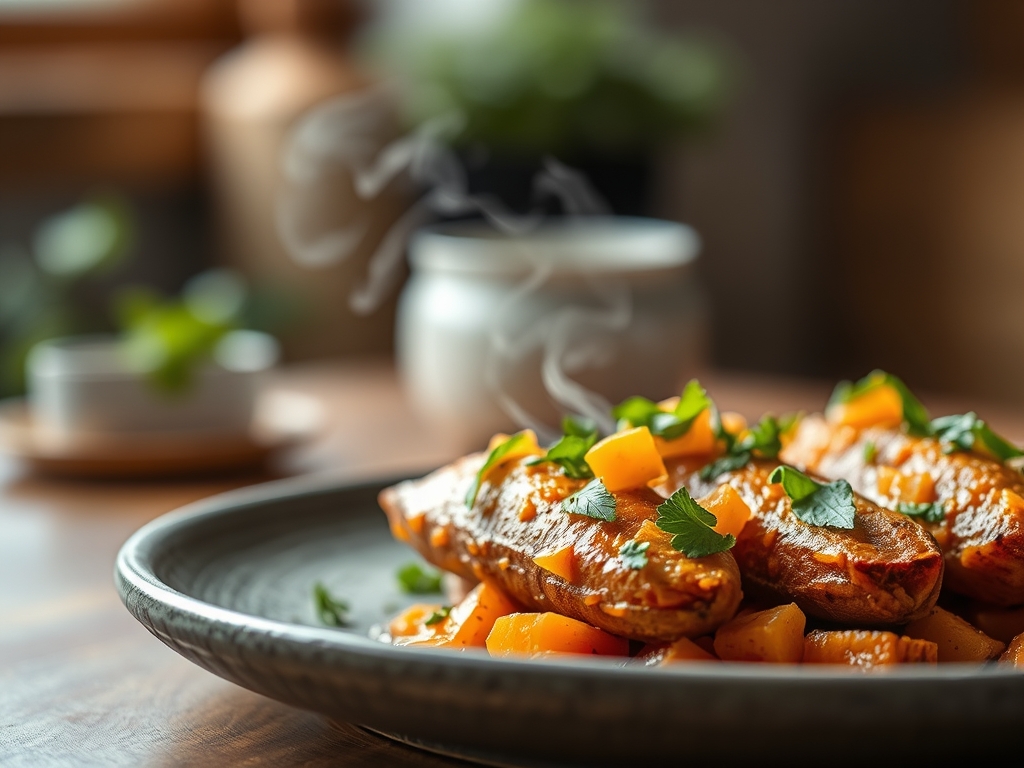
Imagine a kitchen filled with the scent of caramelized sugars meeting the sharp, earthy punch of smoked paprika and lime. That is the magic of mexican sweet potato recipes; they are a masterclass in balancing high-sugar root vegetables with the piquant, acidic profiles of Oaxacan-inspired cuisine. We are not just roasting tubers here. We are engineering a texture that is crisp on the outside and custardy within.
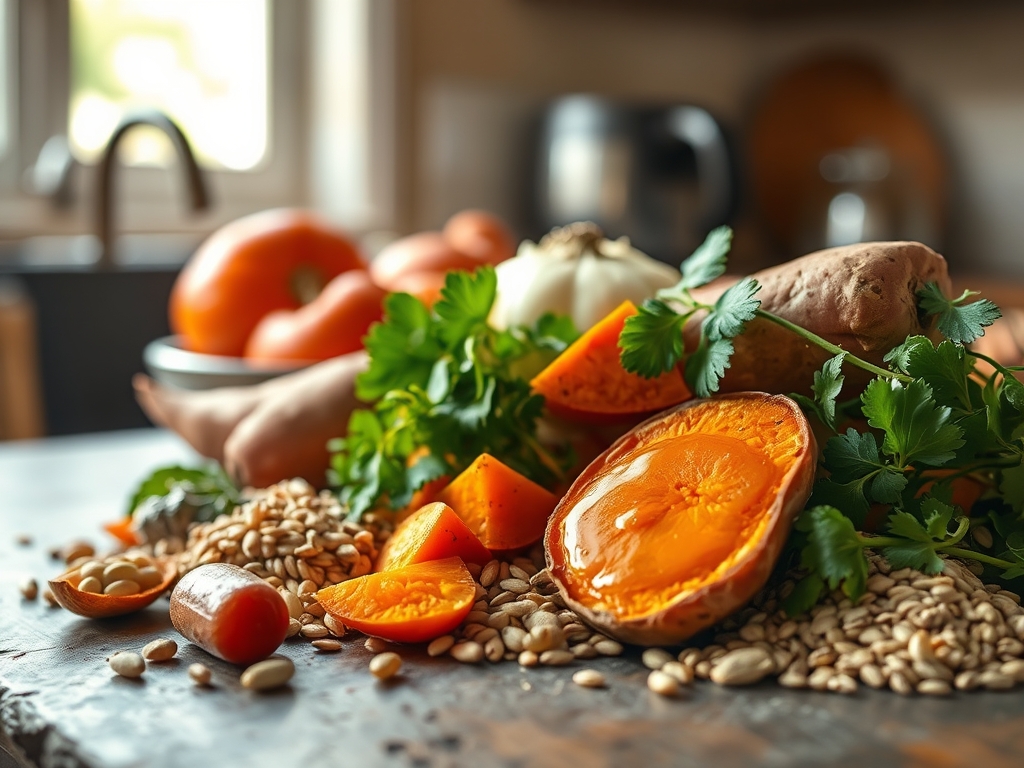
The Gathers:
To achieve professional results, your mise-en-place must be precise. Start with four large Beauregard sweet potatoes; these are chosen for their high moisture content and deep orange flesh. You will need high-smoke-point fats like avocado oil or rendered duck fat to facilitate the Maillard reaction without scorching. For the flavor profile, gather whole cumin seeds, dried chipotle morita, and coarse sea salt.
The Professional Toolset:
Grab your heavy-bottomed skillet for heat retention and a microplane for zesting. A digital scale is essential for measuring spices by weight rather than volume to ensure consistency. Use a bench scraper to move your diced potatoes from the cutting board to the pan without losing the precious surface starches.
Smart Substitutions:
If you cannot find chipotle morita, smoked paprika mixed with a pinch of cayenne provides a similar depth. For a vegan profile, replace honey with agave nectar to maintain the viscous glaze quality. If you are out of fresh cilantro, use micro-greens or finely sliced scallions to provide that necessary herbaceous lift.
The Clock:
Mastering the "Chef's Flow" is about overlapping tasks to minimize downtime. Your total active time is 15 minutes, with a 30-minute roasting window. While the oven preheats to 425 degrees Fahrenheit, you should be dicing and seasoning. Use the roasting time to emulsify your lime-crema sauce. This ensures that by the time the potatoes exit the oven, your toppings are chilled and ready to contrast the heat.
The Masterclass:
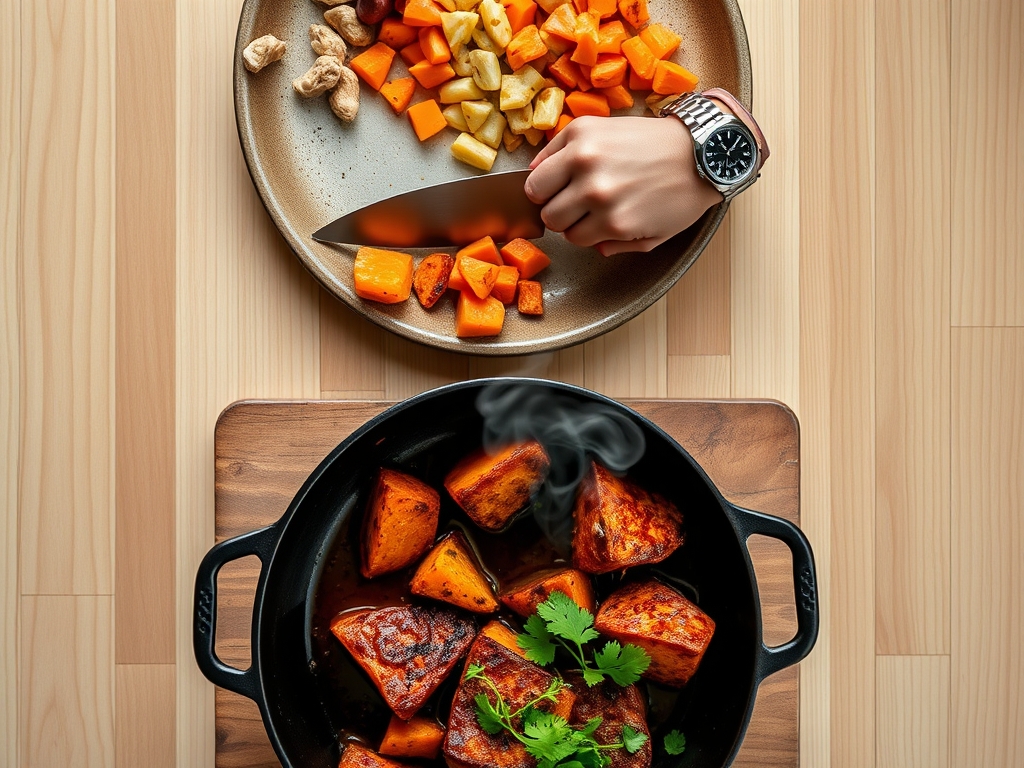
1. The Precision Dice
Uniformity is your best friend. Slice the potatoes into 3/4-inch cubes using a sharp chef's knife. If the pieces are uneven, the smaller ones will carbonize while the larger ones remain starchy and firm.
Pro Tip: This prevents uneven enzymatic browning. By keeping the cubes uniform, you ensure the heat penetrates the center of every piece at the same rate, resulting in a consistent "melt-in-your-mouth" texture.
2. The Starch Extraction
Place your diced potatoes in a bowl of cold water for ten minutes, then pat them bone-dry with a lint-free towel. This removes excess surface starch that can lead to a gummy exterior.
Pro Tip: Removing surface starch allows the oil to coat the vegetable skin directly. This creates a thinner, crispier "pellicle" during the roasting process, which is the secret to that professional crunch.
3. The Fat Infusion
Toss the dried cubes in your chosen fat and spices. Ensure every surface is glistening. Use a saucier if you are melting solid fats like coconut oil or lard first to ensure a smooth, liquid application.
Pro Tip: Fat acts as a thermal conductor. By thoroughly coating the potatoes, you are creating a "fry-like" environment in the oven, which accelerates the Maillard reaction and develops complex, savory flavors.
4. The High-Heat Roast
Spread the potatoes on a preheated baking sheet. Do not crowd them; they need airflow to roast rather than steam.
Pro Tip: Preheating the tray initiates thermal carryover the moment the potatoes touch the metal. This immediate sear locks in moisture and prevents the bottom of the potato from becoming soggy.
5. The Acidic Deglaze
Once the potatoes are golden and tender, remove them from the oven and immediately zest fresh lime over the tray.
Pro Tip: The residual heat allows the citrus oils to infuse into the surface of the potato. This creates a bright contrast to the heavy, earthy sweetness of the tuber.
The Deep Dive:
Macro Nutrition:
Mexican sweet potato recipes are nutritional powerhouses. A single serving provides over 400 percent of your daily Vitamin A requirements. They are rich in complex carbohydrates and fiber, which provides a slow release of energy. By using avocado oil, you add heart-healthy monounsaturated fats into the mix.
Dietary Swaps:
For a Keto version, swap the sweet potatoes for cauliflower florets or radishes; the roasting time will decrease by half. For a Vegan approach, use a cashew-based cream instead of traditional dairy crema. This dish is naturally Gluten-Free, making it a safe and crowd-pleasing option for diverse dinner parties.
The Fix-It: Common Pitfalls
- Soggy Potatoes: Usually caused by overcrowding the pan. The fix is to use two trays or roast in batches to allow steam to escape.
- Burnt Spices: If your spices turn bitter, you likely added them too early or the oven was too hot. The fix is to toss the potatoes in spices during the last 10 minutes of roasting.
- Internal Rawness: If the outside is dark but the inside is hard, your temperature is too high. Lower the heat to 375 and cover with foil to allow the centers to steam.
Meal Prep & Reheating Science:
To maintain "day-one" quality, store the roasted potatoes in an airtight glass container. When reheating, avoid the microwave, which turns the starches rubbery. Instead, use a heavy-bottomed skillet over medium heat with a teaspoon of oil. This "re-fries" the exterior and restores the crisp texture while gently warming the interior.
The Wrap-Up:
There you have it; the ultimate guide to elevating mexican sweet potato recipes from a simple side dish to a culinary event. By understanding the science of starch and the power of high-heat roasting, you can transform a humble root vegetable into a sophisticated, flavor-packed masterpiece. Now, grab your tongs, fire up that oven, and show those potatoes who is boss. Your kitchen is about to smell incredible!
The Kitchen Table:
How do I make sweet potatoes extra crispy?
Soak diced potatoes in cold water for 10 minutes to remove surface starch. Pat them completely dry before tossing in high-smoke-point oil. Ensure the pan is not crowded to allow moisture to evaporate rather than steaming the vegetables.
Can I make this recipe in an air fryer?
Yes. Air fry at 400 degrees Fahrenheit for 15 to 20 minutes. Shake the basket every 5 minutes to ensure even air circulation. This method uses less oil while maintaining a high-quality, crispy exterior through rapid convection.
Why are my roasted sweet potatoes bitter?
Bitterness usually stems from burnt spices or charred sugars. If the oven temperature exceeds 425 degrees, the natural sugars and delicate spices like paprika can carbonize. Monitor the browning closely and reduce heat if they darken too quickly.
What is the best way to store leftovers?
Store in an airtight container for up to four days. To reheat, use an oven or air fryer at 350 degrees for five minutes. This restores the crisp texture that a microwave would otherwise destroy through steam saturation.