
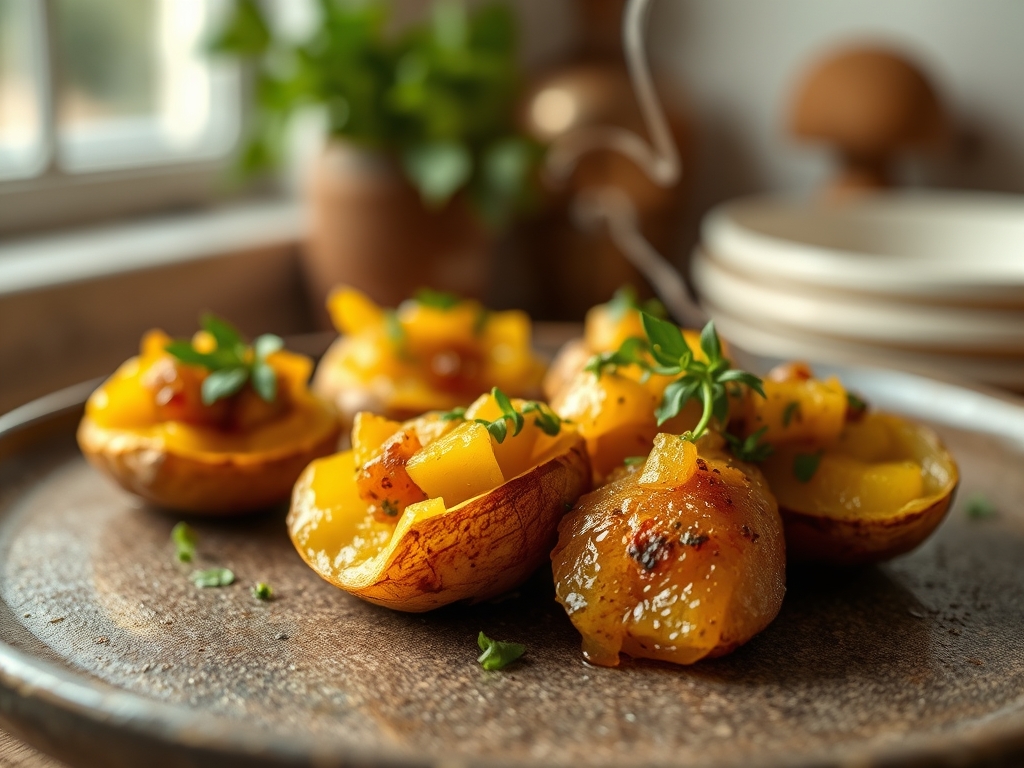
Close your eyes and listen for that specific, hollow crunch. It is the sound of a perfectly engineered crust yielding to a pillowy, steamed interior. If you grew up in the Pacific Northwest, you know that jojo potato recipes are not just side dishes; they are a culinary institution of seasoned wedges. We are moving beyond the soggy, oil-slicked versions found at gas station heat lamps. Today, we are mastering the art of the ultra-crispy jojo using molecular precision and high-heat physics.
The secret to a world-class jojo lies in the tension between the starch molecules and the moisture content. Most people fail because they treat a potato like a vegetable when they should treat it like a structural engineering project. We are looking for a thick, seasoned breading that clings to the skin like a second coat of armor. By the time we are finished, you will have a snack that maintains its structural integrity even after being smothered in a viscous dipping sauce. Let us transform the humble Russet into a masterpiece of texture and piquancy.
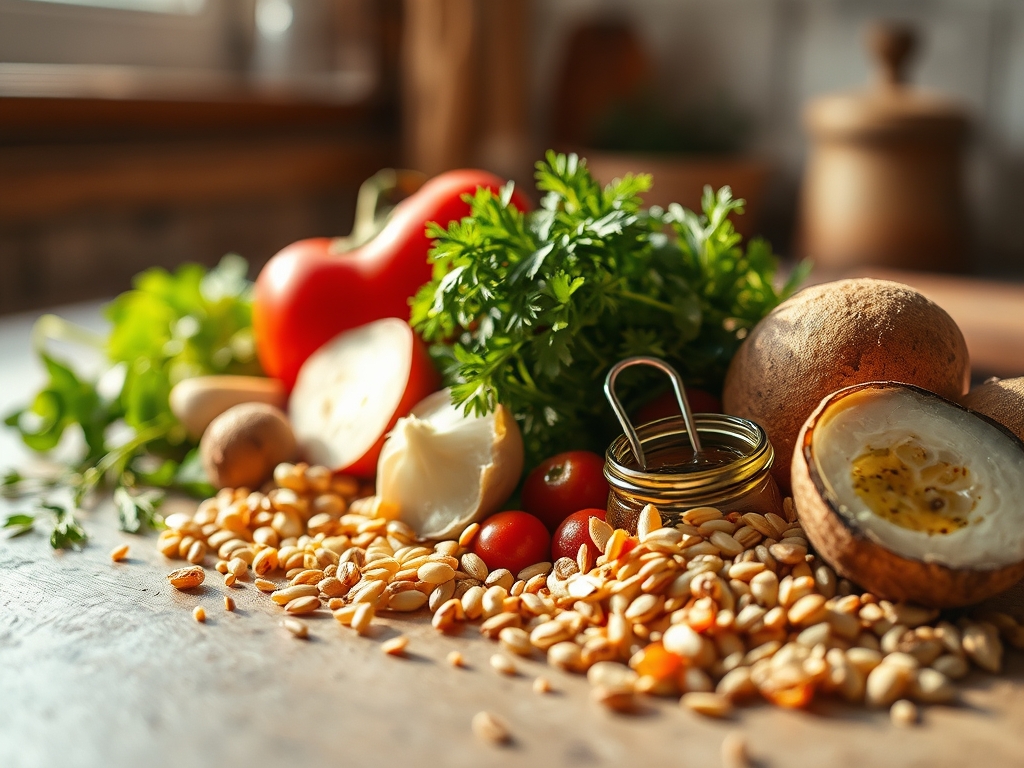
The Gathers:
To execute these jojo potato recipes with professional accuracy, you must start with a digital scale. Weight is the only way to ensure the ratio of flour to spice is consistent enough to achieve the desired Maillard reaction.
- The Potato: 3 lbs of large Russet potatoes. Their high starch content and low moisture make them the only viable candidate for a fluffy interior.
- The Dredge: All-purpose flour serves as our base, but we will infuse it with cornstarch to lower the gluten percentage, resulting in a crispier, more shatter-like crust.
- The Spice Profile: Smoked paprika, garlic powder, onion powder, cayenne pepper, and kosher salt. Use a microplane if you want to add fresh zest for a brighter finish.
- The Fat: High-smoke point oil like peanut or grapeseed. Avoid olive oil; its low smoke point will acridly scorch before the potato fully renders.
- The Liquid: A splash of cold sparkling water. The carbonation helps aerate the coating, creating tiny air pockets that expand during the fry.
Smart Substitutions: If you are avoiding wheat, a 1:1 ratio of rice flour and potato starch creates an incredibly light, gluten-free shell. For a deeper umami profile, swap the salt for a dash of nutritional yeast or MSG.
The Clock
Efficiency in the kitchen is about "Chef's Flow." You are not just waiting for things to cook; you are managing thermal transitions.
- Prep Time: 15 minutes. This includes the precision slicing and the "cold soak" to remove excess surface starch.
- Active Cook Time: 20 minutes. We fry in batches to prevent the oil temperature from plummeting.
- Resting Phase: 5 minutes. Essential for moisture redistribution.
Total time is roughly 40 minutes. Use the downtime while the oil heats to prep your dipping sauces in a saucier or small mixing bowl.
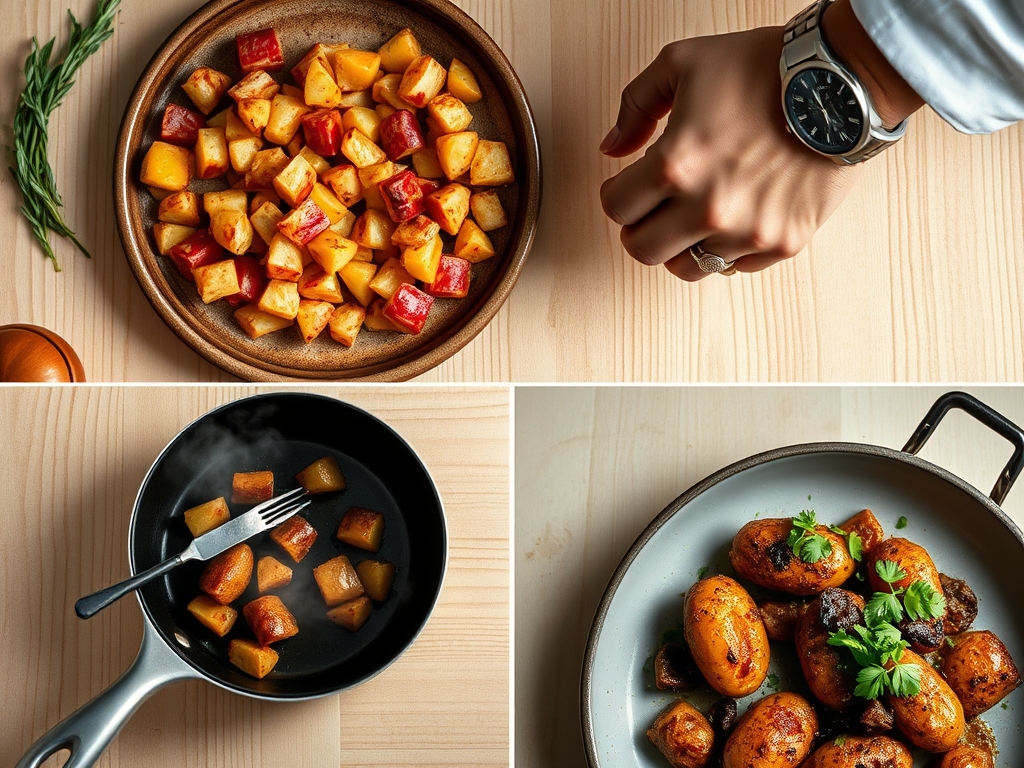
The Masterclass:
1. The Precision Cut
Using a sharp chef's knife or a bench scraper to guide your hand, slice each potato into eight uniform wedges. Consistency is vital; if the wedges vary in size, the smaller pieces will carbonize while the larger ones remain raw.
Pro Tip: Soaking the cut wedges in ice-cold water for ten minutes removes surface amylose. This prevents the potatoes from sticking together and ensures the breading adheres to the actual structure rather than a layer of loose starch.
2. The Par-Steam
Place your wedges in a steamer basket over boiling water for 5 to 7 minutes. You want them "fork-tender" but not falling apart. This pre-gelatinizes the internal starch.
Pro Tip: This step utilizes thermal conduction to cook the interior before the exterior hits the oil. If you skip this, your jojos will be burnt on the outside and crunchy (in a bad way) on the inside.
3. The Aerated Dredge
Whisk your flour, cornstarch, and spices in a large bowl. Slowly incorporate the sparkling water until you have a thick, viscous paste. It should coat the back of a spoon without immediately running off.
Pro Tip: The CO2 in the sparkling water acts as a leavening agent. When it hits the hot oil, the gas expands, creating a "puffed" texture that increases the surface area for maximum crunch.
4. The High-Heat Infusion
Heat your oil in a heavy-bottomed skillet or Dutch oven to exactly 375 degrees Fahrenheit. Use a digital thermometer to monitor this. Gently drop the coated wedges into the oil using tongs.
Pro Tip: Avoid overcrowding the pan. Overcrowding causes the oil temperature to drop, which leads to oil absorption rather than searing. This results in a greasy, limp potato instead of a crisp one.
5. The Golden Render
Fry the wedges for 4 to 6 minutes, turning once, until they reach a deep mahogany color. This is the Maillard reaction in full effect, where sugars and amino acids reorganize to create complex flavors.
Pro Tip: Use a wire rack rather than paper towels for draining. Paper towels trap steam under the potato, which will soften your hard-earned crust within seconds.
The Deep Dive
Macro Nutrition: A standard serving of jojos (about 4 wedges) contains roughly 280 calories, 35g of carbohydrates, and 12g of fat. While calorie-dense, the high potassium content of the Russet potato provides essential electrolytes.
Dietary Swaps:
- Vegan: This recipe is naturally vegan if using plant-based oils.
- Keto: Swap potatoes for jicama or daikon radish. Use almond flour and crushed pork rinds for the breading.
- GF: Use the rice flour and cornstarch blend mentioned in the Gathers section.
The Fix-It:
- Soggy Crust: The oil was too cool. Ensure it returns to 375 degrees between batches.
- Breading Falling Off: The potatoes were too wet before dredging. Pat them bone-dry after steaming.
- Bitter Aftertaste: The spices burnt. Lower the heat slightly or reduce the amount of paprika, which has a high sugar content.
Meal Prep: To reheat, avoid the microwave at all costs. Use an air fryer or oven at 400 degrees for 5 minutes. This evaporates any migrated moisture and re-crisps the fat in the crust for "day-one" quality.
The Wrap-Up
Mastering jojo potato recipes is a rite of passage for any serious home cook. It is the perfect marriage of chemistry and comfort food. By controlling your starch levels, managing your oil temperature, and respecting the steam-dry-fry process, you have elevated a simple tuber into a gourmet snack. Now, grab your favorite dipping sauce and enjoy the literal fruits of your labor.
The Kitchen Table
What makes a jojo different from a standard potato wedge?
Jojos are traditionally breaded or battered and deep-fried, whereas standard wedges are often just seasoned and roasted. The thick, spiced coating is the defining characteristic that separates the jojo from a basic roasted potato.
Why are my jojos soggy even after frying?
Sogginess usually results from low oil temperature or overcrowding the pan. If the oil isn't hot enough, the potato absorbs the fat instead of searing. Always use a thermometer to maintain a steady 375 degrees Fahrenheit.
Can I make jojo potato recipes in an air fryer?
Yes. To achieve a similar crunch, spray the breaded wedges generously with oil mister. Air fry at 400 degrees Fahrenheit for 15-20 minutes, shaking the basket halfway through to ensure even heat distribution and crisping.
What is the best potato for jojos?
The Russet potato is the gold standard. Its high starch and low moisture content create a light, mealy texture inside that contrasts perfectly with the crunchy exterior. Waxy potatoes like Red Bliss will turn gummy when fried.