
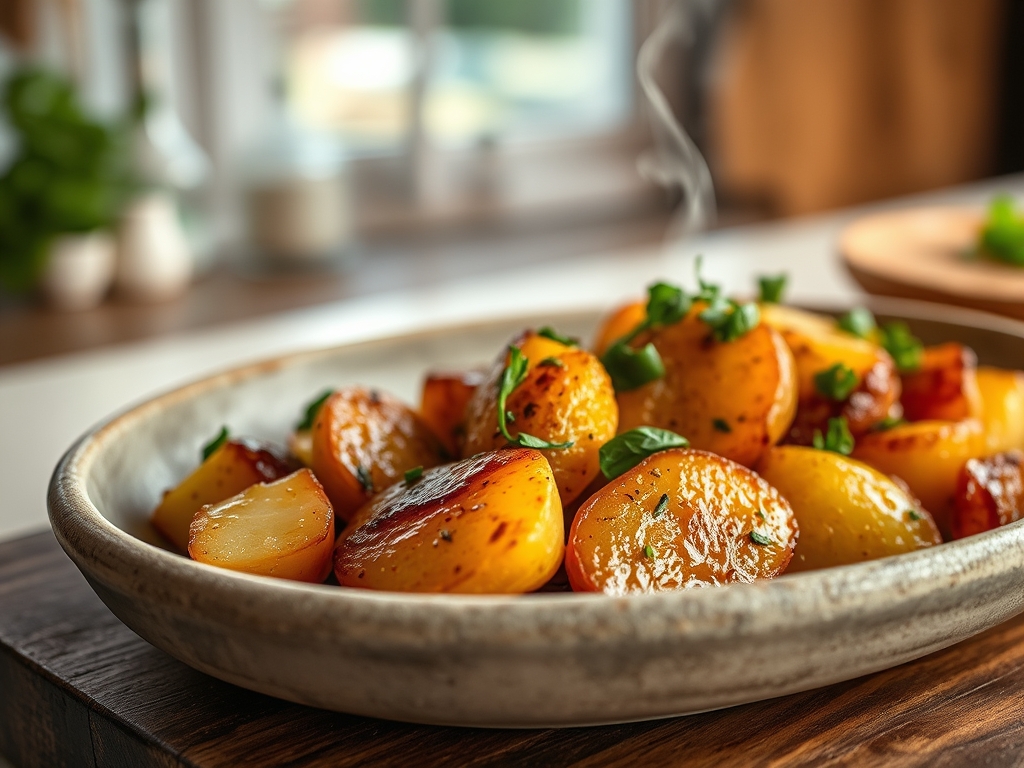
Picture a sun-drenched terrace in Crete where the air smells of wild oregano and sea salt. There is a specific, golden magic that happens when a humble tuber meets high-quality fat and heat. If you have been searching for the ultimate mediterranean potato recipes, you are likely chasing that elusive contrast: a glass-shattering exterior paired with a center as soft as whipped butter. We are moving beyond the soggy, uninspired side dishes of the past. Today, we are treating the potato as a canvas for high-level chemistry and bold, coastal flavors. This is about more than just dinner; it is about mastering the physics of the starch granule to achieve culinary perfection. We will explore how acidity cuts through density and how specific oils behave under thermal stress. Grab your favorite apron and clear some counter space. We are about to transform a pantry staple into a masterpiece that would make a seaside taverna owner weep with joy.
The Gathers:
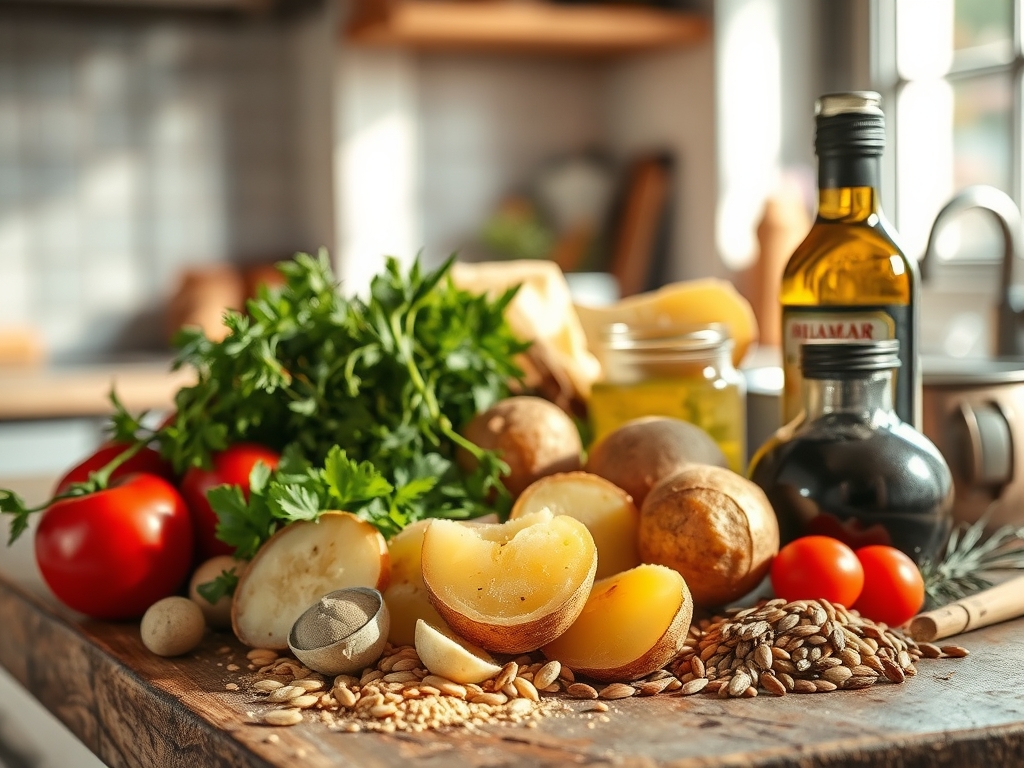
To execute these mediterranean potato recipes with precision, your mise-en-place must be intentional. Start with Yukon Gold potatoes, favored for their medium starch content and natural buttery hue. You will need a high-quality Extra Virgin Olive Oil (EVOO) with a high polyphenol count for flavor, but keep a neutral oil with a higher smoke point, like avocado oil, nearby if you plan on high-heat roasting.
Gather your aromatics: fresh rosemary sprigs, flat-leaf parsley, and a whole head of garlic. For the piquant finish, reach for salt-cured capers and lemons that feel heavy for their size, indicating a high juice yield.
Smart Substitutions:
If you are out of Yukon Golds, Red Bliss potatoes offer a similar waxy profile that holds its shape during a boil. No fresh oregano? Use half the amount of dried, but rub it between your palms first to volatilize the essential oils. If you need to swap the garlic, a pinch of asafetida (hing) provides a similar savory depth without the breath-heavy aftereffects. Use a digital scale to ensure your potato-to-fat ratio is chemically balanced for optimal crisping.
The Clock
Efficiency in the kitchen is about "Chef's Flow," the art of overlapping tasks so no heat is wasted.
- Prep Time: 15 minutes. This involves the mechanical breakdown of the potatoes and the fine mincing of herbs using a sharp chef's knife or a bench scraper to move piles of ingredients cleanly.
- Cook Time: 45 to 55 minutes. This accounts for the initial parboil and the final roast or sear.
- The Flow: While your water comes to a boil, mince your aromatics. While the potatoes roast, prepare your emulsified lemon-tahini or garlic-herb dressing in a saucier. This ensures that the moment the potatoes exit the heat, they are ready to be dressed while their pores are still open and receptive to flavor.
The Masterclass
1. The Alkaline Parboil
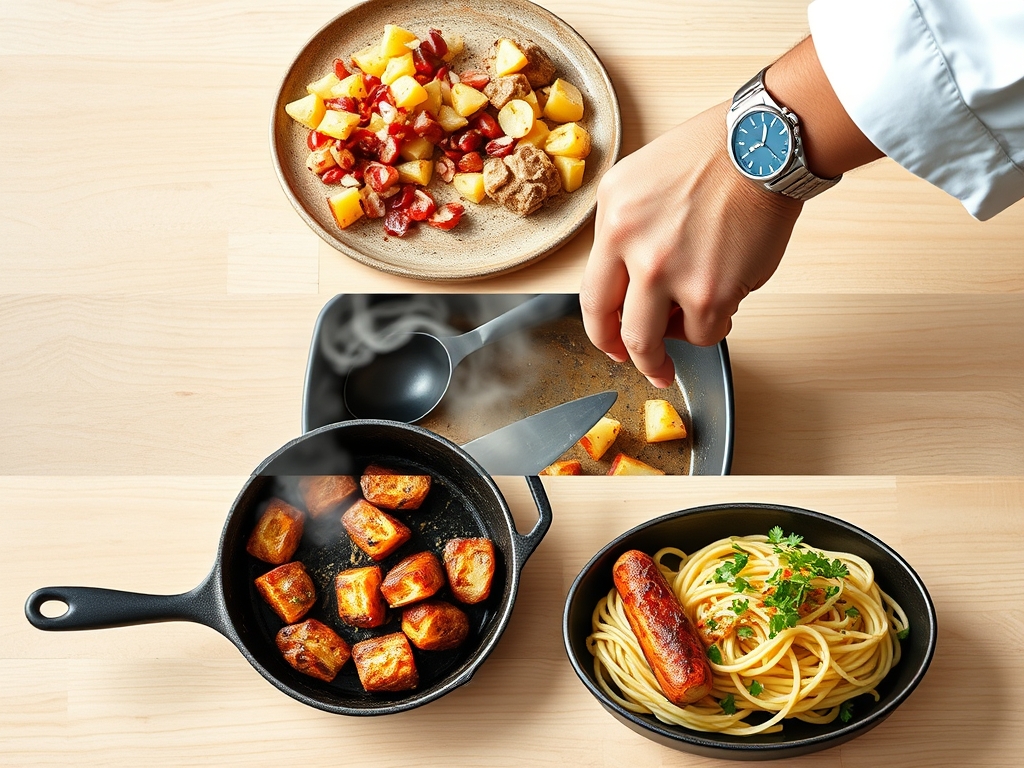
Place your potato chunks in a heavy-bottomed skillet or pot of cold water. Add a generous pinch of baking soda. This raises the pH of the water, which breaks down the pectin on the surface of the potato more effectively than plain water.
Pro Tip: This creates a starchy "slurry" on the exterior of the potato. When roasted, this slurry dehydrates into a thick, craggy crust. This is the secret to maximum surface area for the Maillard reaction.
2. The Rough-Up Technique
Once the potatoes are fork-tender, drain them and let the steam escape for two minutes. Shake the pot vigorously. You want the edges to look fuzzy and mashed.
Pro Tip: This increases the surface area for oil absorption. By allowing the steam to escape, you are removing excess moisture. Water is the enemy of crispness; removing it prevents the potatoes from steaming in the oven.
3. Infusing the Fat
In a small pan, gently warm your olive oil with smashed garlic cloves and rosemary. Do not let the garlic brown; you are looking to infuse the oil with fat-soluble flavor compounds.
Pro Tip: Many aromatic compounds in herbs are not water-soluble. By heating them in oil first, you create a delivery system that carries those flavors deep into the potato's starch network.
4. The High-Heat Roast
Spread the potatoes on a preheated baking sheet. Ensure they are not touching. If you crowd the pan, the moisture escaping the potatoes will create a humid microclimate, leading to a soft texture.
Pro Tip: Use a heavy-gauge rimmed baking sheet. These have better thermal mass, meaning they won't drop in temperature when the cold potatoes hit the surface, ensuring an immediate sear.
5. The Acidic Deglaze
Five minutes before the potatoes are finished, drizzle them with a mixture of lemon juice and a splash of white wine. Return them to the oven for the final blast of heat.
Pro Tip: The acid helps to balance the richness of the oil. This is a form of deglazing the potato skin itself, lifting the savory "fond" flavors and brightening the overall profile.
6. The Microplane Finish
Remove the potatoes and immediately zest a fresh lemon over them using a microplane. The residual heat will release the oils in the zest without cooking out the bright, floral notes.
Pro Tip: Thermal carryover will continue to cook the interior for a few minutes. Adding fresh herbs and zest now ensures they "stick" to the cooling oil without burning.
The Deep Dive
Macro Nutrition: Potatoes are a powerhouse of potassium and Vitamin C. When prepared with healthy fats like EVOO, they provide a slow-release carbohydrate source that keeps blood sugar stable. One serving typically contains 220 calories, 4g of fiber, and 3g of protein.
Dietary Swaps:
- Vegan: This recipe is naturally vegan. To add a "cheesy" funk, toss with nutritional yeast.
- Keto: Replace potatoes with cauliflower florets or radishes. Reduce roasting time by 40 percent.
- GF: Naturally gluten-free. Ensure your spices are certified.
The Fix-It:
- Soggy Potatoes: Your oven temp was too low or the pan was crowded. Fix: Crank the heat to 450F and move the potatoes to a fresh, dry, preheated tray.
- Burnt Garlic: If the garlic bits turn black, they become bitter. Fix: Always use whole smashed cloves for infusion and remove them before roasting, or add minced garlic only in the last 10 minutes.
- Tough Skins: This happens if the potatoes are old. Fix: A quick soak in salted water before boiling can help rehydrate the cellular structure.
Meal Prep: To reheat, avoid the microwave, which turns starch gummy. Instead, use an air fryer or a dry skillet. The goal is to re-dehydrate the surface to regain that structural crunch.
The Wrap-Up
Mastering mediterranean potato recipes is a rite of passage for any serious home cook. It is a lesson in patience, temperature control, and the beautiful relationship between acid and fat. When you pull that tray out of the oven and hear the sizzle of the rosemary, you will know you have moved beyond "cooking" and into the realm of culinary art. Share these with friends, serve them with a dollop of thick yogurt, and enjoy the crisp, salty rewards of your scientific labor.
The Kitchen Table
Which potato is best for roasting?
Yukon Gold is the gold standard. It possesses a medium starch content that allows for a creamy interior while still developing a rugged, crispy exterior. Russets are fluffier but can fall apart, while red potatoes often stay too waxy.
Why add baking soda to the boiling water?
Baking soda breaks down the potato's pectin, creating a starchy paste on the surface. This paste eventually dehydrates in the oven, forming an extra-thick, crunchy crust that you cannot achieve with plain water.
Can I use dried herbs instead of fresh?
Yes, but use them sparingly. Dried herbs are more concentrated. Add them to the oil during the infusion stage so they can rehydrate and release their flavors without tasting like dry hay on the finished dish.
How do I keep the potatoes from sticking?
Preheat your baking sheet before adding the potatoes and oil. When the starch hits a hot, oiled surface, it undergoes an immediate sear, which prevents the potato from bonding to the metal of the pan.