
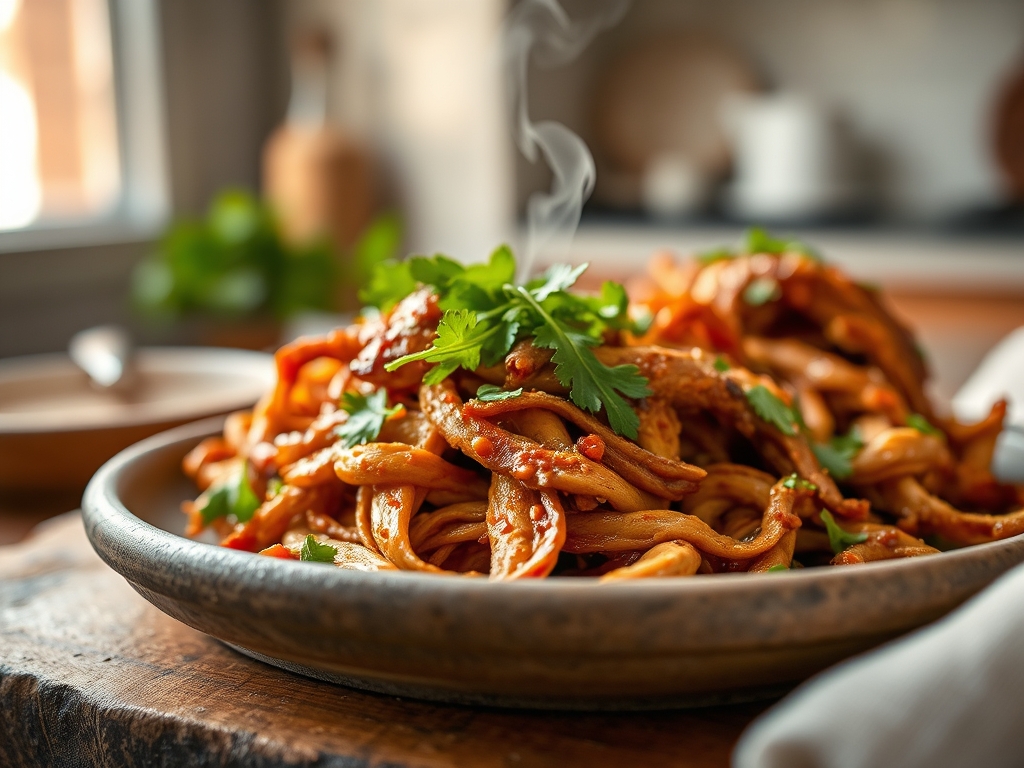
Picture the kitchen at 5:00 PM; the air is thick with the scent of toasted cumin and the sharp, bright sting of lime. You are standing over a heavy-bottomed skillet, watching as the chicken thighs begin to sizzle and release their juices. This is the alchemy of mexican pulled chicken recipes, where humble bird meets the complex, smoky heat of dried chiles. It is not just dinner; it is a sensory experience that transforms a simple protein into a tender, shreddable masterpiece. Whether you are prepping for a Tuesday taco night or a weekend feast, mastering this dish requires a blend of patience and chemistry. We are going for that perfect balance of salt, fat, and acid that makes every bite feel like a celebration. Forget dry, stringy meat; we are aiming for succulent strands of chicken bathed in a rich, velvety sauce. By the end of this guide, you will understand how to manipulate heat and moisture to create the ultimate base for ten different fiery variations.
The Gathers:
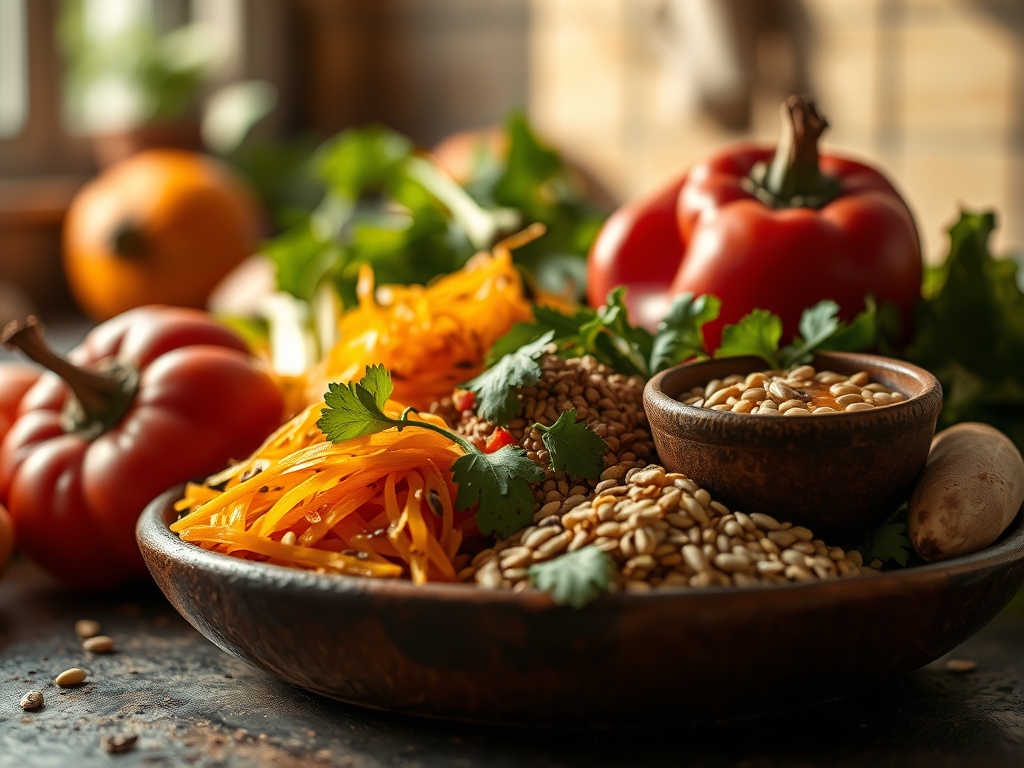
To achieve a professional result, your mise-en-place must be precise. Start with five pounds of boneless, skinless chicken thighs. Thighs contain more connective tissue (collagen) than breasts, which is essential for that juicy, "pulled" texture. You will need a quart of high-quality chicken bone broth to provide a gelatinous mouthfeel. For the flavor base, gather three dried ancho chiles (for sweetness), two guajillo chiles (for color), and a single chipotle in adobo for that signature smoke. Use a digital scale to measure out 15 grams of kosher salt and 5 grams of cracked black pepper. Fresh aromatics are non-negotiable: one large white onion, six cloves of garlic, and a bunch of cilantro stems.
Smart Substitutions: If you cannot find dried chiles, a high-quality ancho chili powder can work, though the depth of flavor will be less complex. For a lower-sodium profile, swap the bone broth for a "no-salt-added" version and increase the amount of fresh lime juice to brighten the dish. If you are looking for a leaner option, you can use a 50/50 split of breasts and thighs, but be aware that the cook time must be monitored closely to prevent the white meat from becoming fibrous.
The Clock: Precision and Flow
Timing is the difference between "good" and "gourmet." Expect a total active prep time of 25 minutes. This includes de-seeding the chiles, dicing the aromatics, and searing the protein. The "Chef's Flow" dictates that you should toast your spices while the chicken is searing in the heavy-bottomed skillet. The actual cooking time varies by method: 35 minutes in a pressure cooker, 4 hours on high in a slow cooker, or 45 minutes simmering on the stovetop. Allow for a 15-minute resting period before shredding. This rest is vital; it allows the muscle fibers to relax and reabsorb the flavorful cooking liquid, ensuring the meat does not dry out the moment it hits the air.
The Masterclass:
1. The Sear and Maillard Reaction
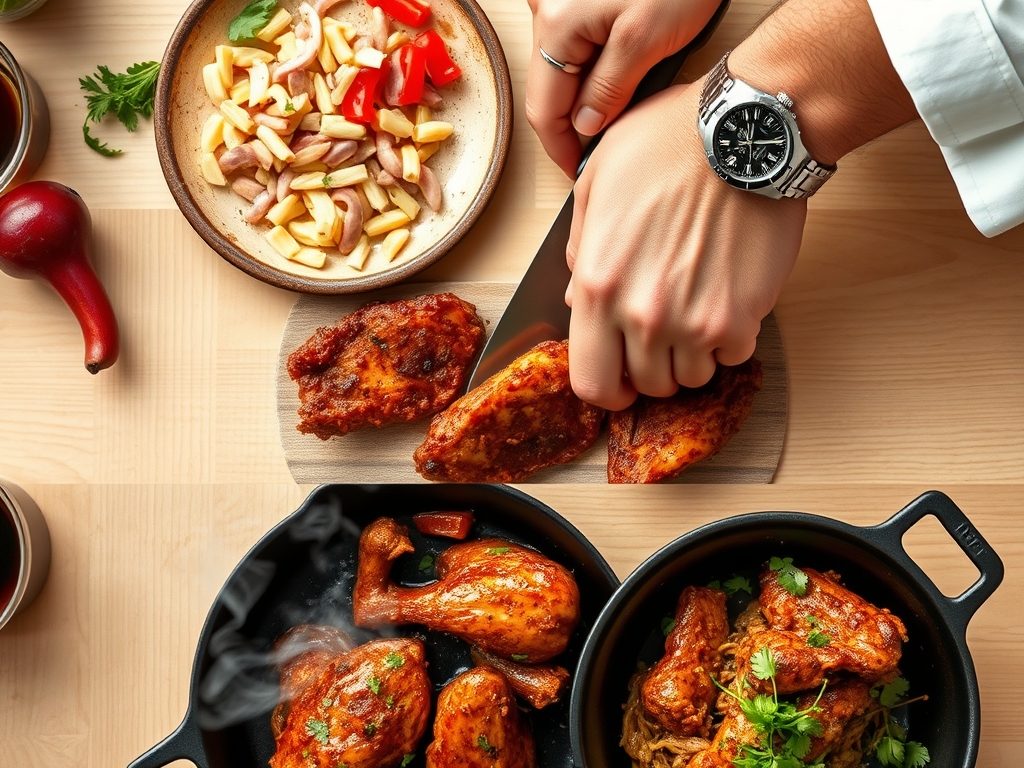
Pat the chicken dry with paper towels to remove surface moisture. Heat two tablespoons of neutral oil in your skillet until it reaches the shimmering point. Place the chicken in the pan, ensuring you do not crowd the meat. Sear until a deep, golden-brown crust forms on both sides.
Pro Tip: This browning is the Maillard reaction, a chemical reaction between amino acids and reducing sugars that creates hundreds of different flavor compounds. If the pan is too crowded, the meat will steam rather than sear, robbing you of that savory depth.
2. Toasting the Aromatics
Remove the chicken and use a bench scraper to clear any large burnt bits, but leave the "fond" (the brown bits stuck to the bottom). Add your diced onions and garlic. Sauté until translucent, then add your dried chiles and spices.
Pro Tip: Toasting spices in fat is called "blooming." Many flavor compounds in cumin and chili powder are fat-soluble; heating them in oil releases these volatile oils, making the finished mexican pulled chicken recipes significantly more aromatic.
3. The Deglaze and Braise
Pour in a splash of apple cider vinegar or lime juice to deglaze the pan, scraping up the fond with a wooden spoon. Add the chicken back in along with the bone broth. The liquid should cover about two-thirds of the meat. Cover and simmer on low heat.
Pro Tip: Maintaining a gentle simmer (around 190 to 200 degrees Fahrenheit) is crucial. If the liquid boils aggressively, the muscle fibers will contract violently and squeeze out their moisture, resulting in tough meat despite being "wet."
4. The Shred and Emulsification
Once the internal temperature reaches 205 degrees Fahrenheit, remove the chicken. Use two forks or tongs to pull the meat into strands. Meanwhile, crank the heat on the remaining liquid to reduce it by half. Whisk in a tablespoon of cold butter or a splash of oil to create a viscous sauce.
Pro Tip: Reducing the liquid concentrates the solutes, while the added fat helps emulsify the sauce. This ensures the sauce clings to every strand of chicken rather than pooling at the bottom of the bowl.
The Deep Dive:
From a nutritional standpoint, this dish is a powerhouse. A standard 4-ounce serving of chicken thighs provides roughly 22 grams of protein and 12 grams of fat. By using fresh chiles and aromatics, you gain a wealth of antioxidants like capsaicin and quercetin without adding unnecessary sugars.
Dietary Swaps: For a Keto version, ensure your bone broth has no added sugars and serve over cauliflower rice. For Vegan guests, the same spice profile and braising technique can be applied to young green jackfruit or king oyster mushrooms. For a Gluten-Free guarantee, always check your chicken broth labels for hidden yeast extracts or thickeners.
The Fix-It:
- Too Salty: Add a peeled potato to the simmering liquid for ten minutes to absorb excess salt, then discard the potato.
- Too Spicy: Stir in a tablespoon of honey or agave; the sugar competes with the heat receptors on your tongue.
- Too Thin: If your sauce won't thicken, temper in a small amount of cornstarch slurry (equal parts starch and cold water).
Meal Prep Science: When reheating, add a tablespoon of water or broth before microwaving. This creates a steam-dome effect that prevents the protein from "re-coagulating" into a rubbery texture. For "day-one" quality, reheat in a small saucier over low heat.
The Wrap-Up:
You now have the technical blueprint for the most incredible mexican pulled chicken recipes in your repertoire. By understanding the importance of the Maillard reaction, the science of collagen breakdown, and the power of a proper emulsified sauce, you have elevated a simple meal into a culinary triumph. Use this chicken for tacos, enchiladas, or even a spicy morning hash. The possibilities are as endless as your appetite. Now, grab those tongs and get cooking!
The Kitchen Table:
Which cut of chicken is best for pulling?
Chicken thighs are superior for pulling because they contain higher levels of collagen. During the slow-cooking process, this collagen breaks down into gelatin, which coats the meat fibers and provides a succulent, moist mouthfeel that chicken breasts lack.
How do I prevent my pulled chicken from being dry?
Ensure you reach an internal temperature of 205 degrees Fahrenheit. This allows the connective tissues to fully liquefy. Additionally, always rest the meat for 15 minutes before shredding to allow the muscle fibers to reabsorb the flavorful cooking juices.
Can I make this in a pressure cooker?
Yes, you can use a pressure cooker to accelerate the process. Cook the chicken on high pressure for 15 to 20 minutes with at least one cup of liquid. Allow for a natural pressure release to maintain the meat's tenderness.
How long does Mexican pulled chicken last in the fridge?
When stored in an airtight container with its juices, the chicken will stay fresh for up to four days. The flavors often improve over the first 24 hours as the spices continue to infuse into the protein fibers.
Why should I toast my dried chiles first?
Toasting dried chiles in a dry pan or hot oil awakens the essential oils and softens the skin. This process removes any bitter "raw" notes and develops a complex, smoky sweetness that defines authentic Mexican flavor profiles.