
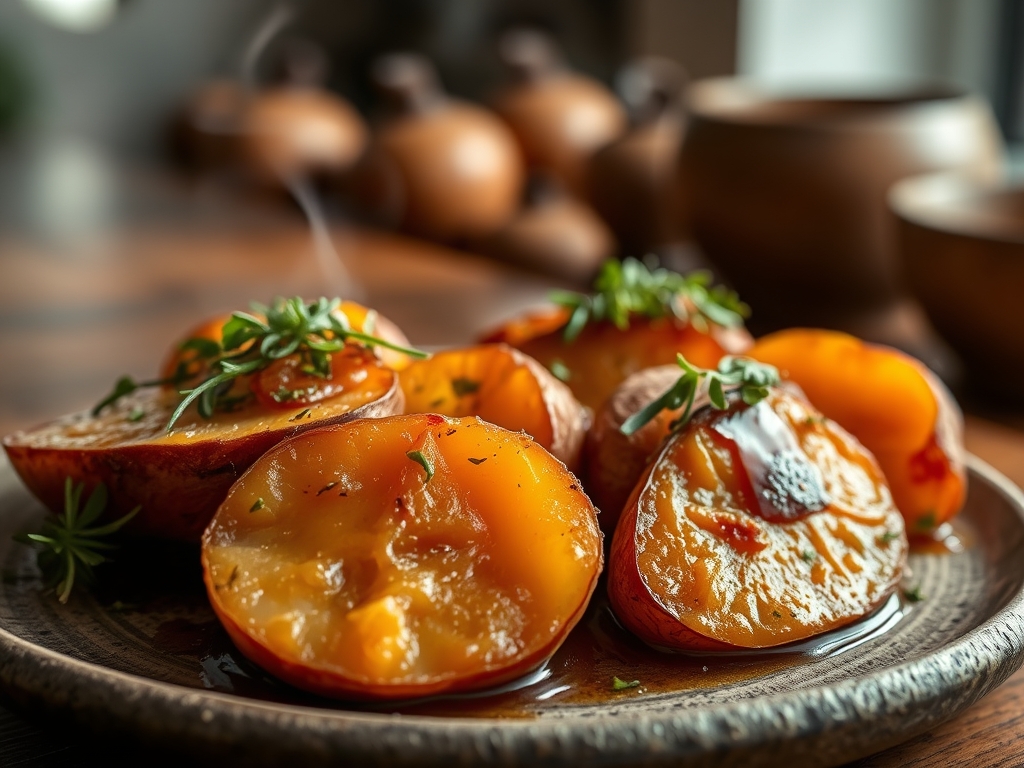
Imagine the scent of garlic and rosemary drifting through your hallways while you are actually getting work done. It is the ultimate kitchen magic trick. When you dive into slow cooker red potato recipes, you are not just making dinner; you are utilizing the science of low and slow heat to transform humble tubers into buttery masterpieces. Red potatoes are the undisputed champions of the crockpot because their waxy cellular structure prevents them from disintegrating into mush during long cook cycles.
The secret lies in the moisture content. Unlike starchy Russets that thirst for liquid, red potatoes hold their shape with a stubborn elegance. As the ceramic crock distributes heat evenly, the natural sugars in the potato skins begin a slow motion caramelization process. You get that earthy, piquant aroma without the stress of a hot stove. Whether you are aiming for a silky mash or a herb crusted side dish, these recipes provide a foundation for culinary excellence that feels entirely effortless. Let us break down the chemistry of the perfect slow cooked spud and turn your kitchen into a high performance flavor laboratory.
The Gathers:
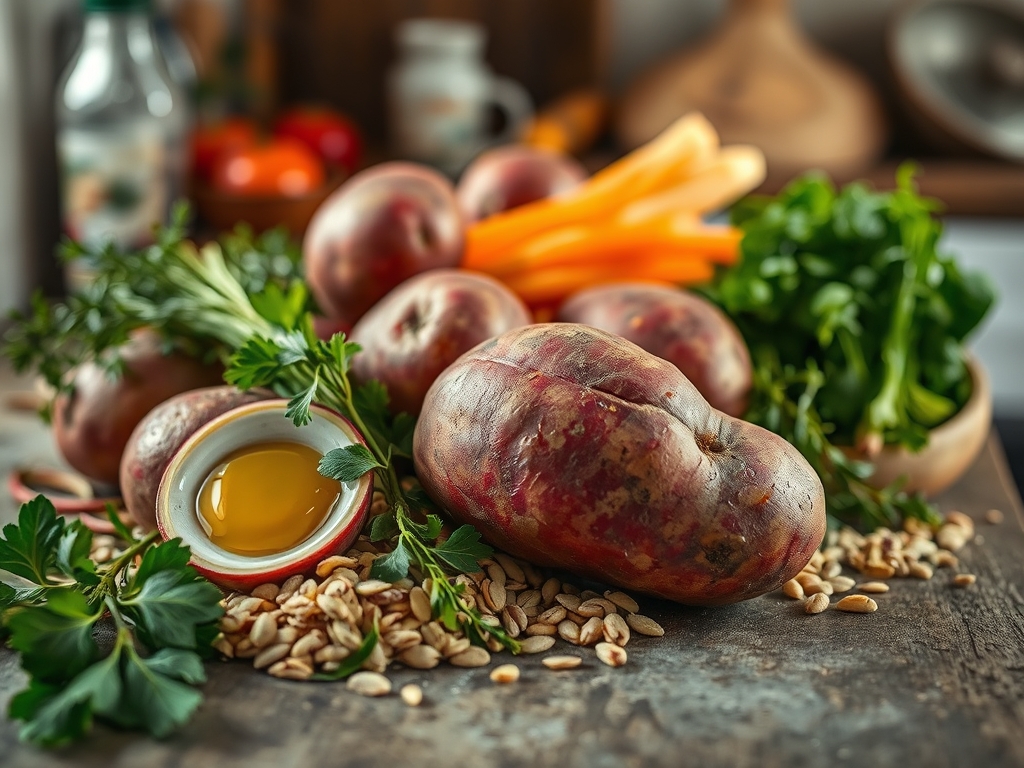
Before we engage the heating element, we must curate our mise en place with precision. Success in slow cooker red potato recipes depends on the quality of your fats and the acidity of your aromatics. You will need three pounds of firm red potatoes; look for skins that are vibrant and free of "eyes" or soft spots. For the fat profile, reach for high quality unsalted butter or a cold pressed olive oil to ensure a viscous mouthfeel.
Your aromatic arsenal should include fresh sprigs of rosemary and thyme. Dried herbs often turn bitter over long durations, whereas fresh woody herbs slowly infuse the oil with essential terpenes. You will also need a bulb of garlic, a pint of chicken or vegetable stock for steam generation, and coarse kosher salt. Using a digital scale ensures your potato to salt ratio is scientifically sound, preventing an oversalted disaster.
Smart Substitutions:
If you are looking to pivot, swap the butter for ghee to achieve a higher smoke point and a nuttier profile. For those avoiding nightshades, parsnips offer a similar density but with a sweeter, more herbaceous finish. If you lack fresh herbs, a high quality dried oregano can work, but you must add it during the final thirty minutes to prevent the flavor from becoming muddy. Always keep a microplane nearby to zest a lemon at the very end; that hit of citric acid cuts through the heavy starch and brightens the entire profile.
The Clock
Efficiency in the kitchen is about "Chef's Flow." This is the psychological state where prep and cleanup happen in a seamless loop. For these slow cooker red potato recipes, your active prep time is a mere fifteen minutes. The bench scraper is your best friend here; use it to move chopped potatoes from the cutting board to the crock in one swift motion, keeping your workspace pristine.
The cook time is where the thermal magic happens. On "High," you are looking at three to four hours. On "Low," the window expands to seven or eight hours. The goal is to reach an internal temperature of 210 degrees Fahrenheit. This is the precise point where the pectin in the cell walls softens completely without the potato collapsing. By timing your start to your workday or your sleep cycle, you turn the slow cooker into a passive employee that never asks for a break.
The Masterclass
1. The Uniform Cleave
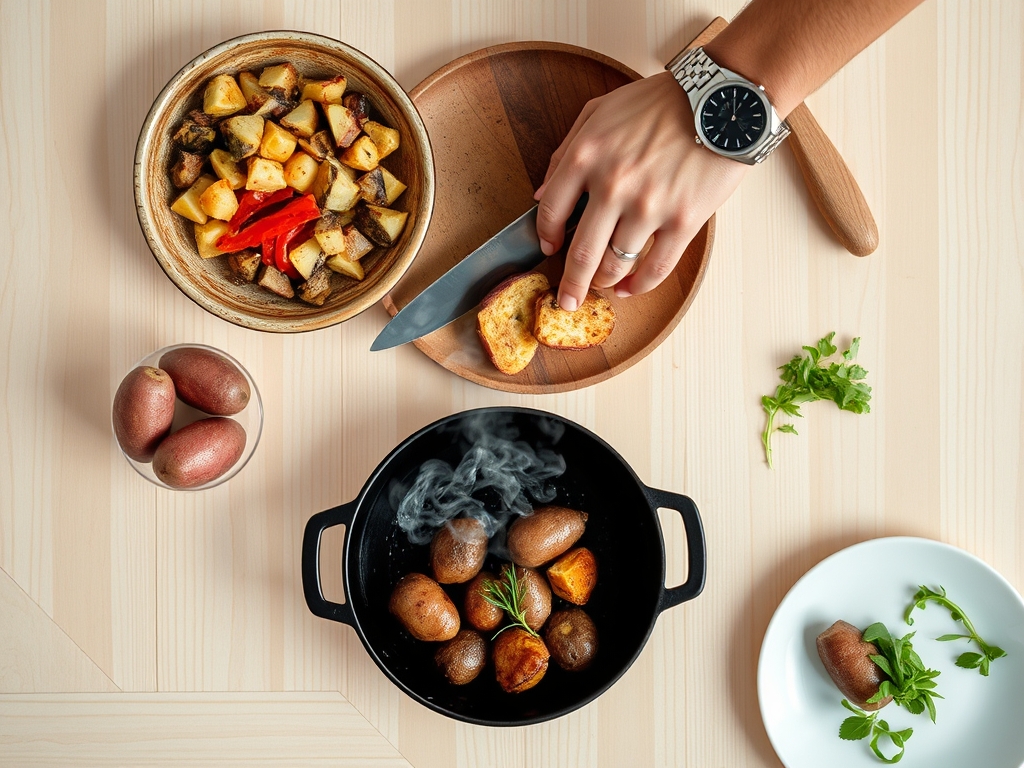
Use a sharp chef knife to quarter your potatoes into uniform one inch cubes. Consistency is not just for aesthetics; it ensures that every piece reaches the same level of tenderness simultaneously.
Pro Tip: This prevents enzymatic browning. When you cut a potato, the polyphenol oxidase reacts with oxygen. By tossing them immediately in a bowl with a splash of vinegar or lemon juice, you inhibit this reaction and preserve the vibrant red pigment.
2. The Fat Coating
Place your potatoes in the crock and drizzle with your chosen lipid. Use tongs to toss them until every surface is shimmering.
Pro Tip: This is about lipid barriers. Coating the potatoes in fat before adding liquid prevents them from absorbing too much water. It ensures the texture remains dense and creamy rather than waterlogged and grainy.
3. The Aromatic Layering
Nestle your garlic cloves and herb sprigs deep into the center of the potato pile. Do not just throw them on top.
Pro Tip: This utilizes thermal conduction. The potatoes act as an insulator, trapping the volatile oils from the herbs and forcing them into the starch. This creates a deep infusion that seasoned chefs call "core flavoring."
4. The Steam Seal
Pour in a half cup of stock, then seal the lid tightly. Resist the urge to peek. Every time you lift the lid, you lose significant heat and moisture.
Pro Tip: This maintains a pressurized environment. The steam helps break down the tough outer skin while the dry heat from the ceramic walls creates a subtle Maillard reaction where the potato touches the sides.
5. The Final Aeration
Once tender, use a saucier to reduce any leftover liquid into a glaze, or simply toss the potatoes with fresh parsley and a final sprinkle of sea salt.
Pro Tip: This step addresses thermal carryover. Potatoes continue to cook for five to ten minutes after being removed from heat. Aerating them by tossing allows steam to escape, stopping the cooking process so they stay firm.
The Deep Dive
From a macro perspective, red potatoes are a nutritional powerhouse. They are naturally gluten free and packed with potassium and Vitamin C. One medium red potato contains about 150 calories and 3 grams of fiber, making them a high volume, low calorie density food that keeps you satiated.
Dietary Swaps:
For a Vegan version, utilize avocado oil and nutritional yeast for a cheesy, savory kick. For a Keto friendly alternative, you can follow this exact method using cauliflower florets or radishes, though the cook time will drop by fifty percent.
The Fix-It:
- Too Mushy: You likely added too much liquid. Next time, use only a quarter cup of stock. To fix it now, drain the liquid and roast them on a sheet pan at 400 degrees for ten minutes to dehydrate the surface.
- Too Bland: Starch absorbs salt like a sponge. If they taste flat, add a teaspoon of apple cider vinegar or a dusting of smoked paprika to wake up the palate.
- Uneven Cooking: This happens when the crock is overfilled. Never fill more than two thirds of the way to ensure even heat circulation.
Meal Prep Science:
To reheat these with "day one" quality, avoid the microwave. The microwave agitates water molecules and makes the starch gummy. Instead, use a heavy-bottomed skillet with a touch of butter. This re-crisps the skin and restores the internal creaminess through gentle conduction.
The Wrap-Up
Mastering slow cooker red potato recipes is like having a secret weapon in your culinary holster. It is the intersection of high science and low effort. By understanding how pectin behaves under heat and how lipids protect texture, you have moved beyond being a follower of recipes to being a master of ingredients. Now, go grab your digital scale, chop those tubers, and let the slow cooker do the heavy lifting while you enjoy the aromatic rewards.
The Kitchen Table
Can I put raw red potatoes in the slow cooker?
Yes, you can place raw red potatoes directly in the crock. Their waxy texture allows them to soften perfectly without pre-boiling. Just ensure they are cut into uniform pieces to guarantee even cooking throughout the entire cycle.
Do red potatoes get mushy in the slow cooker?
Red potatoes are less likely to get mushy than Russets because they have lower starch and higher moisture content. As long as you do not overcook them past the eight hour mark on low, they will maintain their structural integrity.
Should I peel red potatoes for the slow cooker?
Keep the skins on! The skin of a red potato is thin, nutrient dense, and acts as a natural barrier that prevents the potato from falling apart. It also adds a beautiful pop of color and earthy flavor to the dish.
How much liquid do I need for potatoes in a slow cooker?
You need very little liquid; usually a half cup is sufficient for three pounds of potatoes. The potatoes release their own moisture as they cook, creating a self-basting environment that prevents them from drying out or burning.