
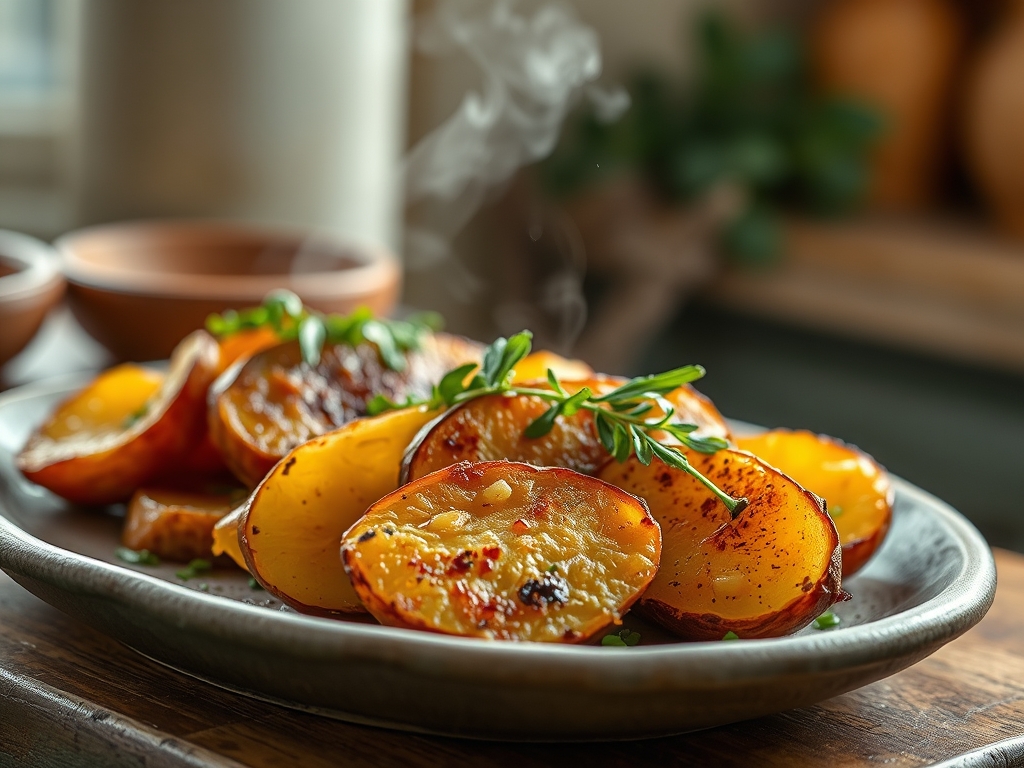
Close your eyes and listen to that sound. It is the distinct, rhythmic crackle of a fork tines dragging across a surface that feels like glass but tastes like a buttery cloud. When you are hunting for the ultimate roasted russet potato recipes; you are not just looking for a side dish; you are seeking a structural masterpiece of starch and heat. Russets are the undisputed kings of the roasting pan because of their high starch content and low moisture. This specific anatomy allows the exterior to dehydrate into a shatteringly crisp shell while the interior undergoes a complete cellular breakdown into a fluffy, porcelain-white mash. We are moving beyond the soggy, oil-slicked cubes of your past. Today, we are engineering a crunch so profound it might actually require a noise complaint from the neighbors. By understanding the molecular transition from raw tuber to golden treasure; we can manipulate heat and pH levels to achieve a result that defies the laws of standard home cooking. Let us turn your kitchen into a laboratory of flavor.
The Gathers:
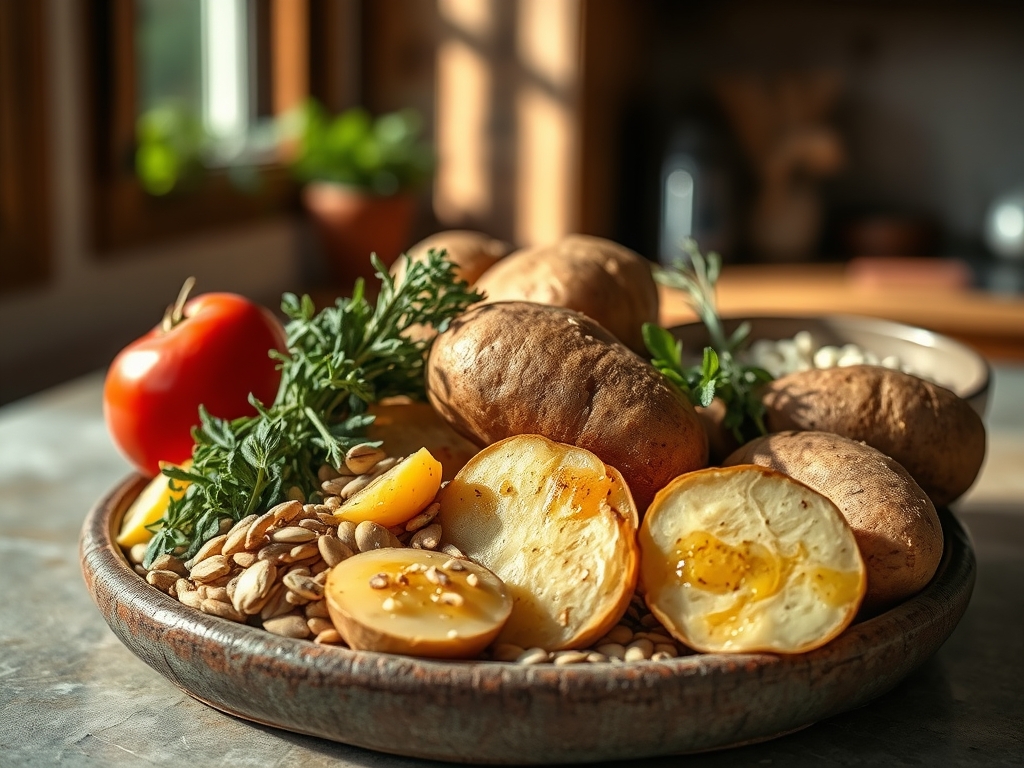
To execute these roasted russet potato recipes with precision; your mise-en-place must be intentional. You will need five pounds of Russet potatoes; specifically looking for those with dusty, thick skins which indicate a high solids-to-water ratio. You will also need alkaline salt (baking soda); which is the secret weapon for surface area expansion. For the fat; choose a high-smoke-point medium like rendered duck fat or clarified butter (ghee) to ensure the Maillard reaction occurs without the acridity of burnt milk solids.
Smart Substitutions: If you are keeping it plant-based; use a cold-pressed avocado oil or a refined coconut oil. While extra virgin olive oil is delicious; its low smoke point can lead to polymerization before the potato reaches peak crunch. For seasoning; reach for flaky Maldon salt to provide a tactile finish and a microplane to zest fresh garlic at the very end; preventing the bitter carbonization that happens when garlic is roasted at high temperatures for too long.
The Clock:
Timing is the difference between a masterpiece and a mushy mess. This process requires a total of 75 minutes. The "Chef's Flow" begins with a 15-minute prep; where you peel and cube with a sharp chef's knife or a bench scraper to keep your station tidy. This is followed by a 10-minute parboil. The actual roasting takes 45 to 50 minutes; but do not walk away. The final 5 minutes are reserved for the "infusion phase" where you toss the hot potatoes with fresh aromatics. Efficiency in the kitchen comes from cleaning your saucier and cutting boards while the oven does the heavy lifting; ensuring that when the potatoes hit the table; your workspace is already pristine.
The Masterclass:
1. The Precision Cube and Soak
Start by peeling your Russets and cutting them into large; uniform 2-inch chunks. Place them immediately into a bowl of cold water to remove excess surface starch.
Pro Tip: This soak prevents enzymatic browning; a chemical process where polyphenol oxidase reacts with oxygen to turn your potatoes grey. Keeping them submerged ensures a bright; clean interior.
2. The Alkaline Parboil
Bring a large pot of water to a boil and add a generous tablespoon of kosher salt and a half-teaspoon of baking soda. Boil the potatoes until the edges are just starting to soften but the centers remain firm.
Pro Tip: Adding baking soda raises the pH of the water; which breaks down the pectin in the potato cell walls more effectively. This creates a starchy slurry on the surface that eventually dehydrates into a thick; crunchy crust.
3. The Rough-Up Technique
Drain the potatoes in a colander and let them steam-dry for two minutes. Give the colander a vigorous shake until the outsides of the potatoes look frayed and mashed.
Pro Tip: This increases the surface area exponentially. Every little "fuzz" of mashed potato on the surface is a site for future crisping; allowing the oil to saturate more points of contact.
4. The Fat Infusion
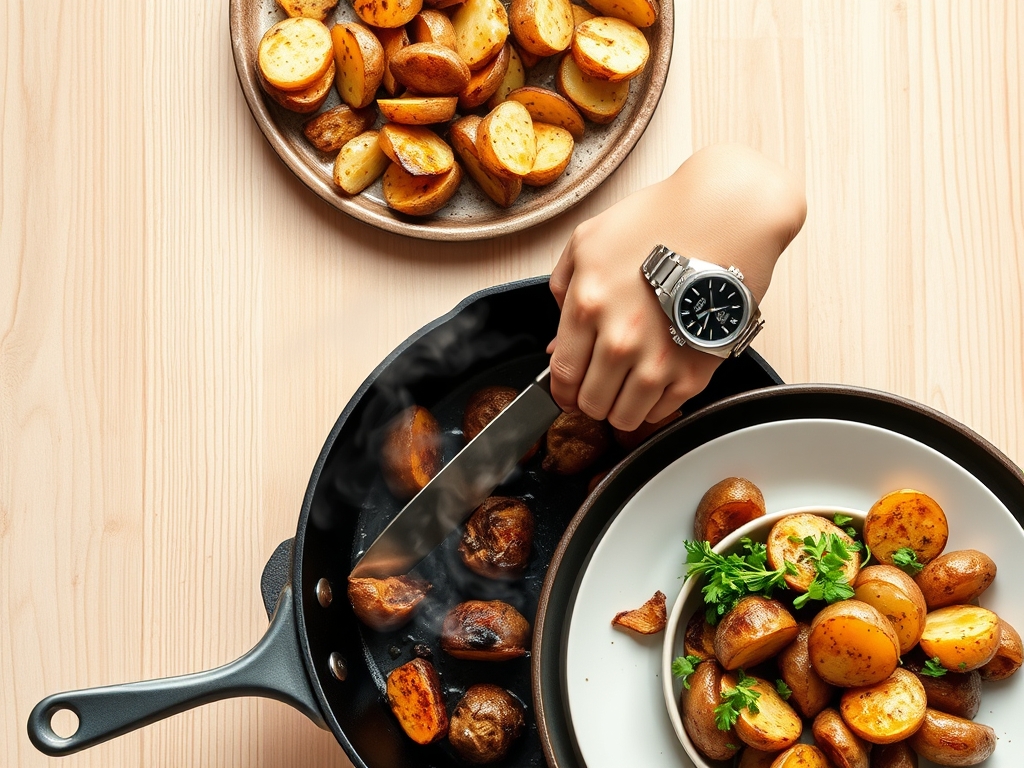
While the potatoes dry; heat your fat in a heavy-bottomed skillet or roasting pan in a 450-degree oven. Once the oil is shimmering; carefully toss the potatoes in the hot fat until every nook and cranny is coated.
Pro Tip: Pre-heating the fat prevents the potatoes from sticking to the metal. It also initiates an immediate thermal shock; searing the exterior and locking in the fluffy interior moisture.
5. The Golden Rotation
Spread the potatoes in a single layer; ensuring they are not crowded. Roast for 20 minutes; then use tongs to flip each piece. Continue roasting for another 20 to 30 minutes.
Pro Tip: Crowding the pan creates steam; which leads to "wet" roasting. By giving each cube space; you allow for maximum evaporative cooling on the surface; which is necessary for the starch to harden into a crisp shell.
The Deep Dive:
Macro Nutrition: Russet potatoes are naturally fat-free and high in potassium and Vitamin C. While roasting adds fat; using a digital scale to measure your oil can keep the caloric density in check. One serving typically provides 4 grams of fiber and 3 grams of protein.
Dietary Swaps: For a Keto-friendly alternative; swap potatoes for cauliflower florets; though the roasting time will decrease by half. For a Vegan version; use infused truffle oil or garlic-infused avocado oil to mimic the richness of animal fats.
The Fix-It:
- Soggy Potatoes: Your oven temperature was likely too low or the pan was overcrowded. Move the pan to the highest rack and turn on the convection setting.
- Burnt Edges/Raw Middle: This happens when you skip the parboil. The exterior cooks too fast for the heat to penetrate the dense starch. Always parboil.
- Sticking to the Pan: You likely used a thin baking sheet. Switch to a preheated cast iron pan or heavy roasting tray to ensure even heat distribution.
Meal Prep: To reheat; avoid the microwave at all costs as it turns the crisp starch back into a viscous gel. Instead; toss them in an air fryer or a hot oven for 8 minutes to re-dehydrate the crust for "day-one" quality.
The Wrap-Up:
You are now armed with the chemical secrets to the perfect roast. By manipulating pH levels and maximizing surface area; you have transformed a humble root vegetable into a culinary event. Remember; the best roasted russet potato recipes are not about the ingredients alone; but the technique used to coax out their hidden textures. Go forth; get that oil shimmering; and prepare for the most satisfying crunch of your life. Your dinner guests will thank you; but your taste buds will thank you more.
The Kitchen Table:
Why are my roasted potatoes not crispy?
Crispness fails when potatoes aren't parboiled in alkaline water or the oven is too cool. Baking soda breaks down pectin; creating a starchy paste that dehydrates into a thick crust. Ensure your pan isn't crowded to avoid steaming.
Should I soak potatoes before roasting?
Yes. Soaking peeled potatoes in cold water removes excess surface starch and prevents enzymatic browning. This ensures the cubes roast into a clean; golden color rather than a dull; dark brown; while keeping the interior fluffy and light.
Is it better to peel Russets for roasting?
For the ultimate crunch; peeling is superior. While skin adds fiber; it prevents the alkaline-treated starch from forming that signature "glassy" crust. Peeling allows the fat to penetrate the surface; creating a more uniform and intense crunch.
What is the best fat for roasting potatoes?
Animal fats like duck fat or beef tallow provide the best flavor and highest crunch. For plant-based options; use avocado oil or ghee. Avoid butter; as the milk solids will burn before the potato reaches its maximum crispness.