
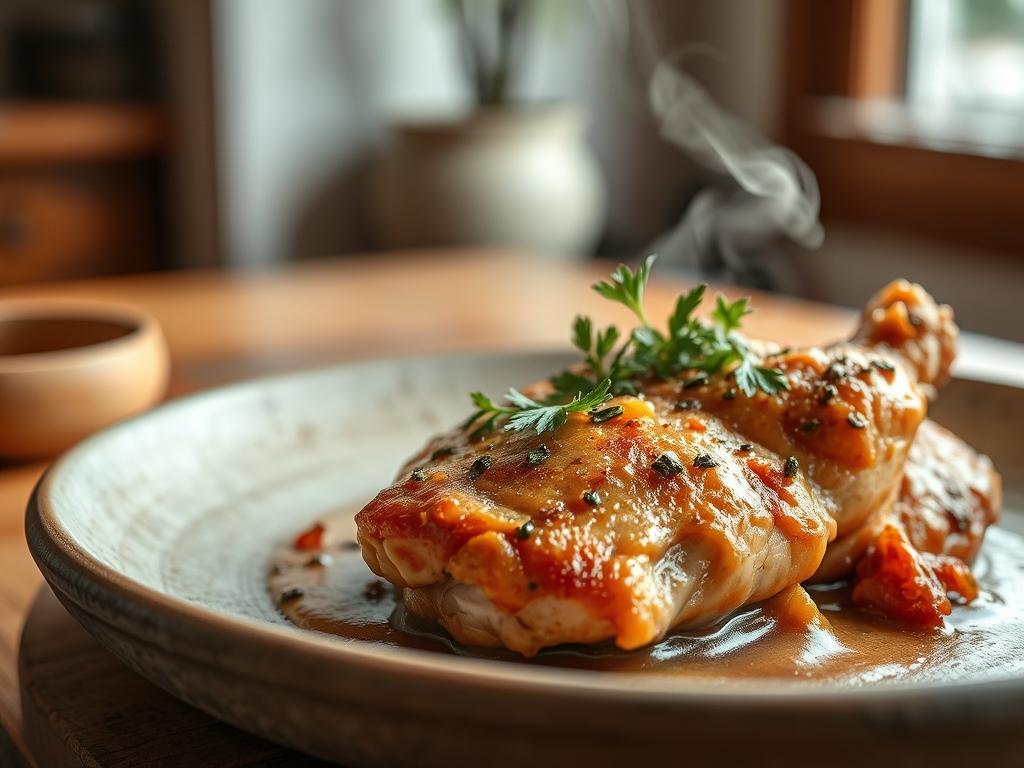
Imagine walking through your front door after a grueling day and being hit by a wall of savory, golden aroma that feels like a warm hug for your soul. That is the magic of the best slow cooker chicken recipes ever. We are moving far beyond the watery, bland stews of the past. We are talking about succulent thighs that fall apart at the mere suggestion of a fork and sauces so rich they coat the back of a spoon with velvet precision. This is culinary alchemy where time does the heavy lifting, transforming humble proteins into a five-star experience while you are busy conquering the world.
The secret to mastering the best slow cooker chicken recipes ever lies in understanding that your crockpot is not just a heater; it is a controlled environment for low-temperature braising. By the time we are finished, you will be wielding your slow cooker with the same finesse as a seasoned saucier. We are diving deep into the chemistry of collagen breakdown and the art of the perfect sear to ensure every bite is a masterclass in texture and taste. Grab your apron; your kitchen is about to become the most popular bistro in town.
The Gathers:
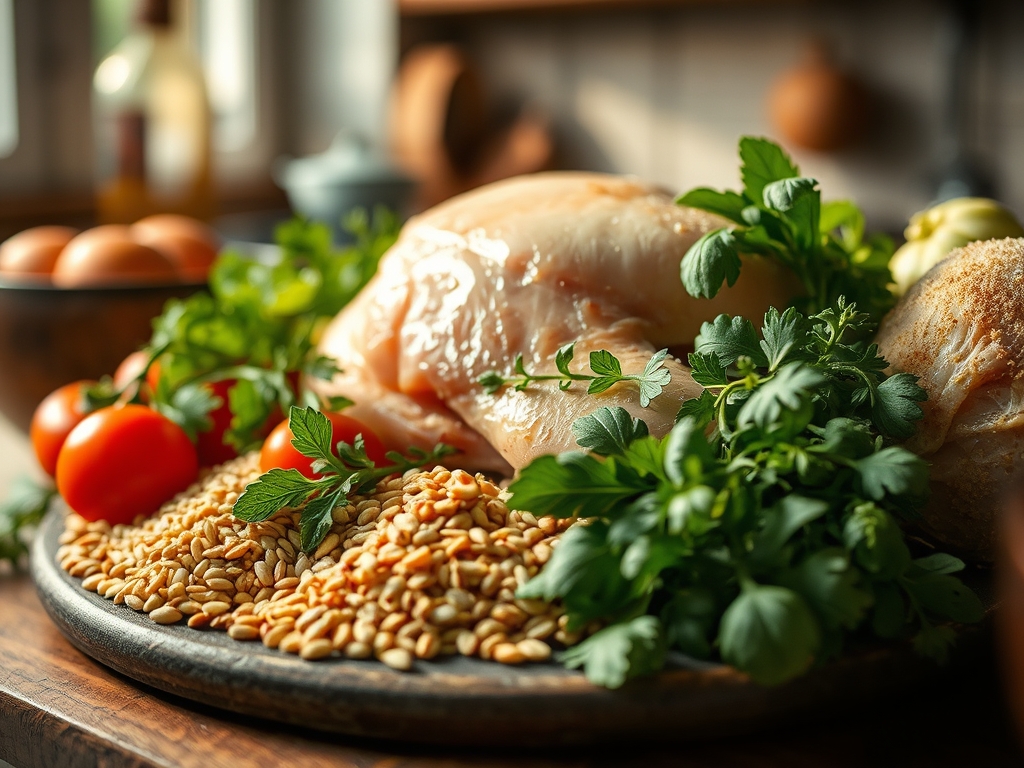
To achieve greatness, your mise-en-place must be impeccable. We start with the chicken. I always recommend bone-in, skin-on thighs for the slow cooker because the connective tissue (collagen) melts into gelatin, creating a luxurious mouthfeel that breasts simply cannot replicate. You will need a heavy-bottomed skillet for the initial sear, a digital scale for precise spice ratios, and a microplane to zest citrus or grate fresh ginger into a fine, aromatic snow.
Our pantry staples include high-quality chicken bone broth for a viscous base, aromatics like shallots and garlic, and acid in the form of apple cider vinegar or fresh lime to brighten the heavy fats. Do not forget the "umami bombs" like tomato paste or soy sauce, which provide depth through concentrated glutamates.
Smart Substitutions:
If you are looking to lighten things up, you can swap chicken thighs for breasts, but you must reduce the cook time by at least ninety minutes to avoid a fibrous texture. For a dairy-free creaminess, full-fat coconut milk is a brilliant stand-in for heavy cream, offering a piquant undertone that pairs beautifully with curry spices. If you lack fresh herbs, use one-third the amount of dried herbs, as their oils are more concentrated and can easily overwhelm the dish if not measured carefully.
The Clock
Efficiency in the kitchen is all about the Chef's Flow. Expect to spend about twenty minutes on active prep. This includes dicing your aromatics with a sharp chef's knife and searing your protein to kickstart the Maillard reaction. Once the lid is closed, the "low" setting usually requires six to eight hours, while the "high" setting finishes in three to four.
The Chef's Flow dictates that you prep your garnishes and side grains (like quinoa or jasmine rice) during the final thirty minutes of the cook cycle. This ensures that when the timer beeps, your "day-one" quality meal is ready for immediate assembly. Using a digital thermometer is non-negotiable; you are aiming for an internal temperature of 165 degrees Fahrenheit for safety and 175 degrees for that perfect, shreddable thigh texture.
The Masterclass
1. The Sear and Deglaze
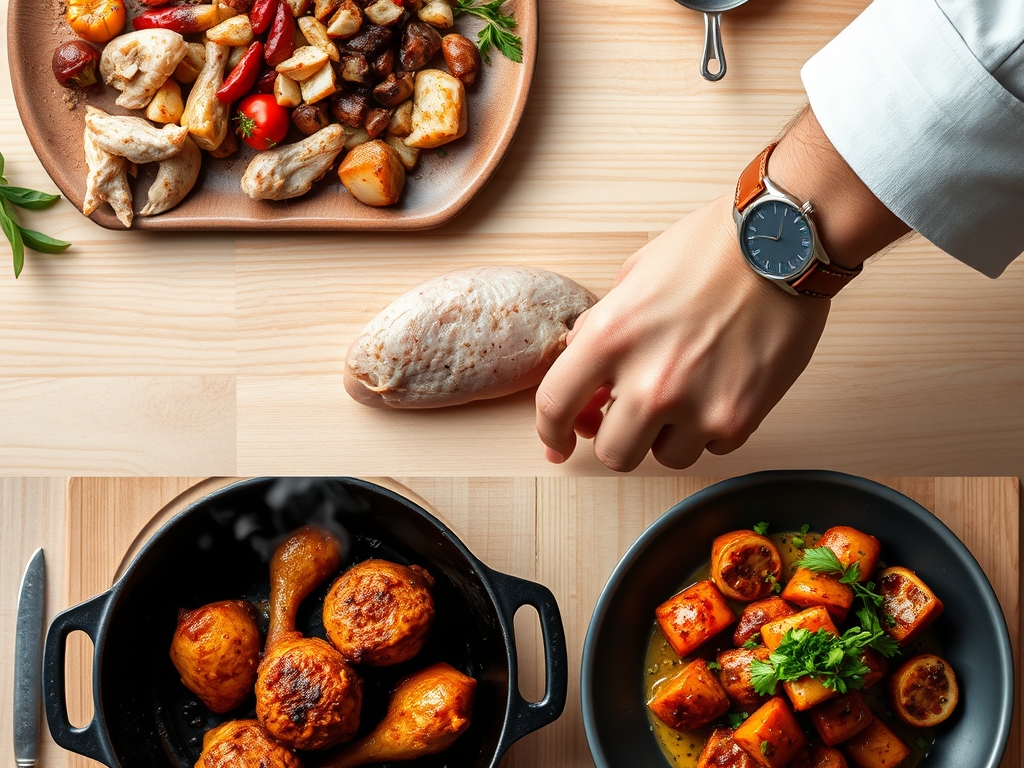
Before the chicken ever touches the slow cooker, you must sear it in a heavy-bottomed skillet with high-smoke-point oil. Once a golden crust forms, remove the meat and use a splash of wine or broth to deglaze the pan, scraping up the browned bits (the fond) with a wooden spoon.
Pro Tip: This step utilizes enzymatic browning to create complex flavor compounds that a slow cooker cannot produce on its own due to the presence of moisture and lower temperatures.
2. Layering Aromatics
Place your "hard" vegetables like carrots and onions at the bottom of the ceramic insert. These act as a natural rack for the chicken, allowing heat to circulate evenly. Pour your deglazed liquid over the top.
Pro Tip: Placing denser vegetables at the bottom ensures they soften completely, as they are in direct contact with the heating element located in the base of the unit.
3. The Low and Slow Infusion
Set your cooker to "Low." This allows the temperature to rise gradually, which prevents the muscle fibers from seizing up and becoming tough. This is the stage where flavors begin to infuse deeply into the protein.
Pro Tip: Maintaining a low temperature prevents the proteins from denaturing too quickly; this preserves the moisture trapped within the cellular structure of the meat.
4. The Fat Reduction
Halfway through, use a wide spoon or a fat separator to remove any excess oil rising to the top. This ensures your final sauce is silky rather than greasy.
Pro Tip: Removing excess lipids prevents the sauce from breaking, ensuring a stable emulsification when you add final thickeners or dairy.
5. The Final Brightening
In the last fifteen minutes, add your "soft" ingredients like spinach, fresh peas, or a squeeze of lemon juice. This preserves their color and prevents the acid from turning the chicken gray.
Pro Tip: This is known as managing volatile aromatic compounds; delicate flavors and bright colors are destroyed by prolonged heat, so they must be added at the finish.
6. The Rest and Shred
Remove the chicken and let it rest on a cutting board for five minutes before shredding with two forks or tongs. This allows the juices to redistribute.
Pro Tip: This utilizes thermal carryover; the internal temperature continues to rise slightly after removal, finishing the cook perfectly without drying out the exterior.
The Deep Dive
From a macro perspective, these recipes are protein powerhouses. A standard serving of slow-cooked thighs provides roughly 25 grams of protein and 15 grams of healthy fats. To keep it Keto, omit root vegetables and use xanthan gum as a thickener. For a Vegan twist, swap the chicken for jackfruit or chickpeas, though you will need to reduce the cook time to four hours on low to maintain texture.
The Fix-It:
- Too Watery: If your sauce is thin, whisk a tablespoon of cornstarch with cold water to create a slurry. Stir it in and cook on high for fifteen minutes to aerate and thicken.
- Bland Flavor: You likely need more salt or acid. A teaspoon of fish sauce or a splash of red wine vinegar can wake up the entire profile.
- Tough Meat: You likely cooked it on "High" for too long. Next time, use "Low" to allow the collagen to melt properly.
For meal prep, reheating is a science. Avoid the microwave, which can make chicken rubbery. Instead, use a saucier on the stovetop over medium-low heat, adding a tablespoon of broth to rehydrate the fibers and restore that "day-one" silkiness.
The Wrap-Up
Mastering the best slow cooker chicken recipes ever is your ticket to stress-free, gourmet dining at home. By focusing on the science of searing, the patience of low-temperature braising, and the precision of final seasoning, you transform a simple appliance into a powerhouse of flavor. Go forth, experiment with those umami-rich ingredients, and remember that great food is just a few hours of patience away. Your kitchen, your rules!
The Kitchen Table
How do I prevent chicken from getting dry in the slow cooker?
Always use dark meat like thighs, which have more fat and connective tissue. If using breasts, monitor the internal temperature with a digital probe and stop cooking exactly at 165 degrees Fahrenheit to maintain moisture.
Can I put frozen chicken directly into the slow cooker?
No, this is a safety hazard. Frozen meat stays in the "danger zone" for bacterial growth too long as it thaws. Always defrost your chicken completely in the refrigerator before adding it to the ceramic crock.
Why is my slow cooker chicken always bland?
You likely skipped the searing step. Searing creates the Maillard reaction, which is essential for deep flavor. Additionally, remember to finish the dish with a "bright" ingredient like lemon juice or fresh herbs to lift the heavy fats.
Do I need to add liquid to the slow cooker?
Chicken releases a significant amount of moisture as it cooks. You only need about half a cup of broth or wine to create a steam environment. Too much liquid results in boiled meat rather than a rich, braised finish.
How long can I keep slow-cooked chicken in the fridge?
Stored in an airtight container, your chicken will stay fresh for three to four days. For the best quality, reheat it slowly on the stove with a splash of liquid to maintain its original succulent texture.