
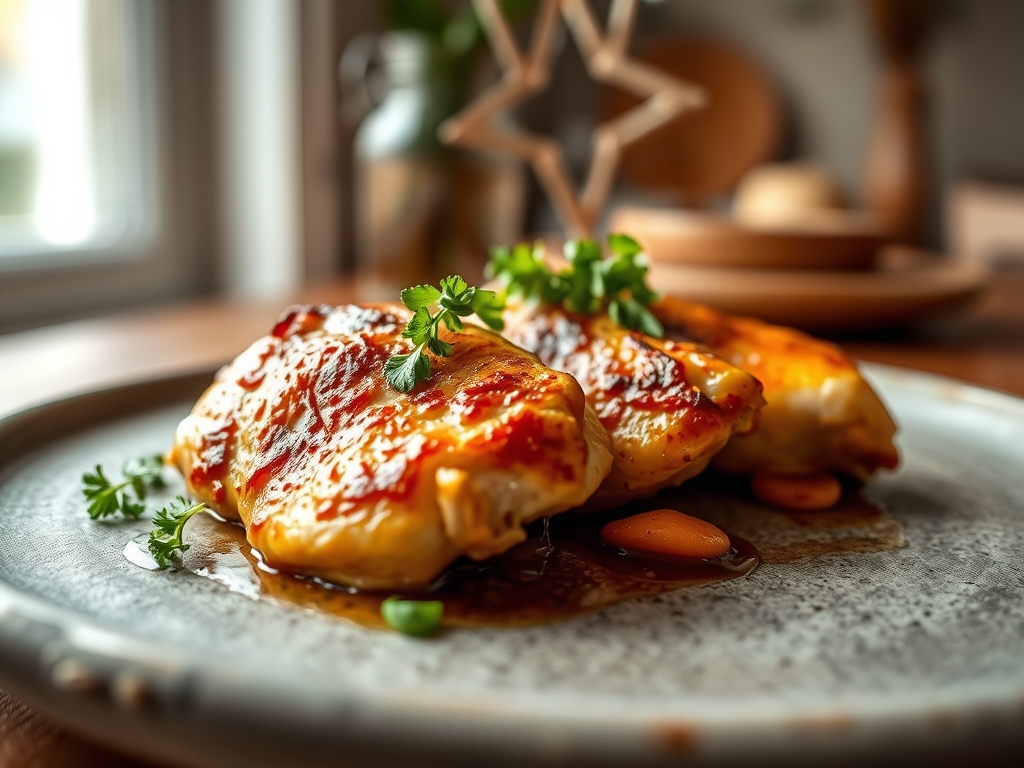
Picture the scene: a heavy-bottomed skillet rests on a blue flame, the air thick with the scent of smoked paprika and rendering fat. This is the heart of the Mediterranean kitchen. When you master authentic spanish chicken recipes, you are not just cooking; you are orchestrating a symphony of bold flavors and ancient techniques. The sizzle of skin meeting olive oil is the sound of the Maillard reaction in full swing. It creates a complex crust that locks in moisture while releasing volatile aromatic compounds. Whether it is the saffron-stained rice of a classic Arroz con Pollo or the piquant bite of a Pollo al Ajillo, these dishes rely on the balance of acidity, heat, and high-quality fats. We are going to dive deep into the chemistry of the Iberian peninsula. You will learn how to transform humble poultry into a masterpiece of texture and taste. Grab your apron and your sharpest chef knife; we are about to turn your kitchen into a bustling Madrid bistro where every bite tells a story of sun-drenched hills and salt-sprayed coasts.
The Gathers:
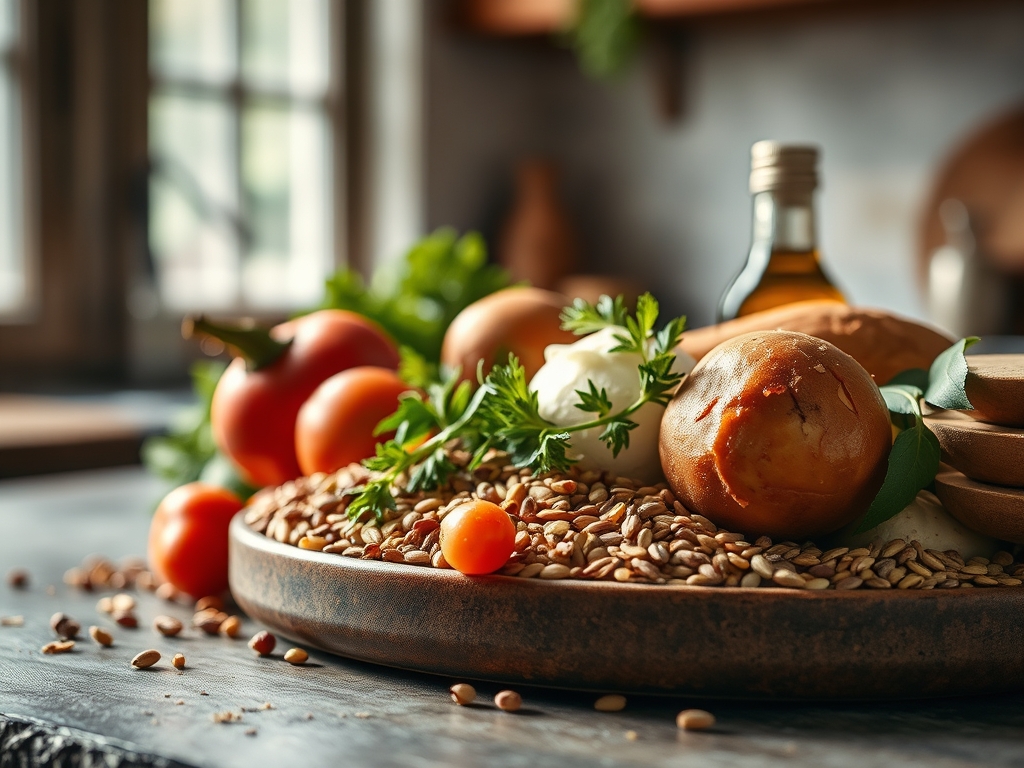
Before the first flame is lit, your mise-en-place must be impeccable. Excellence in spanish chicken recipes starts with the quality of your lipids and aromatics. You will need a high-quality extra virgin olive oil with a high polyphenolic content; this provides the viscous mouthfeel essential for traditional sauces. Gather your Pimenton de la Vera, which is a smoked paprika that offers a deep, woodsy profile unlike any domestic variety. For the aromatics, use a microplane to zest fresh lemons and grate garlic into a fine paste. This increases the surface area, allowing for a more rapid infusion of flavor into the oil.
Smart Substitutions: If you cannot source authentic saffron threads, avoid the yellow food coloring. Instead, use a pinch of turmeric for color combined with a touch of ground cumin to mimic that earthy depth. If Sherry vinegar is missing from your pantry, a high-quality red wine vinegar with a tiny pinch of sugar can replicate that specific acetic profile. For those avoiding alcohol, a splash of verjus or white grape juice mixed with lemon juice provides the necessary acidity to deglaze your pan without the ethanol.
The Clock
Efficiency in the kitchen is about understanding the Chef's Flow. For these spanish chicken recipes, expect a prep time of approximately 25 minutes. This includes the manual labor of breaking down a whole bird and dicing your mirepoix. The cook time varies between 35 and 50 minutes depending on the specific dish.
The Chef's Flow is a mental map of your cooking sequence. Start by tempering your meat; let the chicken sit at room temperature for 20 minutes to ensure even heat distribution. While the meat tempers, perform all knife work. By the time your heavy-bottomed skillet is preheated, your ingredients are staged and ready. This prevents the "panic-chopping" that leads to scorched garlic or unevenly cooked proteins. A digital scale is your best friend here; measuring ingredients by weight ensures the perfect ratio of liquid to starch every single time.
The Masterclass
1. The Sear and Render
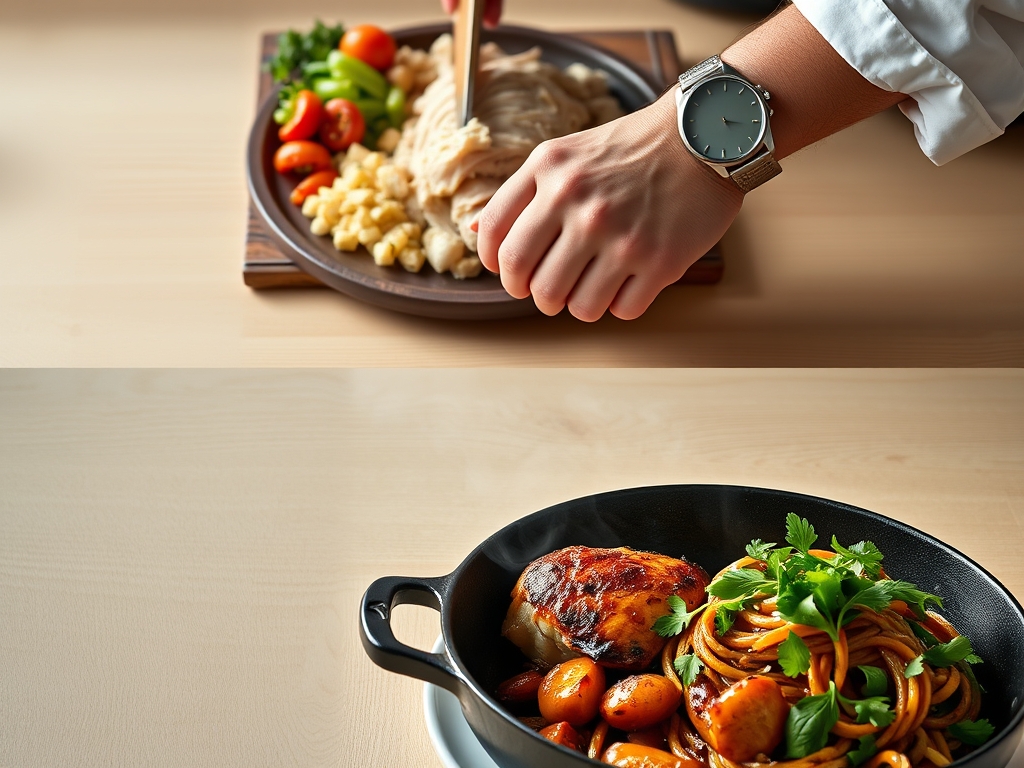
Place your chicken thighs skin-side down in a cold skillet and then turn the heat to medium-high. This allows the subcutaneous fat to render slowly, resulting in a shatteringly crisp skin. Use stainless steel tongs to press the meat down, ensuring maximum surface contact.
Pro Tip: This technique utilizes the science of thermal conduction. By starting cold, you prevent the proteins from seizing up instantly, which allows the fat to liquefy and fry the skin in its own oil, creating a superior texture.
2. The Aromatic Infusion
Once the chicken is browned and removed, reduce the heat. Add your onions and peppers to the rendered fat. Use a wooden spoon to scrape the bottom of the pan, releasing the fond. This is where the flavor lives.
Pro Tip: This is known as deglazing. The caramelized proteins stuck to the pan are packed with umami. Adding moisture dissolves these solids, incorporating them into a rich, complex sauce base through the process of molecular bonding.
3. The Spice Bloom
Add your garlic, paprika, and saffron to the fat. Stir constantly for exactly 45 seconds until the fragrance fills the room. Do not let the garlic turn dark brown, or it will become bitter.
Pro Tip: Many spices are fat-soluble. "Blooming" them in oil releases essential oils that are trapped within the dried plant matter. This process significantly amplifies the flavor profile compared to adding spices directly into a simmering liquid.
4. The Liquid Integration
Pour in your dry white wine or Sherry. Use your bench scraper or a saucier to stir the mixture as it bubbles. Allow the liquid to reduce by half to concentrate the sugars and acids.
Pro Tip: Alcohol acts as a flavor bridge. It bonds with both fat and water molecules, carrying aromas to your palate that would otherwise remain hidden. Reducing the liquid ensures the final sauce is not watery but elegantly viscous.
5. The Gentle Braise
Nestle the chicken back into the pan, ensuring the skin remains above the liquid line to stay crisp. Cover and simmer on low heat until the internal temperature reaches 165 degrees Fahrenheit on a digital thermometer.
Pro Tip: This is the principle of carryover cooking. Removing the meat just before it hits its peak temperature allows the residual heat to finish the job gently. This prevents the muscle fibers from tightening and squeezing out the juices.
The Deep Dive
From a nutritional perspective, spanish chicken recipes are a powerhouse of lean protein and healthy fats. A standard serving provides roughly 350 calories, with 30 grams of protein and 12 grams of monounsaturated fats. To make this Keto-friendly, simply omit the rice or potatoes and increase the volume of leafy greens. For a vegan twist, swap the chicken for thick slices of cauliflower or oyster mushrooms; use vegetable stock and a dash of liquid smoke to mimic the savory depth of the meat.
The Fix-It: If your sauce is too thin, do not panic. Whisk a teaspoon of cornstarch with cold water to create a slurry and stir it in; the heat will cause the starches to gelatinize and thicken the liquid instantly. If your dish is too salty, add a splash of acid like lemon juice or vinegar to balance the palate. If the chicken is dry, you likely overcooked it; next time, use a digital probe to monitor the temperature in real-time.
Meal Prep: When reheating, do not use the microwave. The high-frequency waves vibrate water molecules too violently, toughening the protein. Instead, reheat in a covered skillet over low heat with a tablespoon of water. This creates a steam-chamber effect that restores "day-one" moisture levels to the meat.
The Wrap-Up
Mastering these spanish chicken recipes is about more than just following a list of steps; it is about respecting the ingredients and the physics of the pan. You have the tools, the science, and the flair to create something truly spectacular. Remember that cooking is a sensory experience. Listen to the sizzle, watch the color change, and trust your nose. Your kitchen is now a laboratory of flavor. Go ahead and serve up a plate of Iberian sunshine; your friends will think you have been hiding a Michelin star in your pocket.
The Kitchen Table
Which cut of chicken is best for Spanish recipes?
Chicken thighs are superior because their higher fat content and connective tissue withstand long simmering without drying out. They provide a richer, more succulent mouthfeel compared to breasts, which can become fibrous and dry in traditional braised Spanish dishes.
Can I make these recipes in a slow cooker?
Yes, though you must sear the chicken in a skillet first to develop the Maillard crust. Transfer everything to the slow cooker and reduce the added liquid by one-third, as moisture does not evaporate in a sealed slow cooker environment.
What is the secret to crispy chicken skin in sauces?
The secret is "shallow braising." Never submerge the skin in the cooking liquid. Keep the liquid level halfway up the meat and leave the pan partially uncovered so steam can escape, preventing the skin from becoming soggy and soft.
How do I store and freeze Spanish chicken?
Store leftovers in an airtight container for up to four days. To freeze, ensure the chicken is completely submerged in its sauce to prevent freezer burn. Thaw overnight in the refrigerator before reheating gently on the stovetop to maintain texture.