
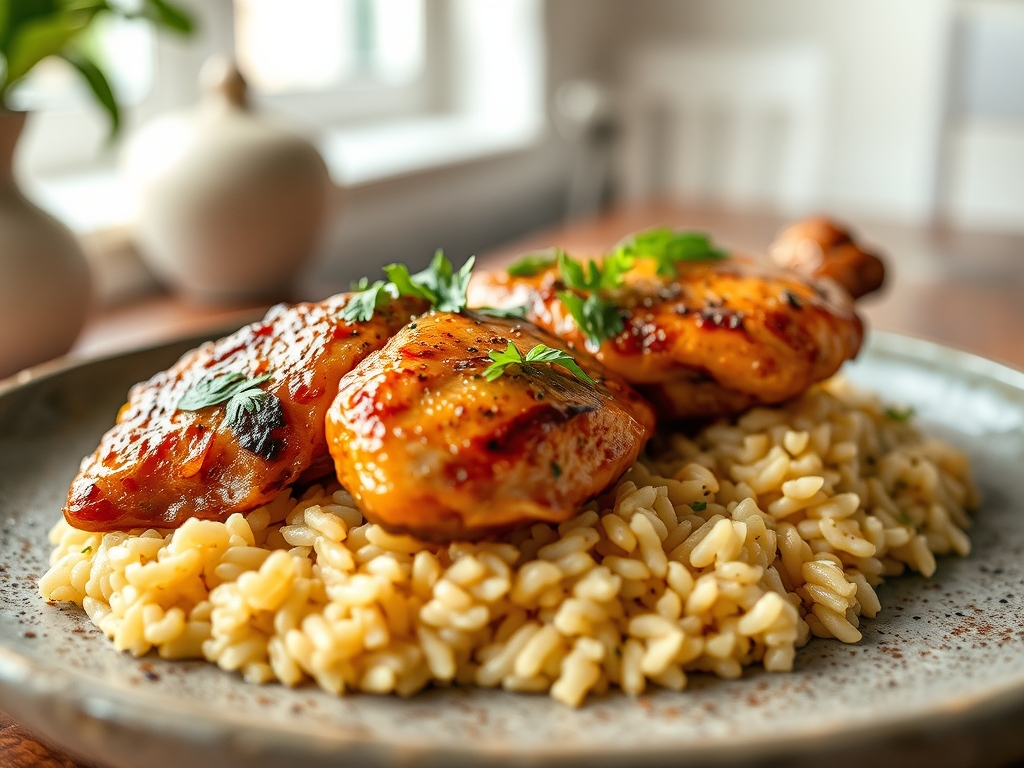
The smell of smoked paprika hitting a hot pan is the culinary equivalent of a warm hug from a Mediterranean grandmother. When you are craving comfort that actually packs a punch, nothing competes with authentic spanish chicken recipes with rice. This dish is not just a meal; it is a masterclass in layering flavors through careful moisture management and heat control.
Imagine succulent chicken thighs with skin so crisp it crackles, nestled into a bed of short-grain rice that has been stained sunset-orange by saffron and piquant pimenton. Every grain of rice acts like a tiny sponge, soaking up the viscous collagen rendered from the poultry and the aromatic essence of a perfect sofrito. We are going beyond the basic one-pot meal here. We are aiming for that elusive, caramelized crust at the bottom of the pan while keeping the meat tender enough to fall off the bone. Grab your favorite heavy-bottomed skillet and let us dive into the chemistry of the perfect Spanish dinner.
The Gathers:
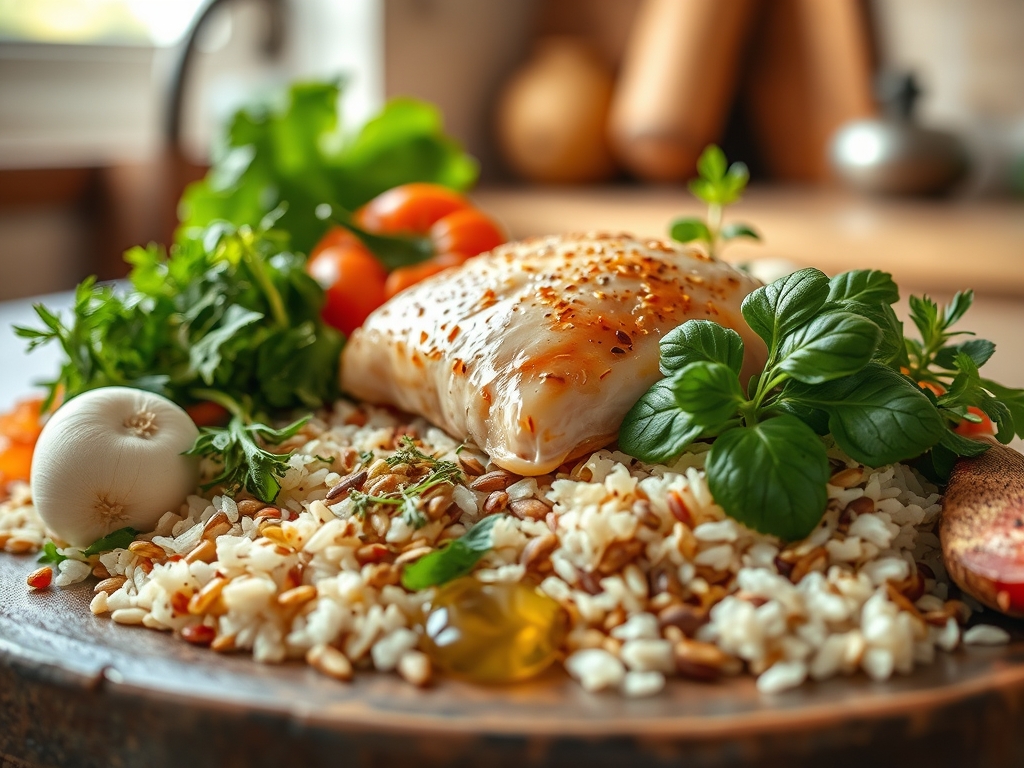
To achieve professional results, your mise-en-place must be precise. Start with bone-in, skin-on chicken thighs. The bone acts as an insulator, slowing down the cooking process to prevent the meat from drying out while the skin provides the essential fats needed to render and flavor the rice. You will need high-quality Calasparra or Bomba rice. These varieties are high in amylopectin, allowing them to absorb three times their volume in liquid without becoming a mushy mess.
Your aromatics are the "Holy Trinity" of Spain: red bell peppers, onions, and garlic. Use a microplane to grate your garlic into a fine paste; this increases the surface area and ensures the flavor infuses the oil without the risk of burnt, bitter bits. For the spice profile, reach for Pimenton de la Vera (smoked Spanish paprika) and real saffron threads. Avoid "yellow food coloring" packets. Saffron contains crocin and safranal, compounds that provide both that iconic golden hue and a complex, hay-like aroma.
Smart Substitutions: If you cannot find Bomba rice, Arborio is an acceptable backup, though you must be careful not to stir it too much to avoid releasing excess starch. For a lower-sodium profile, swap store-bought broth for a homemade stock reduced with a splash of dry white wine like Manzanilla sherry. If you are dodging nightshades, replace the paprika with a pinch of turmeric and a drop of liquid smoke to mimic that charred depth.
The Clock
Prep Time: 20 minutes. This includes dicing your vegetables with a sharp chef's knife and measuring your spices on a digital scale for consistency.
Cook Time: 45 minutes. The rice requires a steady, undisturbed simmer to hydrate properly.
Chef's Flow: Efficiency is key. While the chicken is browning in the skillet, use your bench scraper to clear your cutting board of vegetable scraps. By the time the chicken is resting, your sofrito should be simmering. This staggered approach ensures no ingredient sits out long enough to lose its vibrant enzymatic qualities.
The Masterclass
1. The Maillard Sear
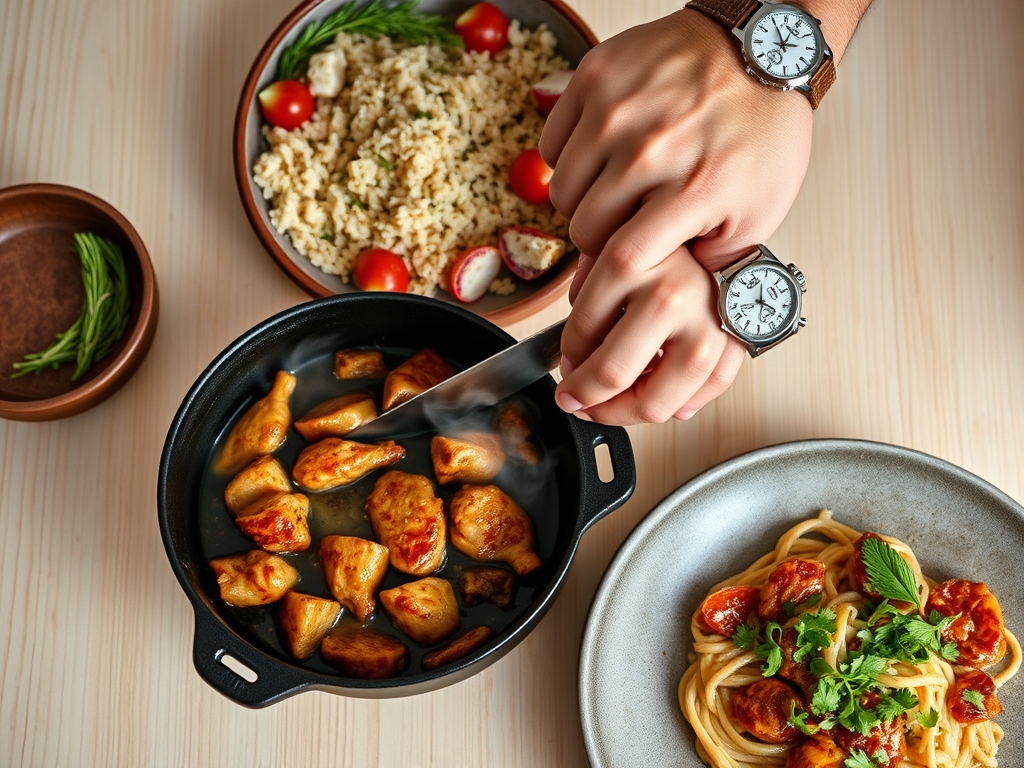
Pat the chicken thighs bone-dry with paper towels. Season aggressively with kosher salt. Heat olive oil in a wide, heavy-bottomed skillet until it shimmers. Place the chicken skin-side down and do not move it for at least 6 to 8 minutes. Use tongs to check for a deep, mahogany crust.
Pro Tip: This is the Maillard Reaction in action. By removing surface moisture, you allow the proteins and sugars to rearrange, creating hundreds of new flavor compounds that are far more complex than raw meat.
2. The Sofrito Foundation
Remove the chicken and set it aside. In the same fat, add your diced onions and peppers. Sauté until the onions are translucent and the peppers have softened. Add the garlic paste and paprika at the very end, stirring for only 30 seconds to avoid scorching the delicate spices.
Pro Tip: This stage is about lipid-soluble flavor extraction. The essential oils in the paprika and garlic are fat-soluble, meaning they need to be toasted in oil to fully release their aromatic potential into the dish.
3. Toasting the Grains
Add the dry rice directly to the vegetables and fat. Stir constantly for 2 minutes until the edges of the rice grains become translucent while the center remains opaque.
Pro Tip: Toasting the rice creates a protective nutty shell. This prevents the grains from bursting and releasing too much starch, which is the secret to getting "fluffy" rather than "sticky" spanish chicken recipes with rice.
4. The Deglaze and Simmer
Pour in your warm chicken stock and saffron. Use a wooden spoon to deglaze the bottom of the pan, scraping up all those browned bits (the fond). Nestle the chicken back into the rice, skin-side up. Cover and simmer on low heat for 20 to 25 minutes.
Pro Tip: Ensure your stock is warm before adding it. Adding cold liquid to a hot pan causes a "thermal shock" that can toughen the chicken fibers and result in unevenly cooked rice grains.
5. The Final Rest
Once the liquid is absorbed, turn off the heat. Keep the lid on and let the pan sit for 10 minutes before serving. Use a fork to gently aerate the rice around the chicken.
Pro Tip: This stage utilizes thermal carryover. The residual steam redistributes moisture within the rice grains, ensuring the top layer is just as tender as the bottom while the chicken reaches a safe internal temperature.
The Deep Dive
Macro Nutrition: A standard serving provides approximately 450 calories, 32g of protein, 45g of carbohydrates, and 18g of healthy fats from the olive oil and poultry. It is a balanced, high-energy meal perfect for active lifestyles.
Dietary Swaps: For a Vegan version, swap chicken for king oyster mushroom "scallops" and use a rich vegetable bouillon. For Keto, replace the rice with cauliflower pearls, but reduce the liquid by 75 percent as cauliflower does not absorb moisture like grain. This recipe is naturally Gluten-Free, provided your chicken stock is certified.
The Fix-It:
- Crunchy Rice: If the liquid is gone but the rice is hard, add 1/4 cup of hot water, cover tightly, and simmer for 5 more minutes.
- Soggy Texture: You likely used too much liquid or stirred the rice. Next time, use a 1:2 ratio of rice to water and leave the spoon alone.
- Burnt Bottom: If you smell burning, immediately place the bottom of the hot pan in a sink of cold water for 10 seconds to stop the cooking, then scoop out the top layers, leaving the scorched bits behind.
Meal Prep: To maintain "day-one" quality, reheat in a saucier with a tablespoon of water or broth. This creates a mini-steam chamber that rehydrates the rice starch without making the chicken rubbery in a microwave.
The Wrap-Up
Mastering spanish chicken recipes with rice is a rite of passage for any home cook looking to elevate their weeknight rotation. It is a dish that rewards patience and technical precision; from the initial sear to the final rest. Once you understand the relationship between the starch in the rice and the fat in the chicken, you can customize this base with anything from chorizo to artichoke hearts. Now, get into that kitchen and start rendering!
The Kitchen Table
Which rice is best for Spanish chicken and rice?
Bomba or Calasparra rice is ideal because they absorb significant liquid without becoming creamy. If unavailable, use Arborio but do not stir it. Avoid long-grain jasmine rice, as it lacks the necessary starch structure for this specific texture.
How do I get crispy skin on the chicken?
The secret is starting with very dry skin and a hot pan. Sear the chicken skin-side down first and do not submerge the skin in liquid during the simmering phase. This allows the skin to remain exposed to dry heat.
Can I use chicken breasts instead of thighs?
You can, but breasts lack the fat and connective tissue of thighs. They are prone to overcooking. If using breasts, add them back to the pan halfway through the rice simmering time to ensure they stay juicy and tender.
Why is my rice sticking to the bottom?
A little sticking is actually desirable; in Spain, this caramelized crust is called "socarrat." However, if it is black and bitter, your heat was too high. Use a heavy-bottomed skillet to distribute heat more evenly across the surface.