
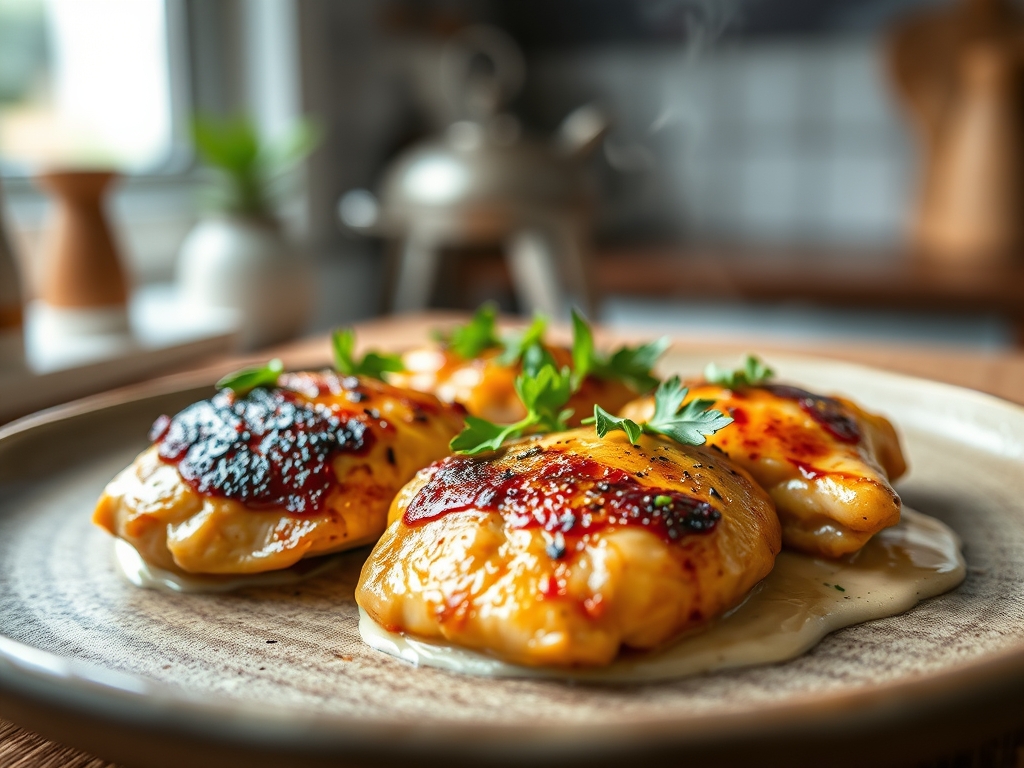
Imagine the sound of a heavy bottomed skillet meeting the flame; it is the opening note of a culinary symphony designed specifically for your health. When you are hunting for chicken recipes for diabetic needs, you are not just looking for fuel; you are looking for a way to marry blood sugar stability with the high definition flavors of a professional kitchen. We are moving past the era of bland, boiled poultry and stepping into a world where we use thermal dynamics and aromatic infusions to create masterpieces. This guide transforms lean protein into a medium for culinary art. We will utilize the Maillard reaction to build deep, savory crusts without the need for sugary glazes or heavy starches. By the time we are finished, you will have nine distinct flavor profiles that keep your glucose levels steady while satisfying your most intense cravings for gourmet comfort food. Let us get the station ready and turn your kitchen into a laboratory of delicious wellness.
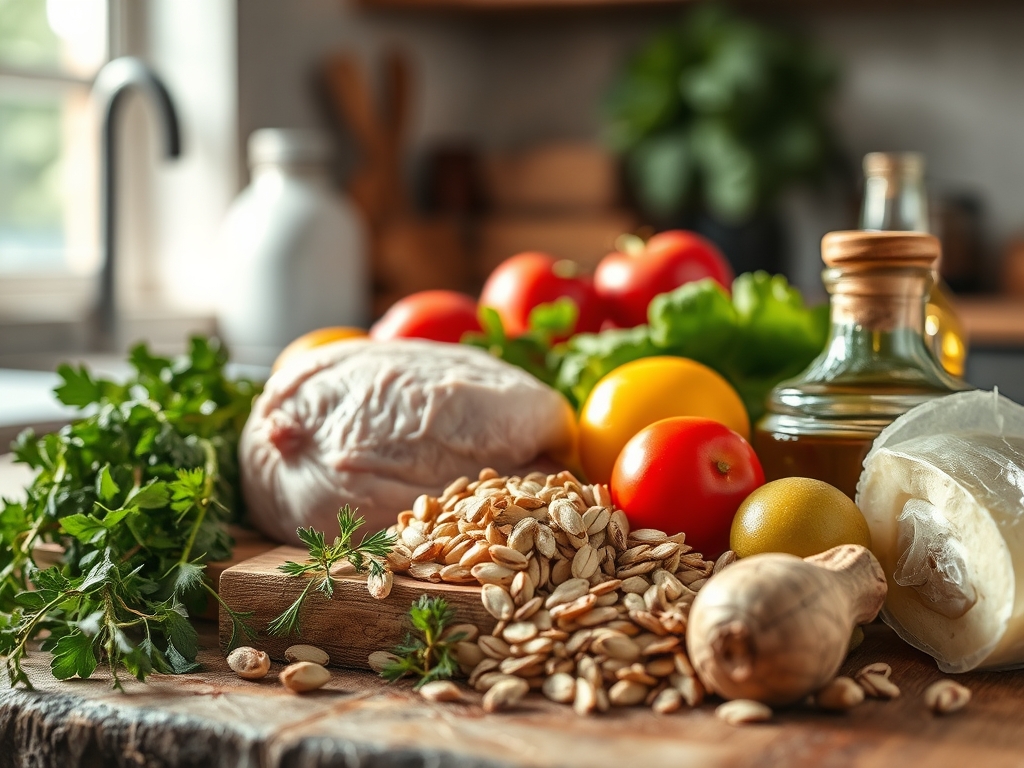
The Gathers:
To execute these chicken recipes for diabetic standards, your mise en place must be precise. Start with five pounds of organic chicken breasts and thighs; the variety in fat content allows for different moisture levels across your nine meals. You will need a high quality digital scale to ensure consistent four ounce portions, which is the sweet spot for glycemic control. Gather your aromatics: fresh cloves of garlic, thumb sized pieces of ginger, and bunches of fibrous greens like lacinato kale or bok choy.
The science of flavor here relies on volatile organic compounds found in fresh herbs. Grab your microplane to zest lemons and limes; the citrus oils provide a piquant brightness that mimics the satisfaction of salt without the cardiovascular strain. For your "Smart Substitutions," swap traditional cornstarch for arrowroot powder or xanthan gum to achieve a viscous sauce texture without the carbohydrate spike. Instead of honey or brown sugar, we utilize the natural sweetness of roasted red peppers or a splash of apple cider vinegar to trigger the palate. Ensure your pantry is stocked with high smoke point fats like avocado oil, which allows for high heat searing without the oil breaking down into acrid compounds.
The Clock
Efficiency in the kitchen is about "Chef's Flow," a state where your movements are minimized and your output is maximized. For these nine meals, set aside a ninety minute block. The first twenty minutes are dedicated to the "Cold Prep" phase. Use a sharp chef's knife and a bench scraper to dice all your aromatics and vegetables at once. Organizing your ingredients into small glass bowls allows you to move through the cooking phase without stopping to chop, which prevents your pans from overheating and scorching your delicate garlic.
The "Active Cook" phase takes approximately forty five minutes. By using two large pans simultaneously, you can sear your proteins in batches. While the chicken rests, you will deglaze the pans to create pan sauces, capturing the fond (those caramelized bits stuck to the bottom) which contains the highest concentration of flavor. The final fifteen minutes are for the "Assembly and Cool Down." Portioning your meals into airtight glass containers while they are still slightly warm creates a natural vacuum seal, though you must let the steam escape for three minutes to prevent the vegetables from becoming mushy through carryover cooking.
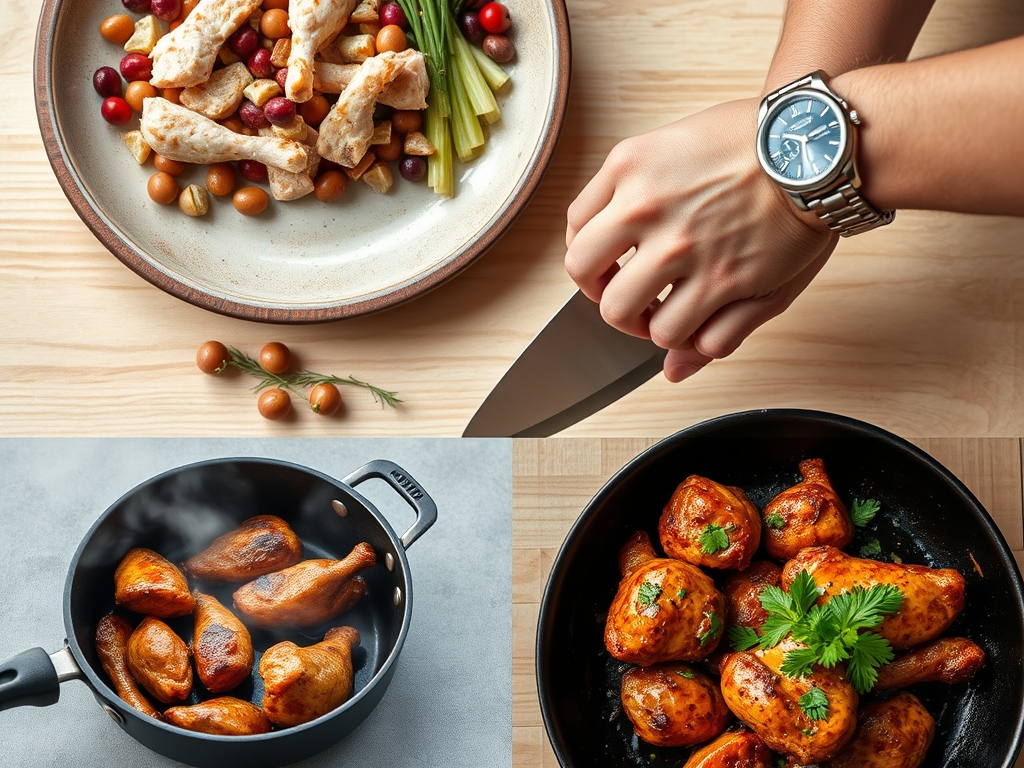
The Masterclass
1. The Perfect Sear
Place your heavy bottomed skillet over medium high heat until a drop of water flicked onto the surface dances and evaporates instantly. Pat the chicken dry with paper towels; moisture is the enemy of the Maillard reaction. Lay the chicken away from you to avoid oil splatter.
Pro Tip: This process, known as thermal searing, creates a complex layer of toasted sugars and amino acids. If the meat resists when you try to flip it with your tongs, the crust has not fully formed yet. Wait for it to release naturally.
2. Deglazing the Essence
Once the chicken is removed, the pan will be covered in golden brown bits. Pour in half a cup of chicken bone broth or a splash of dry white wine. Use a wooden spoon to scrape the bottom of the pan vigorously.
Pro Tip: Deglazing captures the concentrated umami trapped in the pan. This technique adds depth to chicken recipes for diabetic diets without adding fats or sugars, utilizing the acidity to balance the savory notes.
3. Emulsifying the Sauce
Lower the heat and whisk in a teaspoon of Dijon mustard or a tablespoon of Greek yogurt. Stir constantly in a circular motion to integrate the fats and liquids into a smooth, glossy coating.
Pro Tip: This is the science of emulsification. By adding a stabilizer like mustard, you prevent the sauce from breaking, ensuring a luxurious mouthfeel that coats the chicken perfectly without the need for flour based thickeners.
4. Flash Steaming Greens
In the final two minutes of cooking, toss your fibrous vegetables directly into the pan sauce and cover with a lid. The residual steam will soften the cellulose without destroying the heat sensitive vitamins.
Pro Tip: This method uses latent heat to cook the vegetables. It preserves the vibrant chlorophyll and ensures the greens retain a "snap," which provides necessary fiber to slow down glucose absorption.
The Deep Dive
When we analyze the macro nutrition of these chicken recipes for diabetic needs, we are looking at a profile of approximately 35 grams of protein, 8 grams of healthy fats, and 12 grams of complex carbohydrates per serving. This ratio is designed to prevent insulin spikes. For those with additional dietary requirements, these meals are incredibly flexible. To go Vegan, substitute the chicken with extra firm pressed tofu or tempeh, which can be seared using the exact same Maillard principles. For Keto enthusiasts, simply double the healthy fats by adding avocado or a drizzle of extra virgin olive oil after the cooking process is complete.
"The Fix-It" section addresses common technical pitfalls. If your chicken is dry, you likely overshot the internal temperature; always pull the meat at 160 degrees Fahrenheit and let carryover cooking bring it to the safe 165 degree mark. If your sauce is too thin, do not add flour; instead, let it simmer and reduce, which concentrates the flavor through evaporation. If the dish tastes "flat," it usually lacks acidity rather than salt. A quick squeeze of fresh lime or a teaspoon of capers will brighten the entire flavor profile instantly.
For meal prep success, the reheating science is vital. To maintain "day-one" quality, avoid the microwave if possible. Instead, use a small saucier over low heat with a tablespoon of broth. This rehydrates the protein fibers and prevents the "warmed over flavor" caused by lipid oxidation. If you must use a microwave, cover the dish with a damp paper towel to create a localized steam chamber.
The Wrap-Up
Mastering chicken recipes for diabetic health is about reclaiming the joy of the kitchen. You are now equipped with the technical knowledge to turn a simple bird into a week of vibrant, life affirming meals. By focusing on the chemistry of the sear, the precision of the cut, and the balance of the sauce, you have moved beyond "dieting" and into the realm of elite culinary wellness. Your body will thank you for the stable energy, and your palate will thank you for the sophisticated flavors. Now, grab those tongs and let the transformation begin.
The Kitchen Table
Can I use chicken thighs for diabetic recipes?
Yes. Chicken thighs contain more myoglobin and fat, which provides moisture. While slightly higher in calories, the fat helps slow the absorption of glucose. Just ensure you trim excess skin to keep saturated fats within your daily recommended limits.
How do I prevent chicken from getting tough when reheating?
Avoid high heat. Reheat your chicken recipes for diabetic meals using a splash of water or broth in a covered pan over low heat. This creates steam that penetrates the protein fibers, restoring moisture without overcooking the exterior.
What is the best way to add flavor without salt?
Use "acid and aromatics." Ingredients like lemon zest, rice vinegar, fresh ginger, and cracked black pepper stimulate the same neural pathways as salt. High heat roasting also develops natural umami, reducing the need for sodium based seasonings.
Why is the Maillard reaction important for health?
The Maillard reaction creates deep, savory flavors through browning. For diabetics, this means you can achieve satisfying, "craveable" tastes using only heat and protein, eliminating the need for sugary marinades, honey glazes, or processed thickeners in your cooking.