
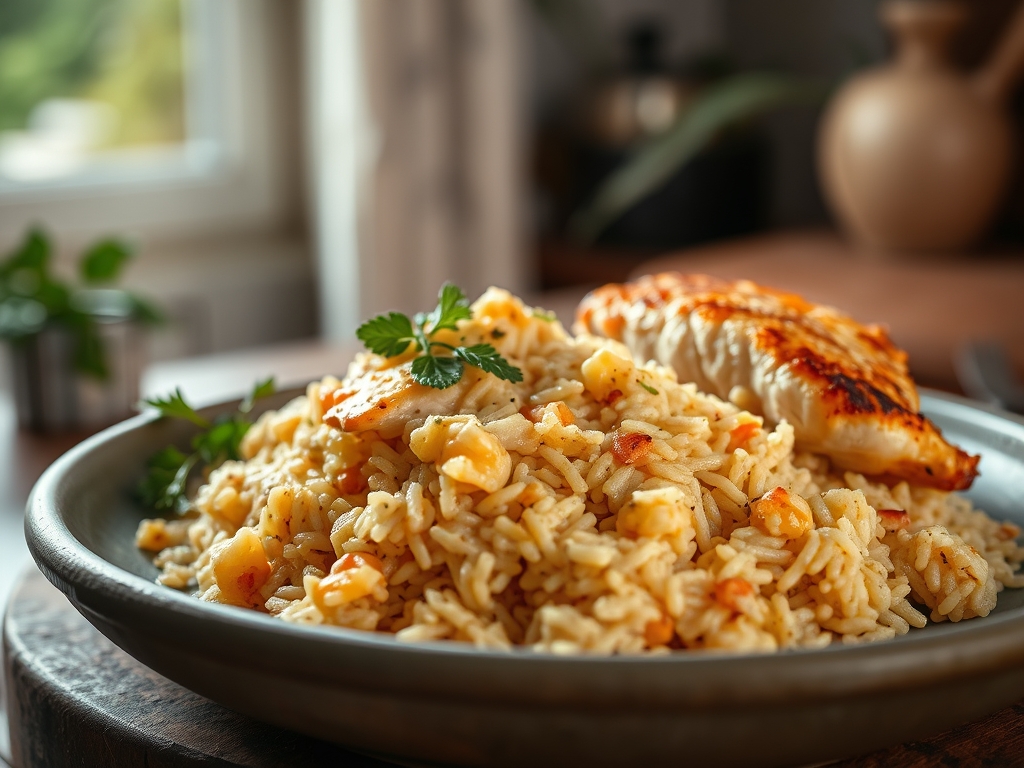
Picture this: a rain-streaked window, your favorite oversized sweater, and a heavy-bottomed skillet radiating a warmth that smells like home. There is a primal comfort in the alchemy of starch and protein. When you master creamy rice and chicken recipes, you are not just cooking; you are engineering the ultimate culinary hug. It is a symphony of textures where succulent poultry meets a velvet-smooth grain. We are moving beyond the bland casseroles of the past and stepping into a world of high-impact flavor and sophisticated techniques that make every bite feel like a decadent indulgence.
The secret to a truly transformative dish lies in the balance of moisture and fat. We are going to explore how to achieve that elusive, glossy sheen without relying on heavy canned soups. By understanding the relationship between the amylopectin in the rice and the lipids in your choice of dairy, you can create a sauce that is both light and incredibly rich. Whether you are a seasoned home cook or a weeknight warrior, these recipes are designed to be your new go-to repertoire for soulful, impressive meals that require surprisingly little effort.
The Gathers:
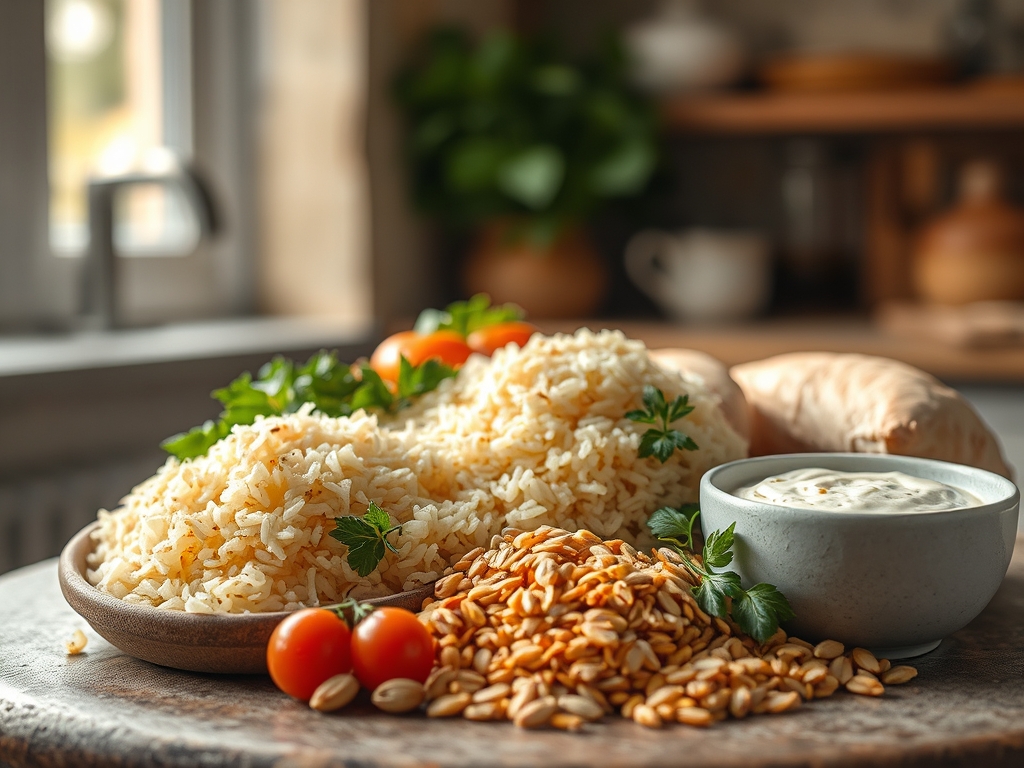
To begin our journey into creamy rice and chicken recipes, we must respect the mise-en-place. Your workstation should be a shrine to texture and aromatics. Start with high-quality chicken thighs; they contain more connective tissue than breasts, which will render into gelatin and provide a superior mouthfeel. For the rice, a medium-grain variety like Arborio or a high-quality Jasmine is essential. These grains possess the specific starch profile needed to create a viscous sauce through agitation.
Your pantry staples are the supporting cast. You will need a high-smoke-point fat, such as avocado oil or clarified butter, to achieve a perfect sear. Aromatics are non-negotiable: think minced shallots for a delicate sweetness and garlic cloves that you have smashed with a bench scraper to release their essential oils. For the creamy element, heavy cream or full-fat coconut milk provides the necessary lipids. Finally, have a sharp acid on hand, like a fresh lemon or a splash of dry white wine, to deglaze the pan and cut through the richness.
Smart Substitutions:
If you are looking to lighten the load, swap the heavy cream for a puree of roasted cauliflower or a dollop of Greek yogurt added at the very end. For a floral twist, replace the standard chicken stock with a mushroom dashi. If you find yourself out of shallots, the white parts of green onions provide a similar piquant bite without overpowering the delicate chicken.
The Clock
Efficiency in the kitchen is all about the Chef's Flow. This is the art of overlapping tasks so that no second is wasted. Total active prep time for these recipes usually clocks in at 15 minutes, with a total cook time of 25 to 30 minutes. While your chicken is searing in the heavy-bottomed skillet, use that time to finely grate your Parmesan with a microplane.
The flow dictates that you should never be standing still. While the rice simmers and absorbs the flavorful broth, you can clean your workstation or prepare a quick side salad. The goal is to reach the finish line with a clean counter and a steaming pan of perfection. Remember, rice requires a resting period; five minutes of off-heat sitting time allows the moisture to redistribute evenly through the grains, ensuring a consistent texture throughout the dish.
The Masterclass
1. The Maillard Sear
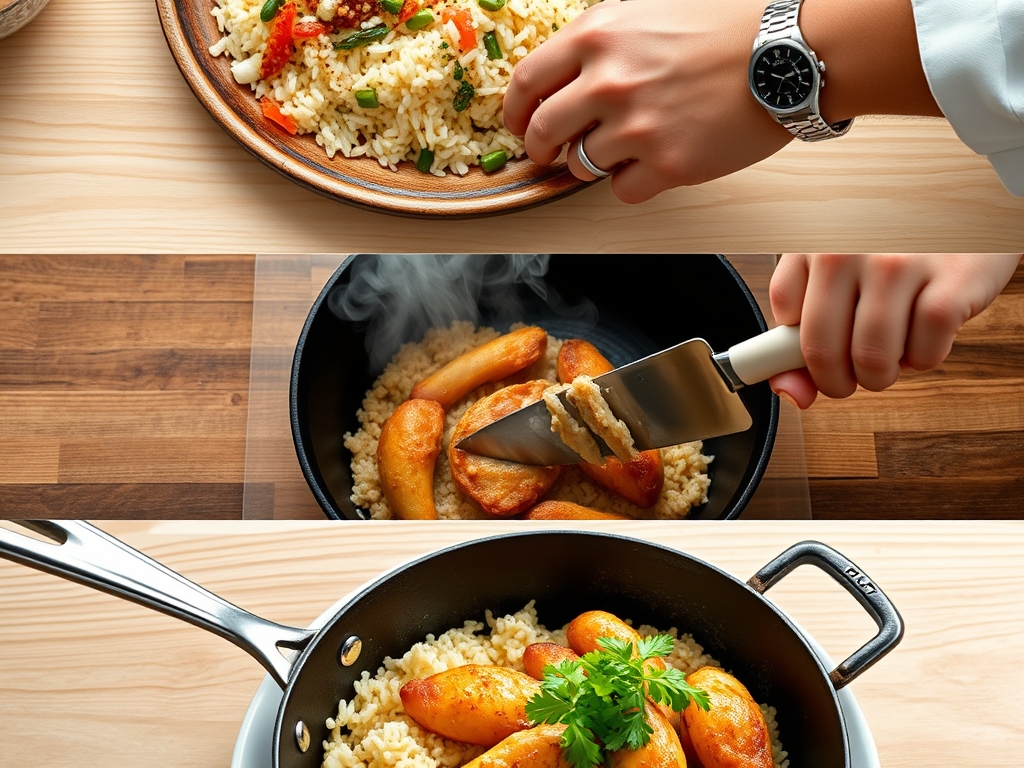
Begin by patting your chicken bone-dry with paper towels. Season aggressively with kosher salt. Heat your skillet until the oil shimmers, then place the chicken skin-side down. Use tongs to press the meat firmly against the hot surface.
Pro Tip: This creates enzymatic browning, also known as the Maillard reaction. This chemical transformation creates hundreds of different flavor compounds that cannot be replicated by boiling or steaming.
2. Sauté and Deglaze
Remove the chicken and discard all but a tablespoon of the rendered fat. Toss in your aromatics and cook until translucent. Pour in your wine or stock, using a wooden spoon to scrape up the brown bits (the fond) stuck to the bottom of the pan.
Pro Tip: Deglazing captures the concentrated protein particles left behind after searing, infusing your rice with a deep, savory complexity that spans the entire flavor profile.
3. Toasting the Grains
Add your dry rice directly to the pan with the aromatics. Stir constantly for two minutes until the edges of the rice become translucent while the center remains opaque.
Pro Tip: Toasting the rice grains creates a protective nutty shell. This prevents the rice from becoming mushy and ensures each grain remains distinct within the creamy sauce.
4. The Liquid Integration
Slowly incorporate your warm stock one ladle at a time, or all at once if using a one-pot method. Return the chicken to the pan, nestled into the rice. Cover with a tight-fitting lid to trap the steam.
Pro Tip: Maintaining a consistent temperature prevents the rice starches from breaking down too quickly. This controlled emulsification results in a velvety texture rather than a sticky one.
5. The Final Fold
Once the rice is tender, remove from heat. Stir in your cream, butter, or cheese. Use a saucier or a wide spoon to gently aerate the mixture as you fold in the dairy.
Pro Tip: This is the stage of thermal carryover. The residual heat will melt the cheese and thicken the sauce without curdling the proteins in the dairy, keeping the finish glossy and smooth.
The Deep Dive
When we look at the macro nutrition of creamy rice and chicken recipes, we see a balanced profile of complex carbohydrates and high-quality protein. A standard serving provides approximately 35 grams of protein and 45 grams of carbohydrates. To optimize this for different lifestyles, consider these swaps: for a Vegan version, use chickpeas and cashew cream; for Keto, swap the rice for riced cabbage or konjac grains; for GF, simply ensure your chicken stock is certified gluten-free.
The Fix-It:
If your rice is too crunchy, add a quarter cup of hot liquid and cover for five more minutes. If it is too salty, a squeeze of lemon juice or a teaspoon of honey can balance the sodium levels. If the sauce has broken (separated), whisk in a tablespoon of warm heavy cream or a splash of starchy pasta water to re-emulsify the fats.
For meal prep enthusiasts, reheating is a science. Rice tends to dehydrate in the fridge. To achieve "day-one" quality, add a splash of water or milk before microwaving, and cover the dish with a damp paper towel. This creates a mini-steam chamber that re-hydrates the grains and restores the viscous nature of the sauce.
The Wrap-Up
Mastering creamy rice and chicken recipes is like unlocking a superpower in the kitchen. It is the perfect blend of technical precision and soulful intuition. By focusing on the sear, the toast, and the final fold, you elevate a simple meal into a gourmet experience. Now, grab your saucier, find your favorite playlist, and go create something absolutely delicious. Your kitchen is your laboratory, and the results are going to be spectacular!
The Kitchen Table
Why is my chicken dry in creamy rice?
Chicken often dries out due to overcooking. Use a digital scale to ensure uniform pieces and pull the chicken at 160F. Thermal carryover will bring it to the safe 165F while keeping the fibers succulent and tender.
Can I use brown rice for these recipes?
Yes, but you must increase the liquid ratio and cook time. Brown rice retains its bran layer, which requires more hydration and longer heat exposure to soften. Expect a nuttier flavor and a slightly less viscous sauce.
How do I prevent the rice from sticking?
Ensure you use a heavy-bottomed skillet for even heat distribution. Toasting the grains in fat before adding liquid creates a barrier that prevents excessive starch release, which is the primary cause of sticking and scorching on the bottom.
What is the best way to add cheese?
Always grate your cheese fresh with a microplane. Pre-shredded cheeses are coated in potato starch to prevent clumping, which can make your creamy sauce feel gritty. Fold it in off the heat for the smoothest possible emulsification.