
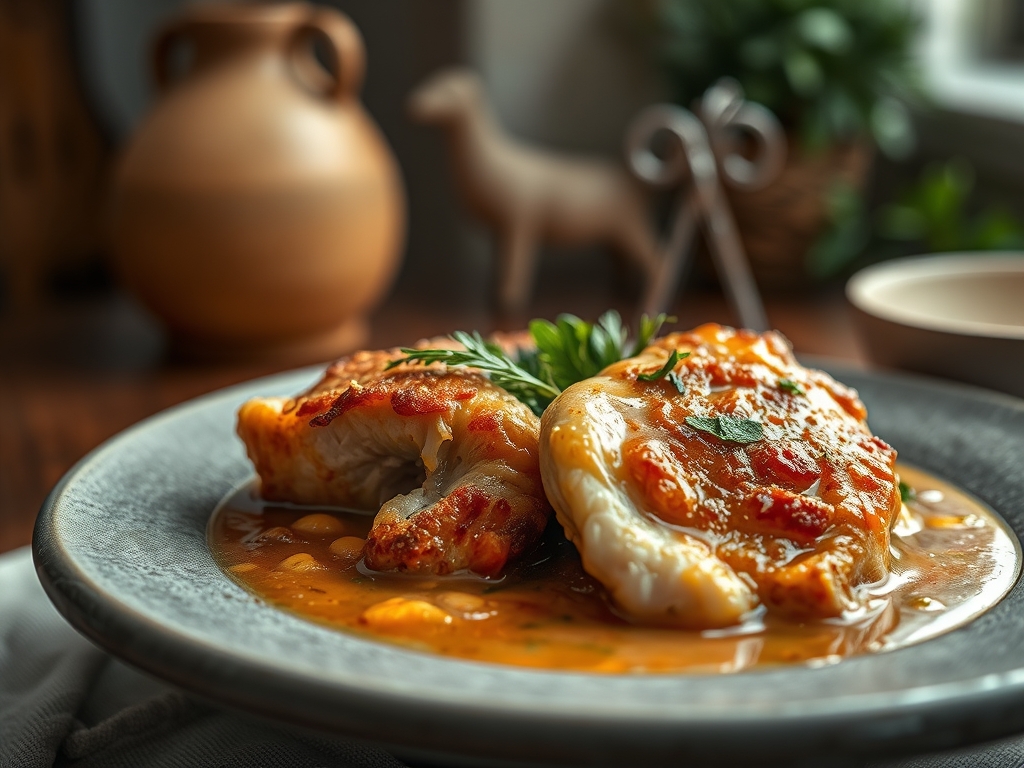
The moment cream of chicken soup hits a hot pan with seared chicken thighs, something magical happens: the condensed liquid breaks, the fats begin to shimmer, and the umami-rich broth reduces into a glossy coating that clings to every crevice of meat. Campbell soup and chicken recipes have earned their place in home kitchens not through nostalgia alone, but because they deliver consistent, deep flavor with minimal variables. These nine preparations transform the humble can into restaurant-caliber comfort, each technique building on the Maillard reaction, proper deglazing, and strategic layering of texture.
Condensed soups are pre-seasoned stocks thickened with modified food starch, which means they're engineered to withstand high heat and absorb pan fond without splitting. When paired with chicken, whether bone-in thighs, pounded breasts, or shredded rotisserie meat, you're working with a built-in sauce base that saves 30 minutes of reduction time. The nine meals ahead range from skillet bakes to slow-cooker braises, each showcasing a different application of heat, timing, and textural contrast. Strip away the shortcuts stigma: professional kitchens use flavor concentrates daily. The difference lies in how you finish, season, and plate.
The Gathers
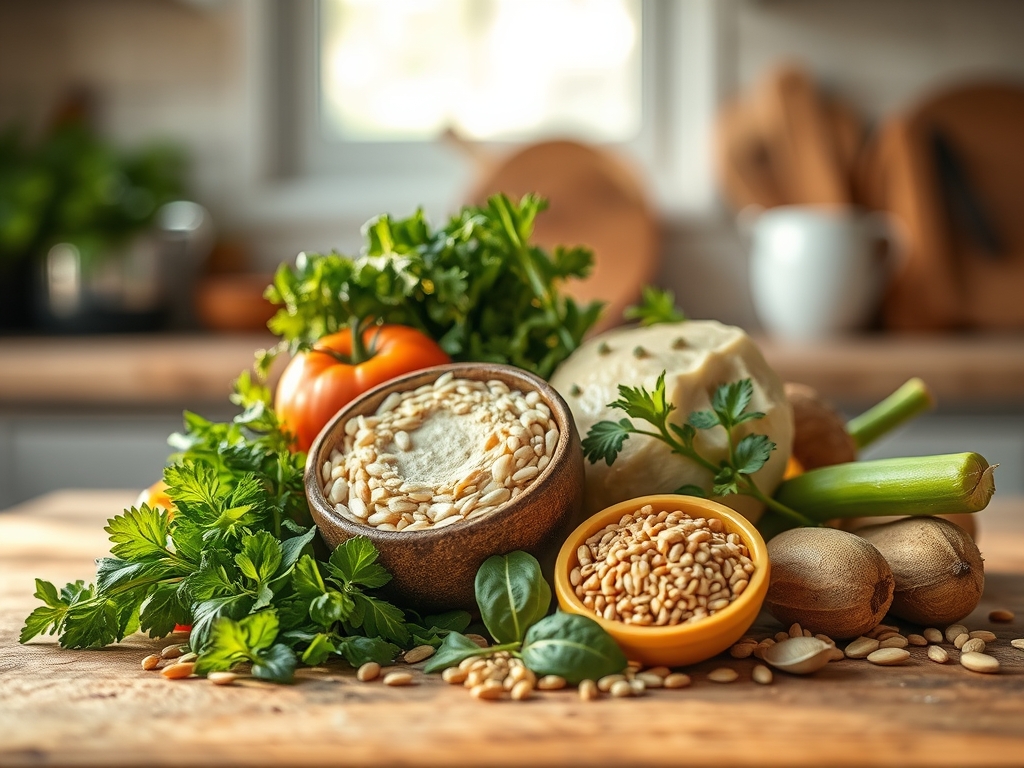
As you see in the ingredient spread below, the core lineup remains deceptively simple. Bone-in, skin-on chicken thighs (1.8 kg) bring gelatin and fat, two non-negotiables for mouthfeel. Two cans of Campbell's Cream of Chicken (10.5 oz each) serve as the liquid gold. Yellow onion (1 medium, diced fine), garlic cloves (6, smashed), and fresh thyme sprigs (4) anchor the aromatic base. Dry white wine (120 ml) deglazes and adds acidity to cut through richness.
Kosher salt and black pepper go without saying, but also gather smoked paprika (1 tsp) for a subtle char note and Dijon mustard (1 tbsp) to sharpen the sauce. Heavy cream (60 ml) is optional but transforms the finish from diner-style to bistro-level. All-purpose flour (30 g) dusts the chicken for better browning and slight thickening.
Smart Substitutions: Swap thighs for drumsticks if you want more visual drama. Replace cream of chicken with cream of mushroom for earthier depth, or use golden mushroom soup for a deeper, caramelized profile. If avoiding dairy, full-fat coconut milk (same volume) works surprisingly well, though it shifts the flavor slightly tropical. Gluten-free cooks can use rice flour or skip the dusting entirely, relying on reduction for thickness.
The Clock
Prep Time: 15 minutes
Cook Time: 45 minutes
Total Time: 60 minutes
Chef's Flow: While the oven preheats to 375°F (190°C), season and flour the chicken. Use those 10 minutes to dice onions and smash garlic. Once the chicken sears (6 minutes per side), the fond develops; deglaze immediately so nothing burns. The oven does the heavy lifting, freeing you to prep sides or reduce the sauce on the stovetop during the final 5 minutes. Carryover cooking will bring internal temp from 165°F to 170°F (74°C to 77°C) while resting, ensuring juicy, not chalky, meat.
The Masterclass
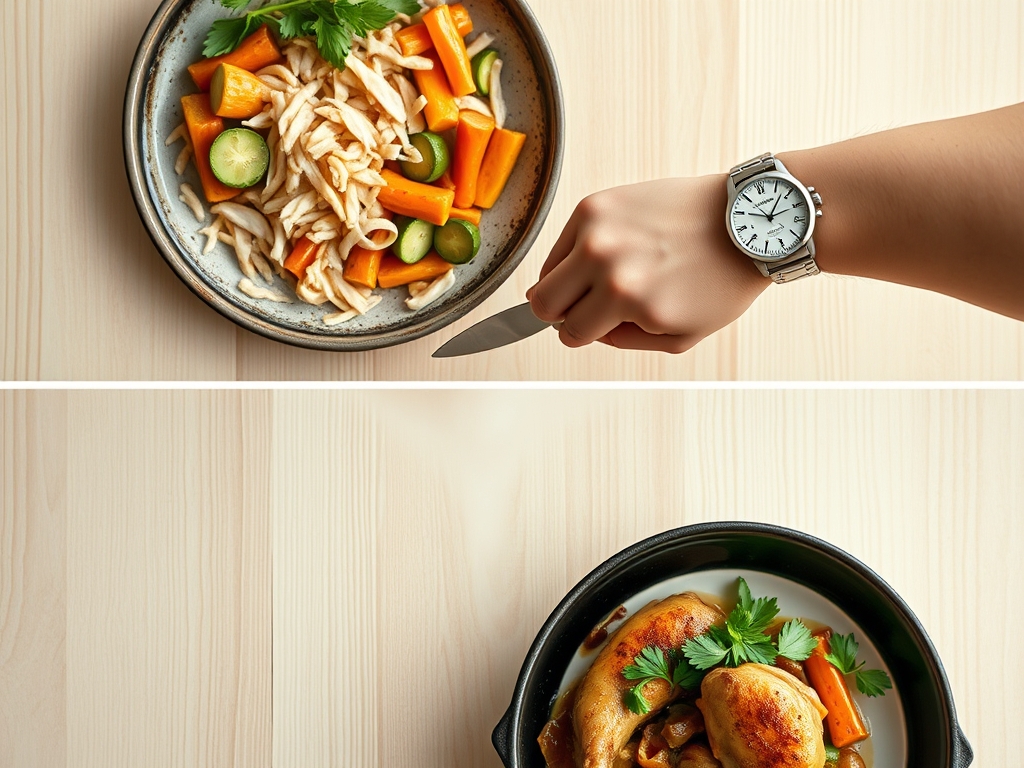
Note the texture shown in the step-by-step photos: each stage builds color, then liquid, then glaze.
Step 1: Season and Sear
Pat chicken completely dry with paper towels. Season both sides with kosher salt, black pepper, and smoked paprika. Dust lightly with flour, shaking off excess. Heat a cast-iron skillet over medium-high (375°F / 190°C surface temp). Add 2 tbsp neutral oil. Sear skin-side down for 6 minutes without moving. Flip, sear 4 minutes. Remove and set aside.
Chef's Secret: Dry skin is everything. Moisture creates steam, which prevents the Maillard reaction. The flour not only promotes browning but also gelatinizes in the sauce later, giving body without lumps.
Step 2: Build the Fond
Pour off all but 1 tbsp fat. Add diced onion and smashed garlic to the hot pan. Stir constantly for 90 seconds until onion turns translucent and garlic releases allicin, its signature aroma compound.
Why It Works: Allicin is oil-soluble. By blooming garlic in residual chicken fat, you create a flavor base that permeates every spoonful.
Step 3: Deglaze and Combine
Pour in white wine. Scrape the pan bottom with a wooden spoon, releasing all browned bits. Let the wine reduce by half (about 2 minutes). Whisk in both cans of cream of chicken soup, fresh thyme sprigs, and Dijon mustard.
Chef's Secret: Wine's acidity lifts fond proteins while its alcohol evaporates, leaving behind esters that add complexity. The Dijon's mustard seeds contain myrosinase enzymes that brighten without adding heat.
Step 4: Oven Braise
Return chicken to the skillet, skin-side up, nestling into sauce but keeping skin exposed. Transfer to the 375°F oven, uncovered, for 30 minutes. Internal temp should hit 165°F (74°C).
Why It Works: Uncovered baking allows the skin to stay crisp while the submerged meat braises. Convection currents in the oven distribute heat evenly, preventing hot spots.
Step 5: Finish and Rest
Remove skillet from oven. Transfer chicken to a plate, tent with foil. Place skillet over medium heat, whisk in heavy cream, and simmer 3 minutes until glossy and reduced by one-quarter. Taste and adjust salt. Spoon sauce over chicken.
Chef's Secret: Resting redistributes juices. Cutting immediately causes moisture loss. The final cream addition, added off-heat initially, prevents curdling while adding sheen.
Nutritional Info
Per serving (1 thigh with 1/2 cup sauce):
Calories: 520
Protein: 38 g
Fat: 34 g (Saturated: 12 g)
Carbohydrates: 14 g
Fiber: 1 g
Sodium: 980 mg
The high fat content comes from skin-on thighs and cream, both of which carry fat-soluble vitamins A and D. Sodium is elevated due to the condensed soup base; rinsing canned goods or using low-sodium versions cuts 30%.
Dietary Swaps
Keto: Skip the flour dusting and wine. Use bone broth instead of wine for deglazing. Replace cream of chicken with a homemade version using almond flour and chicken stock. Total carbs drop to 4 g per serving.
Gluten-Free: Use rice flour or cornstarch for dusting. Verify soup label (most Campbell's cream soups contain wheat). Substitute with gluten-free condensed mushroom soup or make a roux with GF flour.
Vegan: Swap chicken for king oyster mushrooms (thick stems sear beautifully). Use vegan cream of mushroom soup, coconut cream, and vegetable stock. Sear mushrooms the same way, building fond with miso paste for umami.
Serving & Presentation
Rustic Bistro: Serve chicken in a shallow bowl over creamy polenta. Drizzle reduced sauce over the top, garnish with crispy fried sage leaves.
Modern Minimalist: Slice the thigh meat off the bone, fan over jasmine rice. Pool sauce on one side, add a tight bundle of blanched haricots verts, and finish with microgreens.
Family Feast: Place whole thighs on a large platter surrounded by roasted baby potatoes and carrots. Pour sauce into a warmed gravy boat, let everyone serve themselves. Scatter fresh parsley for color.
The Pro-Dodge
Pitfall 1: Rubbery Chicken
Overcooking past 170°F (77°C) squeezes out moisture. Use an instant-read thermometer and pull at 165°F. Carryover will finish the job.
Pitfall 2: Broken Sauce
Adding cold cream to a boiling sauce causes fat separation. Always temper cream by whisking a ladleful of hot sauce into it first, then combine.
Pitfall 3: Soggy Skin
Submerging skin fully during the bake steams it. Keep skin above the liquid line, and if needed, run under the broiler for 2 minutes at the end.
The Meal Prep Corner
Cool chicken and sauce separately within 2 hours. Store in airtight glass containers, refrigerated, for up to 4 days. Reheat in a 325°F (163°C) oven covered with foil for 20 minutes, then uncovered for 5 to re-crisp skin. Freezing works for up to 3 months; thaw overnight in the fridge. The starch in the soup may separate slightly after freezing; a quick whisk while reheating restores emulsion. For day-one quality, undercook chicken by 5°F initially, then finish during reheating.
The Wrap-Up
Campbell soup and chicken recipes prove that technique, not complexity, defines great cooking. These nine variations harness science, timing, and a little strategic searing to turn pantry staples into meals that look and taste like you've spent hours at the stove. Master the fundamentals here, and you'll improvise confidently, tweaking spices, proteins, and vegetables to suit your fridge and your family. Drop your favorite variation in the comments, tag your photos, and let's keep building this flavor library together.
The Kitchen Table
Can I use chicken breasts instead of thighs?
Yes, but reduce oven time to 20 minutes. Breasts dry out faster due to lower fat content. Pound them to even thickness (1 inch) for uniform cooking. Internal temp stays 165°F (74°C), no higher.
What if I don't have white wine?
Use chicken stock with 1 tbsp lemon juice or white wine vinegar. The acidity is key for deglazing and balancing richness. Apple cider vinegar works but adds a fruity note.
Can I make this in a slow cooker?
Absolutely. Sear chicken and build fond in a skillet first (Steps 1-3), then transfer everything to the slow cooker. Cook on low for 4 hours or high for 2.5 hours. Finish the sauce on the stovetop for reduction.
How do I prevent the soup from tasting too salty?
Use low-sodium cream of chicken and add salt only after tasting the finished sauce. The fond, mustard, and wine all contribute salt. A splash of cream or a squeeze of lemon at the end balances without diluting.
What sides pair best with these meals?
Starchy sides absorb sauce beautifully: mashed potatoes, egg noodles, or crusty bread. For balance, add a sharp, acidic salad (arugula with lemon vinaigrette) or roasted cruciferous vegetables like broccoli or Brussels sprouts to cut through richness.