
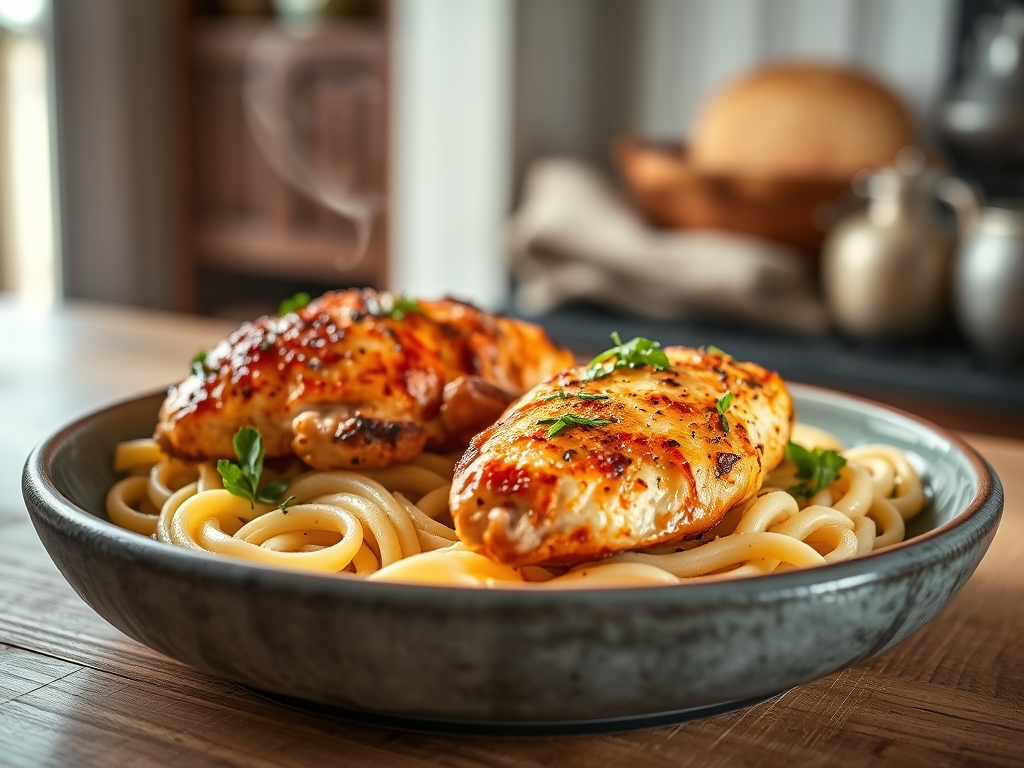
The oven door swings open, releasing a wave of steam that carries the scent of caramelized garlic, bubbling cheese, and oregano-speckled tomato sauce fused with tender chicken pieces nestled in perfectly al dente pasta tubes. This is the payoff for mastering baked pasta and chicken recipes, a category that transforms weeknight simplicity into something guests photograph before eating. Seven variations follow, each calibrated for different flavor architectures and dietary contexts, proving that this format is endlessly adaptable when you understand the underlying chemistry of starch gelatinization, protein coagulation, and Maillard browning.
The architecture works because pasta absorbs sauce during the bake, chicken releases moisture and collagen, and cheese creates a protective, flavorful shield that prevents drying while adding textural contrast. Unlike stovetop versions, oven heat surrounds the dish uniformly, encouraging even doneness and surface crust development that ranges from golden to mahogany depending on your final broiler pass. The interplay between these three components, pasta as sponge, chicken as moisture reservoir, cheese as armor, creates a self-basting ecosystem inside your baking dish.
The Gathers
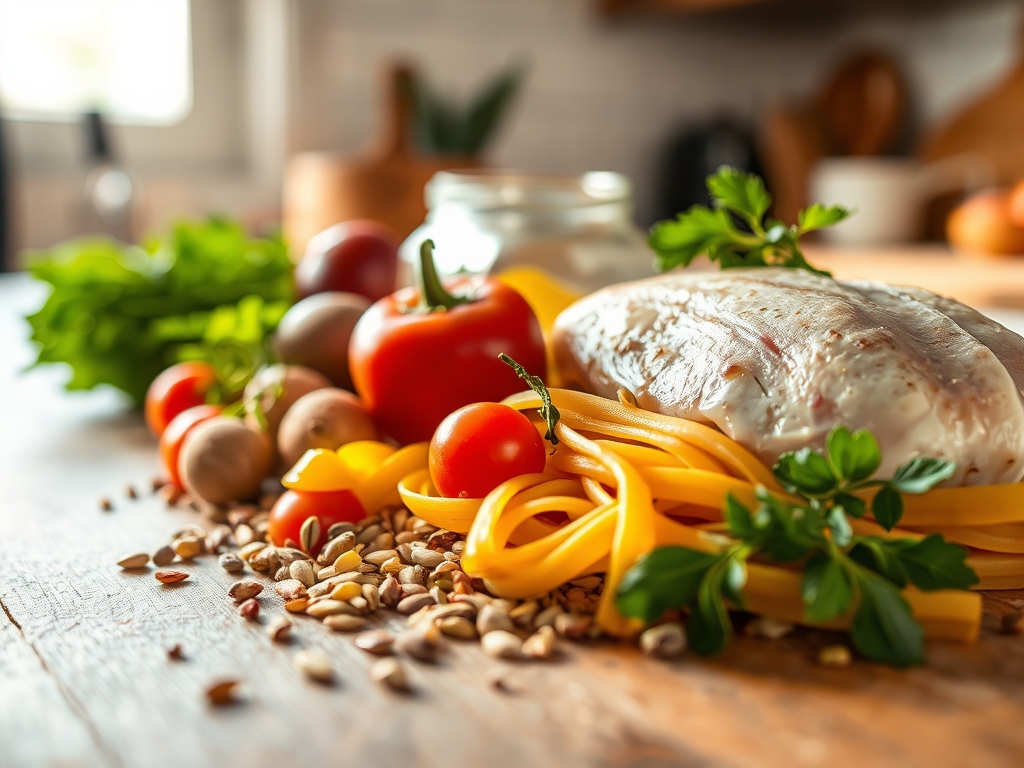
As you see in the ingredient spread below, the foundation includes penne, rigatoni, or ziti (340g dry weight for four servings), each tube designed to trap sauce inside and out. Boneless, skinless chicken thighs (680g) deliver more moisture and fat than breasts, resisting the drying effect of prolonged oven exposure. Whole-milk mozzarella (240g, shredded) melts into stretchy strands, while Parmigiano-Reggiano (60g, finely grated) contributes umami depth and assists browning through its lower moisture content and higher protein concentration.
Crushed tomatoes (800g) form the sauce base, their pectin structure thickening as water evaporates. Garlic cloves (6, minced) and fresh basil (20g) add aromatic complexity, with basil's eugenol compounds blooming under moderate heat. Extra-virgin olive oil (30ml) carries fat-soluble flavor molecules, and dried oregano (2 tsp) provides phenolic bite that intensifies during baking.
Smart Substitutions: Swap thighs for breast meat by cutting cook time by 8 minutes and adding 2 tablespoons of cream to the sauce. Use Gruyere in place of mozzarella for nuttier notes. Gluten-free pasta works but requires 10% more sauce due to higher starch leaching.
The Clock
Prep: 20 minutes | Cook: 45 minutes | Total: 65 minutes
This timeline assumes room-temperature chicken and pre-boiled pasta. Chicken thighs need 35 minutes at 190°C/375°F to reach an internal 74°C/165°F, while pasta requires 10 minutes of oven time to absorb sauce flavors without turning mushy.
Chef's Flow: Boil pasta while you sear chicken. As pasta drains, deglaze the chicken pan for sauce base. Combine everything in the baking dish during the five-minute oven preheat. This parallel processing collapses what could be 90 minutes into just over an hour, with no idle standing time.
The Masterclass
Step 1: Boil Pasta to 80% Doneness
Bring 4 liters of water to a rolling boil with 40g kosher salt (1% salinity). Add pasta and cook for 2 minutes less than package directions, targeting firm, chalky centers. Drain and toss with 15ml olive oil to prevent clumping.
Why It Works: Undercooked pasta finishes cooking in the oven, absorbing sauce while maintaining structure. Fully cooked pasta turns to mush during the bake as residual starches continue gelatinizing.
Step 2: Sear Chicken for Maillard Crust
Heat a large skillet to 205°C/400°F surface temperature. Pat chicken dry, season with salt, and sear 3 minutes per side until golden. Remove at 60°C/140°F internal; carryover will add another 8-10°C.
Chef's Secret: Dry surfaces are essential. Moisture creates steam, which prevents browning. The fond left in the pan becomes your sauce backbone, packed with hundreds of Maillard reaction compounds.
Step 3: Build the Sauce
Reduce heat to medium, add garlic to the chicken pan, and cook 45 seconds until fragrant. Pour in crushed tomatoes, oregano, and a pinch of sugar to balance acidity. Simmer 5 minutes, scraping up browned bits.
Why It Works: Garlic's allicin compounds are volatile; brief cooking mellows harshness without destroying flavor. Sugar (2g) rounds out tomato acidity by masking sourness receptors on the tongue.
Step 4: Combine and Layer
Slice chicken into 2cm pieces. In a 23x33cm baking dish, mix pasta, sauce, and two-thirds of the mozzarella. Nestle chicken pieces throughout. Top with remaining mozzarella and all the Parmigiano.
Chef's Secret: Burying some cheese inside creates molten pockets, while surface cheese forms the golden crust. This dual-layer approach maximizes textural variety.
Step 5: Bake and Broil
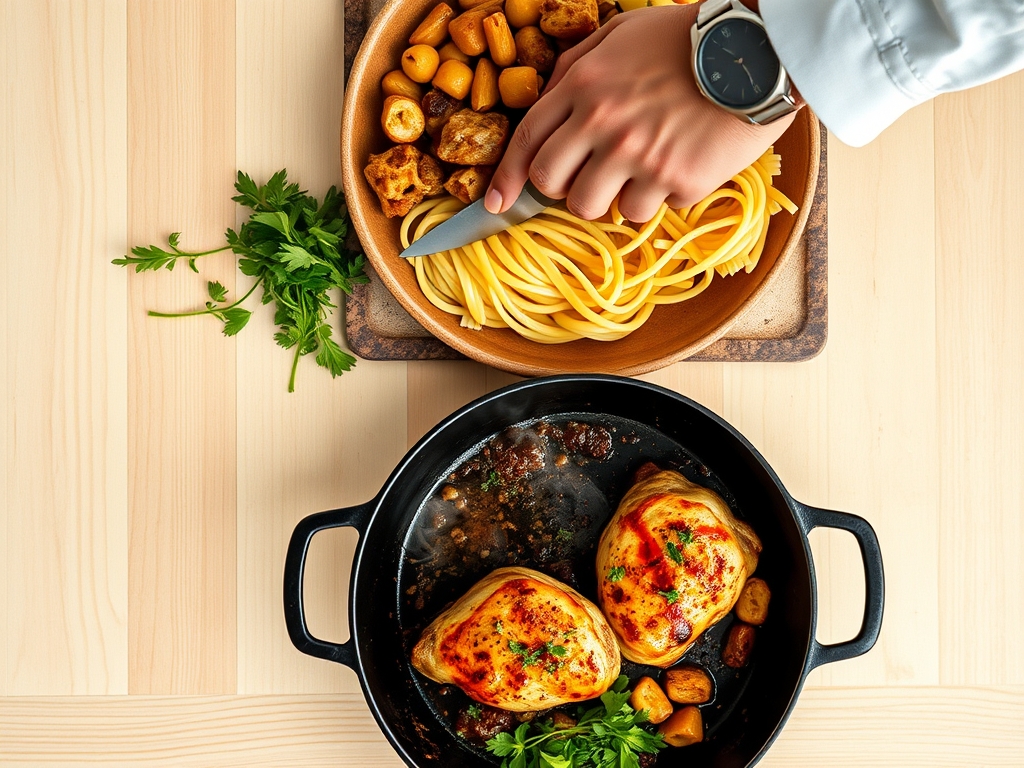
Bake uncovered at 190°C/375°F for 35 minutes. Note the texture shown in the step-by-step photos: edges should be bubbling, center jiggly but not liquid. Switch to broiler (high) for 3 minutes, watching constantly, until top reaches mahogany brown.
Why It Works: Convection during baking evaporates excess moisture, concentrating flavors. The broiler's intense infrared radiation triggers rapid Maillard browning and caramelization, creating bittersweet complexity.
Nutritional Info
Per serving (based on four servings): 620 calories, 38g protein, 54g carbohydrates (6g fiber), 26g fat (12g saturated). Sodium sits at 880mg, manageable by reducing added salt. Calcium from cheese provides 35% of daily value, while iron from tomatoes and chicken contributes 18%.
Dietary Swaps
Keto: Replace pasta with roasted cauliflower florets (same weight). Use full-fat ricotta in place of mozzarella for lower carbs (8g net per serving). Vegan: Swap chicken for firm tofu (pressed, cubed, tossed in nutritional yeast) and use cashew cream-based cheese. Gluten-Free: Certified GF pasta plus xanthan gum (1/4 tsp) in the sauce compensates for missing gluten structure.
Serving & Presentation
Rustic Family Style: Serve straight from the baking dish with torn basil scattered over the top and lemon zest for brightness. Plated Elegance: Use a ring mold to stack pasta, place a chicken piece on top, drizzle reduced balsamic, and garnish with microgreens. Tapas Portions: Bake in individual ramekins for controlled portions and faster cooking (reduce time to 25 minutes).
The Pro-Dodge
Pitfall 1: Watery Sauce. Tomatoes release more liquid during baking. Fix: Use tomato paste (2 tbsp) to thicken base sauce before combining. Pitfall 2: Dry Chicken. Breast meat or overcooking kills moisture. Fix: Pull chicken at 71°C/160°F internal; carryover reaches safe temp during rest. Pitfall 3: Pale Top. Insufficient broiler time or wet cheese. Fix: Pat shredded cheese with paper towels before topping and broil until you see dark spots forming.
The Meal Prep Corner
Cool completely, then portion into airtight containers. Refrigerate up to 4 days or freeze up to 3 months. Reheat in a 175°C/350°F oven covered with foil for 20 minutes (from fridge) or 40 minutes (from frozen), removing foil for the last 5 minutes to re-crisp the top. Microwave reheating works but sacrifices crust; add a splash of water and cover to prevent drying.
The Wrap-Up: Your New Rotation Staple
These baked pasta and chicken recipes eliminate the guesswork around weeknight dinners while delivering restaurant-caliber flavor through smart layering and oven physics. Master the formula, pasta slightly undercooked, chicken seared for fond, cheese in two layers, and you can improvise endlessly with different proteins, vegetables, and sauce bases. Try one version this week, then report back which variation becomes your household standard.
The Kitchen Table
Can I use rotisserie chicken? Absolutely. Shred 450g of meat, skip the searing step, and reduce bake time to 25 minutes since the chicken is already cooked. Add it in the last 10 minutes to prevent drying.
Why is my pasta mushy? You cooked it too long before baking. Aim for seriously underdone, almost crunchy centers. The oven time will finish the job.
Can I prep this ahead? Assemble completely, cover tightly, and refrigerate up to 24 hours. Add 10 minutes to bake time if going straight from fridge to oven.
What other cheeses work? Fontina melts beautifully, provolone adds tang, and pecorino Romano brings salty sharpness. Avoid pre-shredded cheese coated in cellulose, it won't melt smoothly.
How do I scale for a crowd? Double all ingredients and use a large roasting pan. Bake time increases to 50 minutes. Check internal temp of chicken pieces in the center of the dish to ensure 74°C/165°F.