
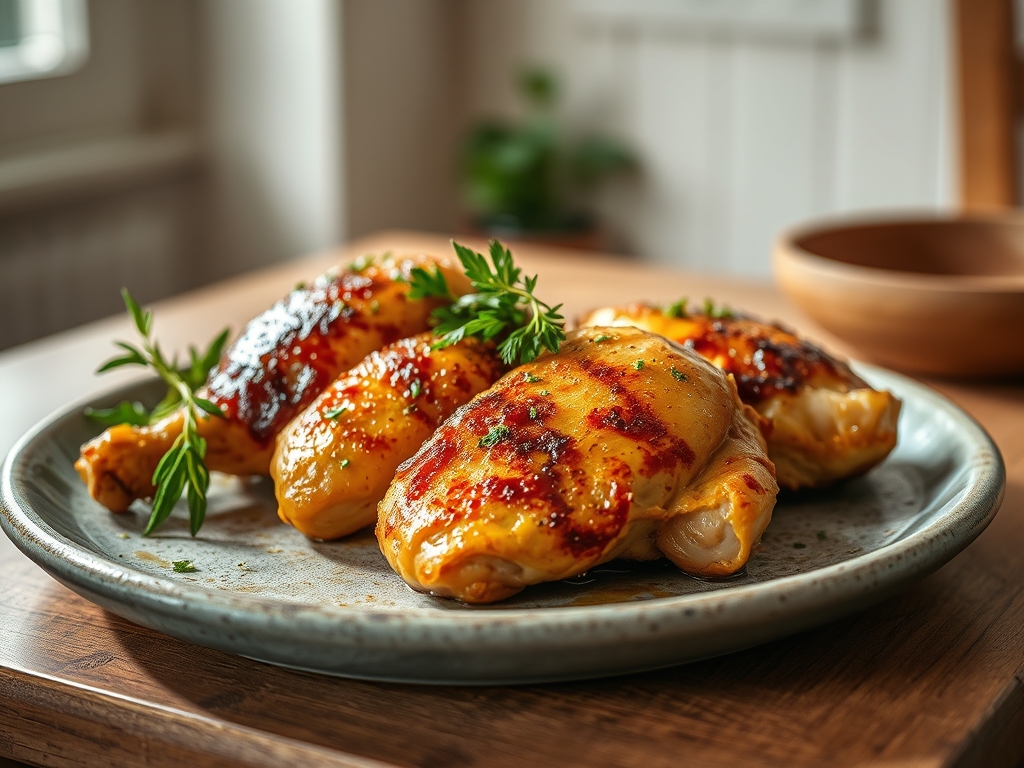
The first bite of perfectly air fried chicken delivers an audible crack, the golden crust shattering to reveal steam-kissed, tender meat that stays juicy at the bone. This is not luck or accident. Mastering air frying chicken recipes requires understanding the aerodynamics of superheated convection, moisture management, and surface preparation that transforms poultry into something restaurant-grade without the oil bath or the mess. Over the years, I've refined eight core principles that consistently produce crackly skin, succulent interiors, and flavor penetration that rivals any deep fryer.
Air fryers work by rapidly circulating hot air at velocities high enough to trigger the Maillard reaction on surfaces, the chemical browning that creates complex flavor compounds. Unlike traditional frying, there's no oil blanket to conduct heat uniformly, so technique becomes everything. Uneven breading, overcrowded baskets, or skipping the preheat will yield pale, rubbery results. The eight tips that follow address each failure point with precision, covering brine chemistry, coating architecture, temperature calibration, and timing protocols that account for carryover cooking.
The Gathers
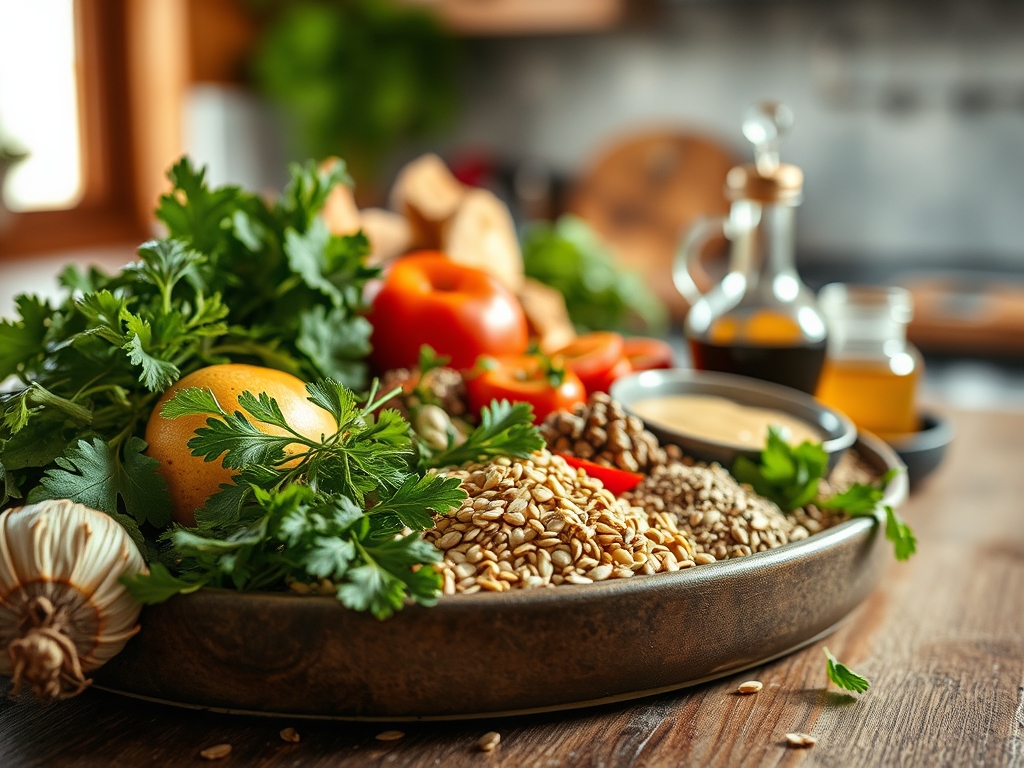
Start with bone-in, skin-on chicken thighs or drumsticks (1.2 kg total). The fat under the skin bastes the meat during cooking, while the bone acts as a heat shield, preventing overcook. Buttermilk (500 ml) for brining adds lactic acid that denatures surface proteins, tenderizing and creating adhesion sites for breading. All-purpose flour (200 g) mixed with cornstarch (50 g) builds a light, crisp matrix. Cornstarch gelatinizes at lower temperatures and forms brittle, shatter-prone crusts. Smoked paprika (2 tsp), garlic powder (1 tsp), onion powder (1 tsp), cayenne (1/2 tsp), kosher salt (1 tbsp), and black pepper (1 tsp) form the spice base. Neutral oil spray (avocado or grapeseed) provides the fat micro-layer necessary for browning.
As you see in the ingredient spread below, every component serves a structural or chemical purpose. No filler, no fluff.
Smart Substitutions: Swap buttermilk for full-fat Greek yogurt thinned with water (3:1 ratio). Replace cornstarch with potato starch for extra crunch. Use coconut aminos with lime juice for a dairy-free brine alternative.
The Clock
Prep time: 20 minutes (brine soak: 2 hours, can extend to overnight).
Cook time: 22 minutes at 200°C (392°F), flipped once at 12 minutes.
Total active time: 42 minutes.
Chef's Flow: While chicken brines, prep the breading station and preheat the air fryer for 5 minutes. This overlapping sequence eliminates dead time. Pull chicken from brine, coat immediately, and load the preheated basket without delay. The preheated chamber begins surface dehydration instantly, which is critical for crust formation.
The Masterclass
Step 1: Brine the Chicken
Submerge chicken in buttermilk mixed with 1 tbsp salt and 1 tsp smoked paprika. Refrigerate for a minimum of 2 hours. The lactic acid lowers the pH, unwinding muscle proteins (myosin) so they retain more water during heat exposure.
Why It Works: Brining increases moisture retention by up to 8% and seasons the meat at a cellular level. Salt also disrupts the protein network, making fibers more tender.
Step 2: Build the Breading Station
Combine flour, cornstarch, and all spices in a shallow dish. Whisk thoroughly to distribute seasonings evenly. The cornstarch-to-flour ratio (1:4) balances structure with brittleness.
Chef's Secret: Add 2 tbsp of the used buttermilk brine into the flour mix and rake it with a fork. These small clumps ("shaggy bits") adhere to the chicken and create extra-craggy textures that crisp beautifully.
Step 3: Coat Each Piece Methodically
Remove one piece of chicken at a time, letting excess buttermilk drip off but not wiping it. Press firmly into the flour blend, turning to coat all surfaces. Pat gently so the coating bonds but doesn't compress.
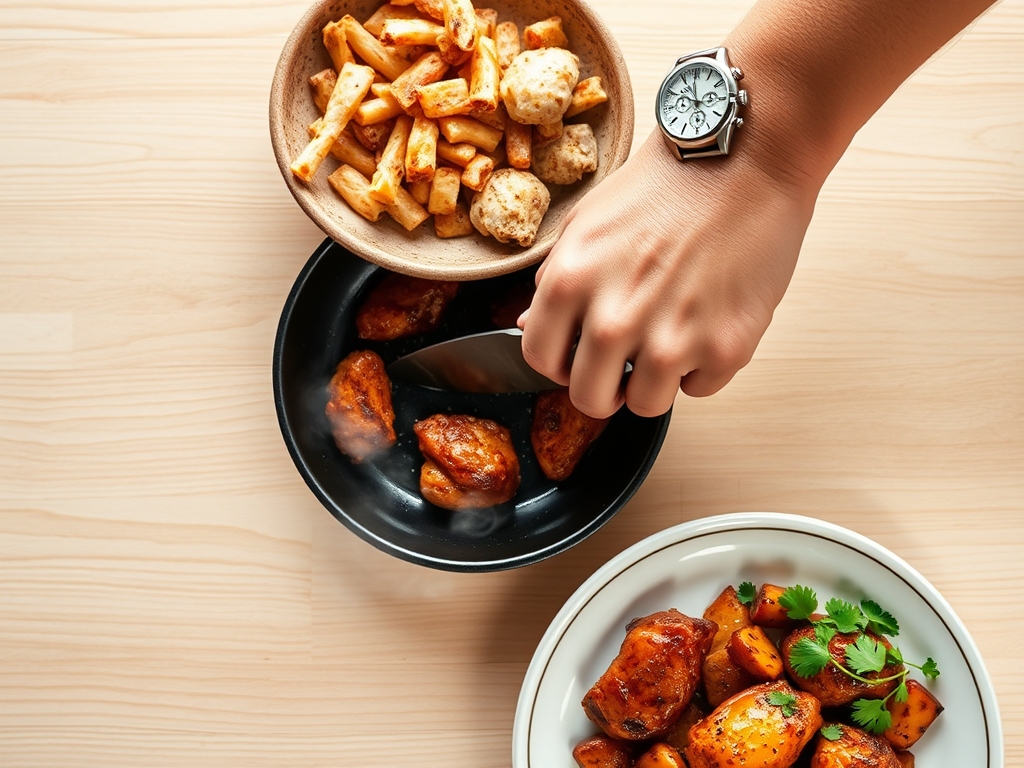
Why It Works: A thin, even layer browns faster than a thick one. Compression creates dense spots that steam instead of crisp. Note the texture shown in the step-by-step photos: the coating should look shaggy, not smooth.
Step 4: Spray with Oil and Preheat the Air Fryer
Mist each coated piece lightly with oil spray. Preheat the air fryer basket to 200°C (392°F) for 5 full minutes.
Chef's Secret: Oil spray delivers fat in an aerosol mist that covers more surface area than brushing. This micro-layer is enough to catalyze browning without sogginess. Preheating prevents the coating from absorbing moisture during the initial heat ramp.
Step 5: Arrange Without Crowding
Place chicken skin-side down in a single layer, leaving 1 cm of space between pieces. Crowding traps steam, which rehydrates the coating.
Why It Works: Air fryers depend on unobstructed convection currents. Blocked airflow creates microclimates of steam, the enemy of crispness.
Step 6: Flip at the Midpoint
At exactly 12 minutes, flip each piece skin-side up. Spray lightly again with oil.
Chef's Secret: The flip redistributes heat and exposes the skin to the heating element during the final phase, ensuring maximum Maillard browning. The second oil spray refreshes the fat layer that may have been absorbed.
Step 7: Monitor Internal Temperature
Cook until the thickest part of the thigh reaches 74°C (165°F) on an instant-read thermometer, typically 22 minutes total. Remove immediately.
Why It Works: Carryover cooking will raise the internal temperature by 2 to 3°C during the 5-minute rest. Pulling at exactly 74°C prevents dry, stringy meat while ensuring food safety.
Step 8: Rest Before Serving
Let chicken rest on a wire rack for 5 minutes. Do not cover. Trapped steam softens the crust.
Chef's Secret: The wire rack allows air circulation underneath, maintaining crispness on all surfaces. Resting also allows juices to redistribute via capillary action, so the first bite isn't a gusher followed by dryness.
Nutritional Info
Per 150 g serving (one large thigh):
Calories: 285
Protein: 28 g
Fat: 14 g (saturated: 3 g)
Carbohydrates: 12 g
Fiber: 0.5 g
Sodium: 620 mg
The air frying method reduces total fat by approximately 40% compared to deep frying, while maintaining protein density. The cornstarch and flour coating adds digestible carbs but keeps the glycemic load moderate when paired with fibrous sides.
Dietary Swaps
Keto: Replace flour and cornstarch with a 1:1 blend of almond flour and crushed pork rinds. Use the same spice mix. Net carbs drop to 2 g per serving.
Gluten-Free: Substitute all-purpose flour with a gluten-free blend (rice flour plus xanthan gum). Cornstarch is already gluten-free.
Vegan Pivot: Use extra-firm tofu slabs (pressed for 30 minutes), marinated in the same buttermilk substitute, coated, and air fried at 190°C (374°F) for 18 minutes. The texture mimics white meat.
Serving & Presentation
Classic Comfort: Serve over creamy mashed cauliflower with a drizzle of hot honey (honey infused with crushed red pepper). The sweetness balances the spice, while the cauliflower keeps the plate low-carb.
Southern Refresh: Plate alongside a crisp apple slaw (julienned Granny Smith, red cabbage, and a cider vinegar dressing). The acidity cuts the richness, and the crunch provides textural contrast.
Elevated Casual: Arrange on a bed of warm farro tossed with roasted cherry tomatoes, arugula, and a lemon-tahini drizzle. The nutty grain and bitter greens create a balanced, sophisticated profile.
The Pro-Dodge
Pitfall 1: Soggy Coating.
Cause: Skipping the preheat or overcrowding.
Fix: Always preheat for 5 minutes and cook in batches if necessary. Use a wire rack insert if your model supports it.
Pitfall 2: Pale, Undercooked Skin.
Cause: Insufficient oil or too low a temperature.
Fix: Spray generously (but not pooling) and verify your air fryer runs true to its dial. Use an oven thermometer inside the basket if needed.
Pitfall 3: Dry, Chalky Meat.
Cause: Overcooking past 77°C or skipping the brine.
Fix: Brine for at least 2 hours and pull at 74°C internal. Carryover will finish the job.
The Meal Prep Corner
Store cooled chicken in an airtight container, separated by parchment sheets to prevent sticking. Refrigerate for up to 4 days.
Reheating for Day-One Quality: Preheat the air fryer to 180°C (356°F). Arrange cold chicken in a single layer and heat for 6 minutes. The lower temperature reheats the interior without scorching the crust. Avoid microwaving, which creates steam pockets that obliterate texture.
For freezing, wrap each piece individually in foil, then bag. Freeze for up to 2 months. Thaw overnight in the fridge, then reheat as above. The coating holds remarkably well.
The Wrap-Up
Crispy, juicy air fried chicken is a repeatable science, not a mystery. These eight tips address every variable, from brine chemistry to airflow dynamics, ensuring consistent results every single time. Print this, tape it to your fridge, and tweak the spice blend to make it yours. When you nail the flip timing and hear that satisfying crack on the first bite, you'll know you've mastered air frying chicken recipes at a professional level. Drop your favorite flavor riffs in the comments. I read every single one and often steal your best ideas.
The Kitchen Table
Q: Can I use boneless, skinless chicken breasts?
A: Yes, but reduce cook time to 16 minutes at 200°C and brine for at least 3 hours. Breasts lack the fat buffer of thighs, so they overcook quickly. Pull at 72°C internal.
Q: My air fryer is smaller. How do I adjust?
A: Cook in two batches. Do not stack or overlap. The second batch will cook slightly faster because the basket retains heat, so check at 20 minutes instead of 22.
Q: Can I skip the buttermilk brine?
A: You can, but you sacrifice 30% of the juiciness and flavor penetration. If time is tight, do a 30-minute "quick brine" with double the salt concentration. It's a compromise, not a replacement.
Q: What's the best oil for spraying?
A: Avocado or grapeseed oil. Both have high smoke points (250°C+) and neutral flavors. Avoid olive oil, which can taste bitter at air fryer temperatures.
Q: How do I get extra spicy chicken?
A: Double the cayenne and add 1 tsp of hot sauce to the buttermilk brine. For a scorched-earth heat, dust the finished chicken with ground ghost pepper while still hot. The residual moisture helps it stick.