
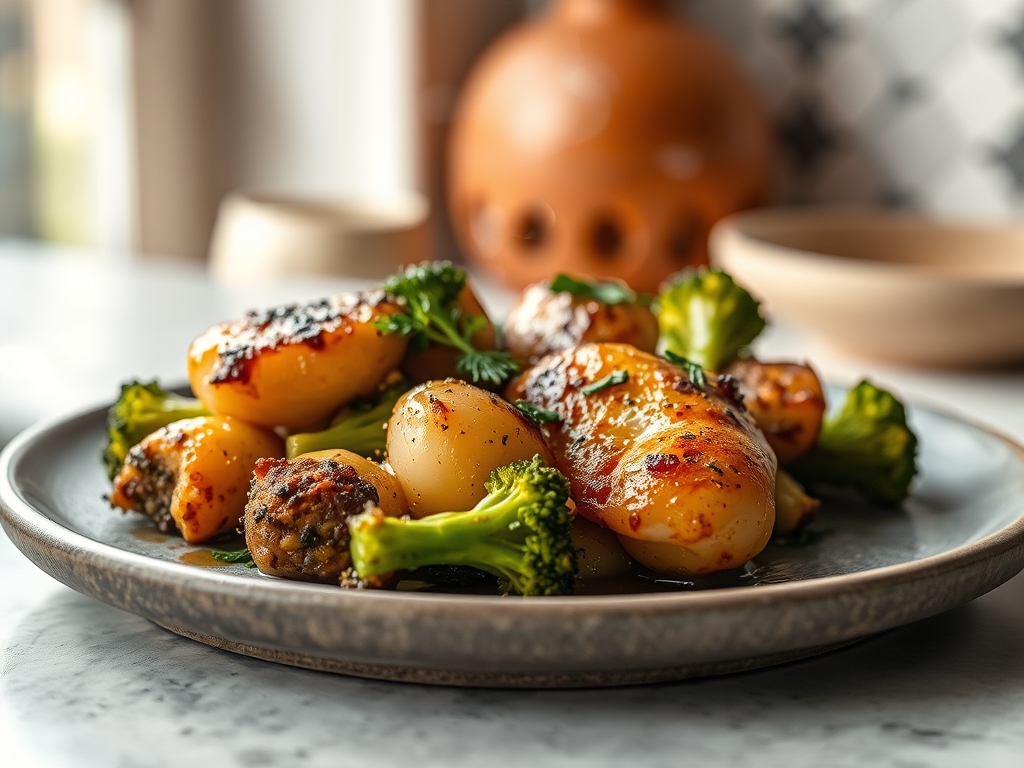
Imagine the sound of a heavy bottomed skillet hitting the burner; a resonant, metallic ring that signals the start of something transformative. The kitchen begins to fill with the scent of rendering fat and toasted garlic. We are moving beyond the basic weeknight dinner and into the realm of high performance chicken broccoli potato recipes that balance comfort with culinary precision. It is the holy trinity of textures: the snap of cruciferous greens, the starchy velvet of a Yukon Gold, and the Maillard crust on a perfectly seared breast.
There is a specific joy in mastering these three ingredients. They are the workhorses of the pantry, yet they often suffer from poor execution. We have all encountered the soggy floret or the rubbery poultry that haunts amateur meal prep. Today, we are fixing that. We are going to leverage thermal physics and enzymatic reactions to turn these staples into nine distinct, high density blends. Whether you are craving a piquant lemon garlic toss or a viscous, cheese laden bake, the foundation remains the same. It is about heat management and moisture control. Let us get our stations ready and dive into the mechanics of flavor.
The Gathers:
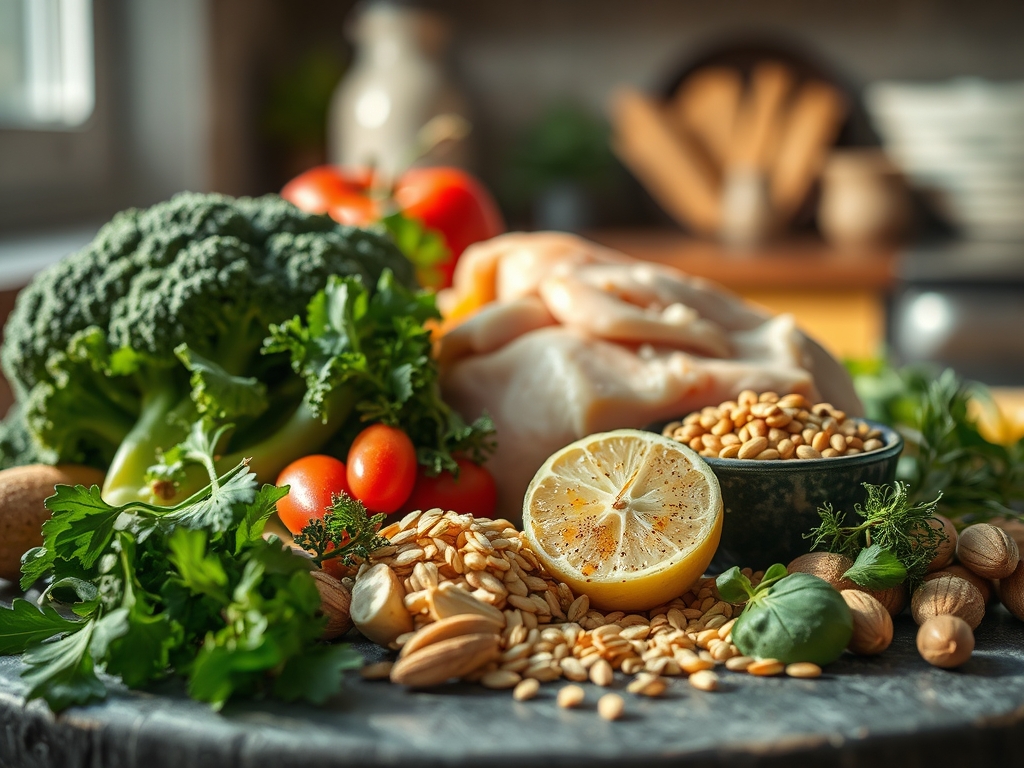
To execute these chicken broccoli potato recipes with professional finesse, your mise-en-place must be immaculate. Start with your protein. I recommend organic chicken thighs for their higher fat content and connective tissue, which breaks down into gelatin for a superior mouthfeel. If using breasts, ensure they are sliced against the grain to shorten the muscle fibers. For the potatoes, reach for Waxy varieties like Red Bliss or Yukon Gold; their low starch to moisture ratio prevents them from disintegrating during a long roast.
The broccoli requires a specific touch. Use your chef knife to shave the woody exterior of the stems; the pith inside is actually the sweetest part of the vegetable. You will also need a high smoke point fat, such as avocado oil or clarified butter, to achieve a deep sear without scorching. For the aromatics, keep a microplane handy to zest fresh lemons and grate garlic into a fine paste. This increases the surface area, allowing the sulfurous compounds to infuse the oil more rapidly.
Smart Substitutions:
If you are avoiding nightshades, swap the potatoes for cubed celery root or parsnips for a similar earthy profile. For a plant based protein boost alongside the chicken, chickpeas add a delightful crunch when roasted at high heat. If fresh broccoli is unavailable, frozen florets work, provided you roast them directly from frozen at 450 degrees Fahrenheit to bypass the mushy stage caused by ice crystal rupture.
The Clock
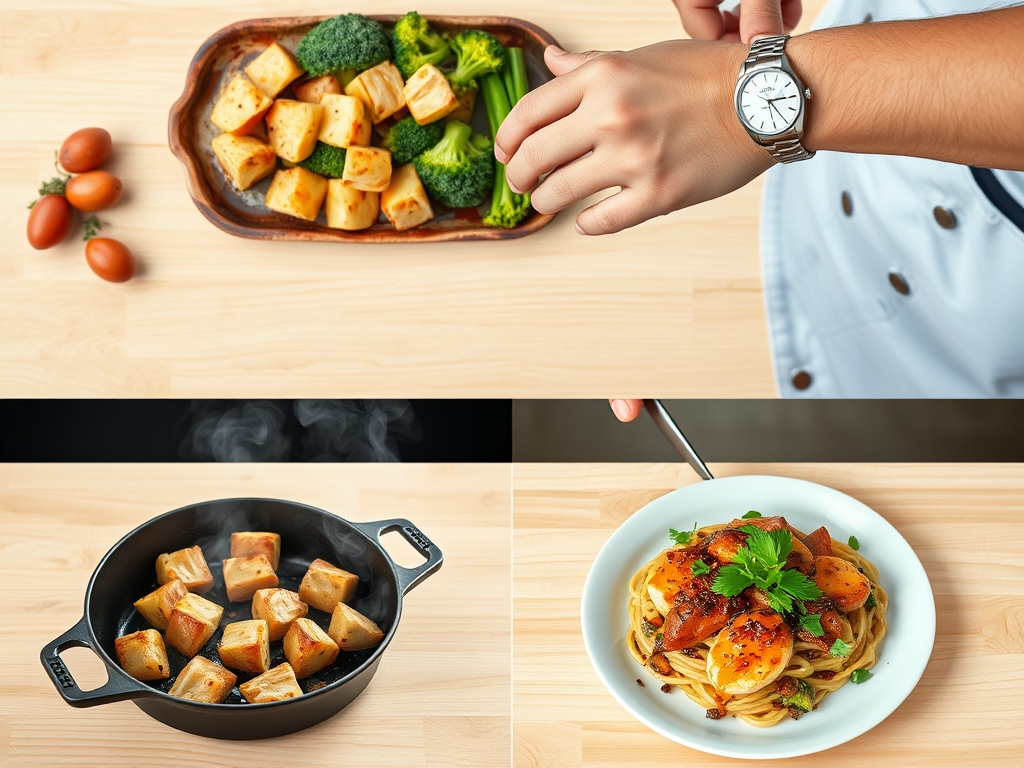
Efficiency in the kitchen is about the Chef's Flow. This is the art of overlapping tasks so that no burner sits idle. For these chicken broccoli potato recipes, expect a total active prep time of 20 minutes and a cook time ranging from 25 to 40 minutes depending on your heat source.
The flow begins with the potatoes. Because they have the highest density and lowest thermal conductivity, they go in first. While they undergo their initial softening, you prep the chicken. By the time the chicken is ready for the pan, the potatoes have developed a par-cooked exterior. The broccoli always enters last. It only needs six to eight minutes of high heat to achieve a vibrant green hue and a tender-crisp bite. Using a digital scale to portion your ingredients ensures that your cook times remain consistent every single time you revisit these recipes.
The Masterclass
1. The High Heat Sear
Place your chicken in a preheated heavy bottomed skillet. Do not crowd the pan, as this causes the temperature to drop and the meat to steam in its own juices rather than sear. Use tongs to flip only once a golden crust has formed.
Pro Tip: This crust is the result of the Maillard Reaction, where amino acids and reducing sugars rearrange to create hundreds of flavor compounds. If the meat sticks, the reaction is not complete; wait for it to self-release.
2. Par-Boiling the Spuds
For the crispest potatoes, boil them in alkaline water (add a pinch of baking soda) for five minutes before roasting. This breaks down the pectin on the surface, creating a starchy slurry that crisps up into a glass-like shards in the oven.
Pro Tip: This technique increases the surface area for Dehydration Synthesis, leading to a crunch that lasts even after the dish cools.
3. The Broccoli Infusion
Toss your florets in the rendered chicken fat remaining in the pan. Add a splash of chicken stock or dry white wine to deglaze the bottom, picking up the browned bits known as fond. Cover for two minutes to steam.
Pro Tip: Brief steaming preserves Myrosinase, the enzyme responsible for the health benefits and sharp flavor of cruciferous vegetables, before high heat deactivates it.
4. The Emulsified Finish
Turn off the heat and whisk in a cold knob of butter or a spoonful of Dijon mustard. Stir vigorously to create a silky, viscous sauce that coats every crevice of the broccoli and potatoes.
Pro Tip: This is Cold-Butter Emulsification. The milk solids and fats suspend in the liquid, creating a luxurious mouthfeel without the need for heavy creams or flours.
The Deep Dive
When we look at the macro nutrition of chicken broccoli potato recipes, we see a near-perfect profile. You are getting lean protein, complex carbohydrates for sustained energy, and a massive dose of Vitamin C and fiber from the broccoli. To keep it Keto, simply swap the potatoes for cauliflower or radishes. For a Vegan twist, replace the chicken with extra-firm pressed tofu and use nutritional yeast to mimic the savory depth of Parmesan.
The Fix-It: Common Pitfalls
- Soggy Broccoli: This happens when you add the vegetable too early. Fix it by adding the broccoli during the last 8 minutes of roasting at 425 degrees.
- Dry Chicken: This is usually due to carryover cooking. Pull your chicken when it hits 160 degrees Fahrenheit; the residual heat will bring it to the safe 165 mark while resting.
- Bland Potatoes: Potatoes absorb salt during the cooking process, not after. Always salt your blanching water like the sea to season them from the inside out.
Meal Prep Science:
To maintain "day-one" quality, store the components in airtight glass containers. When reheating, avoid the microwave if possible. A quick toss in a hot saucier with a teaspoon of water will re-steam the broccoli and re-crisp the chicken skin, preventing the dreaded "leftover chicken" aroma caused by lipid oxidation.
The Wrap-Up
Mastering these chicken broccoli potato recipes is like learning the scales on a piano; once you have the technique down, you can improvise endlessly. You have the tools, the science, and the flavor profiles to turn a humble weeknight into a gourmet experience. Remember, the secret is in the sear and the timing. Now, grab your tongs and get that skillet screaming hot. Your kitchen is about to become the best restaurant in town.
The Kitchen Table
How do I keep my broccoli from turning brown?
Stop the cooking process by shocking the broccoli or serving immediately. Brownness occurs when heat breaks down chlorophyll into pheophytin. Keeping the cook time under seven minutes at high heat preserves the vibrant green color and snap.
Can I cook everything on one sheet pan?
Yes, but you must stagger the entry. Start the potatoes first for 15 minutes, then add the chicken, and save the broccoli for the final 10 minutes. This ensures every ingredient reaches its optimal texture simultaneously without overcooking.
What is the best potato for roasting?
Yukon Gold potatoes are the gold standard for these blends. They possess a medium starch content that allows for a creamy interior while still holding their shape and developing a crisp outer crust when exposed to high dry heat.
How do I get more flavor into the chicken?
Use a dry brine. Salt the chicken at least 30 minutes before cooking. This draws moisture out, creates a concentrated brine, and then re-absorbs it, seasoning the meat deeply while ensuring a much crispier skin during the sear.