
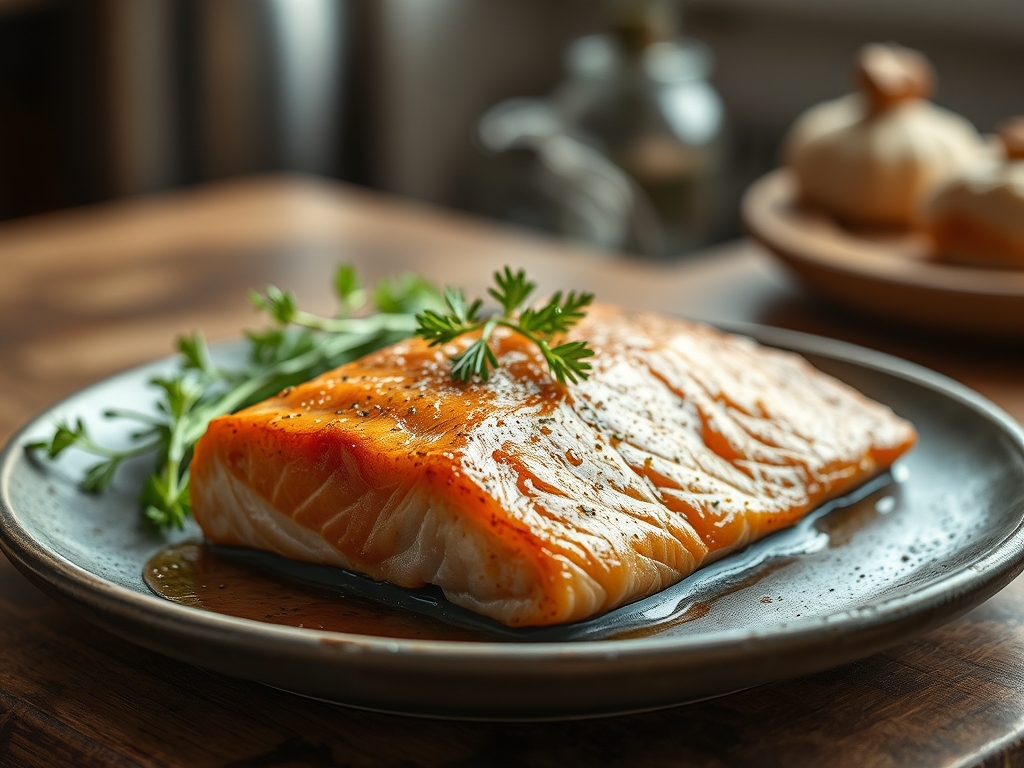
Imagine the scent of citrus-infused steam hitting the air as you pull a glistening, three-pound side of fish from the oven. It is the ultimate culinary power move; it looks like a million dollars but requires less active labor than a standard batch of cookies. Mastering whole fillet salmon recipes is about more than just a meal. It is about understanding the delicate dance of protein denaturation and fat rendering. When you present a whole side of salmon, you are offering a centerpiece that bridges the gap between casual Sunday brunch and high-stakes holiday dinner. We are moving beyond the dry, flaky fillets of yesteryear. We are aiming for a texture so buttery it practically sighs under the weight of your fork. Whether you are glazing with a viscous balsamic reduction or crusting with piquant herbs, the goal is a perfectly translucent center and a skin that shatters like stained glass.
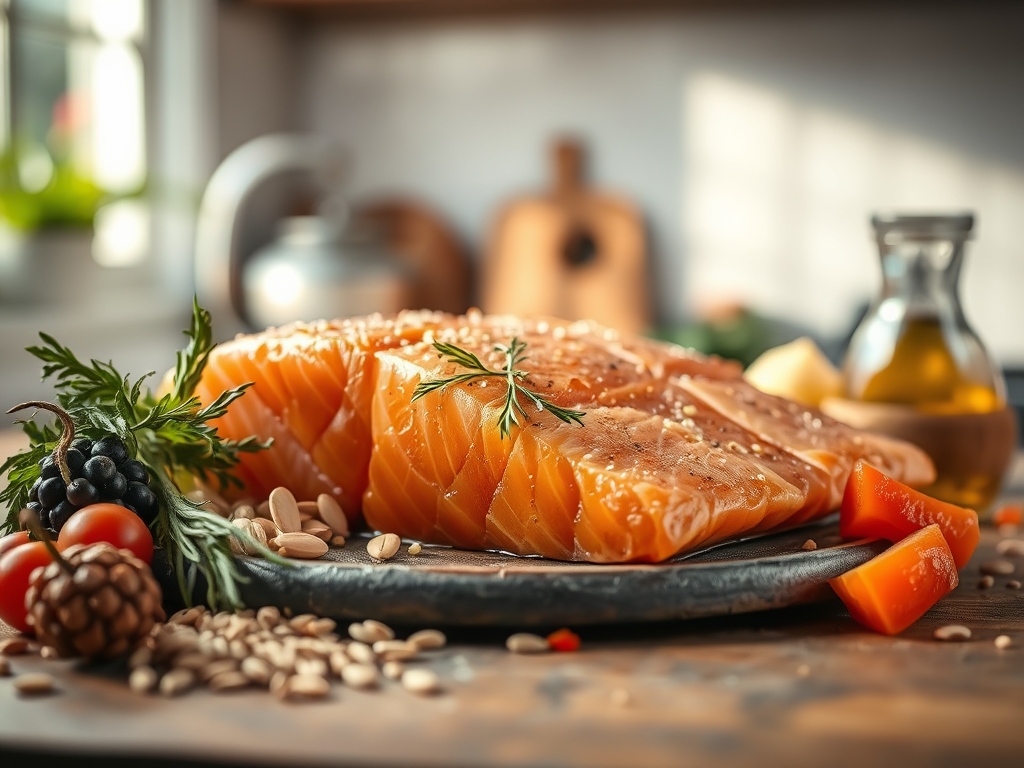
The Gathers:
To execute these whole fillet salmon recipes with precision, your mise-en-place must be flawless. Start with a high-quality, center-cut fillet, preferably skin-on to act as a thermal barrier during the roasting process. You will need a digital scale to ensure your dry rubs are balanced; salt should generally account for 1.5 percent of the total weight of the fish to properly penetrate the muscle fibers. Gather your aromatics: fresh dill, flat-leaf parsley, and chives. Use a sharp microplane to zest lemons and limes, releasing the essential oils without including the bitter white pith. For the fats, reach for high-smoke-point oils like avocado oil or clarified butter, which allow for better heat distribution than standard butter.
Smart Substitutions are your best friend in a busy kitchen. If you cannot find a wild-caught King salmon, a high-quality farmed Atlantic salmon offers a higher fat content, which is much more forgiving for beginners. No fresh herbs? Use a third of the amount in dried herbs, but bloom them in warm oil first to infuse the flavor. If you are avoiding honey or maple syrup for your glazes, a splash of pomegranate molasses provides that same viscous texture with a more complex, tart profile. Always keep a bench scraper nearby to easily transfer chopped aromatics from your board to the prep bowls without losing a single drop of flavor.
The Clock: Mastering the Chef's Flow
Efficiency in the kitchen is about the "Chef's Flow," which is the art of overlapping tasks to minimize downtime. For most whole fillet salmon recipes, your active prep time is a mere 15 minutes. This includes de-boning with fish tweezers, patting the skin dry with paper towels to ensure a crisp finish, and whisking your glaze in a small saucier.
The cooking time generally ranges from 12 to 20 minutes depending on the thickness of the fillet and your desired level of doneness. However, the most critical part of the clock is the 10-minute rest period after the fish leaves the oven. During this time, thermal carryover allows the internal temperature to rise by another 5 degrees, settling the juices back into the protein structure so they do not leak out the moment you make your first cut.
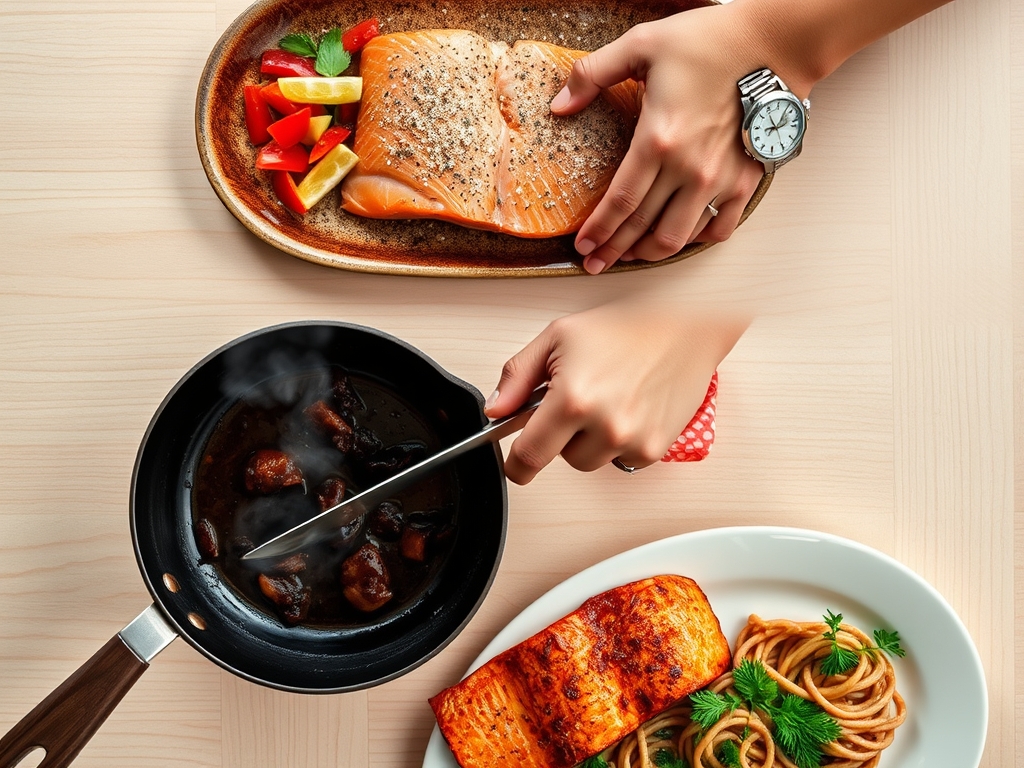
The Masterclass:
1. The Prep and Dry-Brine
Begin by placing your salmon on a parchment-lined baking sheet. Use a digital thermometer to check the ambient temperature of the fish; it should ideally sit at room temperature for 20 minutes before cooking to ensure even heat penetration. Season aggressively with kosher salt.
Pro Tip: This acts as a dry brine. Salt breaks down the tightly wound proteins in the fish, allowing them to retain more moisture during the roasting process and preventing the unsightly white "albumin" from leaking out.
2. The Fat Application
Coat the surface of the fish with your chosen lipid. Whether you are using a silicone pastry brush to apply melted ghee or a high-quality olive oil, ensure every millimeter of the flesh is covered. This creates a barrier that prevents the delicate surface from drying out in the oven's convection currents.
Pro Tip: Using a fat with a high smoke point prevents the oil from oxidizing at high temperatures, which can create "off" flavors that mask the natural sweetness of the salmon.
3. The Aromatics and Infusion
Layer your sliced citrus and fresh herbs directly onto the fillet. If you are using a glaze, apply only half of it now using a saucier to drizzle it evenly. The sugars in the glaze will begin to undergo the Maillard reaction, creating a complex savory-sweet crust.
Pro Tip: Placing citrus slices on top of the fish creates a "steam tent" effect. The juices from the fruit infuse the meat while protecting the top layer from direct radiant heat.
4. The Precision Roast
Slide the tray into a preheated oven at 400 degrees Fahrenheit. If you have a probe thermometer, set the alert for 125 degrees for a medium-rare finish. Use tongs to rotate the pan halfway through the cooking process to account for any hot spots in your oven.
Pro Tip: Cooking at a slightly higher temperature for a shorter duration helps achieve a crisp exterior while keeping the center succulent. This is due to the low thermal conductivity of fish muscle compared to beef.
5. The Glaze Finish
In the final three minutes of cooking, apply the remaining glaze. This ensures a thick, tacky coating that has not burned. Switch the oven to the broiler setting if you want a charred, caramelized finish on the edges.
Pro Tip: This secondary application creates a "lacquered" effect. The fresh sugars aerate and bubble, creating a textural contrast against the soft, flaky fish underneath.
6. The Rest and Carryover
Remove the salmon from the heat when it is 5 degrees below your target temperature. Tent it loosely with foil; do not wrap it tightly or the steam will turn your crispy skin soggy.
Pro Tip: Thermal carryover is a scientific certainty. The exterior of the fish is hotter than the interior; once removed from the heat, that energy continues to move inward, finishing the cook perfectly without over-toughening the outer layers.
7. The Final Garnish
Just before serving, hit the fish with a spray of fresh lemon juice and a sprinkle of flaky sea salt. Use a fish spatula to lift the entire fillet onto a serving platter, ensuring the skin remains intact.
Pro Tip: Adding acid at the very end "brightens" the fats. The citric acid breaks through the heavy lipids on the palate, making the dish feel lighter and more balanced.
The Deep Dive:
From a macro nutrition perspective, salmon is a powerhouse. A 6-ounce serving provides roughly 34 grams of high-quality protein and is rich in Omega-3 fatty acids, which are essential for brain health. For those following specific diets, these whole fillet salmon recipes are naturally Keto and Gluten-Free. To make it Vegan, you can apply these same glazing and roasting techniques to a large "slab" of watermelon or a head of cauliflower, though the cooking times will vary significantly.
"The Fix-It" guide for common pitfalls:
- The White Stuff (Albumin): If you see white goop, you cooked it too fast or too high. Fix it by masking with a fresh herb gremolata.
- Soggy Skin: This happens when there is too much moisture. Fix it by using a kitchen torch to crisp the skin post-roast.
- Stuck to the Pan: You likely didn't use enough fat or parchment. Fix it by sliding a thin offset spatula carefully between the skin and the flesh to serve the meat separately.
For meal prep, reheating salmon is a science. Never use a microwave; it vibrates water molecules too violently, toughening the protein. Instead, reheat in a 275-degree oven with a splash of water covered in foil to "re-steam" the fish to its original glory.
The Wrap-Up:
You are now officially armed with the technical prowess to dominate any dinner party. Whole fillet salmon recipes are the perfect marriage of scientific precision and artistic flair. By focusing on the Maillard reaction, managing thermal carryover, and using the right tools like a digital scale and saucier, you have elevated a simple piece of fish into a culinary masterpiece. Now, go forth, grab that gorgeous side of salmon, and show your kitchen who is boss.
The Kitchen Table:
How do I know when the salmon is done without a thermometer?
Push a fork into the thickest part; if the flakes separate easily and the center is slightly translucent rather than opaque, it is ready. The fish should feel firm but have a slight "give" when pressed.
Can I cook a whole fillet from frozen?
It is not recommended for a whole fillet. Uneven thawing leads to a mushy exterior and a raw middle. For the best texture, thaw overnight in the refrigerator and pat dry thoroughly before starting your prep.
Why is my salmon skin never crispy?
Moisture is the enemy of crispiness. You must pat the skin extremely dry with paper towels and ensure your pan or roasting rack is preheated. Adding a light dusting of cornstarch can also help absorb residual moisture.
How long does cooked salmon stay fresh in the fridge?
When stored in an airtight container, cooked salmon remains delicious for three to four days. For the best quality, keep the glaze separate and apply it just before reheating to maintain the integrity of the fish.