
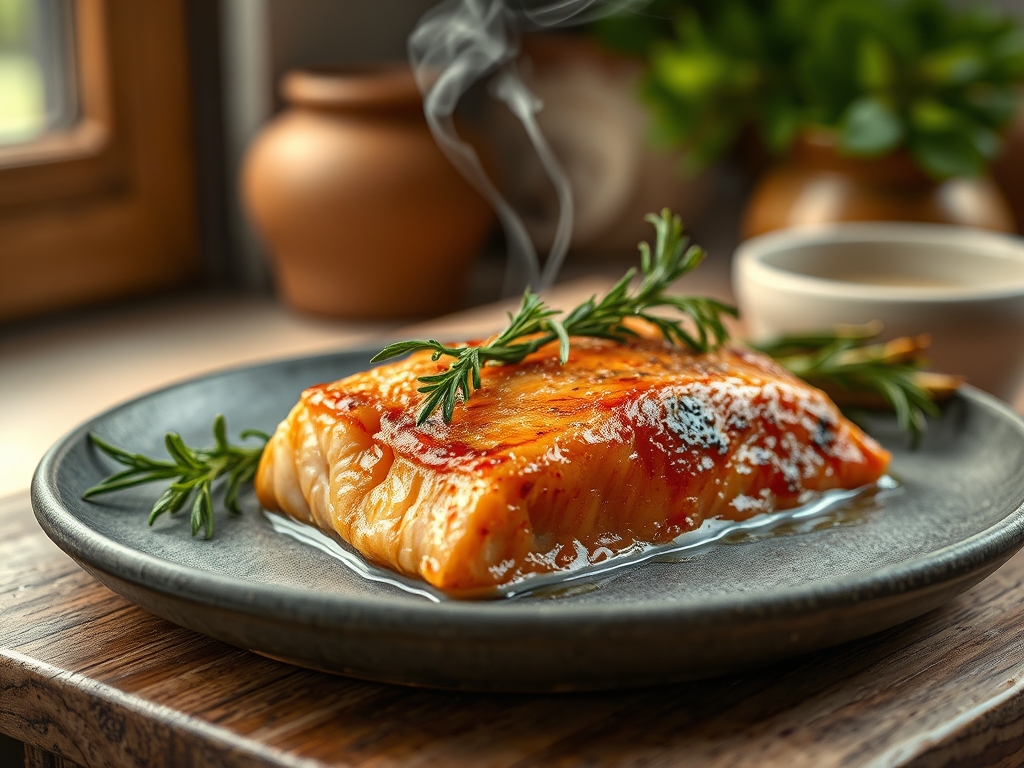
Picture the scene: a heavy-bottomed skillet hissing on the range, the air thick with the piquant aroma of searing skin and citrus zest. We are moving far beyond the basic baked fillet. Today, we are diving into creative salmon recipes that transform this fatty, cold-water protein into a centerpiece of pure culinary theater.
Salmon is the darling of the kitchen for a reason. Its high lipid content makes it forgiving, while its delicate muscle structure demands a certain level of finesse to avoid the dreaded chalky finish. Whether you are aiming for a glass-like sear or a butter-poached melt, the goal is to respect the integrity of the fat. We are going to explore textures that range from the crunch of a pistachio crust to the silken luxury of a miso glaze.
This is not just about dinner; it is about mastering the physics of heat and the chemistry of acid. By the time we finish this session, you will handle a fillet with the confidence of a line cook and the soul of an artist. Let us get the station ready.
The Gathers:
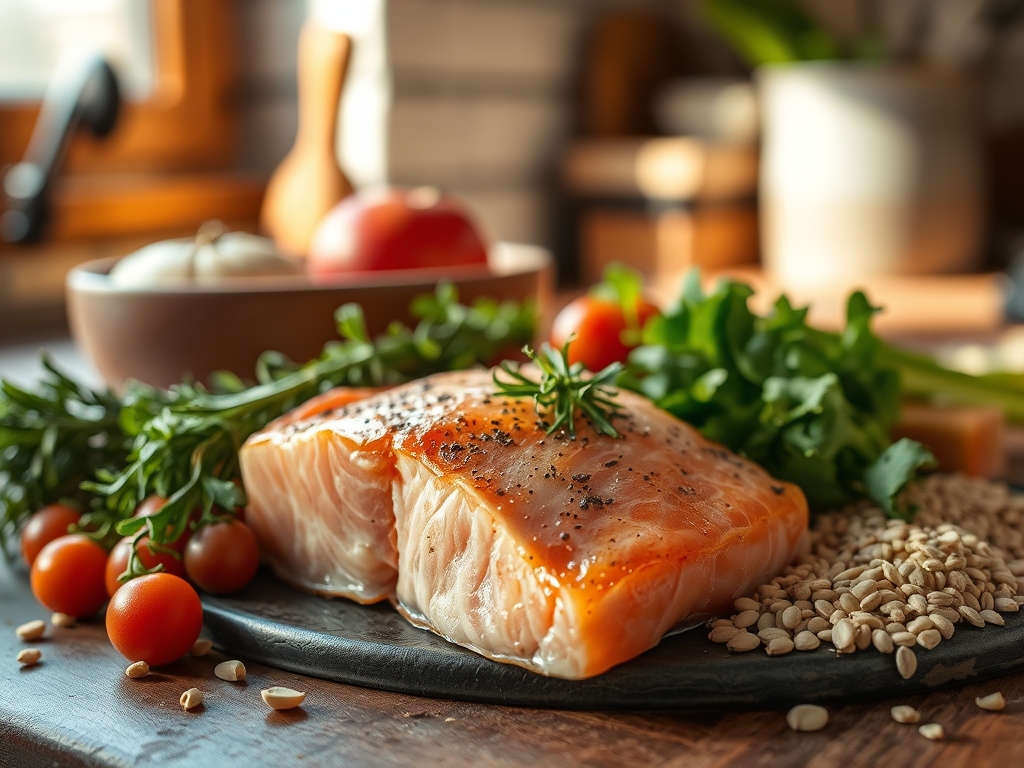
To execute these creative salmon recipes, your mise-en-place must be flawless. Start with the centerpiece: center-cut Atlantic or Sockeye fillets. Look for vibrant color and a firm, elastic texture. You will need a high-smoke-point fat like avocado oil or clarified butter to achieve a proper sear without the bitter notes of burnt milk solids.
For the flavor profiles, gather fresh aromatics. We are looking for ginger, garlic, and shallots. These contain volatile oils that infuse the fat during the cooking process. You will also need acidic components like Meyer lemons or rice vinegar to cut through the viscous richness of the fish. Grab your microplane for zesting; this tool ensures you get the fragrant oils without the bitter white pith.
Smart Substitutions: If you cannot find fresh salmon, high-quality frozen fillets are scientifically superior to "fresh" fish that has sat in a display case for three days. Flash-freezing preserves the cellular structure. If you are avoiding dairy, swap butter for a neutral coconut oil or a rich tahini to maintain that creamy mouthfeel in your sauces.
The Clock
Efficiency in the kitchen is all about the "Chef's Flow." For most of these creative salmon recipes, you are looking at a total time of 25 to 35 minutes. Prep takes about 15 minutes: this involves patting the fish bone-dry (essential for the Maillard reaction) and prepping your aromatics with a sharp chef's knife.
The actual cook time is remarkably brief, usually 8 to 12 minutes depending on the thickness. The "Flow" means you should be whisking your glaze or reducing your sauce in a saucier while the fish rests. Never skip the rest. Allowing the proteins to relax for three minutes ensures the juices redistribute, preventing a dry result when you finally flake into it.
The Masterclass
1. The Surface Prep
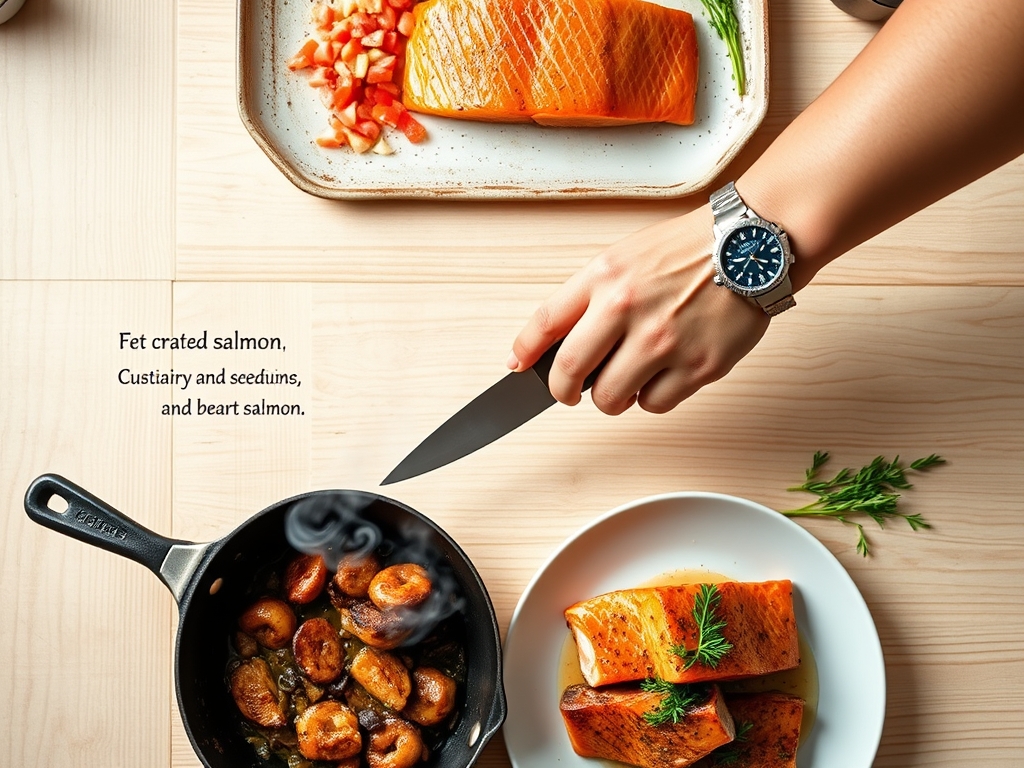
Before the fish touches heat, use a paper towel to remove every trace of surface moisture. Moisture is the enemy of a crisp crust; if the surface is damp, the fish will steam rather than sear. Use your bench scraper to ensure your workspace is clean and dry.
Pro Tip: This is about preventing the "Leidenfrost effect." By removing moisture, you ensure the fish makes direct contact with the hot oil, triggering the Maillard reaction immediately for a savory, browned crust.
2. The High-Heat Sear
Place your heavy-bottomed skillet over medium-high heat until the oil shimmers. Lay the salmon skin-side down, away from you to avoid splashes. Press down firmly with a flexible fish spatula for the first 30 seconds to prevent the skin from curling as the collagen fibers contract.
Pro Tip: This initial pressure ensures even heat distribution across the skin. The collagen denaturation transforms tough connective tissue into a crisp, cracker-like texture that protects the delicate flesh above.
3. The Gentle Render
Lower the heat slightly once the skin is crisp. This allows the fat beneath the skin to render out slowly, essentially confitting the bottom layer of the fish in its own oils. This creates a thermal buffer that prevents the internal temperature from spiking too fast.
Pro Tip: Slow rendering prevents the albumin (that white, unappealing protein) from being forced out of the muscle fibers. If you see white bubbles, your heat is too high.
4. The Aromatic Infusion
Toss in your smashed garlic, thyme, or ginger during the last two minutes of cooking. Use a large spoon to baste the hot, flavored oil over the top of the fillets. This technique, known as "arroser," adds deep flavor layers without overcooking the center.
Pro Tip: This is a form of convection heating. The hot fat carries the fat-soluble flavor compounds from the aromatics directly into the nooks and crannies of the fish.
5. The Acidic Deglaze
Remove the fish and immediately deglaze the pan with a splash of white wine or citrus juice. Use a whisk to scrape up the "fond," those delicious browned bits stuck to the bottom. This forms the base of a high-intensity pan sauce.
Pro Tip: Deglazing uses solvent extraction to pull concentrated flavor compounds back into a liquid state, creating a complex sauce that balances the fatty profile of the salmon.
6. The Carryover Rest
Transfer the salmon to a warm plate. Do not tent it tightly with foil, as the trapped steam will soften the skin you worked so hard to crisp. Let it sit for three minutes before serving.
Pro Tip: Thermal carryover will cause the internal temperature to rise by another 5 degrees. Pulling the fish at 125 degrees Fahrenheit ensures a perfect medium-rare finish of 130 degrees after the rest.
The Deep Dive
Salmon is a nutritional powerhouse, dense with Omega-3 fatty acids which are essential for brain health and reducing inflammation. A standard 6-ounce portion provides roughly 34 grams of high-quality protein and zero carbohydrates, making it a staple for Keto and Paleo lifestyles.
Dietary Swaps: For a vegan alternative that mimics the experience, use thick slabs of "King Oyster" mushrooms seared with seaweed salt. For a gluten-free approach, ensure your soy-based glazes use Tamari or liquid aminos to avoid hidden wheat thickeners.
The Fix-It:
- The Skin is Soggy: You likely crowded the pan. This lowers the temperature and creates steam. Fix it by giving each fillet at least two inches of space.
- The Fish is Sticking: You tried to flip it too early. Salmon will naturally release from the pan once the proteins have sufficiently coagulated and browned.
- The Center is Raw: If the outside is perfect but the inside is cold, finish it in a 300-degree oven for three minutes. This provides a more gentle, ambient heat.
Meal Prep: To reheat salmon without it turning into rubber, avoid the microwave. Use the "Low and Slow" method: place it in a 275-degree oven with a teaspoon of water and cover it loosely. This re-hydrates the fibers without tightening the proteins further.
The Wrap-Up
Mastering creative salmon recipes is about finding the balance between heat, fat, and acid. When you treat the ingredient with scientific precision, you unlock flavors that feel both indulgent and sophisticated. Don't be afraid to experiment with bold crusts or vibrant reductions. Your kitchen is your laboratory, and that heavy skillet is your most important tool. Now, go forth and sear with confidence!
The Kitchen Table
How do I know when salmon is perfectly cooked?
Use a digital thermometer to check the thickest part. Aim for 125-130 degrees Fahrenheit for a moist, flakey texture. The flesh should change from translucent to opaque but still remain slightly vibrant in the center.
Why does my salmon have white stuff on it?
That is albumin, a liquid protein that solidifies when heated. It is perfectly safe to eat but usually indicates the fish was cooked too quickly at a very high temperature. Lower your heat to keep the moisture inside the muscle.
Can I cook salmon straight from the fridge?
It is better to let it sit at room temperature for 15 minutes. Cold fish hits a hot pan and causes the temperature to drop, which can lead to uneven cooking and a lack of a proper sear.
Should I leave the skin on during cooking?
Yes! Even if you do not plan to eat it, the skin acts as a protective barrier against the direct heat of the pan. It helps retain moisture and makes the fillet much easier to flip without breaking.