
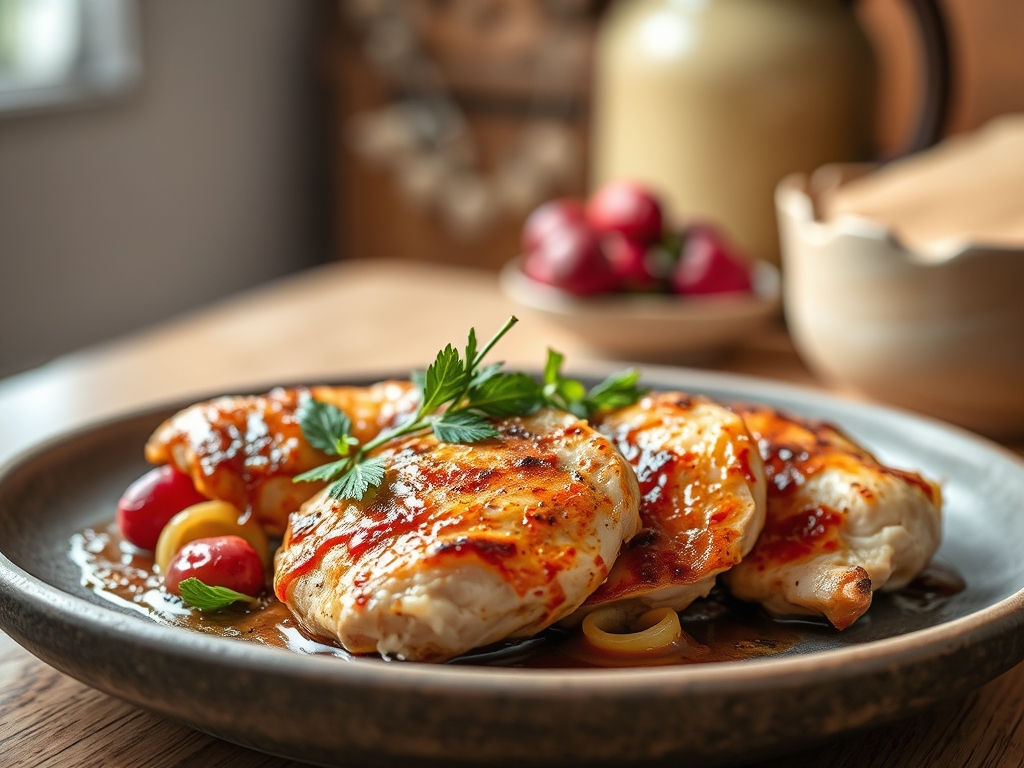
Imagine the scent of bubbling crimson berries colliding with the savory aroma of searing poultry in a hot skillet. It is the ultimate kitchen alchemy. When you master cranberry chicken recipes, you are not just making dinner; you are balancing the aggressive acidity of the fruit against the rich, fatty profile of the meat. This dish is a masterclass in contrast.
The secret lies in the way the sugars in the berries caramelize. As the heat climbs, those tiny red globes burst, releasing pectin that transforms a thin juice into a glossy, viscous glaze. It is sophisticated enough for a candlelit dinner but sturdy enough for a Tuesday night. We are aiming for a result that is deeply savory, slightly piquant, and visually stunning. This is the kind of meal that makes people think you spent hours at the stove, even if you just finished a long day at the office.
Let us get your workstation ready. We are going to treat these ingredients with the respect they deserve, using professional techniques to ensure every bite is a perfect harmony of flavor and texture. Grab your favorite apron and let us dive into the science of the sear.
The Gathers:
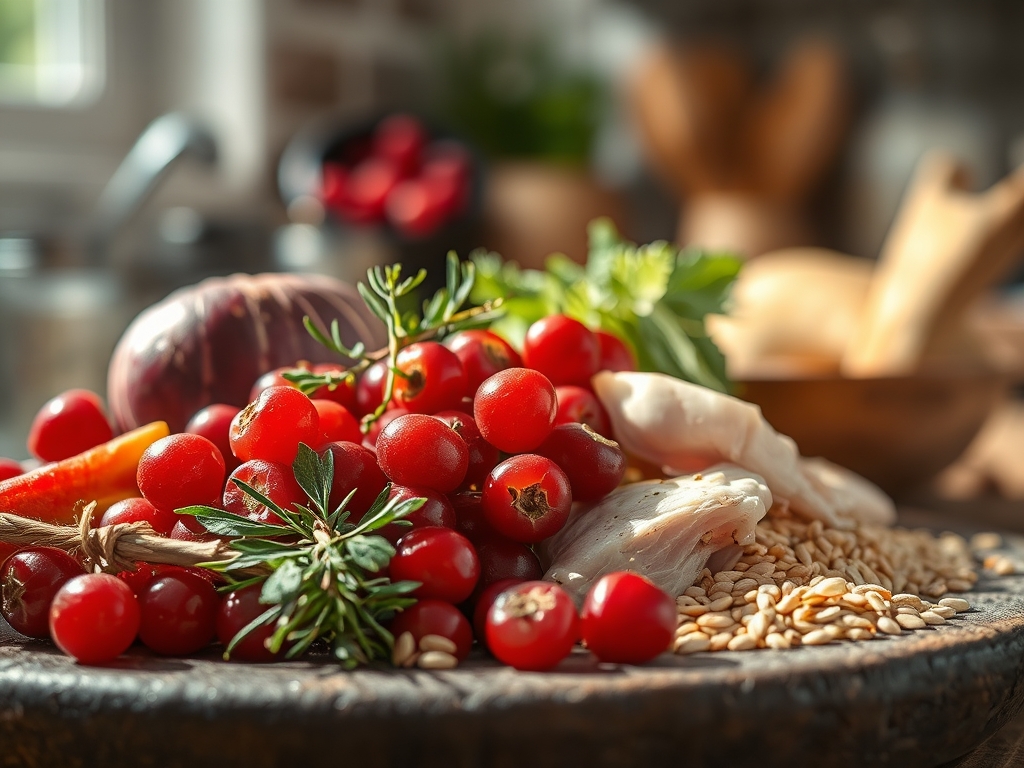
To execute top-tier cranberry chicken recipes, your mise-en-place must be precise. We start with six organic chicken thighs, skin-on and bone-in. Why? The bone acts as a thermal conductor, ensuring the meat stays succulent while the skin provides the necessary fat to render into the sauce. You will need twelve ounces of fresh cranberries; frozen work too, but fresh berries contain more active pectin for thickening.
For the aromatics, gather two large shallots and three cloves of garlic. We will use a microplane to grate a tablespoon of fresh ginger, adding a spicy undertone that cuts through the sweetness. The liquid base requires half a cup of dry white wine for deglazing and a quarter cup of pure maple syrup to balance the tartness. Finally, fresh rosemary and thyme provide the woody, resinous notes that ground the dish.
Smart Substitutions:
If you are out of fresh ginger, half a teaspoon of ground ginger works, though it lacks the bright citrus notes of the fresh root. No shallots? Use the white parts of green onions for a milder, more delicate sulfur profile. If you prefer a non-alcoholic version, replace the wine with a high-quality chicken bone broth spiked with a teaspoon of apple cider vinegar to maintain that essential acidity.
The Clock
The "Chef's Flow" is all about overlapping tasks to maximize efficiency. Your total active time is approximately 15 minutes, with a total cook time of 35 minutes.
Prep (10 Minutes): While your chicken sits on the counter to lose its refrigerator chill, mince your aromatics and wash your berries. Cold meat hitting a hot pan causes the muscle fibers to seize, resulting in a tough texture.
The Sear (10 Minutes): This is the most critical phase. You are looking for a deep, golden-brown Maillard reaction on the skin.
The Simmer (15 Minutes): Once the sauce is built, the chicken finishes cooking in the liquid. This gentle poaching environment ensures the interior reaches exactly 165 degrees Fahrenheit without drying out.
The Masterclass
1. The Temper and Sear
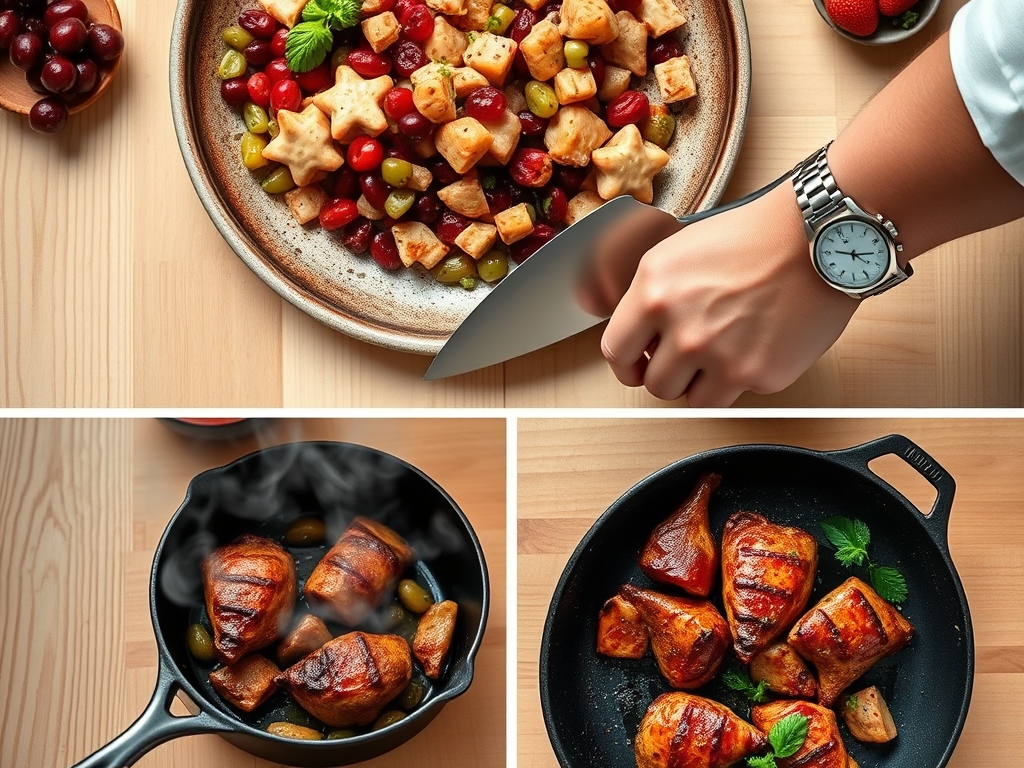
Pat the chicken thighs bone-dry with paper towels. Moisture is the enemy of a good sear. Season aggressively with kosher salt and cracked black pepper. Heat a heavy-bottomed skillet over medium-high heat with a splash of neutral oil. Place the chicken skin-side down and do not move it for at least six minutes.
Pro Tip: This technique utilizes the Maillard Reaction, a chemical reaction between amino acids and reducing sugars that creates hundreds of different flavor compounds. Moving the meat too early prevents the crust from forming and causes the skin to tear.
2. Rendering and Aromatics
Use tongs to flip the chicken once the skin is shatter-crisp. Remove the chicken from the pan and set it aside on a plate. Drain all but two tablespoons of the rendered fat. Add your minced shallots and garlic to the pan, stirring with a wooden spoon to prevent burning.
Pro Tip: By rendering the chicken fat, you are creating a flavorful base for your sauce. The fat carries the fat-soluble flavor compounds from the garlic and shallots more effectively than water or wine ever could.
3. Deglazing the Fond
Pour in the white wine. Use your spoon to scrape up the brown bits stuck to the bottom of the pan. This is called the fond, and it is concentrated flavor gold. Allow the liquid to reduce by half.
Pro Tip: Deglazing uses a solvent (liquid) to dissolve the caramelized proteins and sugars. This process incorporates the intense flavors developed during the sear directly into your sauce.
4. The Berry Burst
Add the cranberries, maple syrup, and grated ginger to the skillet. Stir constantly as the berries begin to pop. You will notice the sauce thickening almost instantly. Return the chicken to the pan, nestling the pieces into the berries.
Pro Tip: Cranberries are high in pectin, a natural polysaccharide found in plant cell walls. When heated with sugar and acid, pectin chains bind together to create a gel-like consistency, naturally thickening your sauce without flour.
5. The Herb Infusion
Add your sprigs of rosemary and thyme. Reduce the heat to low, cover the pan, and let it simmer for about 10 minutes. Use a digital scale or meat thermometer to check the internal temperature of the thickest part of the thigh.
Pro Tip: This stage involves thermal carryover. Even after you remove the pan from the heat, the internal temperature will rise by 3 to 5 degrees. Pulling the chicken at 160 degrees ensures it hits a perfect 165 on the plate.
6. The Final Emulsification
Remove the chicken to a serving platter. If the sauce looks too thin, turn the heat up for one minute. Whisk in a cold pat of butter right before serving to give the sauce a professional sheen.
Pro Tip: This is called monter au beurre. The cold butter emulsifies into the hot sauce, creating a smooth, creamy texture and a luxurious mouthfeel that balances the sharp acidity of the cranberries.
The Deep Dive
Macro Nutrition: One serving of this cranberry chicken provides approximately 340 calories, 28 grams of protein, 14 grams of healthy fats, and 12 grams of carbohydrates. It is a high-protein option that stays relatively low-carb if you watch the maple syrup.
Dietary Swaps: For a Keto version, swap the maple syrup for a monk fruit sweetener and use a dry sugar-free wine. For a Vegan alternative, use thick slices of cauliflower or firm tofu, though you will need to add a bit of vegetable broth to mimic the richness of the chicken fat. This recipe is naturally Gluten-Free, provided your chicken broth is certified.
The Fix-It:
- Sauce is too tart: Add a pinch of baking soda. It sounds wild, but the base neutralizes the acid without making the dish overly sweet.
- Skin is soggy: You likely crowded the pan. Use a larger skillet or sear in batches to allow steam to escape.
- Sauce is too thick: Whisk in a tablespoon of warm water or broth at a time until the desired viscosity is reached.
Meal Prep: When reheating, do not use the microwave on high power; it toughens the proteins. Instead, place the chicken in a covered dish with a splash of water and heat in a 300-degree oven. This preserves the molecular structure of the meat and keeps the sauce from breaking.
The Wrap-Up
Mastering cranberry chicken recipes is a gateway to understanding how acid and fat interact on the palate. By using techniques like deglazing and pectin-based thickening, you have elevated a simple fruit and protein pairing into a gourmet experience. This dish is vibrant, soulful, and scientifically sound. Now, grab a glass of that leftover white wine, sit down, and enjoy the fruits of your labor. You have earned every delicious, tangy bite.
The Kitchen Table
Can I use cranberry sauce instead of fresh berries?
Yes, but reduce the maple syrup significantly. Canned sauce is already heavily sweetened and contains thickeners, so the final texture will be much more jam-like and less piquant than using fresh fruit.
What is the best way to get crispy skin?
Always start with bone-dry skin and a cold-pressed oil with a high smoke point. Do not flip the chicken until it releases naturally from the pan; if it sticks, the crust hasn't fully formed yet.
How long does cranberry chicken last in the fridge?
Stored in an airtight container, it stays fresh for up to four days. The acidity in the cranberries actually acts as a mild preservative, keeping the flavors bright and preventing the chicken from tasting "leftover."
Can I make this in a slow cooker?
You can, but you will lose the crispy skin. If using a slow cooker, sear the chicken in a skillet first to develop flavor, then transfer everything to the crockpot for four hours on low heat.