
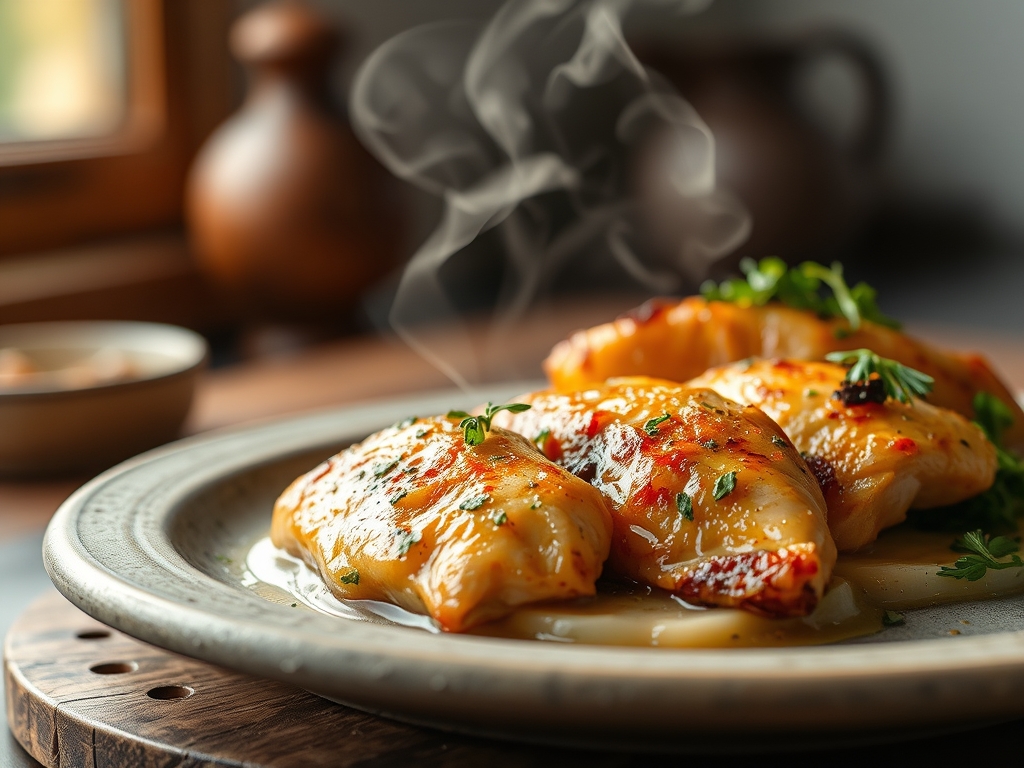
Listen to that sound. It is the aggressive, rhythmic sizzle of protein hitting a preheated heavy-bottomed skillet; a sound that promises dinner is mere minutes away. We have all been there, staring into the refrigerator at a pale package of poultry, wondering how to transform it into something spectacular. Mastering boneless skinless chicken recipes is the ultimate culinary cheat code for the busy, the hungry, and the flavor-obsessed. It is the blank canvas of the kitchen, ready to absorb whatever piquant aromatics or silken emulsions you throw its way.
The beauty of this protein lies in its speed. Without bone or skin to act as thermal insulators, heat penetrates the muscle fibers with surgical precision. We are moving beyond the rubbery, uninspired breasts of the past. Today, we are leaning into the chemistry of the Maillard reaction to create golden crusts and juicy interiors. Whether you are meal prepping for a high-octane week or hosting a last-minute dinner party, these techniques will turn you into the smartest cook in the room. Let us grab our tongs and get to work.
The Gathers:
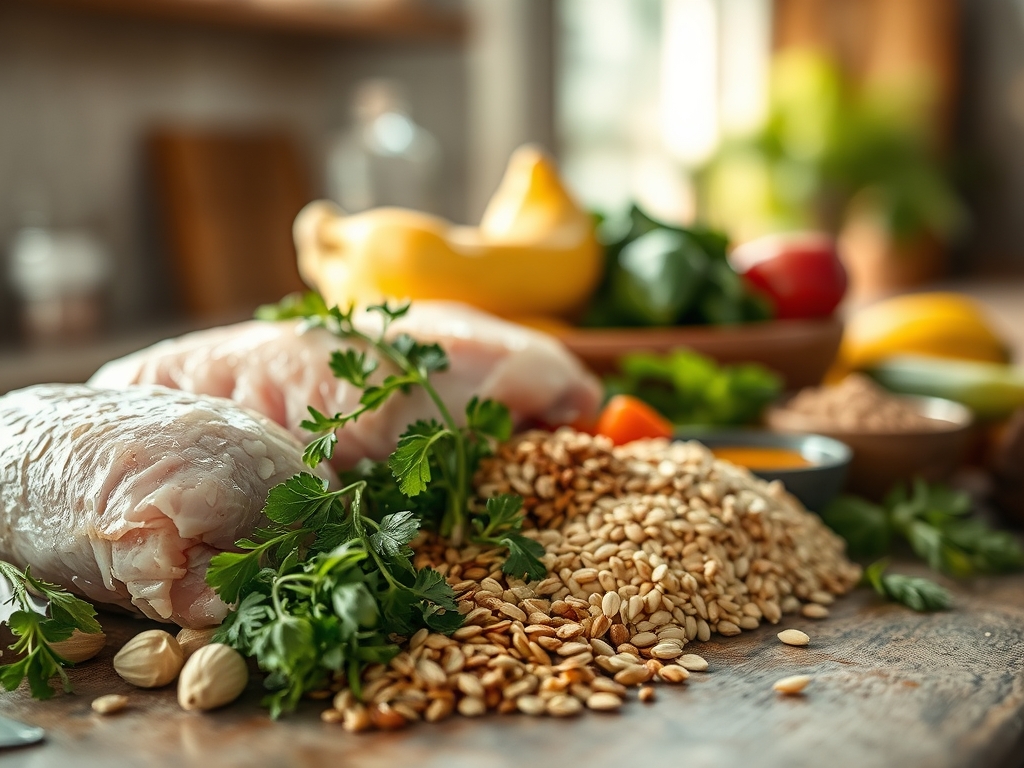
To execute these boneless skinless chicken recipes with professional flair, your mise-en-place must be tight. Start with your protein. If you are using a digital scale, aim for six-ounce portions; this ensures uniform cooking times across the board. You will need a high-smoke-point fat, such as avocado oil or clarified butter, to facilitate high-heat searing without the bitter aftertaste of burnt solids.
Gather your aromatics: fresh cloves of garlic ready for the microplane, ginger for a zesty bite, and shallots to provide a delicate, sulfurous base. For the liquids, keep a high-quality chicken stock or a dry white wine nearby to deglaze the pan. The brown bits stuck to the bottom, known as fond, are concentrated flavor gold.
Smart Substitutions: If you are out of fresh citrus, a splash of rice vinegar provides that necessary acid to cut through the richness. No heavy cream? A dollop of full-fat Greek yogurt or a splash of coconut milk creates a viscous, velvety sauce without the dairy fatigue. Always have a bench scraper handy to move your chopped herbs from the board to the pan without losing a single leaf of cilantro or parsley.
The Clock:
Efficiency in the kitchen is about "Chef's Flow." This is the art of overlapping tasks so that no second is wasted. For most boneless skinless chicken recipes, the active prep time is roughly ten minutes, with a cook time of twelve to fifteen minutes.
The flow works like this: while your skillet is heating (which takes about three minutes for stainless steel or five for cast iron), you are patting the chicken dry and seasoning. Once the chicken hits the pan, you use those first six minutes of searing to chop your vegetables or whisk your sauce components. By the time you flip the meat, your workspace is clean, and your garnish is ready. Total elapsed time? Under thirty minutes from fridge to table.
The Masterclass:
1. The High-Heat Sear
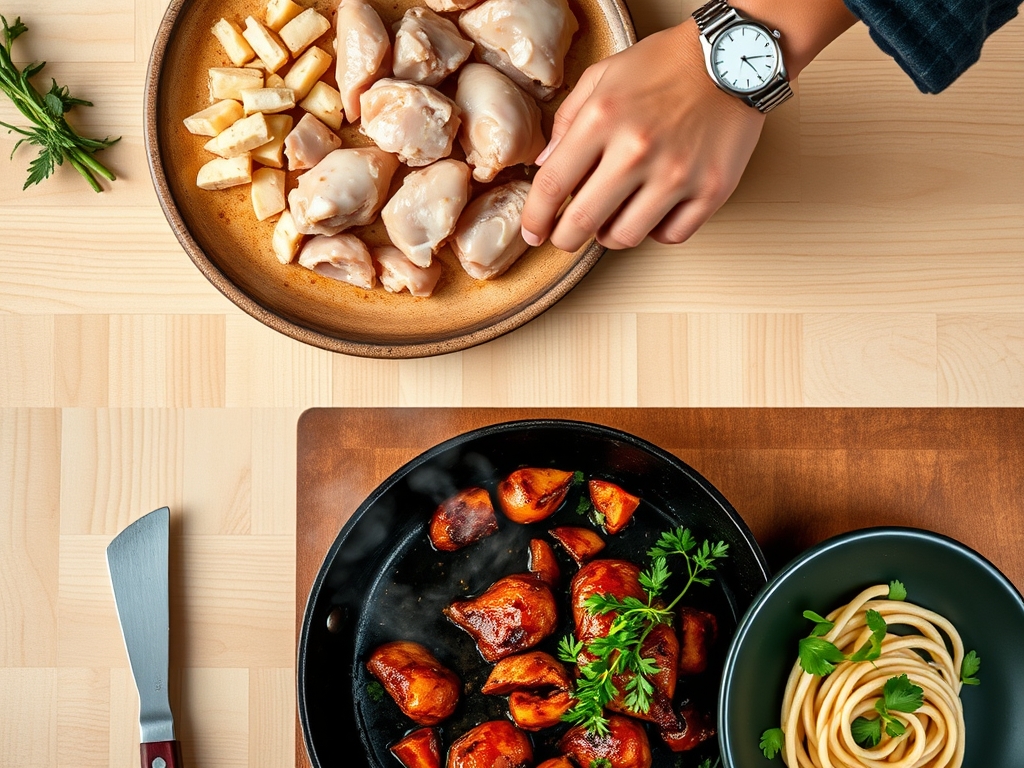
Start by patting the meat bone-dry with paper towels. Moisture is the enemy of a good crust; if the surface is wet, the chicken will steam rather than sear. Place the meat in a shimmering oil and leave it alone.
Pro Tip: This is the Maillard reaction at work. It is a chemical reaction between amino acids and reducing sugars that creates hundreds of different flavor compounds. If the meat resists when you try to flip it, the crust hasn't formed yet. Wait for the protein to naturally release from the pan.
2. The Pan-Sauce Deglaze
After removing the chicken, the pan will be covered in caramelized juices. Pour in a half-cup of liquid and use a wooden spoon to scrape the bottom.
Pro Tip: Deglazing uses the kinetic energy of boiling liquid to lift the fond. This creates a deeply savory base for any sauce. Adding a cold knob of butter at the end will "mount" the sauce, creating a stable emulsion through a process called monter au beurre.
3. The Velveting Technique
For stir-fry styles, toss bite-sized pieces in a mixture of cornstarch and egg white before cooking.
Pro Tip: This creates a protective barrier that prevents the fibers from tightening too quickly. It results in a silky, tender texture common in professional Chinese cuisine, protecting the delicate proteins from the intense heat of the wok.
4. The Aromatherapy Infusion
Add smashed garlic and woody herbs like thyme or rosemary to the fat in the pan during the last three minutes of cooking.
Pro Tip: Fat is a solvent for flavor. By infusing the oil or butter, you are creating a fragrant delivery system that coats every millimeter of the chicken, ensuring the herbs don't just sit on top but actually permeate the surface.
5. The Low-Moisture Roast
If using an oven, elevate the chicken on a wire rack set over a baking sheet.
Pro Tip: This allows for 360-degree air circulation. In a standard pan, the bottom of the chicken sits in its own juices and becomes soggy. The rack ensures even thermal distribution, leading to a consistent internal temperature.
6. The Acid Finish
Always squeeze fresh lemon or lime over the finished dish right before serving.
Pro Tip: Acid acts as a flavor reinforcer. It brightens the heavy, savory notes of the meat by stimulating the salivary glands, making the entire dish feel lighter and more complex on the palate.
7. The Carryover Rest
Transfer your chicken to a warm plate and tent it loosely with foil for five minutes.
Pro Tip: Thermal carryover means the internal temperature will rise another five degrees after it leaves the heat. Resting allows the muscle fibers to relax and reabsorb the juices; if you cut it immediately, the moisture will leak out, leaving the meat dry.
8. The Pounding Method
Use a meat mallet or the bottom of a heavy saucier to flatten the chicken to an even thickness.
Pro Tip: Uniformity is the key to even cooking. When one end of a breast is three inches thick and the other is half an inch, you inevitably overcook the thin part. Pounding ensures every bite reaches the safe 165 degree mark simultaneously.
9. The Brine Bath
Submerge the chicken in a solution of salt and water for thirty minutes before cooking.
Pro Tip: Through osmosis, the salt water enters the cells of the meat. This not only seasons the chicken from the inside out but also increases its moisture-holding capacity, providing a safety net against overcooking.
10. The Glaze Application
Brush on sugary sauces (like BBQ or honey-garlic) only in the final sixty seconds of cooking.
Pro Tip: Sugars have a low burning point. If you apply them too early, they will carbonize and turn bitter. Applying them at the end allows the heat to thicken the sauce into a glossy, viscous lacquer without burning it.
The Deep Dive:
When we look at the macro nutrition of these boneless skinless chicken recipes, the stats are impressive. A standard six-ounce serving provides roughly 52 grams of high-quality protein with minimal saturated fat. This makes it a powerhouse for muscle repair and satiety.
For those following specific dietary paths, the swaps are seamless. To make these recipes Keto-friendly, replace any flour dredges with almond meal or crushed pork rinds. For a Vegan twist, these same flavor profiles work beautifully with pressed extra-firm tofu or seitan. If you are Gluten-Free, ensure your soy sauce is swapped for tamari or liquid aminos to maintain that umami depth.
The Fix-It:
- Dry Meat: If you overshot the temperature, shred the chicken and toss it with a tablespoon of warm stock and a teaspoon of fat. This mimics the lost moisture.
- Pale Surface: If the chicken looks grey, you crowded the pan. Next time, cook in batches. For now, a quick blast under the broiler can add some emergency color.
- Bland Flavor: If it tastes flat, it usually needs salt or acid. Add a pinch of sea salt and a dash of vinegar; the flavors will immediately "pop."
For meal prep, the secret to "day-one" quality is the reheating method. Avoid the microwave, which vibrates water molecules and toughens the protein. Instead, reheat in a covered skillet with a tablespoon of water over medium-low heat. This steams the meat gently, restoring its original suppleness.
The Wrap-Up:
You are now armed with the technical prowess to turn a simple piece of poultry into a culinary masterpiece. From the science of the Maillard reaction to the precision of a pan-sauce deglaze, these boneless skinless chicken recipes are no longer a chore; they are an opportunity to flex your kitchen muscles. Remember to trust your tools, watch your temperatures, and never skip the rest. Now, get into that kitchen and make something delicious!
The Kitchen Table:
How do I keep chicken from sticking to the pan?
Ensure the pan and oil are fully heated before adding the protein. Once the chicken develops a proper sear via the Maillard reaction, it will naturally release. If it sticks, it simply needs another minute of undisturbed contact with the heat.
What is the safest internal temperature for chicken?
The USDA recommends 165 degrees Fahrenheit. However, you can pull the chicken at 160 degrees if you let it rest for five minutes. Thermal carryover will bring it to the safe zone while maintaining maximum juiciness and preventing fiber toughening.
Can I cook boneless chicken from frozen?
It is not recommended for searing as the exterior will burn before the interior thaws. For safety and texture, thaw in the refrigerator overnight or use a cold-water bath. This ensures even heat distribution and prevents a rubbery, unevenly cooked result.
Why is my chicken rubbery after cooking?
This usually happens due to overcooking or cooking at too low a temperature for too long. High heat for a shorter duration prevents the proteins from over-coagulating. Always use a digital thermometer to avoid the dreaded rubbery texture of overdone meat.