
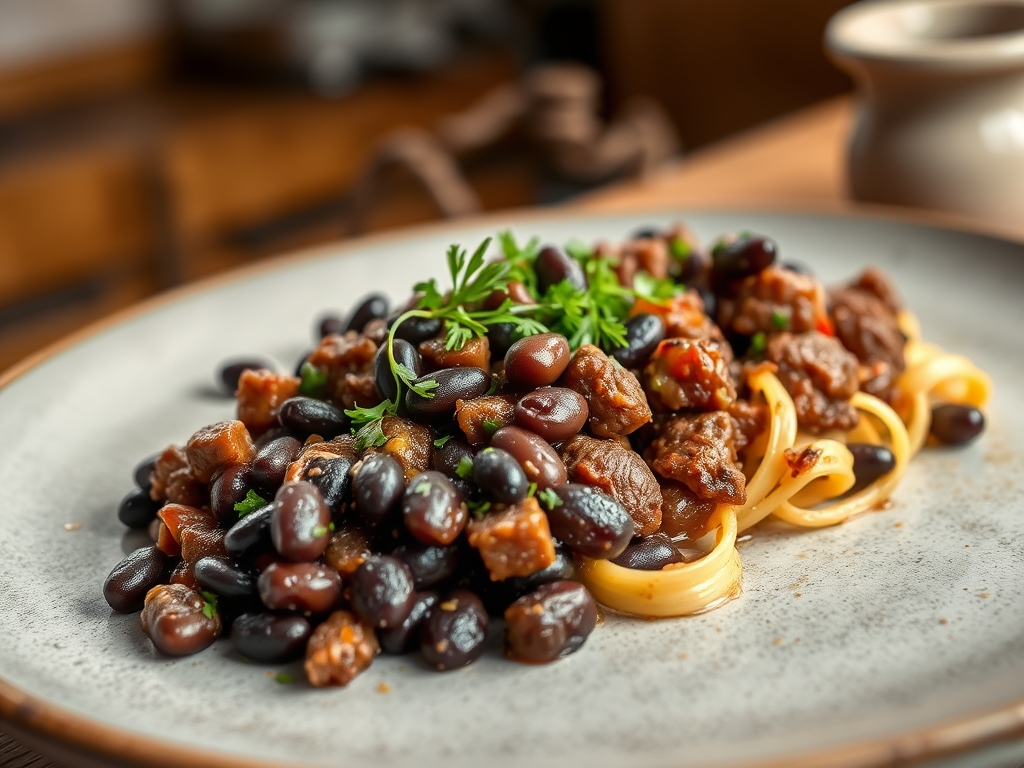
Picture the sound of a heavy-bottomed cast iron skillet hitting the burner; that sharp, metallic ring is the starting bell for a dinner that actually works for you. When you are staring at a pound of protein and a pantry staple, you are looking at the foundation for the best black beans and ground beef recipes in your repertoire. We are talking about the perfect marriage of earthy, fiber-dense legumes and the rich, savory depth of high-quality beef. This is not just a meal; it is a masterclass in texture and efficiency. We are going to harness the power of high-heat searing and aromatic infusion to turn these humble ingredients into a weeknight powerhouse that tastes like a weekend project. Grab your favorite wooden spoon and let us get into the chemistry of flavor.
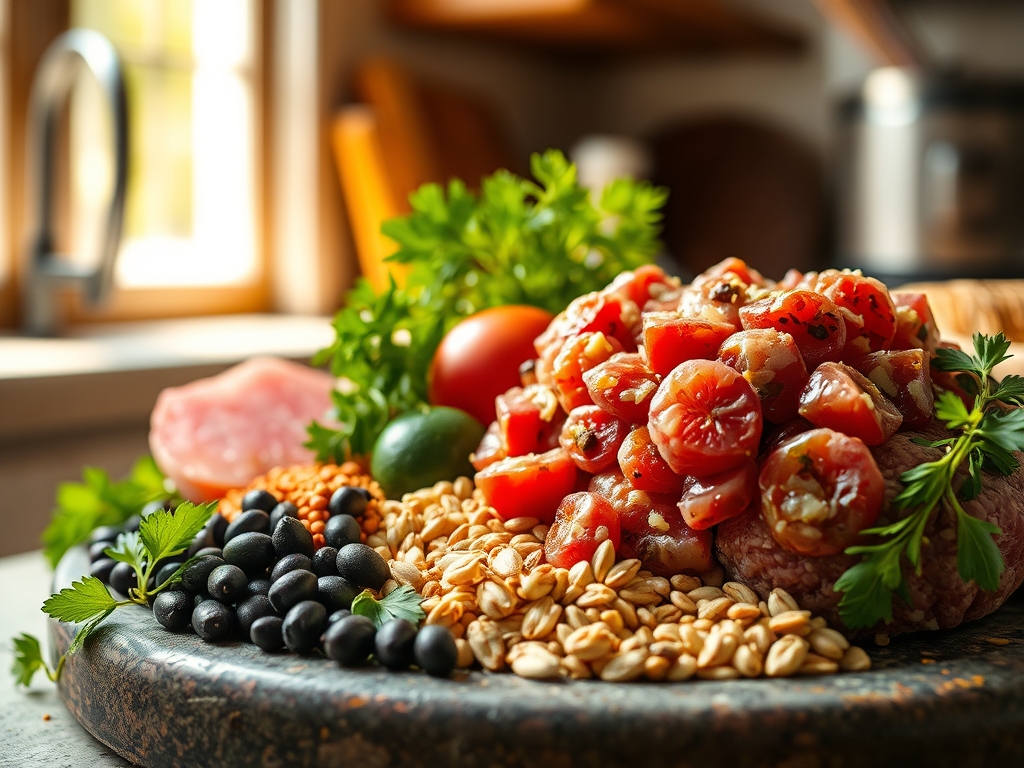
The Gathers:
To execute these black beans and ground beef recipes with precision, your mise-en-place must be tight. We start with the beef; look for a 80/20 blend. That 20 percent fat content is not just for flavor; it is the medium for lipid-soluble spice extraction. For the beans, if you are using canned, they must be rinsed until the water runs clear to remove excess metallic-tasting starches. If you are using dried, ensure they are soaked with a pinch of baking soda to break down the hemicellulose for a creamier interior.
You will need a microplane for the aromatics. Grating your garlic and ginger creates a paste that integrates into the fat instantly, preventing the bitter "burnt chip" effect of unevenly chopped pieces. For the acid, keep a few fresh limes or a bottle of high-quality sherry vinegar nearby. The acidity acts as a chemical "brightener" that cuts through the heavy proteins.
Smart Substitutions:
If you are looking to lean out the dish, ground turkey or bison works beautifully, though you may need to add a teaspoon of neutral oil to facilitate the Maillard reaction. For a lower-sodium profile, swap the canned beans for pressure-cooked dry beans infused with kombu; this sea vegetable contains natural glutamates that mimic the "umami" punch of salt without the sodium spike. Use a digital scale to measure your spices if you are batch-cooking; precision ensures the piquant notes of cumin and smoked paprika stay balanced across all six variations.
The Clock:
Efficiency in the kitchen is about "Chef's Flow." This is the art of overlapping tasks so that no heat is wasted. Your total active time for these recipes is roughly 15 minutes, with a total cook time of 25 minutes. While the skillet preheats (which takes about 3 to 4 minutes to reach the Leidenfrost point), you should be using a bench scraper to organize your chopped aromatics.
The flow follows a strict sequence: render the fat, sear the protein, bloom the spices, and then finish with the liquid components. By the time the beef is perfectly browned, your beans should be ready to hit the pan. If you find yourself waiting for the pan to heat, you are losing the momentum of the meal. Use a digital thermometer to ensure your beef hits 160 degrees Fahrenheit without overshooting into "rubbery" territory.
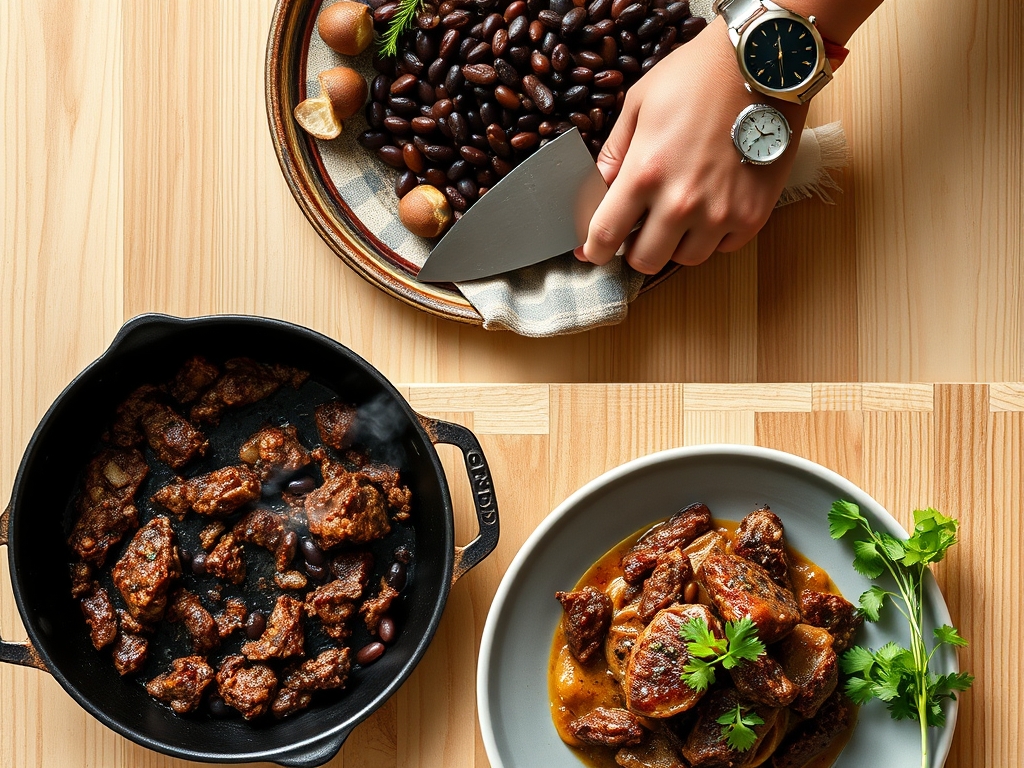
The Masterclass:
1. The High-Heat Sear
Start by placing your beef in a cold skillet and then turning the heat to medium-high. This allows the fat to render slowly before the browning begins, ensuring the meat fries in its own tallow rather than steaming in its own juices. Use a stiff metal spatula to press the meat down, maximizing surface area contact.
Pro Tip: This technique triggers the Maillard reaction, a chemical dance between amino acids and reducing sugars that creates hundreds of different flavor compounds. Do not move the meat too early; patience is the key to that deep, mahogany crust.
2. Deglazing the Fond
Once the beef is browned and removed, you will see brown bits stuck to the bottom of the pan. This is "fond," and it is concentrated flavor gold. Pour in a splash of stock or wine and use your spatula to scrape it up.
Pro Tip: This process is called deglazing. The liquid dissolves the caramelized proteins, incorporating them back into the sauce to create a more viscous and complex mouthfeel.
3. Blooming the Aromatics
Add your spices (cumin, chili powder, coriander) directly into the remaining hot fat before adding any other liquids. Stir constantly for 30 to 60 seconds until the kitchen smells incredible.
Pro Tip: Spices contain essential oils that are fat-soluble. "Blooming" them in hot oil unlocks volatile flavor compounds that would otherwise remain trapped if you simply stirred them into a watery sauce.
4. The Bean Integration
Add your rinsed black beans to the skillet. Use the back of your spoon to gently mash about 10 percent of the beans. This releases natural starches into the pan.
Pro Tip: These released starches act as a natural emulsifier, thickening the surrounding liquid into a glossy sauce without the need for cornstarch or flour.
5. The Acid Finish
Just before serving, take the pan off the heat and stir in your fresh lime juice or vinegar. This is the "brightening" phase that balances the heavy fats of the beef.
Pro Tip: Acid reacts with the salt and fat to "awaken" the taste buds. Adding it at the end prevents the flavor from dulling during the simmering process, a concept known as flavor volatility.
6. The Carryover Rest
Transfer the mixture to a serving bowl and let it sit for three minutes before digging in. This allows the internal temperatures to equalize across the beans and beef.
Pro Tip: This accounts for thermal carryover. The residual heat continues to cook the center of the beans slightly, ensuring a uniform texture throughout the entire dish.
The Deep Dive:
When we look at the macro profile of these black beans and ground beef recipes, we are looking at a nutritional powerhouse. A standard serving provides roughly 28 grams of protein and 12 grams of fiber. This combination is the gold standard for satiety, keeping your blood sugar stable for hours.
Dietary Swaps:
For my Keto friends, increase the beef ratio and swap the black beans for roasted radishes or cauliflower florets to mimic the texture with fewer carbs. For a Vegan twist, replace the beef with a walnut and mushroom mince; the mushrooms provide the guanylate umami boost that beef usually offers. Gluten-free? This recipe is naturally safe, provided your spice blends do not contain hidden anti-caking agents like wheat flour.
The Fix-It:
- Too Salty: Do not add water; add a splash of honey or a squeeze of lime. The sugar and acid will distract the palate from the sodium.
- Too Watery: Remove a cup of the mixture, blend it in a saucier, and stir it back in. The pureed beans will act as a thickener.
- Bland Flavor: You likely missed the "blooming" step. Sauté a teaspoon of chili powder in a separate small pan with a drop of oil and stir it in at the end.
Meal Prep:
When reheating, the beans often soak up all the moisture. To achieve "day-one" quality, add a tablespoon of water or broth before microwaving. This creates a mini steam chamber, re-hydrating the starches and preventing the beef from becoming tough.
The Wrap-Up:
You have just mastered the art of the skillet. By understanding the chemistry of the Maillard reaction and the structural benefits of bean starches, you have turned a basic grocery list into a gourmet rotation. These black beans and ground beef recipes are your new secret weapon for busy nights. Now, get that skillet hot, trust your senses, and remember: the best food happens when science meets soul. Happy cooking!
The Kitchen Table:
Can I use dried beans without soaking them first?
Yes, if you use a pressure cooker. The high pressure forces moisture into the bean’s core, bypassing the need for a 12-hour soak. However, adding a pinch of salt to the water prevents the skins from bursting during the process.
Why does my ground beef look gray instead of brown?
You likely overcrowded the pan. When too much meat hits the surface at once, the temperature drops and the meat boils in its own moisture. Cook in batches to ensure high-heat contact and proper enzymatic browning.
What is the best way to store leftovers?
Store in an airtight glass container for up to four days. Glass is non-porous and won't absorb the piquant spices. For longer storage, these recipes freeze beautifully for up to three months; just leave space for expansion.
How do I make the dish spicier without changing the texture?
Incorporate a finely minced habanero or serrano during the aromatic phase. If you prefer a smoky heat, use chipotle peppers in adobo sauce. The capsaicin will infuse into the rendered beef fat, spreading the heat evenly throughout the dish.