
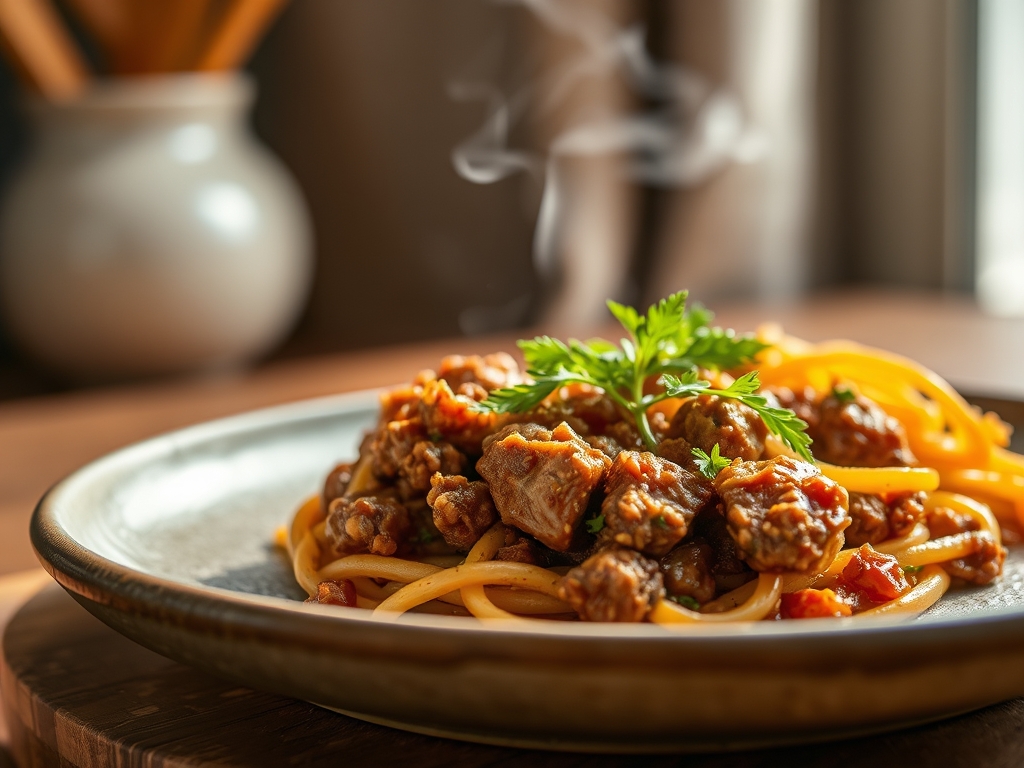
Picture this: the sizzle of a heavy-bottomed skillet meeting cold protein, the immediate release of savory aromatics, and the golden crust forming as proteins reorganize under heat. If you have been searching for a way to balance the lean profile of poultry with the rich, umami depth of red meat, these chicken ground beef recipes are your new culinary obsession. We are blending the two to create a texture that is lighter than traditional burgers but far more succulent than standard turkey patties.
Mixing these two proteins is not just a budget hack; it is a strategic move for moisture retention. Chicken breast is notorious for drying out because it lacks the intramuscular fat found in bovine cuts. By folding in ground beef, you introduce rendered fat that coats the leaner chicken fibers, creating a juicy, tender mouthfeel that holds up to high-heat searing. This hybrid approach allows for a piquant flavor profile that acts as a canvas for bold spices and zesty infusions.
Whether you are aiming for a weeknight win or a meal prep marathon, understanding the molecular synergy between these meats will elevate your cooking from basic to brilliant. We are going to dive into the chemistry of the sear, the importance of fat ratios, and the specific tools you need to ensure every bite is a masterpiece of texture and taste.
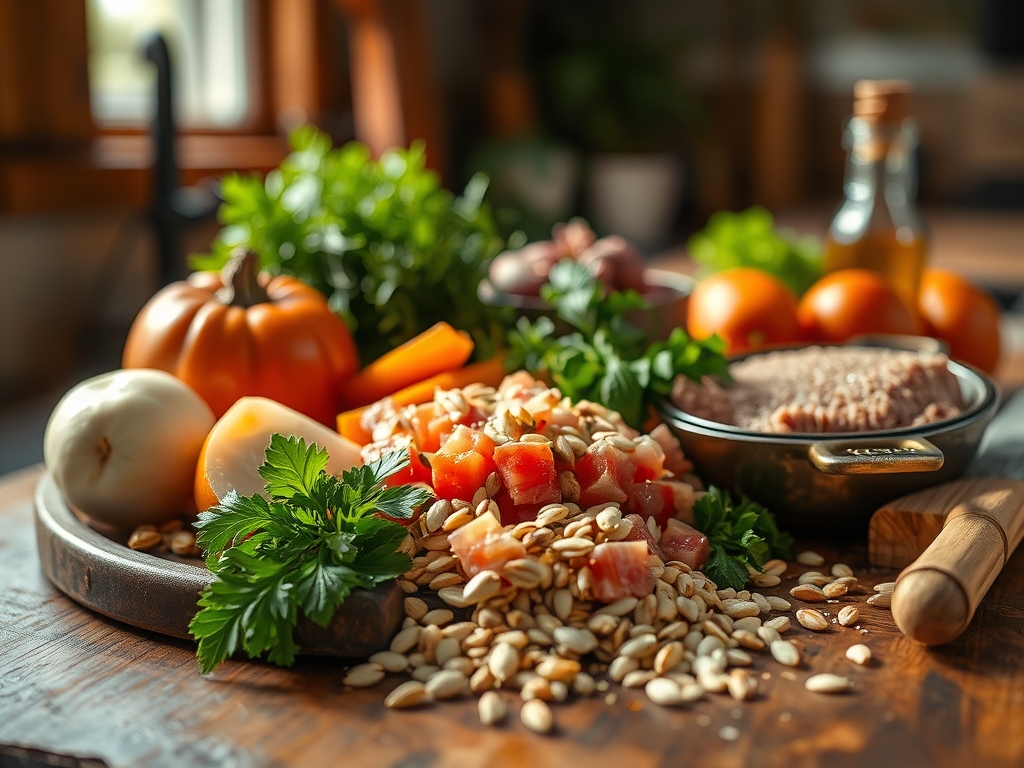
The Gathers:
To execute these chicken ground beef recipes with precision, your mise-en-place must be meticulous. Start with high-quality proteins: aim for a 50/50 ratio of ground chicken to lean ground beef (90/10 or 85/15). Using a digital scale is vital here to ensure your fat-to-lean ratio remains consistent, which prevents the patties from shrinking excessively or becoming crumbly.
Next, gather your aromatics. You will need fresh garlic, shallots, and perhaps a thumb of ginger for that zesty kick. Use a microplane to grate these ingredients; this increases the surface area, allowing the volatile oils to infuse the meat more deeply than a standard dice would. For the "zesty" element, look toward acidic brighteners like lime zest, pickled jalapenos, or a splash of apple cider vinegar to cut through the richness of the beef fat.
Smart Substitutions:
If you want to lean further into the "healthy" side, swap the ground beef for bison, which offers a similar iron-heavy flavor profile but with less saturated fat. For those avoiding binders like breadcrumbs, use almond flour or finely pulsed mushrooms. Mushrooms are a "secret weapon" because they contain glutamate, which enhances the savory umami of the beef while mimicking the soft texture of ground chicken.
The Clock
Efficiency in the kitchen is all about the "Chef's Flow." This is the practice of overlapping tasks so that no second is wasted while the pan is heating. For these chicken ground beef recipes, your total active prep time is approximately 20 minutes, with a cook time of 12 to 15 minutes depending on the thickness of your meat.
Start by chilling your mixing bowl. Keeping the meat cold is a technical necessity; it prevents the fat from melting prematurely, which ensures a better emulsion when you form your patties or meatballs. While the meat rests, use a bench scraper to clear your workspace and prep your garnishes. By the time your heavy-bottomed skillet has reached its smoke point, your protein should be portioned and ready for the sear. This flow ensures that by the time the meat finishes its mandatory five-minute rest, your sides are plated and the kitchen is already half-clean.
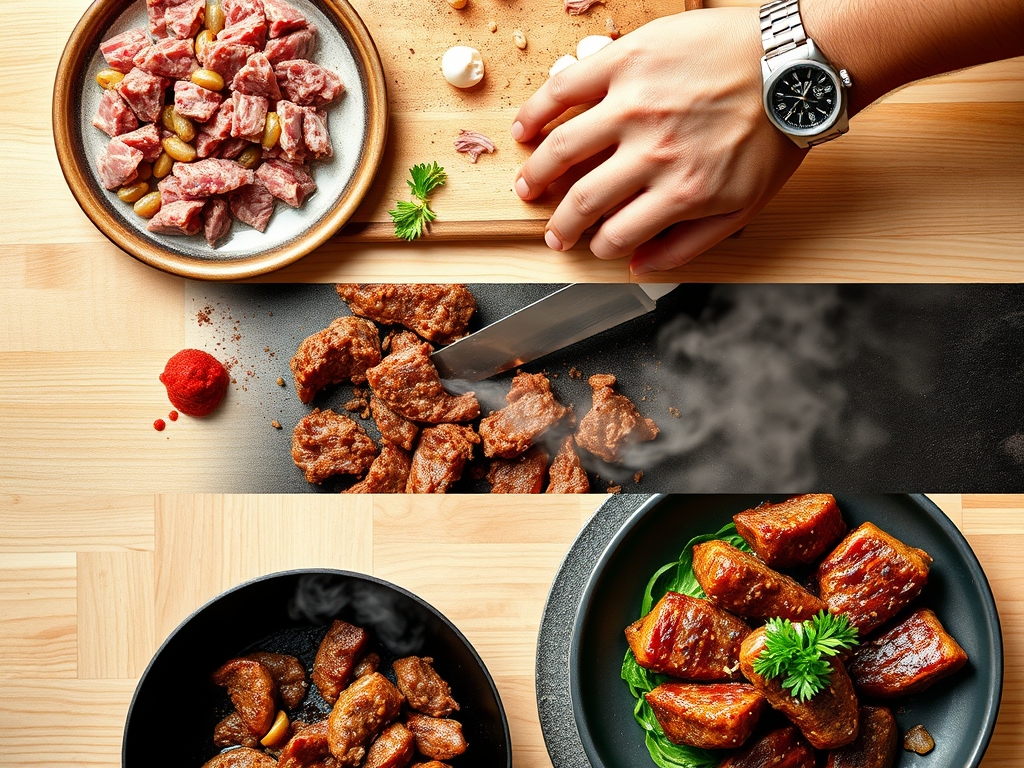
The Masterclass
1. The Cold Blend
Combine your chilled chicken and beef in a stainless steel bowl. Use your hands or a sturdy spatula to fold the meats together until just combined. Overworking the meat will result in a rubbery texture because it over-develops the protein strands.
Pro Tip: This is known as protein extraction. Keeping the meat cold prevents the fats from smearing, which ensures the finished product has a tender, aerated crumb rather than a dense, sausage-like consistency.
2. Infusing the Aromatics
Incorporate your microplaned garlic, zest, and spices. Sprinkle salt from a height to ensure even distribution. If you are using a liquid component like soy sauce or Worcestershire, add it now to create a viscous binder.
Pro Tip: Salt acts as a solvent for myosin, a muscle protein. By salting before cooking, you help the meat "knit" together, which prevents your burgers from falling apart on the grill without needing excessive fillers.
3. Portioned Precision
Use a triggered scoop or a digital scale to divide the mixture into equal portions. For burgers, press a small indentation into the center of each patty with your thumb.
Pro Tip: This indentation counteracts "puckering." As the proteins contract during cooking, the center of the patty tends to bulge; the dimple ensures a flat, even surface for optimal topping stability.
4. The High-Heat Sear
Heat a cast iron or heavy-bottomed skillet until a drop of water dances and evaporates instantly. Add a high-smoke-point oil like avocado oil and place the patties in the pan, leaving space between them to avoid steaming.
Pro Tip: This triggers the Maillard reaction. This chemical reaction between amino acids and reducing sugars creates hundreds of different flavor compounds and that characteristic brown, savory crust.
5. Deglazing for Depth
Once the meat is cooked through, remove it from the pan. While the pan is still hot, pour in a splash of stock or citrus juice to loosen the browned bits (the fond) stuck to the bottom.
Pro Tip: Deglazing captures the concentrated flavor left behind after searing. This liquid can be reduced into a pan sauce that ties the light chicken and heavy beef flavors together perfectly.
The Deep Dive
Macro Nutrition:
A standard 4-ounce serving of this chicken-beef blend provides approximately 22g of protein and 12g of fat. By mixing the two, you get the high leucine content of beef (essential for muscle protein synthesis) with the lower caloric density of chicken. It is a metabolic win-win.
Dietary Swaps:
For a Keto version, omit all breadcrumbs and use crushed pork rinds as a binder. For a Gluten-Free approach, certified GF oats or chickpea flour work beautifully to absorb excess moisture. If you need a vegan alternative for a guest, a mix of pulsed walnuts and lentils can mimic the texture, though the cooking chemistry will differ significantly.
The Fix-It:
- Dry Meat: If the mix feels too lean, fold in two tablespoons of grated frozen butter. The water in the butter creates steam, while the fat adds moisture.
- Falling Apart: Your meat might be too warm. Chill the formed patties in the freezer for 10 minutes before searing to "set" the shape.
- Burnt Outside, Raw Inside: Your pan is too hot. Lower the heat and add a lid for 60 seconds to use steam to finish the interior.
Meal Prep & Reheating:
To maintain "day-one" quality, reheat your chicken ground beef recipes in a covered skillet with a teaspoon of water. This creates a mini-steam chamber that prevents the chicken from becoming "rubbery" in the microwave.
The Wrap-Up
Mastering chicken ground beef recipes is like unlocking a secret level in home cooking. You are no longer limited by the dryness of poultry or the heaviness of pure beef. You have the technical knowledge to manipulate protein structures, trigger the Maillard reaction, and balance flavors like a pro. So, grab your skillet, trust your digital scale, and get ready to serve a meal that is as smart as it is delicious. Your kitchen is now a laboratory of flavor!
The Kitchen Table
Can I freeze the raw chicken and beef mixture?
Yes, you can freeze the blended mixture for up to three months. Ensure it is airtight to prevent freezer burn. For the best results, thaw it slowly in the refrigerator to maintain the integrity of the protein fibers.
Why is my ground chicken and beef mix sticky?
Ground chicken has a higher water content and finer texture than beef. If it is too sticky to handle, chill the mixture or lightly oil your hands before shaping. This prevents the proteins from adhering to your skin.
What is the safe internal temperature for this blend?
Because this mixture contains poultry, you must cook it to an internal temperature of 165 degrees Fahrenheit. Use a digital meat thermometer inserted into the thickest part of the patty to ensure food safety without overcooking the meat.
What are the best spices for chicken ground beef recipes?
Smoked paprika, cumin, and garlic powder bridge the gap between the two meats perfectly. For a zesty profile, add lemon zest or dried oregano. These spices complement the lightness of chicken while standing up to the bold beef.