
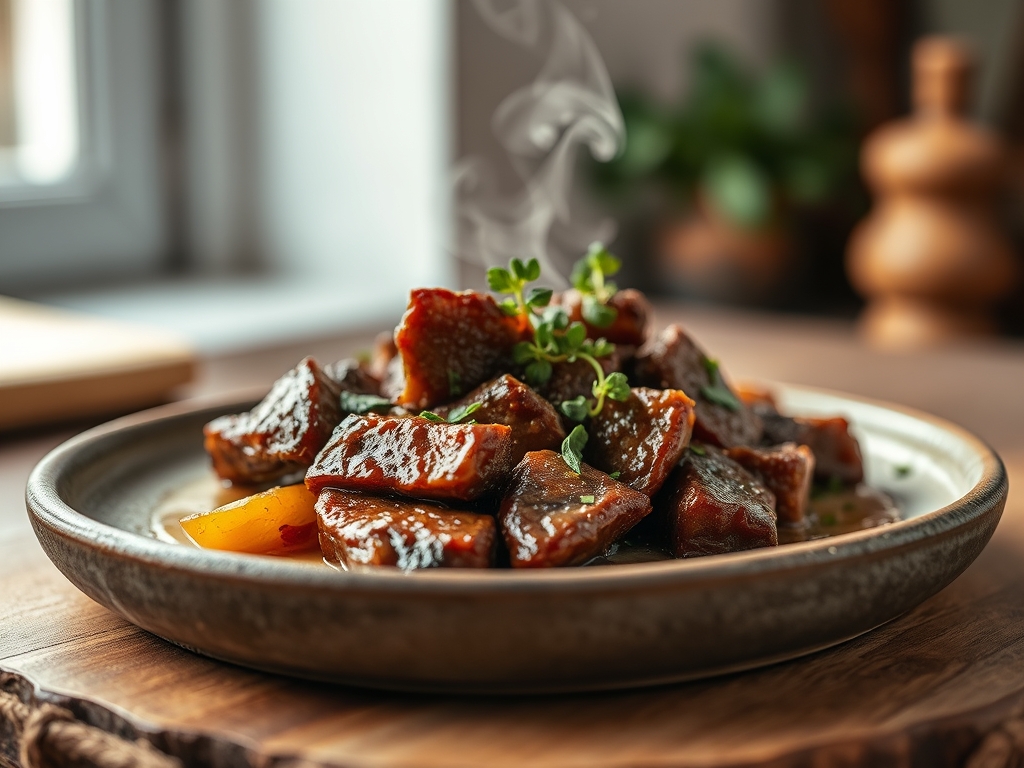
Picture this: a heavy-bottomed skillet screaming over a high flame, the scent of rendering fat hitting the air like a savory perfume, and that satisfying sizzle that promises a crust worth writing home about. You do not need a twenty-item grocery list to achieve culinary nirvana; you just need technique. Mastering easy beef recipes with few ingredients is about respecting the protein and letting the Maillard reaction do the heavy lifting for you.
We have all been there, staring at a pack of ground chuck or a flank steak at 6:00 PM with zero energy for a complex roux. This is where we pivot from exhausted home cook to savvy kitchen scientist. By focusing on high-quality fats, strategic acid, and the transformative power of heat, we can turn three or four components into a five-star experience. We are talking about deep, piquant flavors and textures that range from melt-in-your-mouth tender to perfectly charred. Grab your favorite apron and a glass of something crisp; we are about to strip your dinner routine down to its most delicious essentials while keeping your sanity entirely intact.
The Gathers:
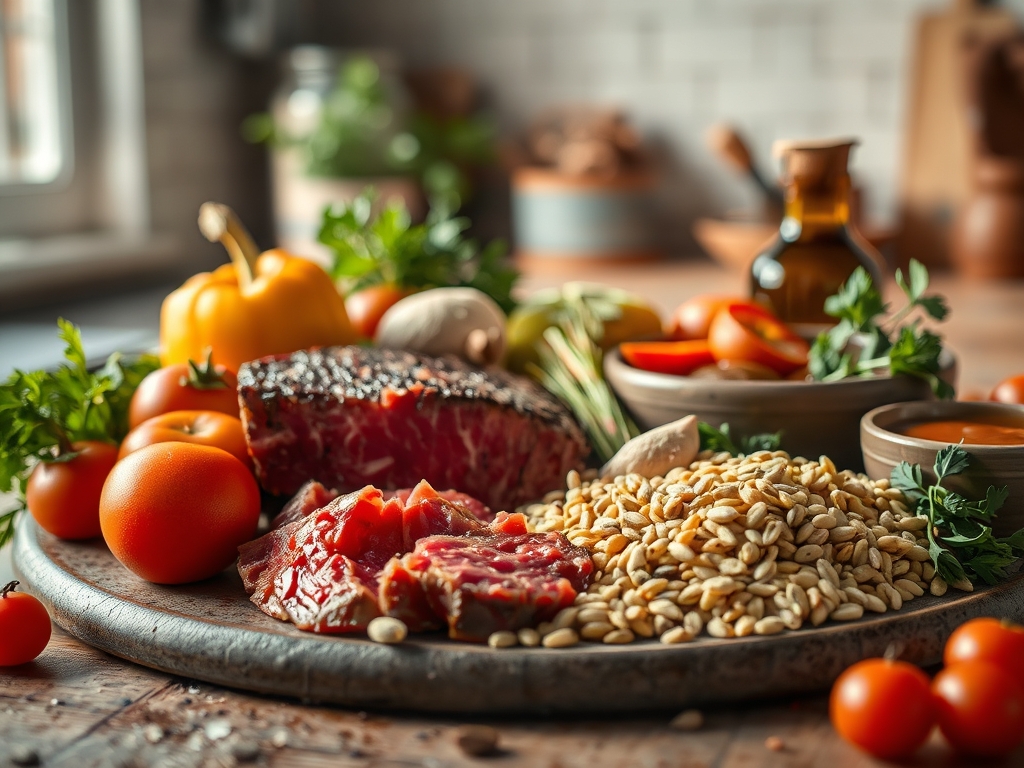
Setting your stage, or mise-en-place, is the difference between a relaxed evening and a frantic mess. When working with minimal components, the quality of your raw materials is magnified. For these recipes, you will want to focus on the fat-to-lean ratio. A 20 percent fat content in ground beef ensures a moist mouthfeel through the emulsification of rendered lipids and natural juices. If you are using steak, look for marbling; those white flecks are intramuscular fat that will infuse the meat with flavor as they melt.
Your toolkit should be lean but mean. You will need a heavy-bottomed skillet (cast iron is king here for heat retention), a pair of sturdy tongs, and a digital scale to ensure your portions are consistent. Do not forget a microplane for zest or garlic; it breaks down cell walls more effectively than a knife, releasing more essential oils.
Smart Substitutions:
If you lack balsamic vinegar for deglazing, a splash of dry red wine or even a hit of Worcestershire sauce provides that necessary acidity to cut through the richness. No fresh garlic? Use a pinch of high-quality garlic powder, but add it later in the process to prevent it from scorching and becoming bitter. If you are out of butter for finishing, a tablespoon of heavy cream can provide a similar viscous texture to your pan sauces.
The Clock: Efficiency and Flow
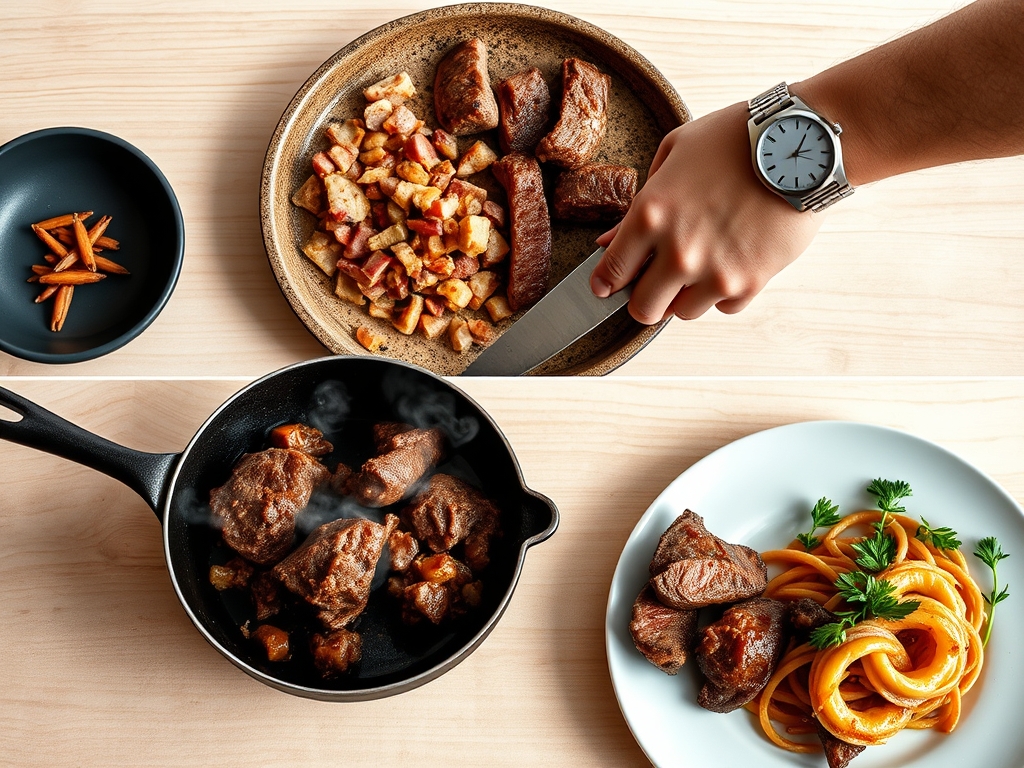
Great cooking is a rhythm. Most of these easy beef recipes with few ingredients require only 10 minutes of active prep and 15 minutes of cook time. This is the "Chef's Flow": a sequence where you utilize the heating-up period of your pan to finish your knife work.
- The Warm-Up (5 mins): Temper your meat. Taking beef out of the fridge early prevents the "gray band" effect, where the outside overcooks before the center reaches the target temperature.
- The Sear (8-10 mins): This is the high-energy phase. Once the meat hits the pan, leave it alone. Movement is the enemy of a good crust.
- The Rest (5 mins): This is non-negotiable. Resting allows the muscle fibers to relax and reabsorb the internal moisture, ensuring the juice stays in the meat rather than flooding your cutting board.
The Masterclass:
1. The Perfect Pan-Seared Ribeye
Season your steak aggressively with kosher salt. Heat your skillet until the oil wisps with smoke. Sear for three minutes per side, adding a knob of butter and crushed garlic in the last sixty seconds to baste the top.
Pro Tip: This relies on thermal carryover. Remove the steak 5 degrees before your target temperature, as the internal heat will continue to rise during the rest period.
2. Three-Ingredient Beef and Broccoli
Thinly slice flank steak against the grain. Flash-fry in a hot wok with ginger and soy sauce. The high heat ensures the broccoli stays vibrant and crisp.
Pro Tip: Slicing against the grain shortens the muscle fibers, which use mechanical tenderization to make even tougher cuts feel buttery on the tongue.
3. Garlic Butter Steak Bites
Cube your sirloin into uniform one-inch pieces. Sear them in batches to avoid crowding the pan, which would cause the meat to steam rather than brown. Toss with a generous amount of garlic butter and parsley.
Pro Tip: Crowding the pan drops the surface temperature, preventing the Maillard reaction, the chemical bridge between amino acids and reducing sugars that creates savory depth.
4. Balsamic Glazed Ground Beef
Brown ground beef and drain the excess fat. Add balsamic vinegar and a touch of honey, simmering until the liquid becomes a viscous glaze that coats every morsel.
Pro Tip: This process is called reduction, where evaporating water concentrates the sugars and acids, intensifying the flavor profile exponentially.
5. Classic Beef Slider
Form small, loose patties of ground chuck. Smash them onto a hot griddle with a bench scraper. Top with a slice of sharp cheddar and serve on a toasted bun.
Pro Tip: Smashing the meat increases the surface area in contact with the heat, maximizing the crust-to-meat ratio for a massive flavor punch.
6. Lemon-Herb Beef Kabobs
Marinate beef cubes in lemon juice, olive oil, and dried oregano. Thread onto skewers and grill or broil until charred.
Pro Tip: The acid in the lemon juice acts as a denaturant, partially breaking down the protein structures to tenderize the meat before it ever touches the flame.
7. Soy-Ginger Shredded Beef
Slow-cook a chuck roast with soy sauce and fresh ginger until it pulls apart with a fork. The collagen breaks down into gelatin, creating a rich, silky sauce.
Pro Tip: This is the science of hydrolysis, where long-chain connective tissues transform into succulent gelatin through low and slow heat.
8. Peppery Beef Carpaccio (Quick Version)
Sear the very outside of a lean tenderloin, then chill and slice paper-thin. Top with arugula, olive oil, and cracked black pepper.
Pro Tip: Chilling the meat firms up the fats, allowing for precise, thin slices that would be impossible at room temperature.
The Deep Dive:
From a macro perspective, beef is a nutritional powerhouse, providing high-density protein, B12, and zinc. If you are looking for Dietary Swaps, these recipes are naturally Keto-friendly. For a Vegan alternative, mushrooms or seitan can be treated with the same searing techniques to mimic the savory "umami" profile. For Gluten-Free needs, always swap soy sauce for tamari or coconut aminos.
The Fix-It:
- The Meat is Tough: You likely skipped the rest period or sliced with the grain. Next time, use a digital thermometer to avoid overcooking.
- The Sauce is Broken: If your butter sauce looks oily, whisk in a teaspoon of warm water to re-emulsify the fats.
- No Crust: Your pan was not hot enough. Wait for the oil to shimmer and "legs" to form on the pan surface before adding the protein.
Meal Prep: To maintain "day-one" quality, reheat beef gently. Use a low-power setting on the microwave or a quick toss in a warm skillet with a splash of broth to rehydrate the fibers without toughening them.
The Wrap-Up:
Cooking does not have to be a choreographed dance of a thousand ingredients to be spectacular. By understanding how heat interacts with protein and how a few sharp flavors can elevate a simple cut of meat, you become the master of your kitchen. These easy beef recipes with few ingredients are your secret weapon for busy weeknights or impressive, low-effort date nights. Now, get that skillet hot and start searing!
The Kitchen Table:
How do I get a good sear on beef?
Pat the meat completely dry with paper towels first. Moisture on the surface creates steam, which prevents the Maillard reaction. Use a high-smoke-point oil and a preheated heavy skillet for the best results.
What is the best cut for quick beef recipes?
Sirloin or flank steak are ideal. They are relatively lean but tender enough for fast cooking. For ground options, an 80/20 blend provides the best balance of flavor and moisture for quick pan-frying.
Can I cook beef from frozen?
It is not recommended for these recipes. Frozen beef releases excess moisture as it thaws in the pan, which ruins the texture and prevents browning. Always thaw in the refrigerator overnight for the best safety and flavor.
Why does my beef taste "boiled" instead of fried?
You likely overcrowded the pan. When too much cold meat is added at once, the temperature drops and juices escape. Cook in smaller batches to ensure the liquid evaporates instantly, allowing the meat to fry.