
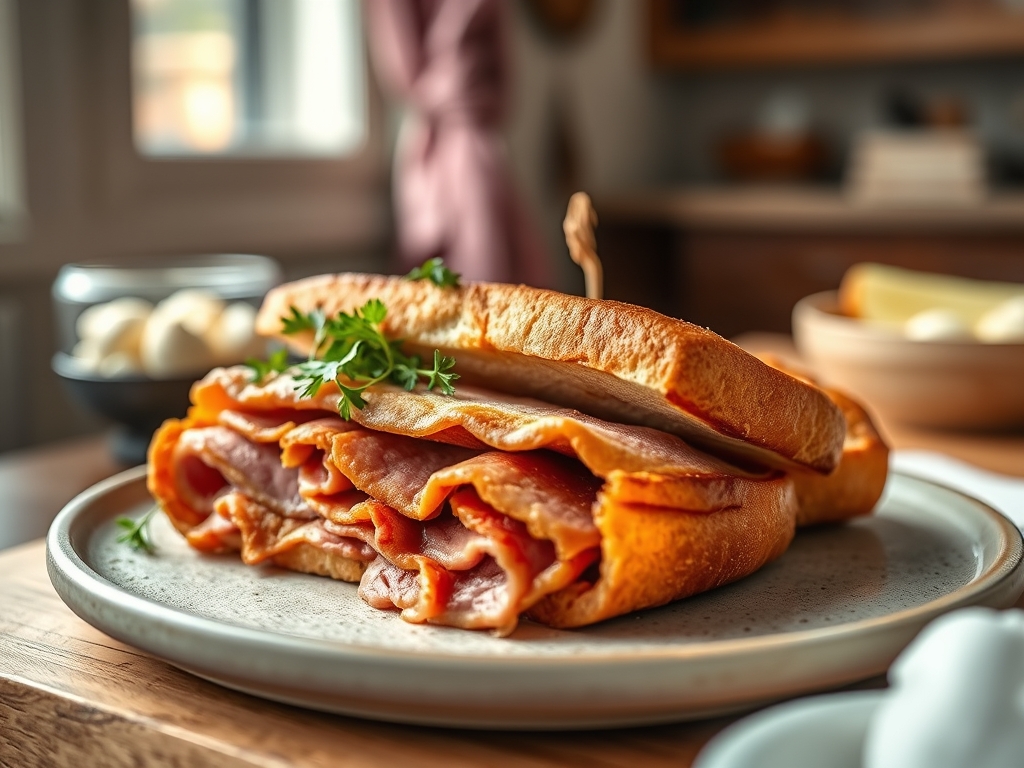
Picture this: a heavy-bottomed skillet sizzling on the stovetop, the aroma of toasted caraway seeds swirling through your kitchen like a savory perfume. You are about to assemble a sandwich that defies the laws of physics, balancing the salt-cured depth of brisket against the sharp, fermented bite of sauerkraut. When searching for the best corned beef recipes for reuben sandwiches, most people settle for cold deli slices and soggy bread. We are not most people. We are going to harness the power of thermal conductivity and lipid emulsification to create a masterpiece that is crispy, gooey, and structurally sound. This is about more than just lunch; it is a masterclass in texture and temperature management. By the time we are done, you will understand exactly why that specific ratio of Russian dressing to melted Swiss cheese creates a flavor profile that is scientifically impossible to resist.
The Gathers:
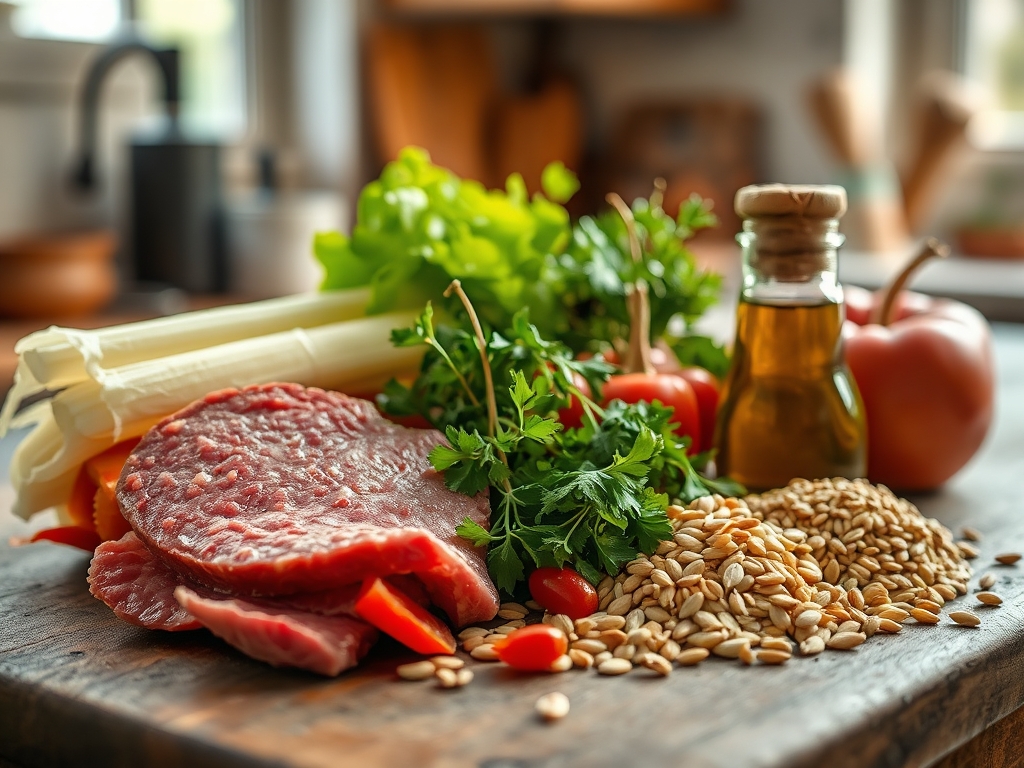
To achieve the ultimate result, your mise-en-place must be precise. Start with a high-quality, salt-cured brisket. If you are starting from scratch with corned beef recipes for reuben, look for a "point cut" for more intramuscular fat or a "flat cut" for leaner, uniform slices. You will need thick-cut marble rye bread; the density is crucial to prevent the bread from collapsing under the weight of the fillings.
For the fats, grab a block of high-fat European butter. It has less water content, which means more efficient browning and a crispier crust. Your Swiss cheese should be an Emmental or Gruyere for superior meltability and a piquant finish. The sauerkraut must be fermented, not just pickled in vinegar, to provide those essential probiotic notes and a sharp acidic counterpoint to the rich meat. Finally, for the dressing, you will need a saucier to whisk together mayonnaise, chili sauce, horseradish, and a dash of Worcestershire sauce until the mixture is viscous and perfectly pink.
Smart Substitutions: If you are avoiding gluten, a sturdy toasted sourdough can mimic the structural integrity of rye. For those looking to lighten the profile, Greek yogurt can replace half of the mayonnaise in your dressing to maintain that creamy mouthfeel while adding a boost of protein. If corned beef is unavailable, pastrami is its smoky, spice-rubbed cousin that works beautifully in this specific configuration.
The Clock:
Prep Time: 15 Minutes
Cook Time: 10 Minutes
Total Time: 25 Minutes
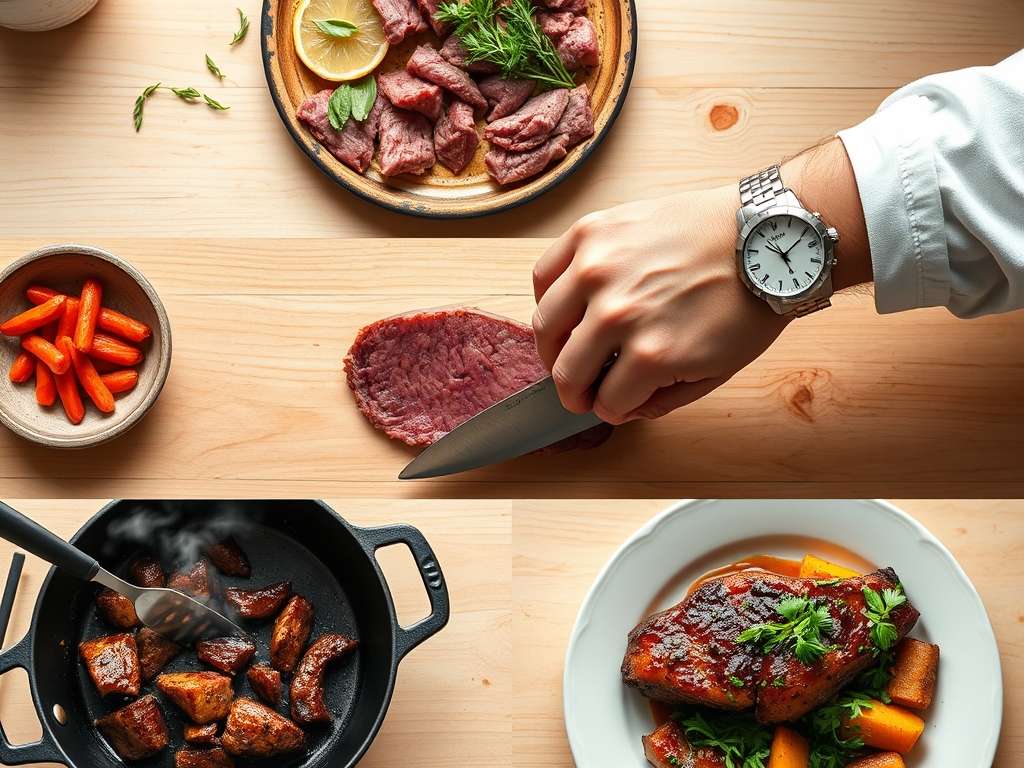
The "Chef's Flow" is all about overlapping tasks to maximize efficiency. While your heavy-bottomed skillet preheats over medium-low heat, you should be slicing your brisket against the grain to shorten the muscle fibers, making every bite tender. Use this time to grate your cheese with a microplane or box grater; shredded cheese melts faster and more evenly than thick slices. By the time your bread is buttered and your dressing is mixed, the skillet will have reached the perfect equilibrium for a slow, golden-brown sear.
The Masterclass:
1. The Meat Tempering
Do not pull your corned beef straight from the refrigerator and toss it into the pan. Allow the meat to reach room temperature for about ten minutes. Place the slices in a separate small pan with a tablespoon of water or beef stock and cover it. This creates a steam chamber that hydrates the protein fibers before they hit the sandwich.
Pro Tip: This technique utilizes latent heat to warm the interior of the meat without overcooking the edges. If you sear cold meat, the center remains chilly while the exterior toughens.
2. The Bread Preparation
Apply a generous, even layer of softened butter to one side of each slice of rye bread using a small offset spatula. Ensure you cover the bread from edge to edge. This creates a waterproof barrier and ensures the Maillard reaction occurs uniformly across the entire surface.
Pro Tip: Using butter with a higher fat content reduces the amount of steam released during heating, which prevents the bread from becoming "steamed" and soft instead of "toasted" and crunchy.
3. The Dressing Distribution
Spread a thin layer of your homemade Russian dressing on the non-buttered side of both bread slices. This acts as the "glue" for your sandwich. Then, add a layer of shredded Swiss cheese to both sides. The cheese serves as a moisture barrier, protecting the bread from the damp sauerkraut and meat.
Pro Tip: This is a lesson in hydrophobic barriers. By placing the fat-heavy cheese directly against the bread, you prevent the water-based juices of the kraut from migrating into the starch, keeping the sandwich crisp.
4. The Sauerkraut Squeeze
Before adding the sauerkraut, place it in a clean kitchen towel or a fine-mesh strainer and squeeze out every drop of excess moisture. You want the flavor of the cabbage without the liquid. Place the dry kraut on top of the meat.
Pro Tip: Reducing the water content prevents evaporative cooling. If the kraut is too wet, it will drop the internal temperature of the sandwich, preventing the cheese from reaching its ideal flow point.
5. The Assembly and Compression
Stack your steamed corned beef onto the bottom slice of bread, followed by the kraut, and then the top slice of bread (butter side out). Place the sandwich into the preheated skillet. Use a heavy press or another heavy skillet to gently weigh the sandwich down.
Pro Tip: Conductive heat transfer is more efficient when the surfaces are in direct contact. Compression ensures that the heat from the pan travels all the way through the layers to melt the central cheese.
6. The Low and Slow Sear
Grill the sandwich for about 3 to 4 minutes per side. You are looking for a deep mahogany color. If the bread is browning too fast, lower the heat. Use a bench scraper or a wide spatula to flip the sandwich carefully.
Pro Tip: Slow heating allows for thermal carryover. Even after you remove the sandwich from the pan, the internal temperature will continue to rise by a few degrees, ensuring a perfect melt.
7. The Resting Period
Once removed from the heat, let the sandwich sit on a wire rack for 60 seconds before slicing. This allows the melted cheese to set slightly so the fillings do not slide out when you take your first bite.
Pro Tip: Placing the sandwich on a wire rack instead of a flat plate prevents condensation buildup on the bottom slice, preserving that hard-earned crunch.
The Deep Dive:
Macro Nutrition: A standard Reuben is a powerhouse of protein and fats. On average, one sandwich contains approximately 650-800 calories, 40g of protein, 45g of carbohydrates, and 35g of fat. While high in sodium due to the curing process of the beef, it provides significant iron and Vitamin B12.
Dietary Swaps:
- Vegan: Use "un-corned" beets or marinated tempeh, vegan Swiss-style slices, and a vegan mayo-based dressing.
- Keto: Ditch the bread and serve the ingredients in a "Reuben Bowl" or wrapped in large cabbage leaves.
- Gluten-Free: Ensure your rye substitute is certified GF and check your Worcestershire sauce label, as some contain barley malt.
The Fix-It:
- Soggy Bread: You likely didn't squeeze the kraut enough. Fix it by deconstructing and quickly searing the bread slices alone to dry them out.
- Cold Center: Your heat was too high. The outside toasted before the inside warmed. Fix it by finishing the sandwich in a 350 degree oven for 5 minutes.
- Cheese Won't Melt: You used pre-shredded cheese with potato starch coatings. Next time, grate your own from a block for a smoother melt.
Meal Prep: To reheat a leftover Reuben, avoid the microwave at all costs. Use an air fryer at 325 degrees for 5 minutes or a toaster oven. This reactivates the fats in the bread and meat without making the starches rubbery.
The Wrap-Up:
Mastering corned beef recipes for reuben is a rite of passage for any home cook who appreciates the science of a perfect sandwich. By controlling moisture, managing heat zones, and respecting the structural integrity of your ingredients, you have transformed a humble deli staple into a gourmet experience. Remember, the secret is in the squeeze of the kraut and the patience of the sear. Now, grab a napkin (or three) and enjoy the crunchy, salty, tangy reward of your culinary labor!
The Kitchen Table:
What is the best cut of meat for a Reuben?
The point cut of the brisket is ideal because its higher fat content stays juicy during the reheating and searing process. It provides a richer mouthfeel compared to the leaner flat cut.
Why does my Reuben sandwich always fall apart?
You likely have too much moisture or haven't used enough cheese. Cheese acts as the "edible glue." Ensure you grate your own cheese and squeeze the sauerkraut completely dry before assembly.
Can I make a Reuben with canned corned beef?
While possible, the texture will be significantly softer and more homogenous. Freshly sliced, salt-cured brisket offers a superior "pull" and better structural integrity for a high-quality sandwich experience.
What is the difference between Russian and Thousand Island dressing?
Russian dressing is spicier and more savory, usually containing horseradish and chili sauce. Thousand Island is sweeter, often featuring chopped pickles and sugar, which can overwhelm the savory corned beef.