
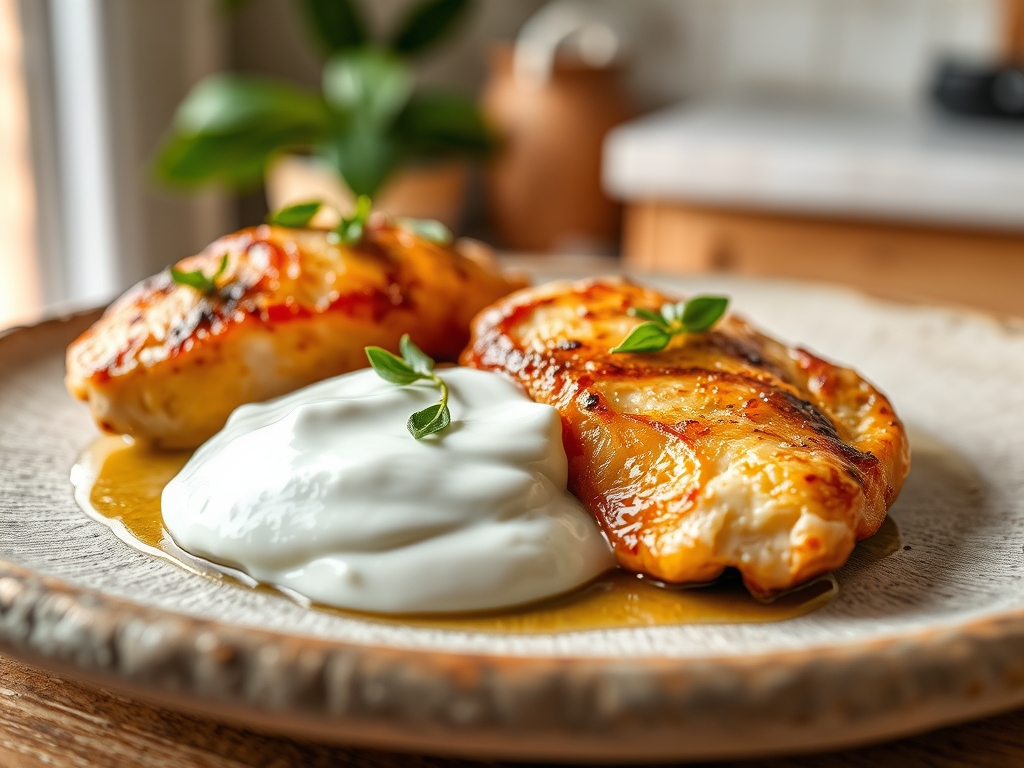
Picture this: a heavy-bottomed skillet sizzling on the range, the air thick with the scent of toasted cumin and searing protein. You are about to discover why greek yogurt and chicken recipes are the ultimate culinary cheat code for the modern kitchen. Most people see yogurt as a breakfast staple, but in the world of high-end gastronomy, it is a structural powerhouse. When you marry the lean profile of poultry with the acidic, viscous nature of fermented dairy, you unlock a level of tenderness that heat alone cannot achieve. This is not just about dinner; it is about using chemistry to transform a standard chicken breast into a succulent, juice-filled masterpiece that shatters the stereotype of "healthy" food being bland. We are diving into seven hacks that use lactic acid to break down tough muscle fibers while creating a crust so golden it looks like it was plucked from a Michelin-starred pass. Get your microplane ready; we are about to elevate your weeknight rotation into a gourmet experience.
The Gathers:
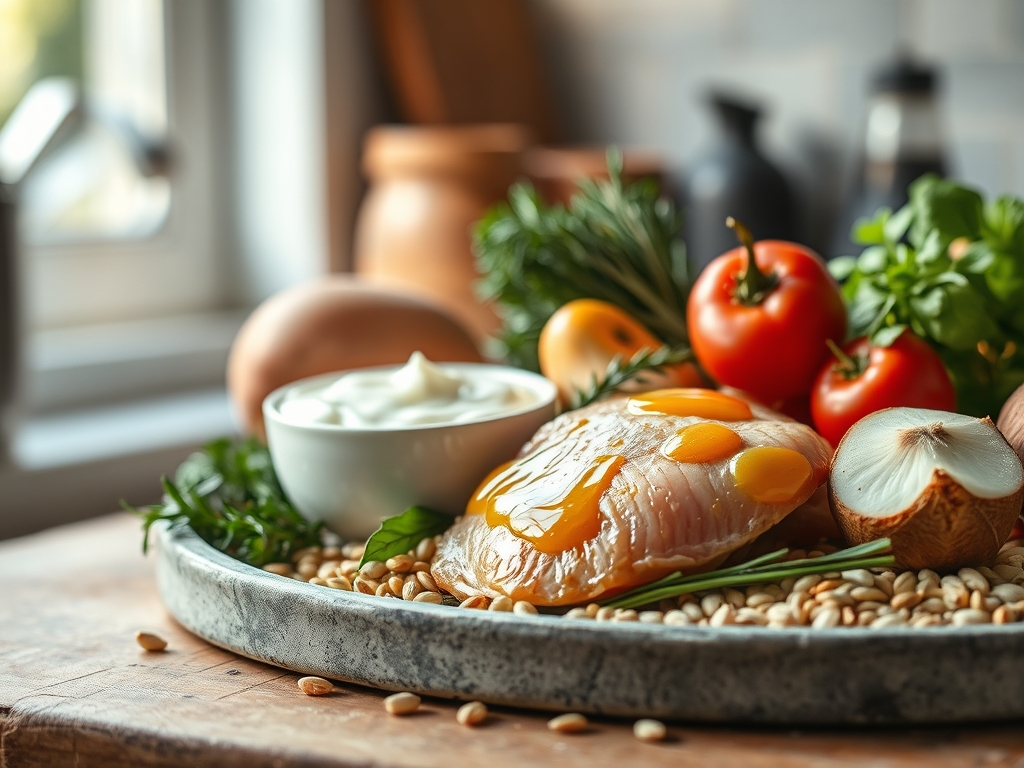
To execute these greek yogurt and chicken recipes with precision, your mise-en-place must be flawless. Start with the foundation: full-fat Greek yogurt. The lipids in full-fat versions are essential for emulsification, ensuring your marinade clings to the meat rather than sliding off into the pan. You will need high-quality chicken thighs or breasts, patted bone-dry with paper towels to prevent steam from interfering with the Maillard reaction.
Your aromatic arsenal should include fresh garlic bulbs, ginger root, and bright citrus. Use a microplane to zest lemons and limes; this releases essential oils that infuse the yogurt base with a piquant brightness. For the spice profile, reach for smoked paprika, turmeric, and toasted coriander. If you are looking for Smart Substitutions, you can swap traditional yogurt for a lactose-free version or even a thick coconut-based yogurt for a dairy-free alternative, though the protein structure will vary. Always keep a high-smoke-point oil, like avocado or grapeseed oil, nearby to ensure your heavy-bottomed skillet can handle the heat required for a perfect sear.
The Clock:
Mastering the "Chef's Flow" is about timing your interventions. For these recipes, the active prep time is roughly 15 minutes, focusing on trimming the protein and whisking the marinade. However, the passive marinade time is where the magic happens. You need at least 30 minutes for the lactic acid to begin its enzymatic work, though four hours is the "sweet spot" for maximum moisture retention.
Once the chicken hits the heat, expect a cook time of 12 to 18 minutes depending on the cut. A digital scale is your best friend here to ensure even portions, while a digital meat thermometer ensures you pull the chicken at exactly 160 degrees Fahrenheit. The final five minutes are reserved for resting; this allows the internal juices to redistribute, preventing them from spilling out onto your cutting board.
The Masterclass:
1. The Acidic Breakdown
Whisk your yogurt with lemon juice and salt in a glass bowl. Submerge the chicken completely, ensuring every square inch is coated in the viscous mixture.
Pro Tip: The lactic acid in yogurt is a "gentle" tenderizer compared to vinegar. It breaks down collagen without turning the meat into mush; this is known as enzymatic tenderization.
2. The Spice Infusion
Toast your dry spices in a small pan until fragrant, then fold them into the yogurt. Use a saucier if you are making a larger batch of sauce to ensure even heat distribution.
Pro Tip: Fat-soluble compounds in spices like turmeric and paprika dissolve better in the yogurt's fat globules, creating a more intense flavor profile through lipid-mediated extraction.
3. The High-Heat Sear
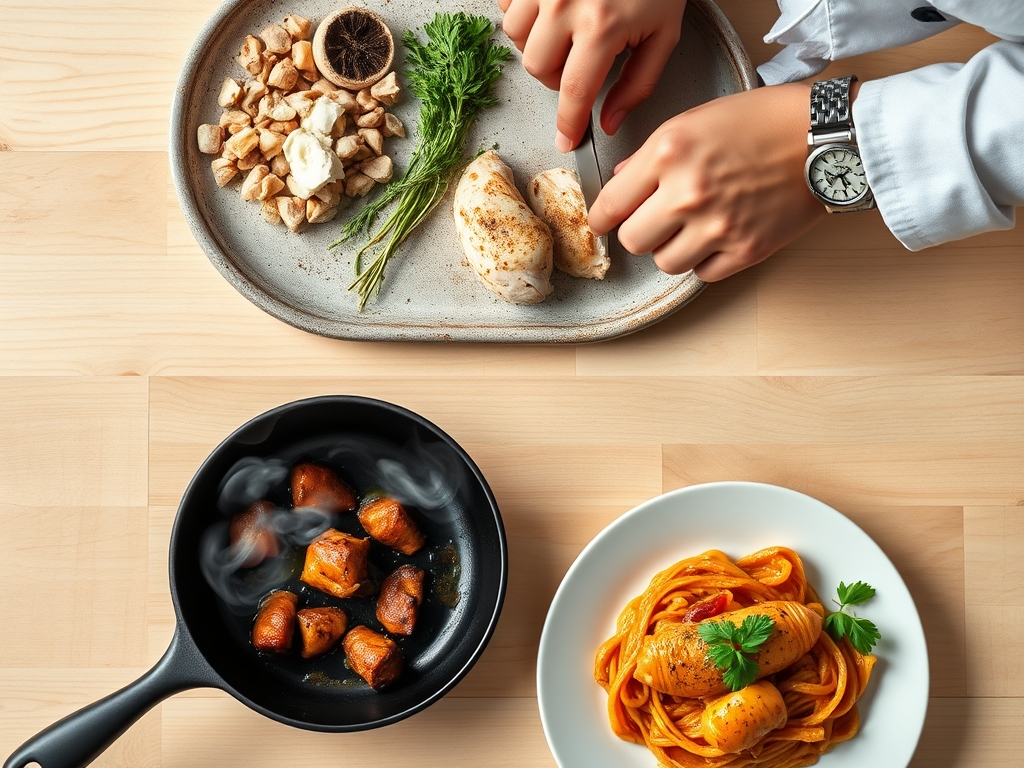
Wipe away excess marinade (but not all of it) and place the chicken in a preheated heavy-bottomed skillet. Do not crowd the pan; work in batches if necessary.
Pro Tip: The sugars and proteins in yogurt undergo caramelization rapidly. This creates a "crust" that mimics deep-frying without the excess oil.
4. The Deglaze and Emulsify
Once the chicken is removed, add a splash of chicken stock or white wine to the pan. Use a bench scraper or wooden spoon to lift the browned bits (the fond).
Pro Tip: Adding a dollop of fresh yogurt at the end of deglazing creates a stable emulsion. This adds a creamy finish without the risk of the sauce breaking.
5. The Thermal Rest
Transfer the chicken to a warm plate and tent loosely with foil. Let it sit for five to seven minutes before slicing.
Pro Tip: Thermal carryover will raise the internal temperature by about five degrees. Pulling the meat early ensures it stays juicy rather than becoming stringy.
6. The Herbaceous Finish
Finely chop fresh cilantro, mint, or parsley and fold them into a side of "clean" yogurt for dipping. Use sharp kitchen shears for a clean cut that doesn't bruise the leaves.
Pro Tip: Fresh herbs contain volatile oils that dissipate with heat. Adding them at the very end preserves their aromatic integrity.
7. The Texture Contrast
Top your finished dish with toasted pine nuts or crispy chickpeas for a crunch that offsets the creamy yogurt base.
Pro Tip: The human palate craves sensory contrast. Pairing the soft, tender chicken with a rigid, crunchy element triggers a more satisfying eating experience.
The Deep Dive:
When we look at the Macro Nutrition, greek yogurt and chicken recipes are a protein powerhouse. A standard serving offers roughly 35-40 grams of protein with minimal carbohydrates. For those following a Keto lifestyle, use full-fat Greek yogurt to hit your lipid targets. If you are Vegan, substitute the chicken with extra-firm tofu (pressed with a weight for 20 minutes) and use a cashew-based yogurt.
The Fix-It: Common Pitfalls
- Curdling: If your yogurt sauce breaks, it is likely due to high heat. Fix this by whisking in a teaspoon of cornstarch mixed with water (a slurry) to stabilize the proteins.
- Soggy Skin: If using skin-on chicken, the yogurt will prevent the skin from crisping. Fix this by applying the yogurt marinade under the skin and keeping the top surface dry.
- Blandness: If the flavor is flat, you likely under-salted the marinade. Fix this by adding a finishing salt or a squeeze of fresh lime just before serving to "wake up" the palate.
Meal Prep Science: To maintain "day-one" quality when reheating, avoid the microwave. Instead, use a low oven (300 degrees) with a splash of water in the pan. This creates a mini-steam chamber that prevents the yogurt coating from drying out and the chicken from becoming rubbery.
The Wrap-Up:
You are now officially equipped to dominate the kitchen with these greek yogurt and chicken recipes. By understanding the chemistry of lactic acid and the beauty of a high-heat sear, you have turned a simple meal into a technical triumph. Remember; cooking is part art, part laboratory experiment. Don't be afraid to push the boundaries of your flavor profiles or experiment with different herb infusions. Your heavy-bottomed skillet is waiting, and your taste buds are about to thank you. Go forth and create something delicious!
The Kitchen Table:
Can I use non-fat Greek yogurt for these recipes?
You can, but the sauce will be less stable and more prone to curdling. Full-fat yogurt provides a richer mouthfeel and better emulsification during the cooking process, leading to a much more satisfying and professional result.
How long can I safely marinate chicken in yogurt?
The ideal window is four to twelve hours. Beyond 24 hours, the lactic acid may begin to break down the protein fibers too much, resulting in a texture that is overly soft or "mushy" rather than tender.
Why does my yogurt sauce separate in the pan?
Separation usually occurs because the heat is too high or the yogurt lacks fat. To prevent this, temper the yogurt by adding a little warm pan liquid to it before stirring the whole amount into the skillet.
What is the best way to store leftovers?
Store in an airtight glass container for up to three days. The yogurt marinade actually helps keep the chicken moist during storage, but reheating should be done gently to avoid toughening the delicate protein structures.