
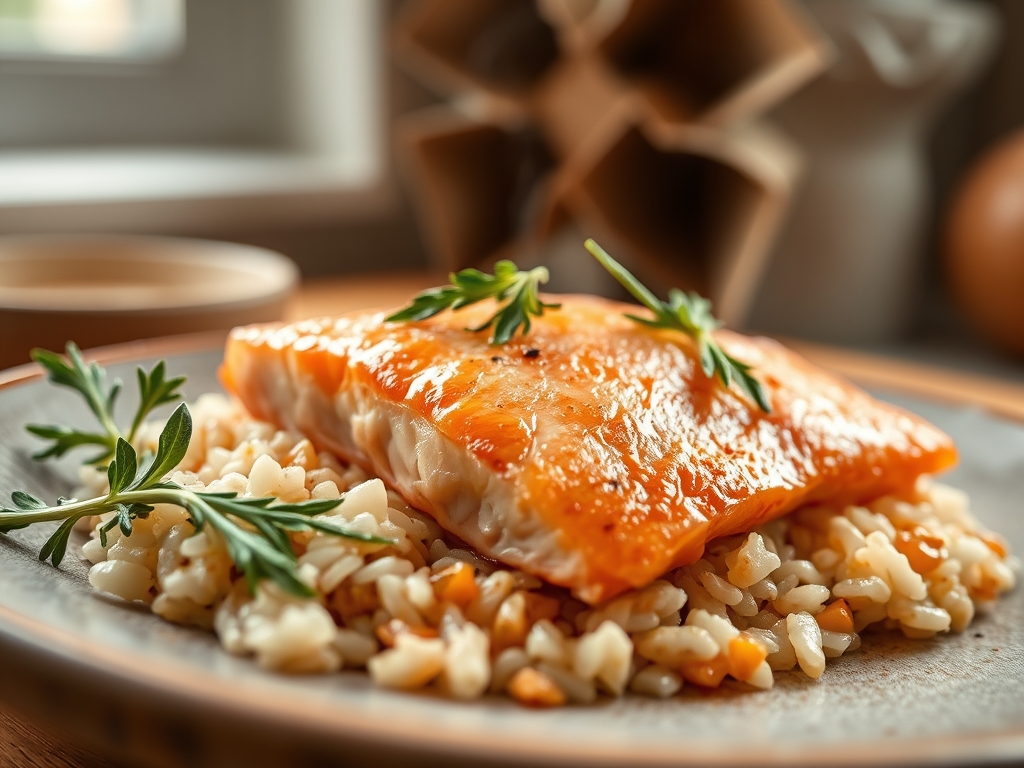
Imagine the sound of a heavy bottomed skillet hitting the burner; that rhythmic clink is the starting bell for a weeknight revolution. We are moving past the era of sad desk lunches. When you master these canned pink salmon recipes with rice, you are not just opening a tin; you are unlocking a shelf stable protein powerhouse that rivals fresh fillets in omega 3 density and convenience.
The magic happens when the delicate, flaky texture of the pink salmon meets the starchy, structural integrity of a perfectly steamed grain. It is a marriage of convenience and high level culinary science. Canned salmon is processed at peak freshness, preserving the essential fatty acids that keep your brain sharp and your skin glowing. By pairing this with rice, you create a complete amino acid profile that fuels your body without the heavy price tag of the seafood counter.
We are going to treat these ingredients with the respect they deserve. Forget mushy, flavorless bowls. We are talking about piquant citrus glazes, crispy Maillard crusts, and aromatic infusions that will make your kitchen smell like a high end bistro. Grab your favorite apron and your sharpest chef knife; we are about to turn a humble pantry staple into a series of ten sophisticated, nutrient dense masterpieces that prove fast food can be real food.
The Gathers:
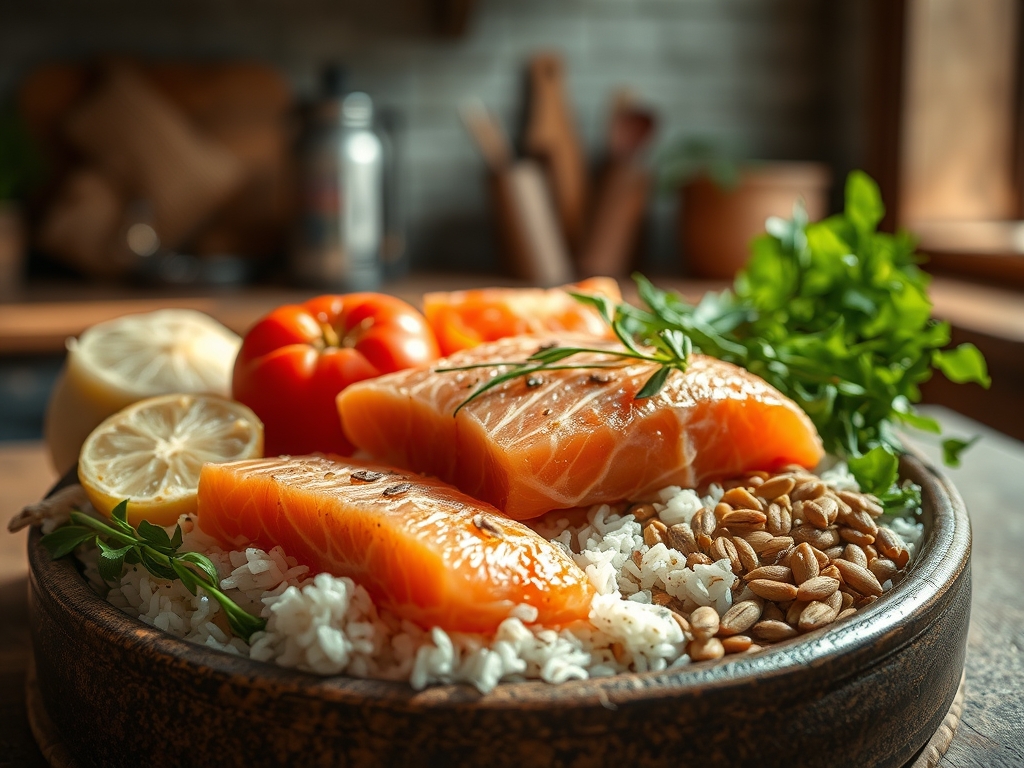
To execute these canned pink salmon recipes with rice with precision, your mise en place must be impeccable. Start with high quality canned pink salmon; look for wild caught varieties to ensure a firm texture and vibrant color. For the rice, long grain jasmine provides a floral aroma, while short grain sushi rice offers the amylopectin content needed for structural dishes like salmon cakes or "sushi" bowls.
Your secondary players include aromatics like fresh ginger and garlic, which contain volatile oils that infuse the fat during the initial sauté. You will need a viscous binder, such as Greek yogurt or a high quality mayonnaise, to create a stable emulsion in creamy dishes. For acidity, keep lemons and rice vinegar close by; these liquids provide the necessary pH balance to cut through the richness of the fish oils.
Smart Substitutions:
If you are out of jasmine rice, quinoa offers a nutty, high protein alternative that mimics the texture of small grains. For those avoiding dairy, full fat coconut milk provides a luscious, silken mouthfeel that carries spices beautifully. If you find the salmon flavor too bold, a quick rinse in cold water can mellow the brine, though you will lose some of the beneficial minerals found in the canning liquid.
The Clock:
In a professional kitchen, we talk about "Chef's Flow." This is the art of overlapping tasks to minimize downtime. For these recipes, your total active time is rarely more than fifteen minutes, with a total "plate to table" window of twenty five minutes.
The flow begins with the rice. Since grains require a specific thermal window to absorb water and gelatinize, start them first in a heavy bottomed saucier or a dedicated rice cooker. While the rice undergoes its passive steam phase, you focus on the salmon. This is when you use your microplane to zest citrus or your bench scraper to clear your workspace of vegetable trimmings. By the time the rice is fluffy and aerated, your salmon components are seasoned, seared, and ready for assembly. This synchronized timing ensures that every element hits the plate at the optimal temperature.
The Masterclass:
1. The Flake and Prep
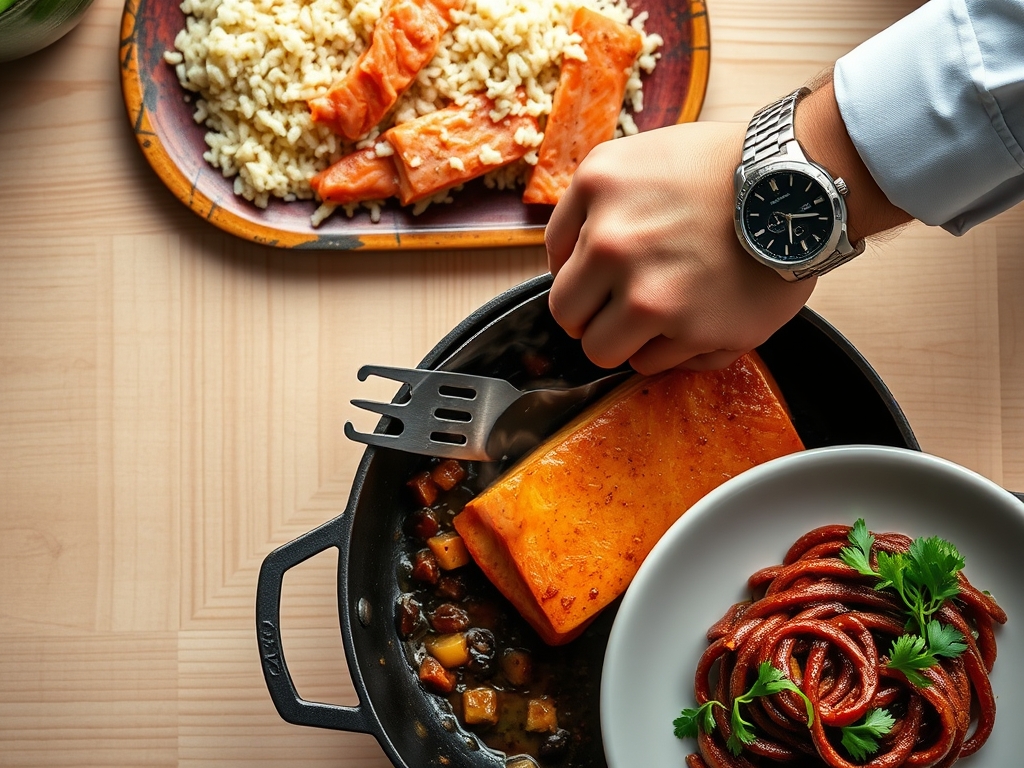
Open your cans and drain the liquid, but do not discard it yet. Use a fork to gently flake the meat into large chunks.
Pro Tip: This is about mechanical separation. By keeping the flakes large, you preserve the surface area for sauces to cling to, preventing the fish from becoming a homogenous paste.
2. The Aromatic Base
Heat your heavy bottomed skillet over medium heat and add a stable fat like avocado oil. Sauté your minced garlic and ginger until fragrant but not browned.
Pro Tip: This is the process of infusion. The fat soluble flavor compounds in the aromatics are drawn out into the oil, which then coats every grain of rice and piece of salmon later.
3. The Sear and Maillard Reaction
Increase the heat and add the salmon flakes. Let them sit undisturbed for two minutes to develop a golden crust.
Pro Tip: This triggers the Maillard reaction; a chemical reaction between amino acids and reducing sugars that creates complex, savory flavors and a desirable crunch.
4. The Deglaze
Pour in a splash of rice vinegar or citrus juice to scrape up the browned bits from the bottom of the pan.
Pro Tip: Deglazing uses steam and acidity to lift concentrated flavor compounds (fond) back into the dish, ensuring no taste is left behind on the metal.
5. The Emulsion
Stir in your creamy element, like Greek yogurt or a splash of coconut milk, off the heat.
Pro Tip: Adding fats off the heat prevents the emulsion from breaking. If the pan is too hot, the proteins in the dairy will denature and clump, resulting in a grainy sauce.
6. The Grain Integration
Gently fold in your cooked rice using a silicone spatula to avoid breaking the grains.
Pro Tip: This is about aeration. You want to coat each grain in the flavored oils without crushing them, maintaining a light and fluffy texture.
7. The Final Seasoning
Finish with fresh herbs like cilantro or dill and a final sprinkle of sea salt.
Pro Tip: Adding herbs at the very end preserves their volatile oils and bright green color, which would otherwise be destroyed by prolonged heat.
The Deep Dive:
When we look at the macro nutrition of canned pink salmon recipes with rice, we see a near perfect balance. A standard serving provides roughly 25 grams of protein and 35 grams of complex carbohydrates. The "good fats" are the stars here; EPA and DHA omega 3 fatty acids are vital for cardiovascular health and reducing systemic inflammation.
Dietary Swaps:
For a Keto friendly version, swap the rice for riced cauliflower. To keep it Vegan, you would replace the salmon with mashed chickpeas seasoned with nori flakes to mimic the oceanic salinity. For a Gluten Free profile, simply ensure your soy sauce is replaced with tamari or coconut aminos.
The Fix-It:
- The Salmon is Too Dry: This usually happens from overcooking. Fix it by folding in a tablespoon of extra virgin olive oil or a dollop of sour cream to restore moisture.
- The Rice is Mushy: You likely used too much water. Fix it by spreading the rice on a sheet tray and placing it in a low oven for five minutes to evaporate excess moisture.
- The Dish is One Dimensional: It lacks acidity. Fix it with a heavy squeeze of lime or a sprinkle of pickled red onions to brighten the palate.
Meal Prep:
To maintain "day one" quality, store the salmon and rice in airtight glass containers. When reheating, add a teaspoon of water and cover with a damp paper towel. This creates a micro steam environment in the microwave, preventing the rice from hardening and the salmon from becoming "fishy" through oxidation.
The Wrap-Up:
You are now equipped with the technical knowledge to turn a pantry staple into a culinary triumph. These canned pink salmon recipes with rice are more than just quick fixes; they are a testament to how smart science and quality ingredients can elevate your daily routine. Whether you are searing for that perfect Maillard crust or emulsifying a silken sauce, remember that you are the scientist in your own kitchen laboratory. Now, go forth, crack open a tin, and make something brilliant.
The Kitchen Table:
Is canned pink salmon healthy to eat every day?
Yes, pink salmon is low in mercury and high in omega 3s. However, dietary variety is key. It provides excellent protein and vitamin D, making it a stellar daily option for most active adults.
Do I need to remove the bones in canned salmon?
The canning process softens the bones until they are easily mashable with a fork. They are a fantastic source of calcium; most people mix them right in for an added nutritional boost without any texture issues.
How do I make my rice less sticky for these recipes?
Rinse your dry rice under cold water until the water runs clear. This removes excess surface starch, which is the primary culprit behind gummy, sticky grains. Always use a 1:1.5 ratio for jasmine rice.
Can I use canned tuna instead of salmon?
Absolutely, though the flavor profile will shift. Tuna is leaner and has a more assertive "iron" taste. You may need to add a bit more healthy fat, like avocado, to match the salmon's richness.
How long does leftover salmon and rice last?
When stored in an airtight container in the refrigerator, it stays fresh for up to three days. Always reheat thoroughly and avoid leaving it at room temperature for more than two hours.