
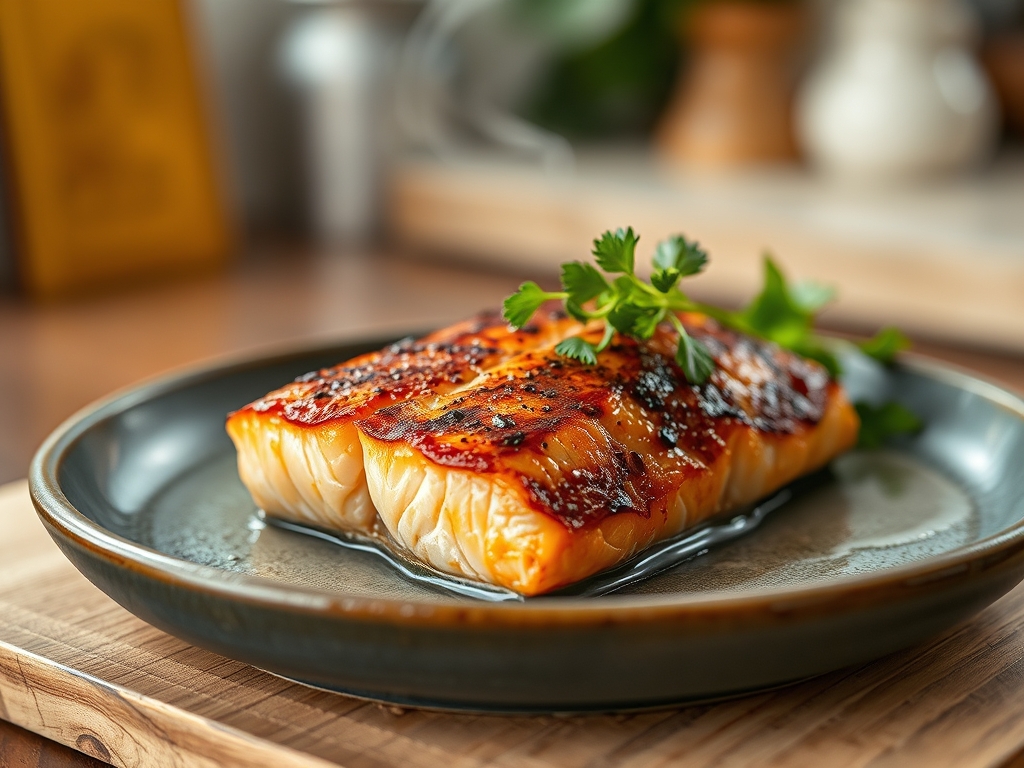
Imagine a kitchen filled with the sound of a rhythmic, aggressive sizzle and the intoxicating aroma of butter browning against fresh herbs. We have all chased that elusive restaurant quality finish where the skin is as crisp as a potato chip and the interior remains a buttery, translucent pink. Finding the best pan seared salmon recipes is not just about the fish; it is about mastering the physics of the sear. It is about understanding how heat transforms a simple fillet into a masterpiece of texture and flavor.
The secret to a perfect plate lies in the marriage of high thermal energy and meticulous moisture control. Most home cooks struggle with the dreaded "sticking" phenomenon or the unsightly white albumin that seeps out when the proteins contract too quickly. Today, we are going to fix that. We are diving deep into the molecular mechanics of the Maillard reaction to ensure your next dinner is nothing short of legendary. Grab your favorite heavy bottomed skillet and let us get to work.
The Gathers:
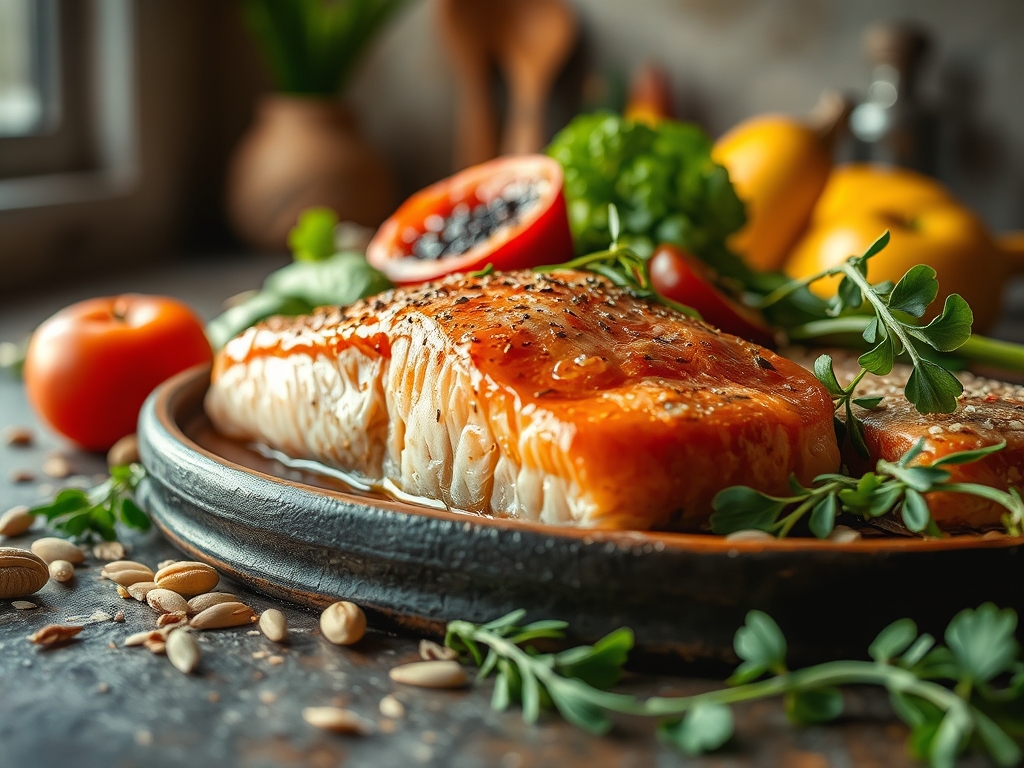
Before we apply heat, we must curate our mise en place with precision. Start with high quality Atlantic or King salmon fillets, ideally center cut for uniform thickness. You will need a high smoke point oil like avocado or grapeseed oil; extra virgin olive oil will smoke and turn bitter before the skin reaches maximum crunch. For the aromatic finish, gather cold unsalted butter, fresh thyme sprigs, and two cloves of garlic.
A microplane is essential for zesting a lemon over the finished product to provide a piquant counterpoint to the rich fats. Use a digital scale to ensure your fillets are roughly six ounces each, which guarantees they cook at the same rate. If you are looking for smart substitutions, you can swap the butter for ghee if you are sensitive to lactose; it still provides that nutty, toasted flavor without the milk solids that burn easily. For a citrus twist, swap the lemon for a lime or even a splash of yuzu juice to aerate the palate with sharp acidity.
The Clock
Efficiency in the kitchen is what we call Chef's Flow. This is the art of timing your movements so that nothing sits idle for too long. Your total prep time should be exactly 10 minutes, which includes the critical step of letting the fish sit at room temperature to take the chill off. The actual cook time is a swift 8 to 10 minutes.
The flow works like this: while the pan preheats, you pat the fish dry. As the first side sears, you prep your aromatics. By the time the fish is resting, you are already whisking a quick pan sauce or plating your greens. This ensures the salmon is served at its peak temperature and texture.
The Masterclass
1. The Desiccation Ritual
Use a paper towel to press every single drop of moisture off the skin and flesh. Moisture is the enemy of the sear. If the skin is damp, the heat of the pan will spend its energy evaporating water rather than browning the protein. This results in steamed, rubbery skin rather than a crisp finish.
Pro Tip: This is known as preventing evaporative cooling. By removing surface water, you allow the surface temperature to rapidly exceed 285 degrees Fahrenheit, which is the threshold for the Maillard reaction to begin.
2. The Weight of the World
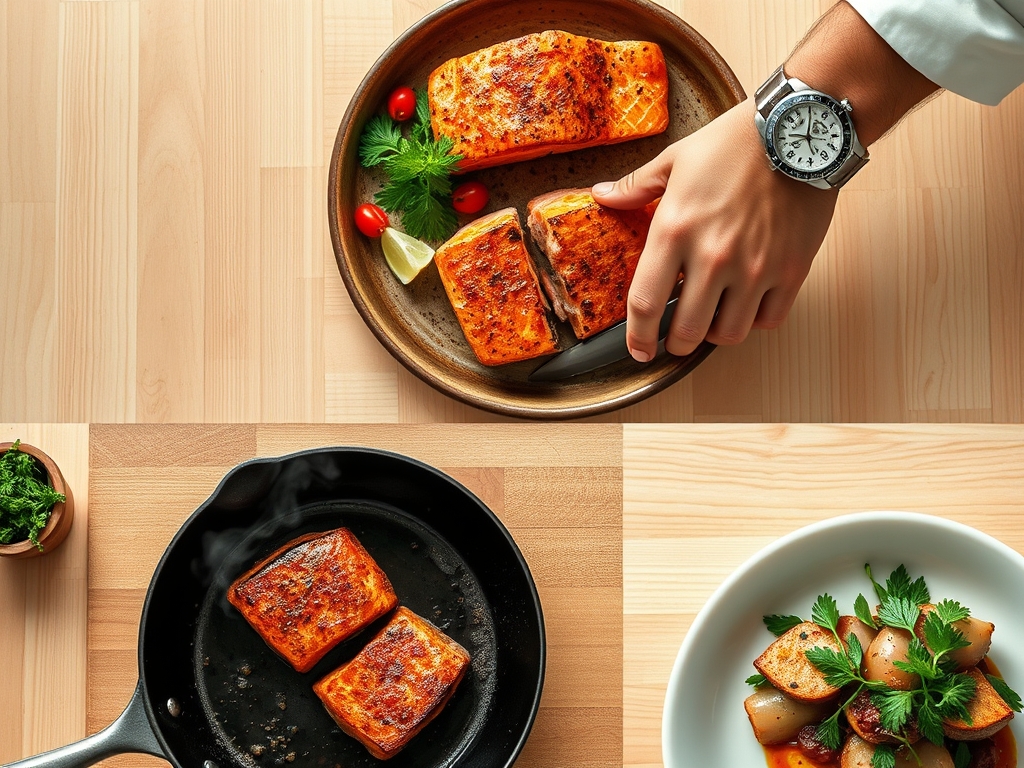
Place the salmon skin side down in the hot oil and immediately press down firmly with a bench scraper or a flexible fish spatula for 30 seconds. Salmon skin tends to curl when it first hits the heat as the collagen fibers contract. Pressing it flat ensures even contact with the pan.
Pro Tip: This technique prevents the "cupping" effect. By maintaining total surface contact, you ensure the heat conducts evenly across the entire skin surface, leading to a uniform, glass like crunch.
3. The Patient Sear
Resist the urge to move the fish. Let it cook on the skin side for about 80 percent of the total time. You will see the color of the flesh change from the bottom up. Once the opaque line reaches the middle of the fillet, it is time to flip.
Pro Tip: This is called conductive heat transfer. The skin acts as a protective heat shield, gently cooking the delicate flesh above it while it renders its own fat.
4. The Butter Baste
Flip the fish gently using tongs. Drop in your butter, smashed garlic, and thyme. As the butter melts and begins to foam, tilt the pan and use a large spoon to continuously douse the salmon with the hot, flavored fat.
Pro Tip: This is basting for infusion. The hot butter carries the fat soluble aromatics from the garlic and thyme into the nooks of the fish, while the milk solids in the butter undergo further browning to add a nutty complexity.
5. The Thermal Exit
Remove the salmon from the pan when it is about 5 degrees below your target temperature. For medium rare, aim for an internal temperature of 120 degrees Fahrenheit on a digital thermometer.
Pro Tip: This accounts for thermal carryover. Even after the fish is removed from the heat, the residual energy on the surface continues to move toward the center, raising the internal temperature by several degrees during the rest.
6. The Rest
Let the salmon rest on a warm plate for at least three minutes before serving. This allows the muscle fibers to relax and reabsorb the internal juices.
Pro Tip: Resting prevents moisture loss. If you cut into the fish immediately, the high internal pressure will push the juices out, leaving you with a dry fillet despite your perfect technique.
The Deep Dive
From a nutritional standpoint, salmon is a powerhouse of Omega 3 fatty acids and high quality protein. A standard six ounce fillet provides roughly 34 grams of protein and is naturally low in carbohydrates, making it a staple for Keto and Paleo lifestyles. If you are looking for a vegan alternative, the same searing techniques can be applied to "tofu steaks" or thick slices of king oyster mushrooms, though you will want to use a miso glaze to replicate the umami depth.
The Fix-It: If your fish is sticking, it is likely because the pan was not hot enough or you tried to flip it too early; the fish will naturally "release" once the crust has formed. If you see white "gunk" (albumin) seeping out, your heat is too high, causing the protein fibers to contract too violently and squeeze out the moisture. Simply lower the flame. If the skin is soggy, you likely skipped the desiccation step or crowded the pan, which trapped steam.
For meal prep, reheating salmon is a delicate science. Avoid the microwave at all costs as it vibrates water molecules and toughens the protein. Instead, use a low oven at 275 degrees Fahrenheit with a splash of water in the dish, covered tightly with foil, to gently rehydrate the fish until it is just warm.
The Wrap-Up
Mastering the best pan seared salmon recipes is a transformative skill for any home cook. It moves you away from following rigid instructions and toward understanding the variables of heat, fat, and moisture. When you hear that perfect sizzle and see that golden crust, you will know you have nailed the science. Now, go grab your skillet and turn those fillets into a culinary triumph!
The Kitchen Table
How do I stop salmon from sticking to the pan?
Ensure your pan and oil are shimmering hot before adding the fish. Use a heavy bottomed stainless steel or cast iron skillet. Most importantly, do not touch the fish for the first three minutes; it will release itself once the sear is set.
What is the white stuff on salmon?
That is albumin, a harmless protein that solidifies when heated. To minimize it, avoid overcooking the fish and try brining the fillets in a simple salt water solution for ten minutes before cooking to season the flesh and relax the proteins.
Can I sear salmon with the skin off?
Yes, but you lose the protective barrier and the texture of the crisp skin. If cooking skinless, reduce the heat slightly and use more fat to prevent the delicate flesh from drying out or tearing during the flipping process.
What oil is best for searing salmon?
Use oils with high smoke points like avocado, grapeseed, or refined coconut oil. These can withstand the high temperatures required for the Maillard reaction without breaking down, smoking, or imparting a burnt, bitter flavor to your delicate fish.