
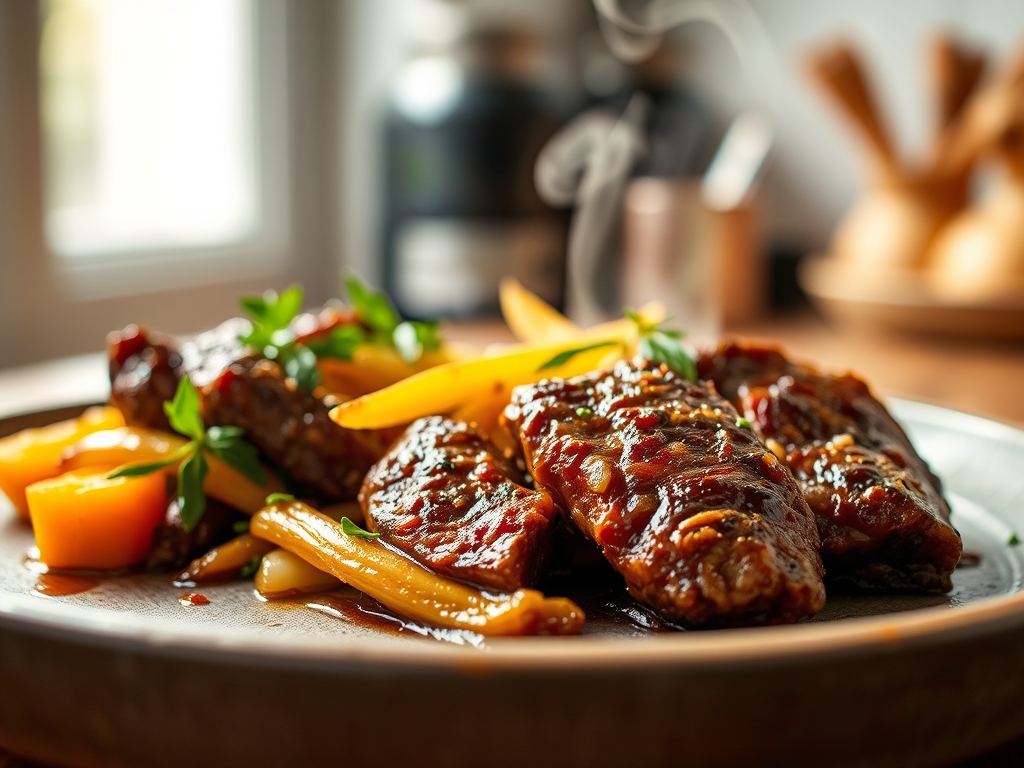
Imagine the sound of a heavy-bottomed skillet meeting a high-flame burner; it is the percussion of a kitchen about to come alive. When you master beef recipes with vegetables, you are not just cooking; you are orchestrating a complex chemical transformation where iron-rich proteins meet the vibrant, fibrous crunch of the garden.
The air fills with the scent of rendering fat and piquant aromatics. It is a sensory overload that promises both comfort and peak nutrition. We are moving beyond the basic pot roast. We are diving into the molecular magic of the Maillard reaction and the structural integrity of crisp-tender greens. Whether you are searing a lean flank steak or braising a marbled chuck, the vegetable pairings act as the essential counterpoint to the richness of the meat. This is about finding the perfect equilibrium between the savory depth of the beef and the bright, enzymatic snap of fresh produce. Grab your favorite apron and a sharpened chef knife; we are about to turn your kitchen into a high-end bistro where health and flavor finally stop compromising and start collaborating.
The Gathers:
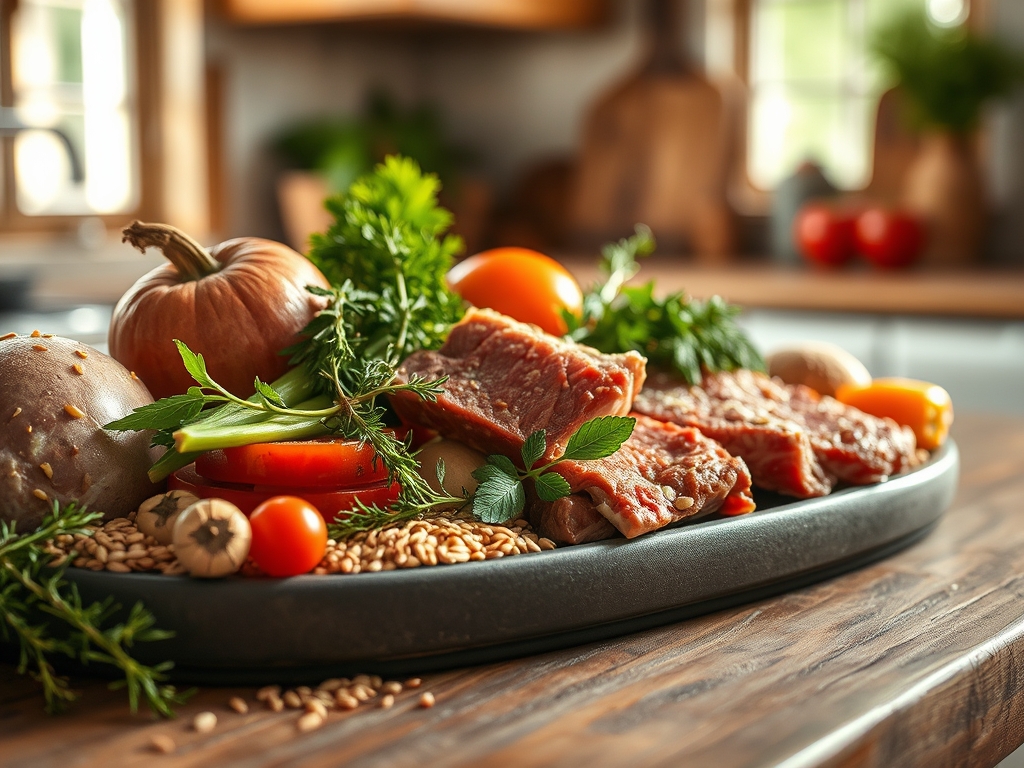
Before we ignite the flame, we must respect the mise-en-place. For our eight core pairings, your workspace should look like a botanical laboratory. We start with the beef: look for grass-fed cuts like sirloin tips, skirt steak, or lean ground round. These provide the essential amino acids and heme iron that form the backbone of our dishes. Next, gather your vegetable "allies." We are looking for high-density fiber and micronutrients. Think cruciferous powerhouses like broccoli florets and shredded Brussels sprouts, which offer a bitter contrast to the beef's umami.
You will need a selection of aromatics: shallots, garlic cloves, and ginger root. These contain volatile oils that infuse the cooking fat. Do not forget the "texture agents" like water chestnuts for crunch or shiitake mushrooms for an extra hit of glutamates. For the liquids, keep a high-quality bone broth and a dry red wine nearby to deglaze the pan.
Smart Substitutions:
If you are looking to lighten the caloric load, swap traditional potatoes for celery root or kohlrabi. These root vegetables offer a similar starch-like mouthfeel but with a lower glycemic index. Instead of soy sauce, reach for liquid aminos or coconut aminos to keep the sodium in check while maintaining that deep, fermented saltiness. If a recipe calls for butter, consider using ghee; it has a higher smoke point of 485 degrees Fahrenheit, which prevents the milk solids from burning during a high-heat sear.
The Clock
The "Chef's Flow" is all about maximizing efficiency through thermal management. Total active prep time for these pairings averages 20 minutes, with cook times ranging from a lightning-fast 6-minute stir-fry to a 40-minute gentle simmer. The secret is the "staggered start." You should be slicing your vegetables while the beef is tempering on the counter. Never cook meat straight from the fridge; cold proteins cause the pan temperature to plummet, leading to gray, steamed meat instead of a crusty sear.
Allocate 10 minutes for the "Resting Phase." This is non-negotiable. While the meat rests, the muscle fibers relax and reabsorb the internal juices. This is also your window to finish the vegetables in the residual heat of the pan, ensuring they stay vibrant and do not turn to mush.
The Masterclass
1. The Sear and Temper
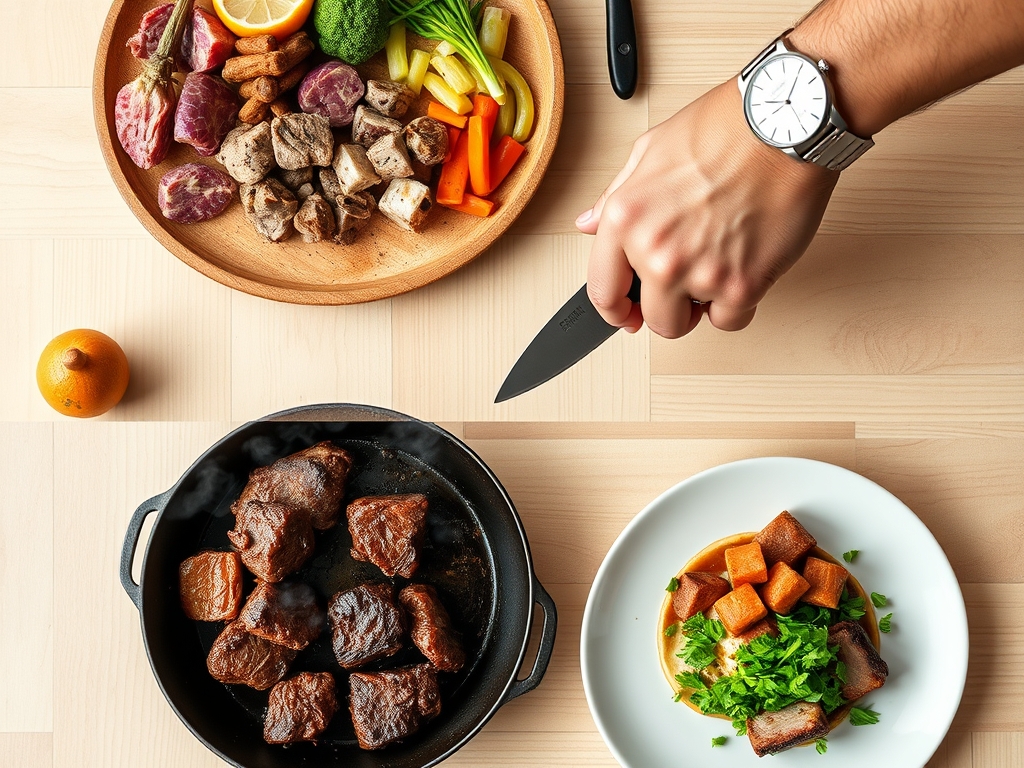
Pat your beef bone-dry with paper towels. Moisture is the enemy of the Maillard reaction. Place the meat in a preheated cast-iron skillet. Do not crowd the pan; leave space for steam to escape so the surface can dehydrate and brown.
Pro Tip: This is the science of pyrolysis. By keeping the surface dry, you allow sugars and amino acids to react at 300 degrees Fahrenheit, creating hundreds of new flavor compounds that do not exist in raw meat.
2. The Vegetable Infusion
Remove the beef and add your harder vegetables first, such as carrots or bell peppers. Use a stainless steel spatula to scrape up the "fond," those delicious brown bits stuck to the bottom.
Pro Tip: This stage utilizes fat-soluble vitamin extraction. The residual beef tallow helps your body absorb the Vitamin A and K found in the vegetables, making the meal biologically more effective.
3. Deglazing the Saucier
Pour a splash of acidic liquid, like balsamic vinegar or verjus, into the hot pan. Use a whisk to incorporate the liquid with the rendered fats, creating a viscous emulsion.
Pro Tip: Acidity breaks down the intermolecular bonds of the browned proteins on the pan surface. This process, known as deglazing, captures the most concentrated flavor profile of the entire dish.
4. The Final Toss and Aerate
Return the beef to the pan along with soft greens like spinach or bok choy. Use silicone-tipped tongs to toss the ingredients gently. You want the greens to wilt just enough to become tender but not lose their cellular structure.
Pro Tip: This is carryover cooking. The internal temperature of the beef will continue to rise by 5 to 10 degrees after you remove it from the heat. Pulling it early prevents the meat from becoming tough and fibrous.
The Deep Dive
When we look at the macro nutrition of these beef recipes with vegetables, we are hitting a trifecta of health: high protein, moderate healthy fats, and complex carbohydrates. A standard serving provides roughly 35 grams of protein and 8 grams of fiber.
Dietary Swaps:
For a Vegan twist, replace the beef with thick-cut "steaks" of cauliflower or lion's mane mushrooms, using smoked paprika to mimic the depth of meat. Keto followers should lean heavily into the brassica family (broccoli and cabbage) while avoiding root vegetables. Gluten-Free diners must ensure their thickening agents are arrowroot powder or cornstarch rather than wheat flour.
The Fix-It:
- Tough Meat: If your beef is chewy, you likely cut it with the grain. Always slice perpendicular to the muscle fibers to shorten them.
- Soggy Veggies: This happens when the pan is overcrowded. Cook in batches to maintain high heat and prevent "stewing."
- Bland Sauce: Your dish lacks "brightness." Add a squeeze of fresh lemon juice or a dash of fish sauce at the very end to wake up the palate.
Meal Prep:
To maintain "day-one" quality, store the beef and vegetables in airtight glass containers. When reheating, avoid the microwave if possible. Instead, use a small skillet with a tablespoon of broth. This rehydrates the proteins and prevents the vegetables from becoming rubbery through electromagnetic agitation.
The Wrap-Up
Cooking beef recipes with vegetables is the ultimate culinary power move. It combines the technical rigor of meat science with the artistic flair of seasonal produce. By understanding how to manipulate heat and moisture, you transform basic ingredients into a nutrient-dense masterpiece. Remember, the best meals are those where the science is hidden behind incredible flavor. Now, take these techniques, trust your instincts, and go create something spectacular. Your kitchen is waiting!
The Kitchen Table
What is the best cut of beef for quick stir-fry recipes?
Flank steak or sirloin are ideal. They are lean and take well to high-heat searing. Always slice them thinly against the grain to ensure maximum tenderness and quick cooking times in a hot wok or skillet.
How do I keep my vegetables from getting mushy?
Add vegetables to the pan based on their density. Harder roots go in first; leafy greens go in last. Use high heat and avoid covering the pan with a lid, which traps steam and softens the vegetable cell walls.
Can I use frozen vegetables for these beef recipes?
Yes, but thaw and pat them dry first. Frozen vegetables contain excess moisture that can prevent the beef from searing properly. Add them toward the end of the cooking process to maintain as much structural integrity as possible.
Why does my beef turn gray instead of brown?
Gray meat is a sign of steaming rather than searing. This happens if the pan isn't hot enough, the meat is too wet, or the pan is overcrowded. Ensure the oil is shimmering before adding the protein.