
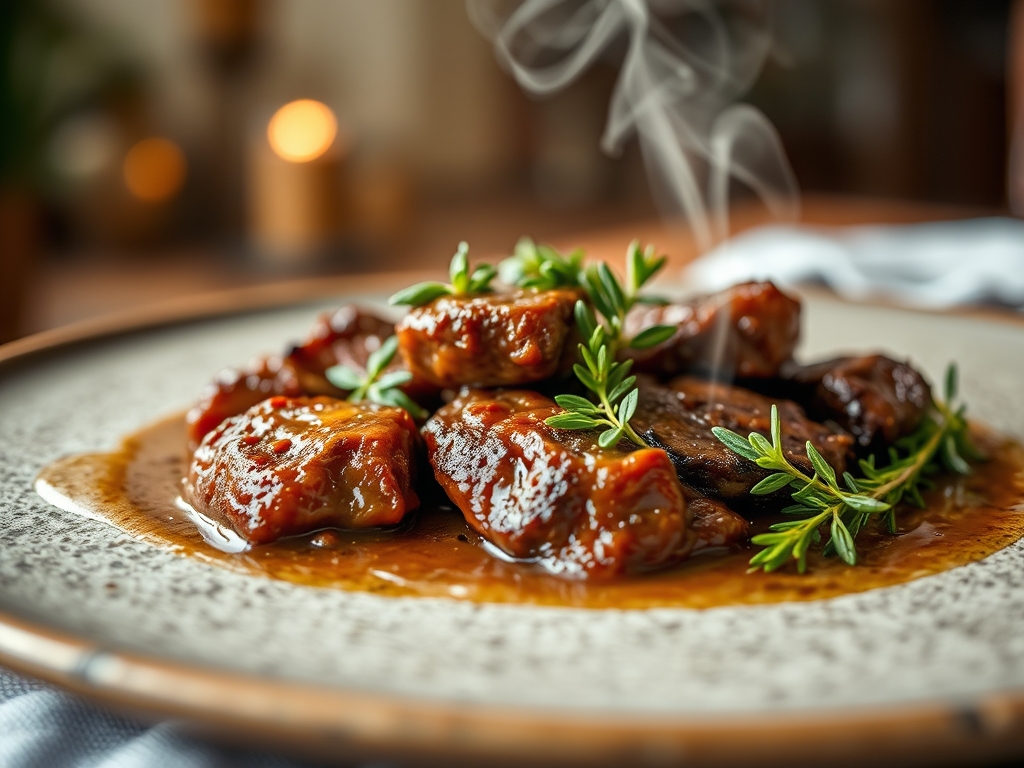
Picture the scene. The air is thick with the scent of rosemary and woodsmoke while the windows fog up against the winter chill. You are standing in the heart of the kitchen; a glass of bold Cabernet in one hand and a set of heavy duty tongs in the other. There is a specific kind of magic that happens when a massive cut of protein meets a screaming hot pan. We are not just making dinner; we are engineering a centerpiece. Finding the perfect christmas beef recipes is about more than just a meal; it is about the chemistry of celebration. Whether you are aiming for a crusty Prime Rib or a delicate Filet, the goal is a perfect edge to edge medium rare that makes your guests gasp when you make that first slice. This is where high science meets holiday spirit. We are going to master the art of the sear; the science of the rest; and the precise timing that ensures you are the coolest person in the room when the timer dings.
The Gathers:
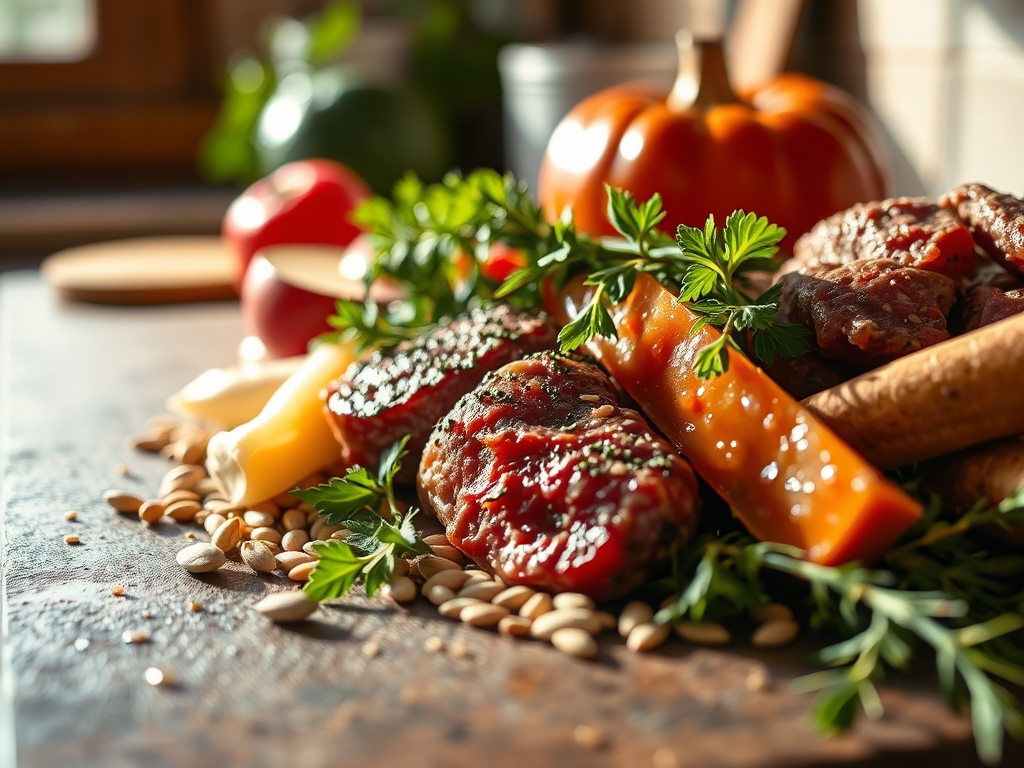
To execute these christmas beef recipes with surgical precision; your mise-en-place must be impeccable. Start with the beef. You want highly marbled cuts; look for intramuscular fat which will render during the cook to create a viscous; mouth-coating richness. You will need coarse kosher salt for osmotic moisture retention and cracked black peppercorns for a piquant bite.
Gather your aromatics: fresh thyme; rosemary; and garlic bulbs. These contain essential oils that infuse the fat as it renders. You will also need a high smoke point oil like avocado or grapeseed oil; butter is for finishing; not for the initial sear. If you are looking for smart substitutions; swap the traditional red wine deglaze for a concentrated beef bone broth spiked with a splash of balsamic vinegar to maintain that deep acidity. For a dairy free option; use a high quality tallow or a neutral oil infused with nutritional yeast to mimic the umami of butter. Grab your digital scale to weigh your seasonings; as a one percent salt to weight ratio is the golden rule for internal seasoning.
The Clock
Efficiency in the kitchen is all about the Chef's Flow. For most christmas beef recipes; you are looking at a total commitment of three to five hours. The first hour is passive; you must pull your meat from the refrigerator to allow the internal temperature to rise. This prevents a "bullseye" effect where the outside is overcooked while the center remains icy.
The prep phase takes about thirty minutes of active work; trimming silver skin with a sharp boning knife and tying the roast with butcher's twine to ensure even thermal distribution. The cooking phase varies based on the "Low and Slow" versus "Reverse Sear" method; typically ranging from two to four hours. Finally; the most critical block of time is the rest. You must budget at least thirty to forty five minutes for the fibers to relax and reabsorb their juices. If you rush the clock; you lose the moisture.
The Masterclass
1. The Salt Brine and Tempering
Before the heat ever touches the meat; you must apply a generous layer of kosher salt. This initiates osmosis; drawing moisture out and then reabsorbing the now salty brine back into the muscle fibers. Let the roast sit at room temperature for at least ninety minutes.
Pro Tip: This process breaks down the tightly wound proteins in the beef. Tempering ensures that the heat energy does not have to work overtime to break the chill; resulting in a more uniform internal color.
2. The Architectural Tie
Use butcher's twine to tie your roast at one inch intervals. This is not just for aesthetics; it creates a uniform cylinder. A uniform shape ensures that the thermal energy penetrates the meat at a consistent rate from all angles.
Pro Tip: This is a lesson in thermodynamics. By eliminating thin "tails" or uneven bulges; you prevent the smaller sections from reaching the gray zone of overcooking before the center is safe.
3. The Maillard Reaction
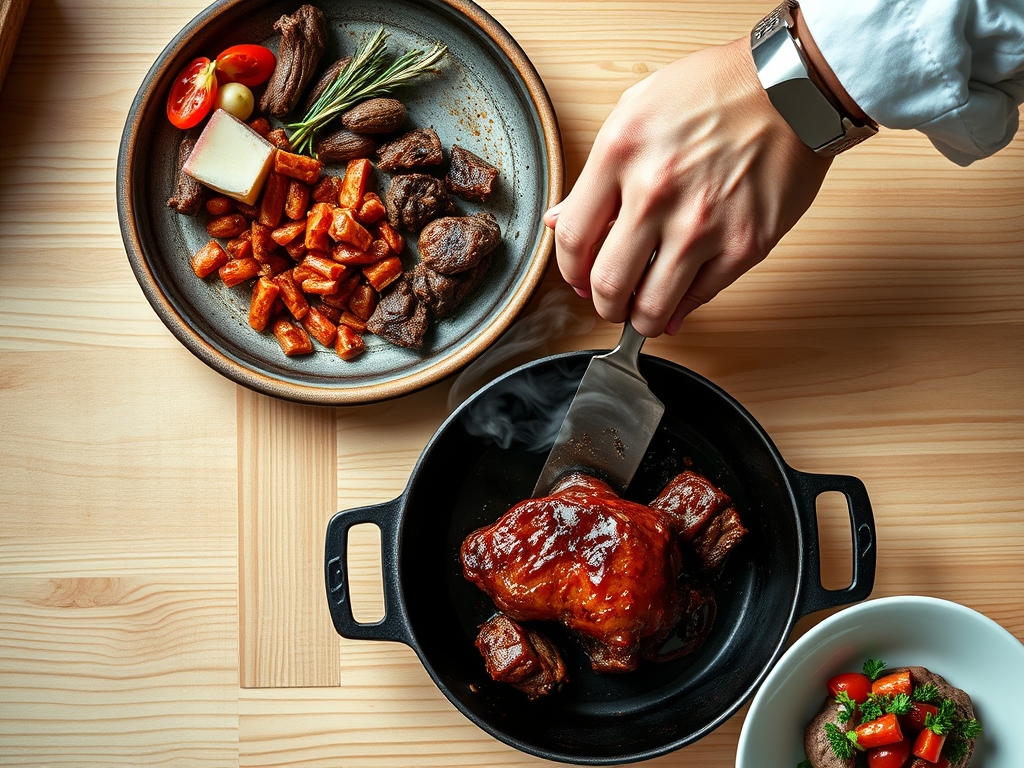
Heat a heavy-bottomed skillet until the oil is shimmering. Place the beef in the pan and do not move it. You are looking for a deep; mahogany crust. This is the Maillard reaction; a chemical reaction between amino acids and reducing sugars that creates hundreds of different flavor compounds.
Pro Tip: Use your tongs to press the meat firmly against the steel. This maximizes surface contact; ensuring the enzymatic browning is even and intense across the entire exterior.
4. The Low and Slow Roast
Transfer the beef to a wire rack set over a baking sheet. This allows hot air to circulate under the meat; preventing the bottom from steaming in its own juices. Roast at a low temperature; around 225 degrees Fahrenheit; until your digital thermometer hits your target.
Pro Tip: Slow roasting minimizes the "temperature gradient." This means the difference between the temperature at the surface and the center is small; giving you that coveted wall to wall pink.
5. The Aromatic Baste
In the final stages; add cold butter; smashed garlic; and herbs to a saucier. Once the butter foams; tilt the pan and use a large spoon to continuously bathe the roast in the flavored fat. This process is called "arrosé."
Pro Tip: The fat acts as a heat conductor; finishing the exterior while the herbs release fat-soluble flavor molecules that penetrate the crust.
6. The Carryover Rest
Remove the beef from the oven when it is five to seven degrees below your final target temperature. Place it on a warm carving board and tent it loosely with foil. Do not cut it yet.
Pro Tip: This is thermal carryover. The residual heat on the surface continues to move inward; raising the internal temp. Meanwhile; the constricted muscle fibers relax; allowing the juices to redistribute so they stay in the meat rather than on the board.
The Deep Dive
From a macro nutrition perspective; beef is a powerhouse of bioavailable protein; B12; and zinc. For those following a Keto lifestyle; these christmas beef recipes are a dream; as they are naturally high in healthy fats and zero carb. If you have guests with dietary restrictions; the "swap" is easy. For a Gluten Free version; ensure your gravy is thickened with a cornstarch slurry or a cold butter whisk-in rather than a flour roux. For a Vegan alternative; a roasted cauliflower "steak" treated with the same aromatic basting technique (using vegan butter) provides a similar sensory experience.
The Fix-It: Common Pitfalls
- The Gray Ring: This happens when the oven is too hot. Fix: Lower the temp and use a digital probe to monitor the gradient.
- The Soggy Bottom: This occurs when the meat sits in its own rendered fat. Fix: Always use a roasting rack to allow for 360 degree air flow.
- The Tough Bite: Usually caused by cutting with the grain. Fix: Identify the direction of the muscle fibers and slice perpendicular to them to shorten the fibers for a tender mouthfeel.
Meal Prep and Reheating
If you have leftovers; the science of reheating is delicate. To maintain "day-one" quality; avoid the microwave. Instead; slice the beef and place it in a shallow pan with a tablespoon of beef broth. Cover with foil and warm in a 250 degree oven. This creates a gentle steam environment that rehydrates the proteins without overcooking the center.
The Wrap-Up
Mastering christmas beef recipes is the ultimate culinary flex. It is a blend of patience; physics; and high quality ingredients. When you pull that roast out and see the perfect crust glistening under the kitchen lights; you will know the effort was worth it. Remember; the secret is in the details: the salt; the sear; and the rest. Now; grab your carving knife; gather your favorite people; and get ready to serve the best meal of the year. You have got the science; now go make the magic happen.
The Kitchen Table
Can I cook the roast straight from the fridge?
No; you should temper the meat for at least sixty minutes. Cooking cold beef leads to an uneven "bullseye" effect where the outside is overcooked and the center is raw. Tempering ensures a consistent; beautiful pink throughout the entire cut.
What is the best way to get a crust?
The Maillard reaction requires high heat and a dry surface. Pat the meat completely dry with paper towels before searing in a heavy-bottomed skillet. Moisture is the enemy of a good crust; as it creates steam instead of browning.
How long should I really let the meat rest?
A large roast needs at least thirty minutes. This allows the internal pressure to equalize and the muscle fibers to reabsorb the juices. If you cut it too soon; the moisture will flood the board; leaving the meat dry and tough.
What temperature is "medium rare" for beef?
Aim to pull the meat out of the oven at 125 to 130 degrees Fahrenheit. Thermal carryover will bring the final temperature up to the ideal 135 degrees during the resting phase. Always use a digital thermometer for accuracy.