
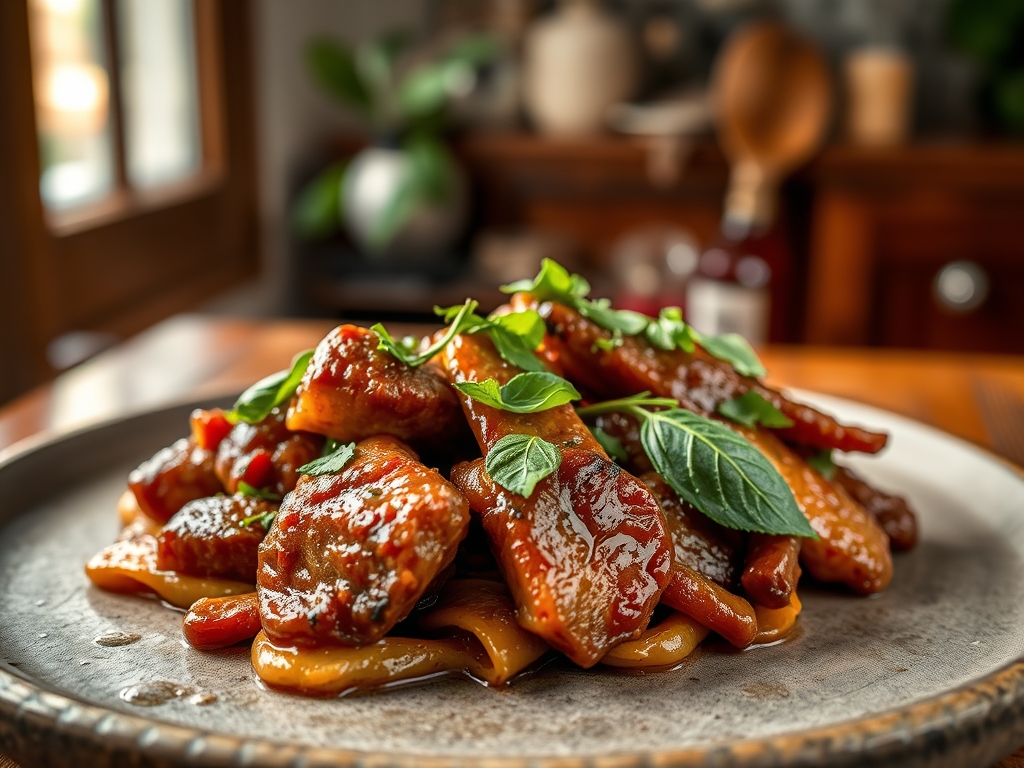
Picture the scent of a heavy bottomed skillet hitting its smoke point as you drop in ribbons of marbled ribeye. The kitchen fills with that unmistakable aroma of searing protein; a deep, carnal fragrance that suddenly meets the high, peppery notes of fresh herbs. This is the alchemy of basil beef recipes. It is more than just a quick dinner; it is a masterclass in balancing heavy fats with volatile aromatic oils. When the heat hits those basil leaves, their cell walls rupture, releasing linalool and estragole into the rendered beef tallow. The result is a dish that feels both grounded and ethereal. Whether you are craving a fiery Thai stir fry or a rustic Italian ragu, understanding how these two ingredients interact on a molecular level is the secret to moving from home cook to culinary artist. We are not just tossing things in a pan today. We are orchestrating a symphony of Maillard reactions and herbal infusions to create something truly unforgettable.
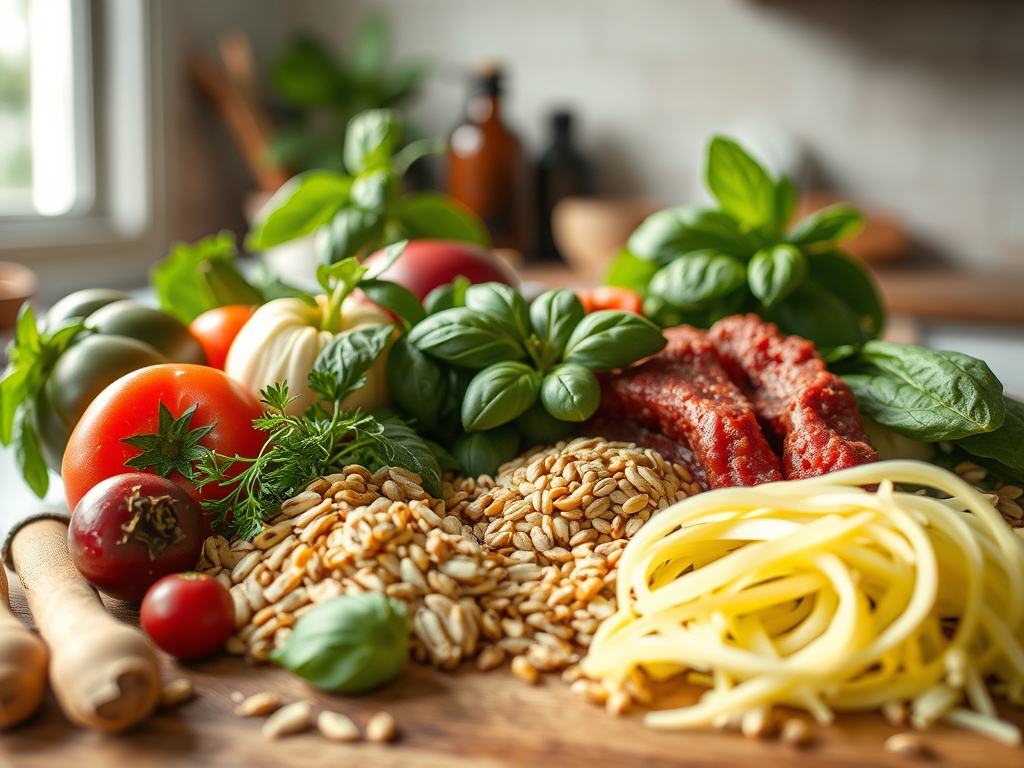
The Gathers:
To execute world class basil beef recipes, your mise en place must be precise. Start with your protein. You want a cut with significant intramuscular fat, such as flank steak or skirt steak, sliced against the grain to shorten the muscle fibers. Use a digital scale to ensure you have exactly one pound of beef. For the basil, seek out Genovese for sweetness or Thai Holy Basil for a piquant, clove like punch. You will also need high smoke point fats like avocado oil or clarified butter; extra virgin olive oil will break down too quickly under high heat.
The supporting cast includes aromatics like garlic and shallots, which provide a sulfurous backbone to the dish. Have your liquid gold ready: a mixture of oyster sauce, soy sauce, and a touch of fish sauce to introduce umami through fermented glutamates.
Smart Substitutions: If you cannot find fresh basil, do not reach for the dried stuff in a jar; it lacks the essential oils needed for this profile. Instead, use a dollop of high quality pesto or fresh mint mixed with a pinch of black pepper. For a leaner profile, venison or bison work beautifully as they share similar iron rich notes with beef but require a shorter sear time to avoid toughness.
The Clock: Chef's Flow
Efficiency in the kitchen is about managing thermal energy. Total preparation time for most basil beef recipes is approximately 15 minutes, with a lightning fast cook time of 6 to 8 minutes. This is known as "The Chef's Flow." You spend 70 percent of your time at the cutting board using a sharp chef's knife or bench scraper to organize your ingredients. The actual cooking is a high intensity sprint. By the time the skillet is hot, every ingredient must be within arm's length because the window between a perfect sear and scorched garlic is less than thirty seconds.
The Masterclass:
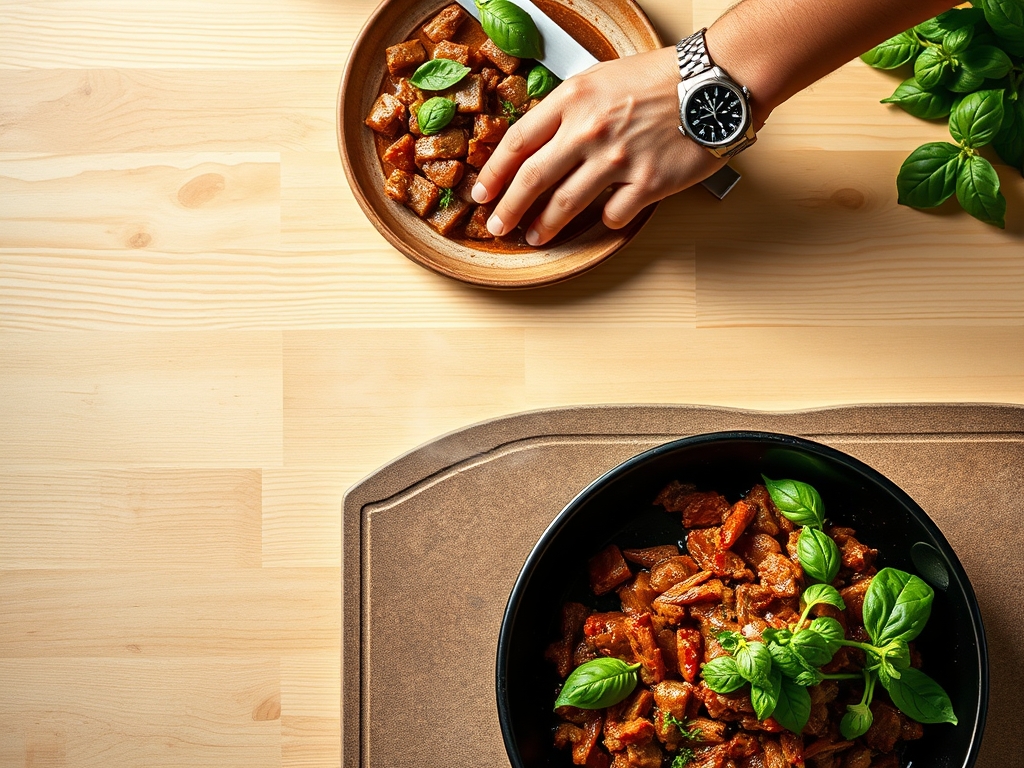
1. The High Heat Sear
Place your heavy bottomed skillet over high heat until a drop of water flicked onto the surface dances and evaporates instantly. Add your oil and then the beef in a single layer. Do not crowd the pan.
Pro Tip: This stage relies on the Maillard Reaction, a chemical reaction between amino acids and reducing sugars that gives browned food its distinctive flavor. If you crowd the pan, the temperature drops and the meat boils in its own juices instead of searing.
2. Deglazing the Fond
Once the beef is browned, remove it and look at the brown bits stuck to the pan. This is called "fond." Add a splash of beef stock or rice wine to the hot pan and use a wooden spoon to scrape those bits up.
Pro Tip: Deglazing incorporates the concentrated proteins back into your sauce. This creates a more viscous and complex flavor profile by capturing the caramelized essence of the meat.
3. Infusing the Aromatics
Lower the heat slightly and add your minced garlic and peppers. Sauté until fragrant but not brown.
Pro Tip: Garlic contains allicin, which is released when the cell walls are crushed. Cooking it briefly in fat allows these fat soluble flavor compounds to distribute evenly throughout the entire dish.
4. The Basil Finish
Turn off the heat entirely before tossing in your fresh basil leaves. The residual heat is enough to wilt them without destroying their delicate aromatic compounds.
Pro Tip: Basil contains volatile oils that evaporate at high temperatures. By using thermal carryover to wilt the leaves, you preserve the bright, peppery top notes that define the dish.
The Deep Dive:
Macro Nutrition: A standard serving of basil beef provides roughly 35 grams of protein and 12 grams of fat. It is naturally low in carbohydrates, making it an excellent choice for metabolic health, provided you watch the sugar content in your sauces.
Dietary Swaps:
- Vegan: Replace beef with pressed extra firm tofu or seitan. Use a mushroom based "oyster" sauce to maintain that deep umami profile.
- Keto: Ensure your sauce uses liquid aminos or tamari instead of sugary soy sauces. Serve over cauliflower rice.
- Gluten-Free: Always verify your fish sauce and soy sauce are certified GF; many traditional brands use wheat as a thickener.
The Fix-It:
- Tough Meat: If the beef is chewy, you likely sliced with the grain. Next time, look for the lines in the muscle and cut perpendicular to them.
- Soggy Basil: This happens if you add the herbs too early. Always add them at the very end of the process.
- Thin Sauce: If your sauce is too watery, whisk a teaspoon of cornstarch with cold water and stir it into the simmering pan to create a glossy, clingy coating.
Meal Prep Science: To reheat basil beef without it turning into rubber, avoid the microwave. Use a small saucier or pan on the stove with a tablespoon of water. Cover it to create steam, which rehydrates the protein fibers gently.
The Wrap-Up:
Mastering basil beef recipes is your ticket to weeknight glory. It is a dish that proves you do not need hours of simmering to achieve depth of flavor. By focusing on the temperature of your skillet and the timing of your herbs, you create a meal that is balanced, vibrant, and deeply satisfying. Grab your tongs, heat up that pan, and let the science of flavor do the heavy lifting for you!
The Kitchen Table:
Why is my beef gray instead of brown?
Gray meat occurs when the pan temperature is too low or the pan is overcrowded. This causes the meat to steam in its own moisture. Ensure your skillet is smoking hot and sear the beef in small batches.
Can I use dried basil for this recipe?
Dried basil is not a suitable substitute. The drying process removes the volatile oils that provide the signature fresh, peppery flavor. If fresh basil is unavailable, use fresh mint or a small amount of high quality refrigerated basil paste.
What is the best cut of beef for stir fry?
Flank steak, skirt steak, or top sirloin are ideal. These cuts have long muscle fibers that, when sliced thinly against the grain, become incredibly tender during a high heat, rapid sear.
How do I keep the basil from turning black?
Basil oxidizes and turns black when exposed to excessive heat or bruised with a dull knife. Use a very sharp blade to slice it and toss it into the pan only after the heat has been turned off.