
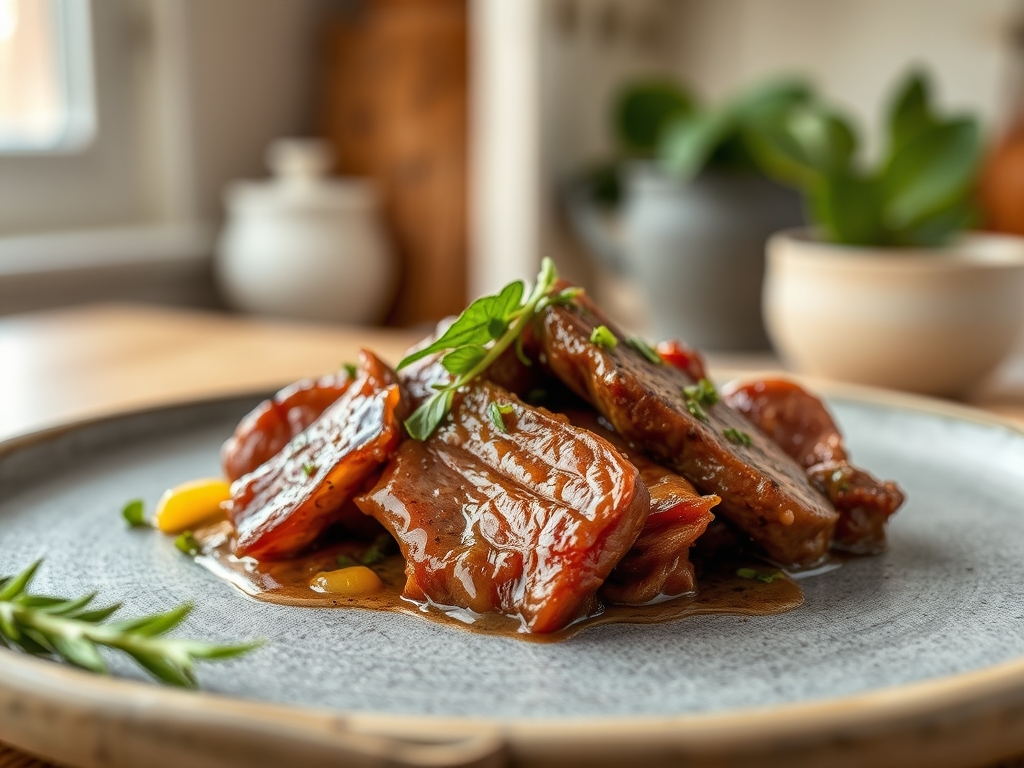
Imagine the sharp, metallic tang of a chef's knife hitting the board and the intoxicating aroma of fat hitting a searing hot surface. We are rewriting the narrative that red meat is the enemy of your waistline. By mastering lean cuts and precision heat, these low calorie beef recipes transform a Monday night into a high protein, Michelin star experience without the heavy caloric debt.
The secret lies in the science of the sear. When we talk about low calorie beef recipes, we are not talking about boiled, grey protein. We are talking about leveraging the Maillard reaction; the chemical dance between amino acids and reducing sugars; to create deep, savory flavors that satisfy the palate so thoroughly you will never miss the butter. We are going to use professional techniques to maximize volume and minimize density. Grab your favorite heavy bottomed skillet and a sharp blade. We are about to prove that "diet food" can be the most decadent meal of your week.
The Gathers:
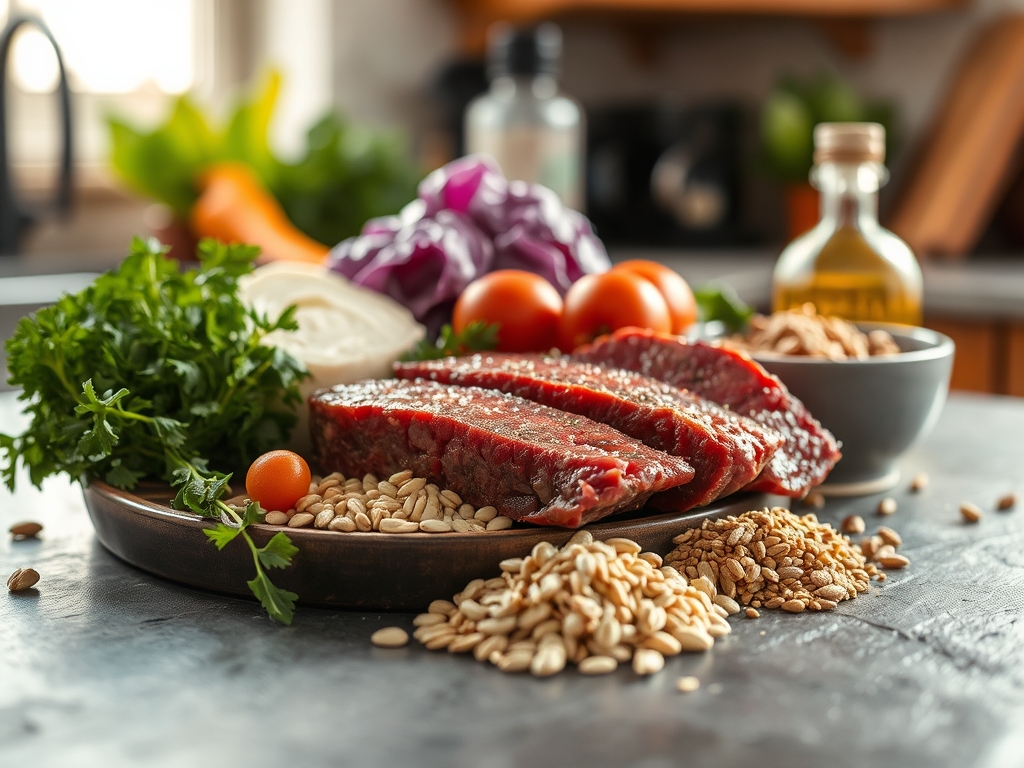
To execute these low calorie beef recipes with precision, your mise-en-place must be impeccable. Start with the protein. We are looking for "Select" or "Choice" grades of top round, flank, or eye of round. These cuts are naturally lower in intramuscular lipid deposits, meaning more protein per gram. Use a digital scale to portion your beef into four ounce increments; this is the sweet spot for satiety and caloric control.
Next, gather your aromatics. You will need fresh garlic, ginger, and shallots. These contain volatile oils that infuse the meat without adding significant calories. For the "Smart Substitutions," swap traditional heavy oils for high smoke point avocado oil sprays or small amounts of beef bone broth for deglazing. Instead of sugar-laden marinades, use acidic components like rice vinegar or lime juice to denature the protein fibers, making lean cuts incredibly tender. Keep your microplane handy for zesting citrus; the piquant oils in the zest provide a massive flavor payoff for zero calories.
The Clock
Efficiency in the kitchen is about "Chef's Flow." This is the logical sequencing of tasks to minimize downtime and prevent overcooking. For most of these low calorie beef recipes, the active prep time is approximately 15 minutes, with cook times ranging from 6 to 12 minutes.
The flow begins with the "chill and slice" method. Place your beef in the freezer for 20 minutes before prep; this firms the muscle fibers, allowing you to use your bench scraper or knife to achieve paper thin, uniform slices that cook in seconds. While the meat rests after searing, you utilize that residual heat to flash fry your fibrous vegetables. This ensures everything hits the plate at the peak of its textural integrity.
The Masterclass
1. The High Heat Sear
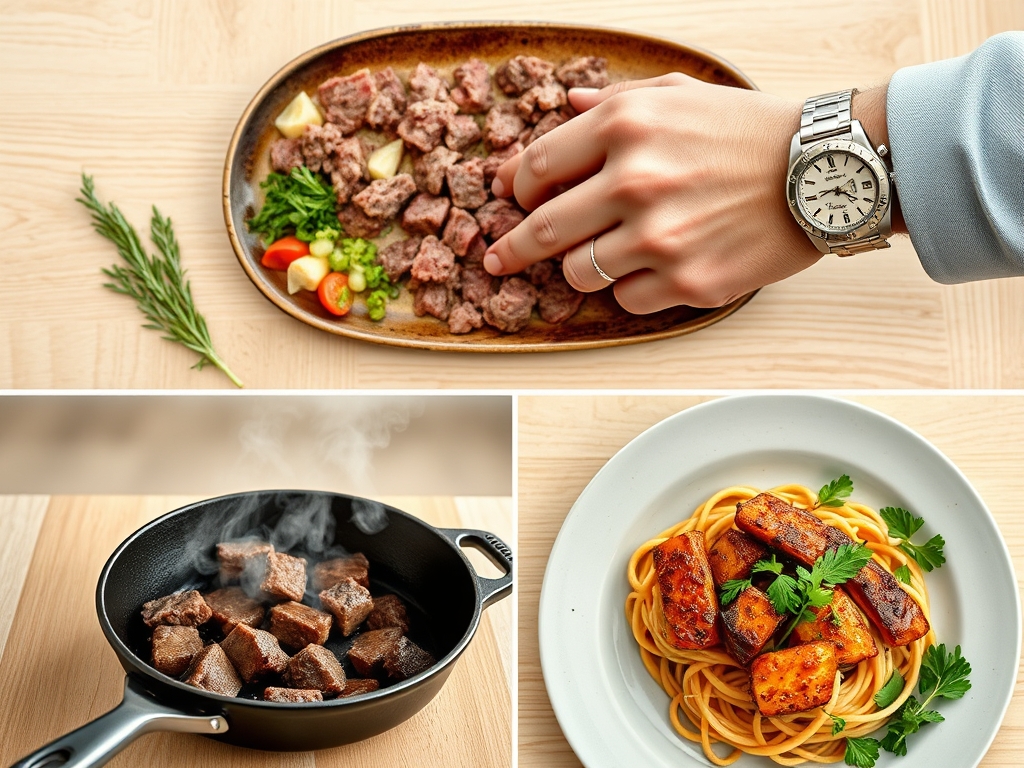
Pat your beef bone-dry with paper towels before it touches the pan. Moisture is the enemy of the Maillard reaction; if the surface is wet, the meat will steam rather than sear. Use your tongs to lay the strips in a single layer in a ripping hot cast iron skillet.
Pro Tip: This is the science of surface evaporation. By removing surface moisture, you allow the temperature to rise rapidly above 285 degrees Fahrenheit, triggering the browning that creates complex flavor compounds.
2. Deglazing for Depth
Once the beef is browned and removed, you will see brown bits stuck to the pan. This is "fond." Pour in a splash of balsamic vinegar or beef stock and use a wooden spoon to scrape it up. This creates a viscous, flavorful base for a sauce without needing flour or butter.
Pro Tip: Deglazing utilizes solubility. The flavor molecules trapped in the caramelized proteins dissolve into the liquid, creating a concentrated "jus" that coats your vegetables.
3. The Vegetable Volumizer
Add three cups of broccoli, bell peppers, or snap peas to the deglazed pan. These high volume, low calorie additions increase the size of your meal while adding essential fiber. Use a lid for 60 seconds to create a steam chamber that softens the cellulose without losing the crunch.
Pro Tip: This technique uses conductive and convective heat. The steam breaks down tough cell walls quickly, preserving the vibrant chlorophyll and micronutrients.
4. Aerating the Sauce
If you are using a cornstarch slurry or a dash of Greek yogurt for creaminess, whisk it in at the very end. Use a small saucier to keep the sauce moving so it does not break or curdle.
Pro Tip: This is about emulsification. By adding the thickener at the end, you prevent the proteins from over-coagulating, ensuring a silky mouthfeel that mimics high fat sauces.
The Deep Dive
When we analyze the macro nutrition of these low calorie beef recipes, we see a profile dominated by lean protein and complex carbohydrates. A standard serving provides roughly 35 grams of protein, 10 grams of fat, and 12 grams of net carbs, totaling about 280 to 320 calories.
For dietary swaps, vegans can substitute the beef with extra firm tofu pressed to remove moisture, though the Maillard reaction will occur at a slightly different rate due to the soy proteins. Keto enthusiasts should swap the root vegetables for zucchini or radish. If you are gluten free, ensure your soy sauce is replaced with tamari or liquid aminos.
The Fix-It: Common Pitfalls
- The Gray Meat Syndrome: This happens when the pan is overcrowded. Fix it by cooking in small batches to maintain high pan tension.
- Tough, Chewy Texture: This is usually caused by cutting with the grain. Always slice against the grain to shorten the muscle fibers.
- Bland Flavor: You likely forgot to season the meat directly. Salt the beef 15 minutes before cooking to allow it to penetrate the surface via osmosis.
For meal prep, reheating science is vital. To maintain "day-one" quality, reheat your beef in a skillet over medium heat with a tablespoon of water. This creates a gentle steam that prevents the protein from becoming "rubbery" in the microwave.
The Wrap-Up
You are now armed with the technical prowess to turn lean beef into a culinary masterpiece. These low calorie beef recipes are not about restriction; they are about using chemistry and professional tools to maximize every single bite. Go forth, grab your tongs, and reclaim the joy of a steak dinner that fits perfectly into your healthy lifestyle. You have the skills, the science, and the flavor.
The Kitchen Table
How do I make lean beef taste tender?
Always slice against the natural grain of the muscle. This breaks up the long, tough fibers. Additionally, using an acidic marinade like lemon juice or vinegar for 30 minutes will partially denature the proteins, resulting in a much softer bite.
What is the best cut for low calorie beef recipes?
Eye of round or top round are the winners. These cuts are extremely lean with minimal marbling. When sliced thin and seared quickly, they offer a high protein to calorie ratio that is perfect for weight management.
Can I cook these recipes in an air fryer?
Yes, the air fryer is excellent for lean beef. The high velocity hot air mimics a convection oven, promoting a fast sear. Just be sure to spritz the meat lightly with oil to prevent the surface from drying out.
Why does my beef release so much water in the pan?
This usually happens if the pan is not hot enough or if the meat was previously frozen and not patted dry. The water prevents searing and steams the meat. Ensure the pan is smoking hot before adding the protein.
How long can I store these beef recipes in the fridge?
Properly stored in airtight containers, these meals stay fresh for three to four days. For the best texture, store the sauce separately and combine them during the reheating process to prevent the meat from becoming soggy.