
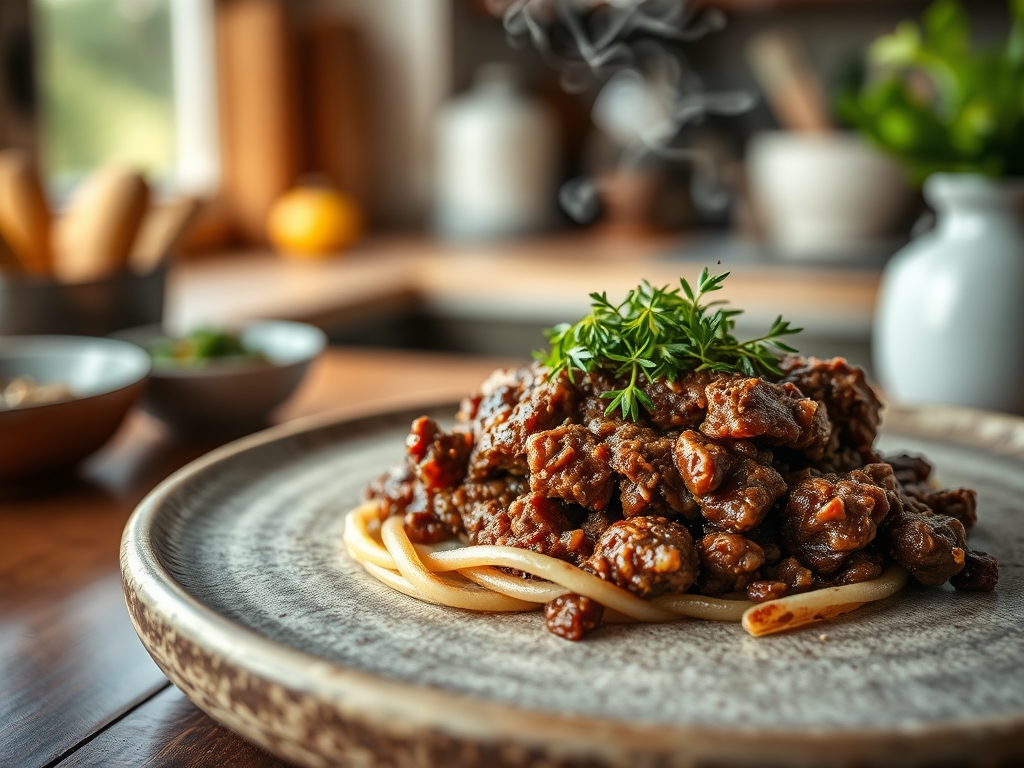
Picture the scene. You are standing over 768 square inches of cold, rolled steel as the propane ignites with a satisfying huff. The air begins to shimmer. This is not just about making dinner; it is about mastering the heat. When you dive into blackstone ground beef recipes, you are engaging in a high-stakes dance with the Maillard reaction. We are chasing that deep, mahogany crust that a standard stovetop skillet simply cannot replicate. It is the sound of a thousand tiny sizzles as fat renders and proteins transform. Whether you are smashing patties for a crowd or prepping a massive batch of seasoned crumbles for the week, the flat top is your laboratory. We are going to turn humble ground chuck into a culinary masterpiece by respecting the surface area and the science of the sear. Grab your heavy-duty spatulas; we are about to make magic on the steel.
The Gathers:
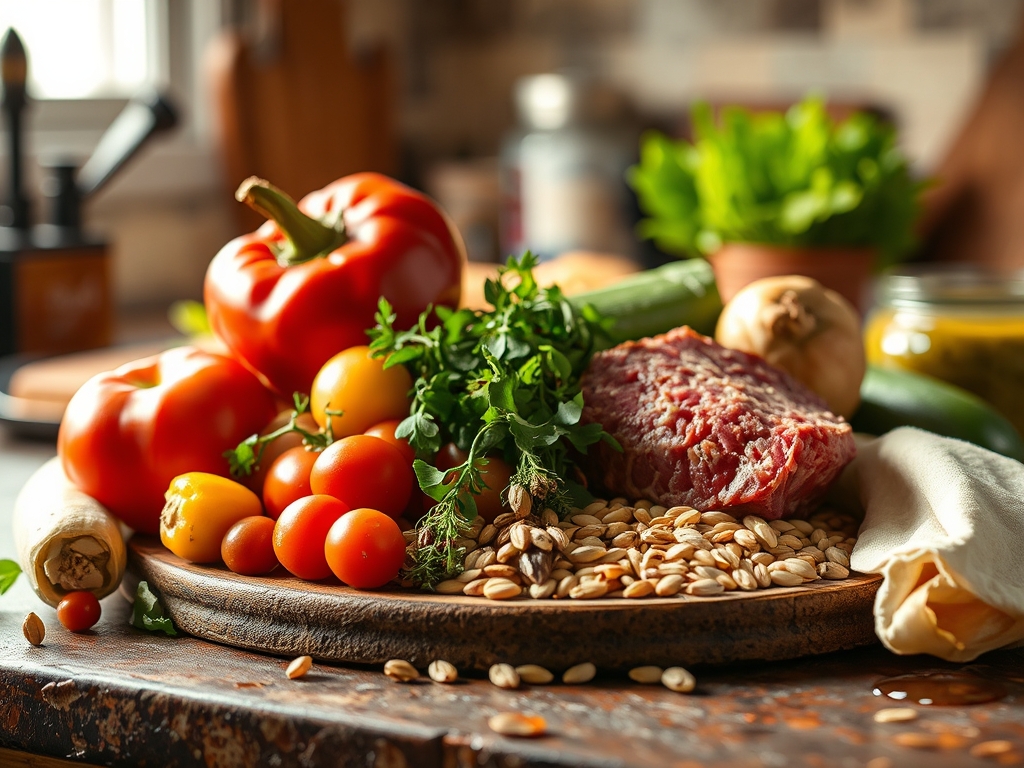
To achieve elite results, your mise-en-place must be flawless. We start with the protein. For the most succulent blackstone ground beef recipes, you need an 80/20 blend. This specific ratio ensures there is enough intramuscular fat to render and fry the meat in its own juices, creating that coveted crunch. If you use a leaner blend, the meat will become parched and granular.
Next, gather your aromatics. Finely minced shallots provide a more piquant and sophisticated base than standard yellow onions. Use a microplane to grate fresh garlic directly into your oil; this creates a paste that infuses the fat without burning into bitter charcoal bits. For your fats, skip the butter for the initial sear. You need a high-smoke-point oil like avocado or grapeseed oil to handle the 450-degree surface.
Smart Substitutions:
If you are looking to lighten the profile, a 50/50 blend of ground beef and finely minced cremini mushrooms works wonders. The mushrooms provide a similar viscous mouthfeel and deep umami while cutting the caloric density. If you lack a specific spice, remember that smoked paprika can mimic the "char" flavor if your heat control is slightly off. Always keep a bottle of Worcestershire sauce nearby; the fermented anchovies provide a chemical shortcut to savory depth.
The Clock
Efficiency on the flat top is all about the "Chef's Flow." Because the Blackstone provides such a massive cooking surface, you are managing different heat zones simultaneously.
Prep Time: 15 minutes. This involves weighing your meat on a digital scale to ensure even cooking and chilling it until the very second it hits the steel. Cold fat is easier to smash and less likely to smear.
Cook Time: 8 to 12 minutes. The actual "active" time is remarkably short because of the high thermal mass of the griddle.
The Flow: Start by preheating your griddle for at least 10 minutes. While it heats, portion your beef. Once the first puff of blue smoke appears, you move into the "Action Phase." You will spend 4 minutes on the initial sear, 2 minutes for the flip and seasoning, and a final 2 minutes for the thermal carryover to finish the interior.
The Masterclass
1. The Thermal Shock
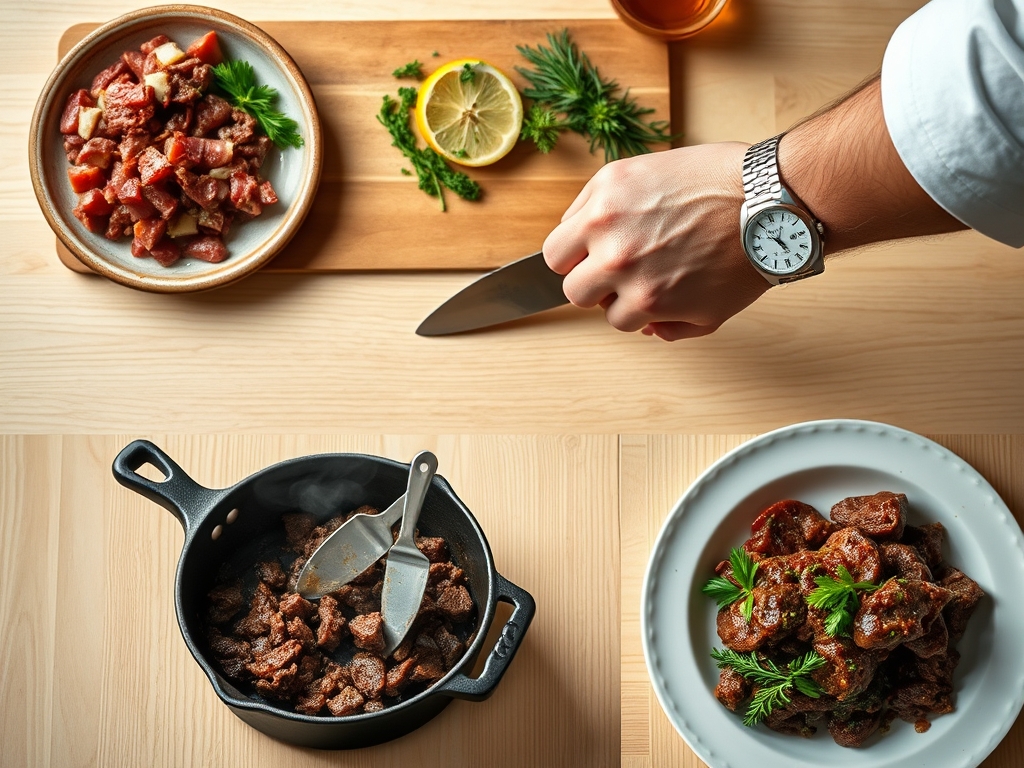
Place your chilled beef portions onto the hottest zone of the griddle. Do not crowd them. You want to maximize the contact between the cold protein and the hot steel to trigger enzymatic browning immediately. Use a bench scraper to keep the edges tidy.
Pro Tip: This is the science of heat flux. By using cold meat on a hot surface, you prevent the center from overcooking while the exterior undergoes the Maillard reaction. This ensures a juicy interior.
2. The Weighted Smash
Using a heavy-bottomed press or a secondary spatula, apply firm, even pressure to the beef. You are looking to increase the surface area as much as possible. This creates a thin, lacy edge that becomes incredibly crisp.
Pro Tip: Smashing the meat within the first 30 seconds is crucial. If you wait too long, the proteins begin to set and "bleeding" occurs; you will lose the internal moisture that makes the beef tender.
3. The Deglaze and Scrape
Once you flip the meat, you will notice "fond" (browned bits) stuck to the griddle. Pour a tiny amount of water or beef stock near the meat and use your spatula to scrape those bits back into the beef.
Pro Tip: This is a localized deglaze. The steam helps to infuse the concentrated flavors back into the meat fibers, ensuring every bite is seasoned from the outside in.
4. The Aromatic Infusion
In the final two minutes, move your beef to a medium-heat zone and toss in your minced garlic and herbs. Use your spatulas to aerate the mixture, tossing it like a stir-fry.
Pro Tip: Adding aromatics at the end prevents the volatile oils in the spices from scorching. This keeps the flavor profile bright and "piquant" rather than smoky and dull.
5. The Fat Management
As the fat renders, use your bench scraper to direct excess grease toward the trap, but leave a thin sheen. This grease acts as a heat conductor for the final sear.
Pro Tip: Liquid fat conducts heat faster than air. Maintaining a thin layer of oil ensures that the "nooks and crannies" of the ground beef are flash-fried, creating a multi-textural experience.
6. The Rest and Carryover
Remove the beef from the heat when it is about 5 degrees below your target temperature. Place it in a warm stainless steel bowl.
Pro Tip: Thermal carryover is real. The internal energy of the meat will continue to cook the center even after it leaves the griddle. Resting allows the muscle fibers to relax and reabsorb the rendered fats.
The Deep Dive
Macro Nutrition:
A standard 4-ounce serving of 80/20 ground beef prepared on the Blackstone contains approximately 280 calories, 22g of protein, and 20g of fat. By using the flat top, you actually allow some of the saturated fat to render out and drain away, which can slightly lower the final fat count compared to pan-frying in a saucier.
Dietary Swaps:
For a Keto version, serve your beef over a bed of shaved Brussels sprouts sautéed in the leftover beef tallow. For Vegan enthusiasts, high-quality plant-based crumbles react similarly to heat, though you may need to add a teaspoon of coconut oil to mimic the "render" of animal fat. This recipe is naturally Gluten-Free, provided your seasonings are pure.
The Fix-It:
- Gray Meat: If your meat looks gray instead of brown, your griddle wasn't hot enough. Fix: Move the meat to a new, hotter zone immediately.
- Dry Texture: You likely over-handled the meat. Fix: Next time, do not "work" the beef; just portion and press.
- Excessive Smoke: Your oil has reached its flash point. Fix: Quickly scrape the surface and move the meat to a cooler zone, then wipe with a clean cloth using tongs.
Meal Prep:
To reheat blackstone ground beef recipes without losing that "day-one" quality, avoid the microwave. Instead, use a heavy-bottomed skillet with a tablespoon of water. Cover it with a lid for 60 seconds to create steam, then uncover to re-crisp the edges. This restores the viscous texture of the fat.
The Wrap-Up
Mastering the Blackstone is a rite of passage for any home cook who craves restaurant-quality results. By understanding the physics of the smash and the chemistry of the sear, you have elevated a simple ingredient into something extraordinary. Remember: heat is your friend, but control is your superpower. Go forth, fire up that steel, and show those proteins who is boss. Your kitchen (and your friends) will thank you.
The Kitchen Table
How do I prevent my ground beef from sticking?
Ensure your griddle is properly seasoned and preheated. Use a high-smoke-point oil and do not attempt to flip the meat until a solid crust has formed; the meat will naturally "release" from the steel once the Maillard reaction is complete.
What is the best fat ratio for the Blackstone?
An 80/20 blend is the gold standard. The 20 percent fat content provides the necessary lubrication for the high-heat environment, preventing the meat from drying out while creating a flavorful, crispy exterior that leaner blends cannot achieve.
Can I cook frozen ground beef on the griddle?
It is not recommended. Frozen meat releases excess moisture as it thaws, which creates steam. This steam prevents the meat from searing, resulting in a gray, boiled texture rather than the crispy, browned finish characteristic of great griddle cooking.
How do I clean the griddle after cooking beef?
While the surface is still warm, use a bench scraper to remove large debris. Squirt a small amount of water to steam off the remaining residue, scrape again, and apply a very thin layer of oil to prevent oxidation.