
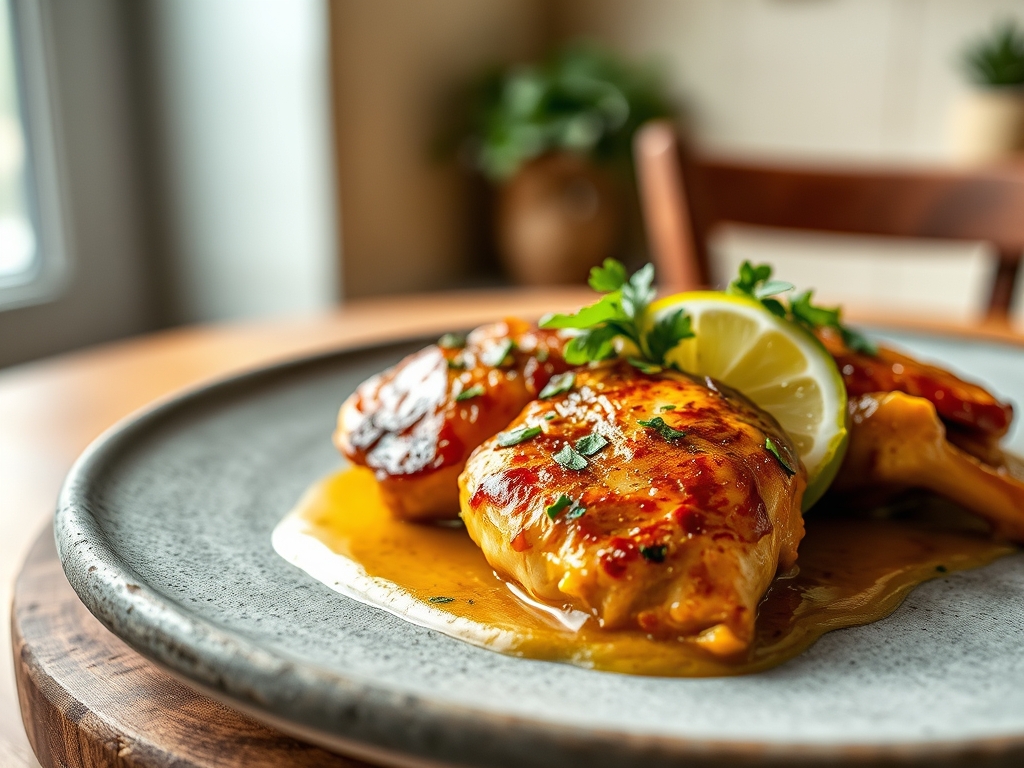
Imagine the sharp, electric scent of citrus oils aerosolizing into the air as you drag a microplane across a fresh lime. That specific, bright aroma is more than just a kitchen perfume; it is the secret weapon for elevating chicken recipes with lime from a standard Tuesday dinner to a high-end culinary experience. When you marry the fatty, savory profile of poultry with the high-acid punch of citrus, you create a chemical balance that makes every bite feel lighter yet more intense. We are not just cooking here; we are orchestrating a symphony of pH levels and heat.
The beauty of chicken recipes with lime lies in the molecular interaction between the citric acid and the protein fibers. Acid acts as a pre-cook agent, breaking down tough connective tissues and allowing moisture to penetrate deeper into the meat. Whether you are aiming for a crispy skin via a heavy-bottomed skillet or a succulent, slow-roasted finish, understanding the zesty mechanics of this pairing is your ticket to flavor mastery. Grab your apron and clear your counters; we are about to dive into the science of the squeeze.
The Gathers:
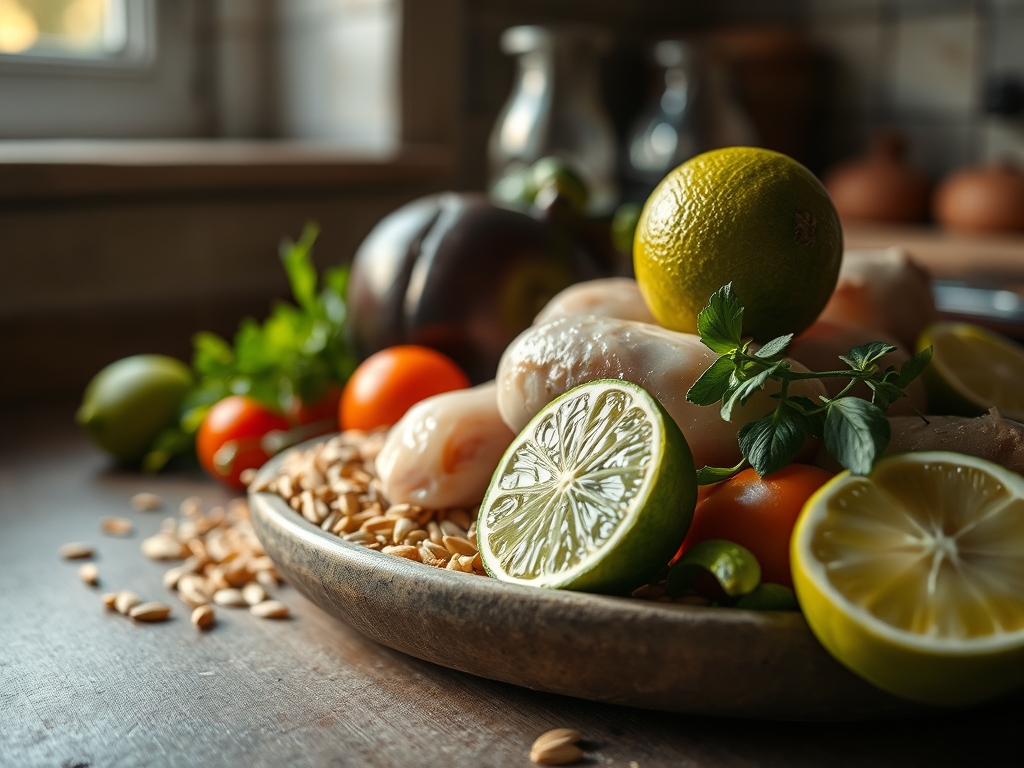
To achieve professional results, your mise-en-place must be precise. Start with four organic chicken thighs; the higher fat content in dark meat provides a better canvas for the Maillard reaction than leaner breasts. You will need three large, heavy limes. Look for fruit with smooth, thin skin, as these are typically more viscous and yield more juice than their bumpy-skinned counterparts.
Your dry pantry staples should include smoked paprika, kosher salt for its jagged crystal structure that clings to meat, and freshly cracked black pepper. For the aromatics, gather four cloves of garlic and a thumb of ginger. Use a digital scale to measure out 30 grams of high-smoke-point oil, such as avocado or grapeseed oil, to ensure you can sear at high temperatures without the fats breaking down into acrid smoke.
Smart Substitutions:
If you find yourself without fresh limes, a high-quality calamansi juice offers a similar piquant profile. For those watching sodium, swap the salt for a splash of liquid aminos, which adds an umami depth while keeping the mineral count lower. If you prefer a spicier kick, replace the paprika with chipotle powder to introduce a smoky, capsaicin-heavy undertone that thrives in acidic environments.
The Clock
Efficiency in the kitchen is all about the Chef's Flow. Total active preparation time is approximately 15 minutes, while the cooking process spans 20 to 25 minutes depending on the thickness of your poultry.
The "Flow" dictates that you begin with your knife work while the chicken tempers on the counter. Never throw cold meat into a hot pan; this causes the proteins to seize, resulting in a rubbery texture. By the time your garlic is minced and your limes are zested, your chicken will have reached the ideal temperature for a consistent sear. Allow for a 5-minute mandatory rest period at the end to ensure juice redistribution.
The Masterclass
1. The Zest and Rub
Using a microplane, zest two limes directly over the chicken. Avoid the white pith, as it contains bitter alkaloids that can ruin the flavor profile. Massage the zest, salt, and spices into the skin.
Pro Tip: This is called dry brining. The salt draws moisture out of the skin, creates a concentrated brine, and then is reabsorbed into the meat, seasoning it deeply through osmosis.
2. The Sear
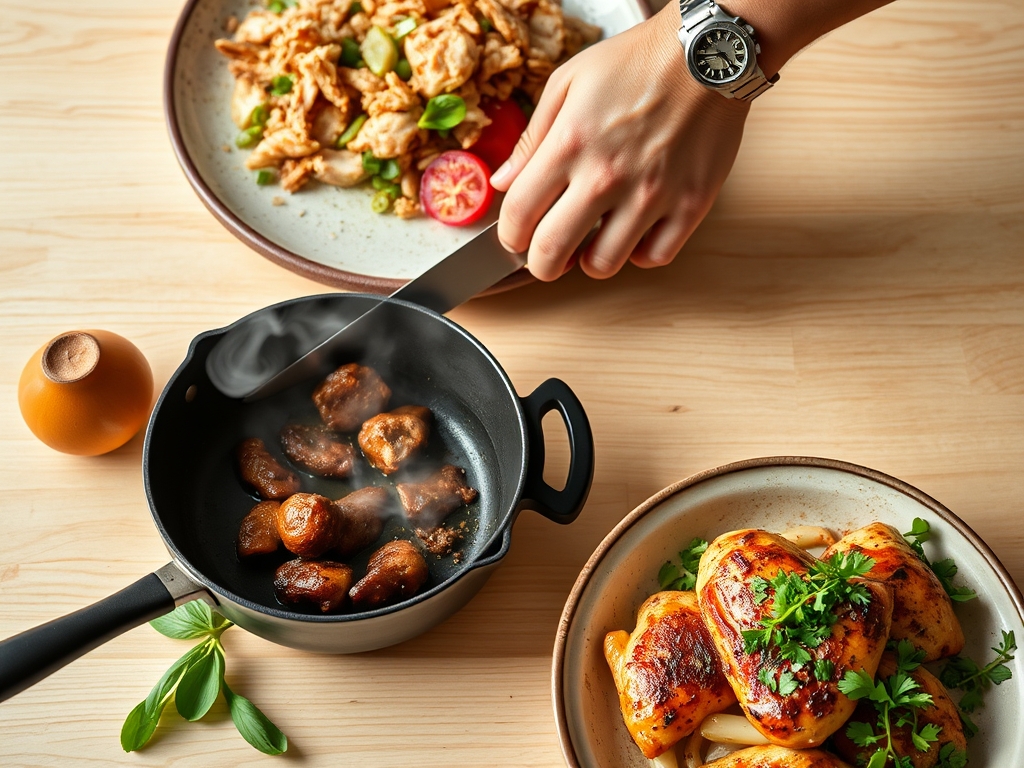
Heat a heavy-bottomed skillet over medium-high heat. Add your oil and wait for it to shimmer. Place the chicken skin-side down. Do not move it for at least six minutes.
Pro Tip: This patience allows for enzymatic browning. Moving the meat too early tears the delicate proteins before they have had a chance to caramelize and release naturally from the pan surface.
3. The Deglaze
Once the chicken is flipped and nearly cooked through, pour in the fresh lime juice. Use a wooden spatula or bench scraper to lift the browned bits from the bottom of the pan.
Pro Tip: These bits are known as fond. Deglazing incorporates these concentrated flavor deposits into a pan sauce, creating a complex, acidic reduction that coats the meat.
4. The Emulsification
Reduce the heat to low and whisk in a cold pat of butter or a spoonful of coconut cream. Stir vigorously until the sauce becomes glossy and opaque.
Pro Tip: This process creates a stable emulsion. The fats bind with the lime juice, mellowing the sharp acidity and creating a luxurious mouthfeel that lingers on the palate.
5. The Infusion
Toss in your minced garlic and ginger during the final two minutes of cooking. This prevents the delicate aromatics from burning and turning bitter.
Pro Tip: Garlic contains allicin, which is highly heat-sensitive. Adding it late in the process ensures the flavor remains pungent and bright rather than dull and toasted.
6. The Carryover Rest
Transfer the chicken to a warm plate and tent loosely with foil. Let it sit for five to seven minutes before slicing.
Pro Tip: This accounts for thermal carryover. The internal temperature will continue to rise by about five degrees, and the muscle fibers will relax, trapping the juices inside the meat.
7. The Final Aeration
Squeeze the final lime over the rested chicken and garnish with fresh cilantro or scallions.
Pro Tip: Fresh juice added at the end provides a "top note." While cooked juice adds depth, raw juice provides the volatile organic compounds that give the dish its initial aromatic punch.
The Deep Dive
From a macro perspective, this dish is a powerhouse. A standard serving of lime-infused chicken thighs provides approximately 28 grams of protein and 12 grams of healthy fats. By using fresh citrus instead of heavy creams or sugars, you keep the glycemic load low while maximizing vitamin C intake.
Dietary Swaps:
For a Vegan version, swap the chicken for extra-firm tofu or oyster mushrooms. Use a saucier to reduce the lime juice with a bit of soy sauce for a similar umami effect. For Keto followers, this recipe is naturally compliant; just ensure you use butter or ghee for the emulsion. Gluten-Free diners are safe as long as the spices are pure and no flour-based thickeners are used.
The Fix-It:
- Bitter Sauce: If the sauce tastes "off," you likely scraped the pith. Fix it by adding a tiny pinch of sugar or honey to neutralize the bitterness.
- Soggy Skin: This happens if the pan wasn't hot enough. Next time, use a digital thermometer to ensure your oil is at 375 degrees Fahrenheit before adding the meat.
- Dry Meat: You likely skipped the rest. If it is already dry, slice it thin and toss it back into the pan sauce to rehydrate the fibers.
Meal Prep:
When reheating, avoid the microwave. The high-frequency waves toughen the protein. Instead, place the chicken in a pan with a splash of water or broth, cover it, and steam-heat it on the stove to maintain "day-one" moisture levels.
The Wrap-Up
Mastering chicken recipes with lime is about more than just following a list; it is about respecting the chemistry of your ingredients. By focusing on the sear, the deglaze, and the final acidic lift, you transform a humble bird into a restaurant-quality centerpiece. Go forth, use your tools with confidence, and remember that the best cooking happens when you balance scientific precision with a little bit of zesty intuition!
The Kitchen Table
Can I use bottled lime juice for these recipes?
Fresh is always superior. Bottled juice is pasteurized, which destroys the delicate enzymes and volatile oils found in fresh fruit. If you must use bottled, add a tiny bit of fresh zest to bridge the flavor gap.
How do I get more juice out of my limes?
Roll the lime firmly against the counter with your palm before cutting. This ruptures the internal juice vesicles. Alternatively, microwave the fruit for ten seconds to loosen the membranes before squeezing with a citrus press.
Why does my lime sauce turn grey?
This usually occurs when using an unlined aluminum pan. The acid in the lime reacts with the metal. Always use stainless steel, cast iron, or enameled cookware to keep your sauces bright and vibrant.
Is lime zest better than lime juice?
They serve different purposes. Zest contains the essential oils and provides the aroma, while juice provides the acidity and structure. For the best chicken recipes with lime, you should always use both in tandem.