
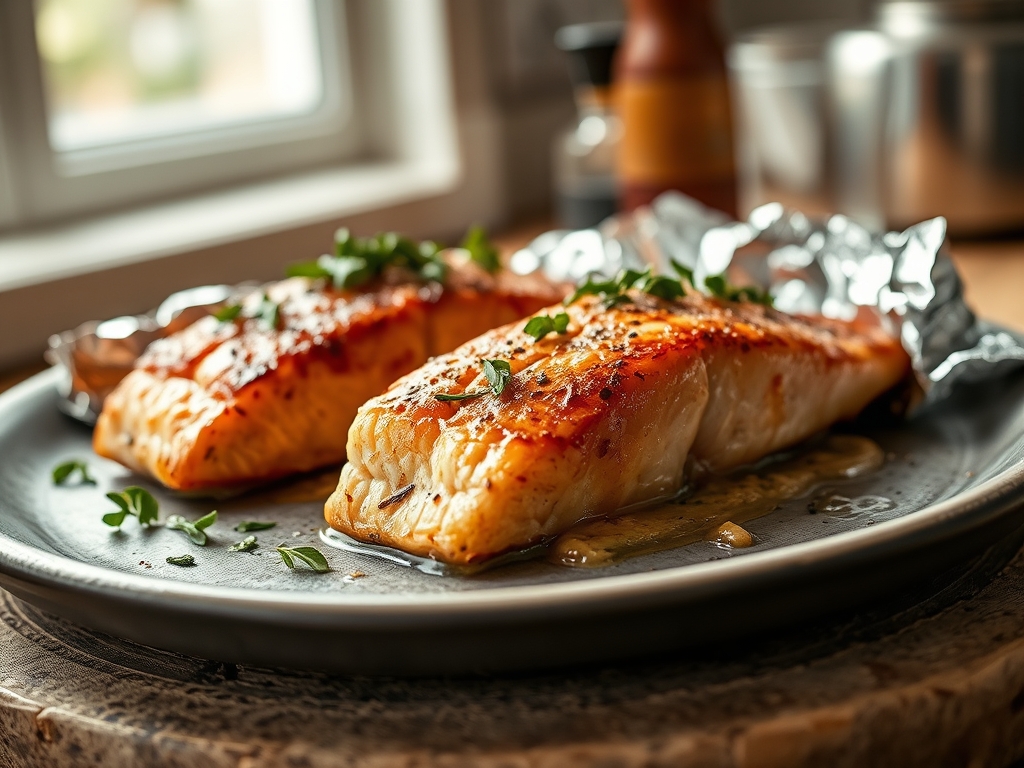
Imagine the scent of lemon zest and bubbling butter wafting through your kitchen as you peel back a shimmering silver packet. If you are hunting for easy salmon recipes baked in foil, you have stumbled into the right laboratory. This method is the ultimate culinary cheat code for weeknight elegance. By sealing the fish in a conductive aluminum envelope, we are essentially creating a portable steam oven that locks in moisture while infusing the flesh with aromatics. No more dry, chalky fillets; just buttery, flake-apart perfection every single time.
The beauty of this technique lies in the physics of heat transfer. Unlike open-air roasting, which can zap the moisture out of delicate proteins, the foil barrier traps steam released from the fish and the added fats. This creates a high-humidity environment that prevents the proteins from tightening too quickly. We are aiming for that translucent, succulent center that makes restaurant salmon so addictive. Whether you are a seasoned home cook or a total novice, mastering these six secrets will transform your dinner routine from mundane to Michelin-adjacent. Grab your apron and let us get into the chemistry of the perfect bake.
The Gathers:
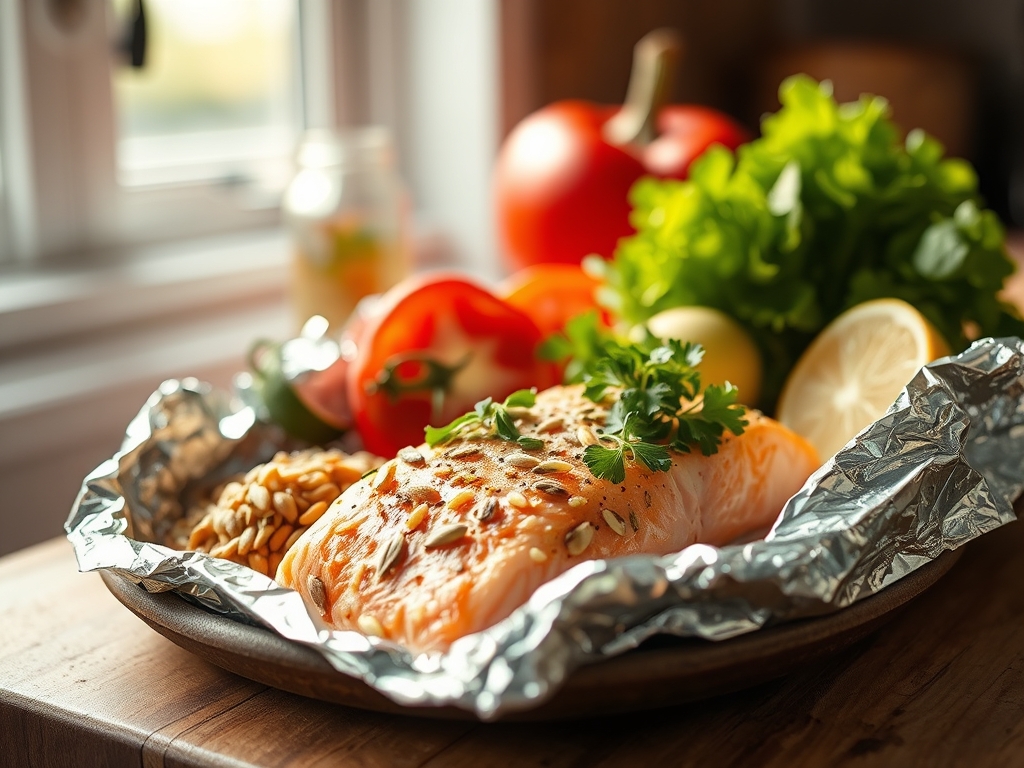
Before we touch the heat, we must respect the mise-en-place. For the ultimate result, you need high-quality fats and piquant acids. I recommend starting with a center-cut Atlantic or King salmon fillet. You will need high-fat European butter for its lower water content; this ensures a more viscous sauce once melted. Use a microplane to grate fresh garlic and lemon zest directly over the fish to release the essential oils. Fresh herbs like dill or parsley are non-negotiable for their volatile aromatic compounds.
Smart Substitutions:
If you are avoiding dairy, swap the butter for a high-smoke-point avocado oil or a rich coconut aminos blend for an umami punch. For those who want more heat, a teaspoon of Dijon mustard acts as a natural emulsifier, binding the oil and citrus juice into a thick, glossy glaze. If you lack fresh lemons, a splash of white wine or verjuice provides the necessary acidity to cut through the fatty lipids of the fish. Always use a digital scale if you are portioning large sides to ensure even cooking times across the board.
The Clock: Chef's Flow
Efficiency in the kitchen is about managing your "dead time." The prep for this dish takes exactly ten minutes if you use a sharp chef's knife and a bench scraper to clear your board. Preheat your oven to 375 degrees Fahrenheit. This specific temperature is the "Goldilocks zone"; it is hot enough to render the fats but gentle enough to prevent the albumin (that white protein goo) from leaching out of the muscle fibers.
The cook time generally ranges between 12 to 15 minutes depending on the thickness of your fillet. However, the "Chef's Flow" dictates that you use the final three minutes to prepare your garnish or a light side salad. Once the timer dings, the fish requires a mandatory five-minute rest inside the sealed foil. This allows for thermal carryover, where the internal temperature rises slightly while the juices redistribute, ensuring every bite is uniformly moist.
The Masterclass:
1. The Moisture Barrier
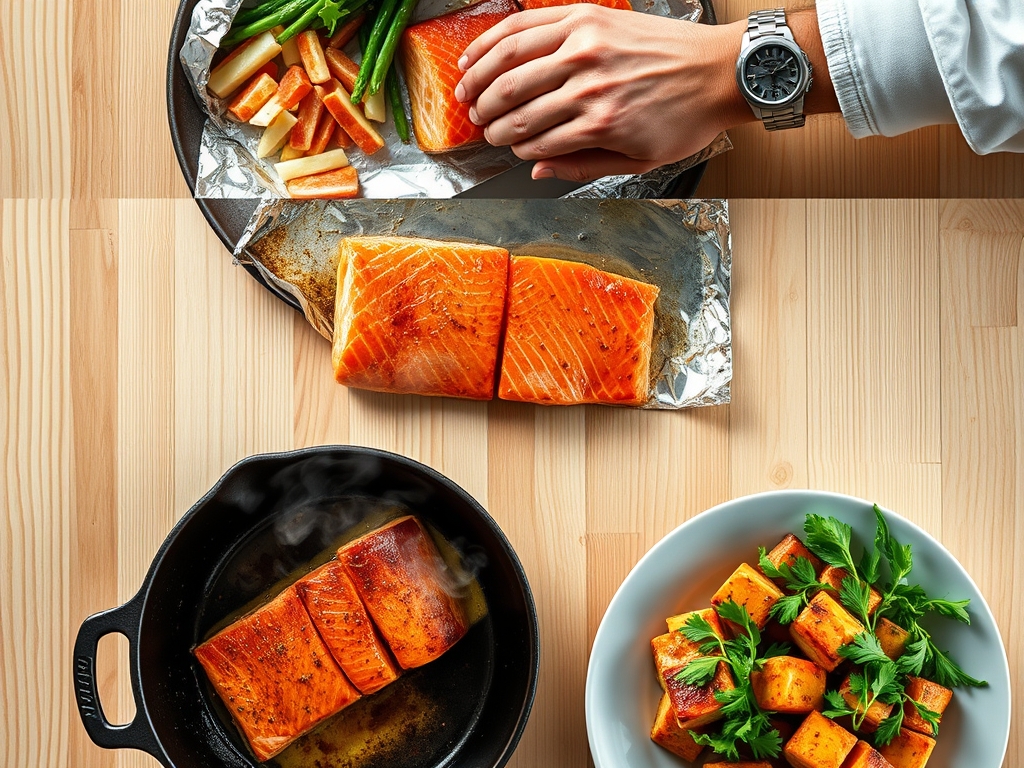
Lay out a large sheet of heavy-duty aluminum foil. Place a few thin slices of lemon at the base to act as a thermal buffer. This prevents the skin from sticking to the foil and adds a layer of citrus infusion from the bottom up.
Pro Tip: This creates a "scented steam" effect. The lemon slices prevent direct contact with the metal, slowing down the heat conduction to the bottom of the fish and preventing overcooking.
2. The Fat Emulsion
In a small saucier or microwave-safe bowl, melt your butter and whisk in the garlic, herbs, and salt. Pour this mixture over the salmon, ensuring every crevice is coated. This fat acts as an insulator and a flavor carrier.
Pro Tip: Butter contains milk solids that undergo a mild Maillard reaction even at lower temperatures when combined with the natural sugars in the fish, enhancing the savory profile.
3. The Airtight Seal
Fold the foil over the salmon and crimp the edges tightly. You want to leave a little bit of headspace inside the packet for the steam to circulate, but the edges must be hermetically sealed to prevent moisture loss.
Pro Tip: An airtight seal increases the internal pressure slightly, which forces the flavored fats into the protein fibers, a process known as infusion.
4. The Precision Bake
Place the packets on a heavy-bottomed baking sheet. Slide them into the center rack of the oven. If you are cooking multiple packets, ensure there is at least two inches of space between them for proper airflow.
Pro Tip: Using a heavy baking sheet provides consistent bottom heat, which helps the fats deglaze any juices released by the fish, creating a built-in pan sauce.
5. The Broil Finish (Optional)
If you prefer a bit of color, carefully open the foil packets for the last two minutes and toggle your oven to the broil setting. This introduces intense radiant heat to the surface.
Pro Tip: This triggers enzymatic browning on the surface of the garlic and herbs, adding a complex, toasted dimension to the flavor profile.
6. The Rest Period
Remove the tray from the oven and let the packets sit unopened for five minutes. This is the most ignored step but the most vital for texture.
Pro Tip: During the rest, the tightened protein fibers relax and reabsorb the liquid in the packet. If you cut into it immediately, the juice will run out, leaving the fish dry.
The Deep Dive:
Macro Nutrition: Salmon is a powerhouse of Omega-3 fatty acids, specifically EPA and DHA, which are essential for brain health. A standard 6-ounce portion provides roughly 34 grams of high-quality protein and zero carbohydrates, making it a staple for metabolic health.
Dietary Swaps:
- Vegan: Use the foil-packet method for thick "steaks" of cauliflower or king oyster mushrooms brushed with miso butter.
- Keto: Double down on the grass-fed butter and add a sprinkle of crushed macadamia nuts for crunch.
- GF: This method is naturally gluten-free; just ensure your spices are certified.
The Fix-It:
- The Albumin Bleed: If you see white goop, the heat was too high. Fix it by scraping it off and reducing the temp next time.
- Soggy Skin: If the skin is too soft, use tongs to flip the fillet and sear it in a heavy-bottomed skillet for 60 seconds after baking.
- Underseasoned: Always salt the fish ten minutes before cooking to allow the salt to penetrate the cellular level via osmosis.
Meal Prep: To reheat without losing quality, keep the salmon in its foil. Place it in a toaster oven at 275 degrees with a teaspoon of water added to the packet. This re-steams the fish rather than "nuking" the proteins into a rubbery state.
The Wrap-Up:
Mastering easy salmon recipes baked in foil is about understanding that you are the architect of a tiny, pressurized flavor chamber. By respecting the resting time and using high-quality fats, you turn a simple piece of seafood into a decadent masterpiece. This method is forgiving, fast, and requires almost zero cleanup; a win for your palate and your schedule. Now, go forth and bake with confidence!
The Kitchen Table:
How do I know when the salmon is done?
Use a digital thermometer to check for an internal temperature of 125 to 130 degrees Fahrenheit. The flesh should be opaque and flake easily when pressed with a fork. Remember that carryover cooking will finish the process during the rest.
Can I bake frozen salmon in foil?
Yes, but you must increase the cook time by about ten minutes. For the best texture, thaw the fish in the refrigerator overnight. This prevents the muscle fibers from becoming mushy due to excess ice crystal release during the bake.
What is the best foil to use?
Always opt for heavy-duty aluminum foil. It is less likely to tear when you are crimping the edges, ensuring the steam remains trapped. If you only have standard foil, use two layers to create a more durable, insulated pouch.
Why is my salmon tough?
Toughness is a direct result of overcooking, which causes the proteins to contract and squeeze out moisture. To prevent this, pull the salmon out of the oven when it is slightly underdone in the very center; the residual heat will finish it.