
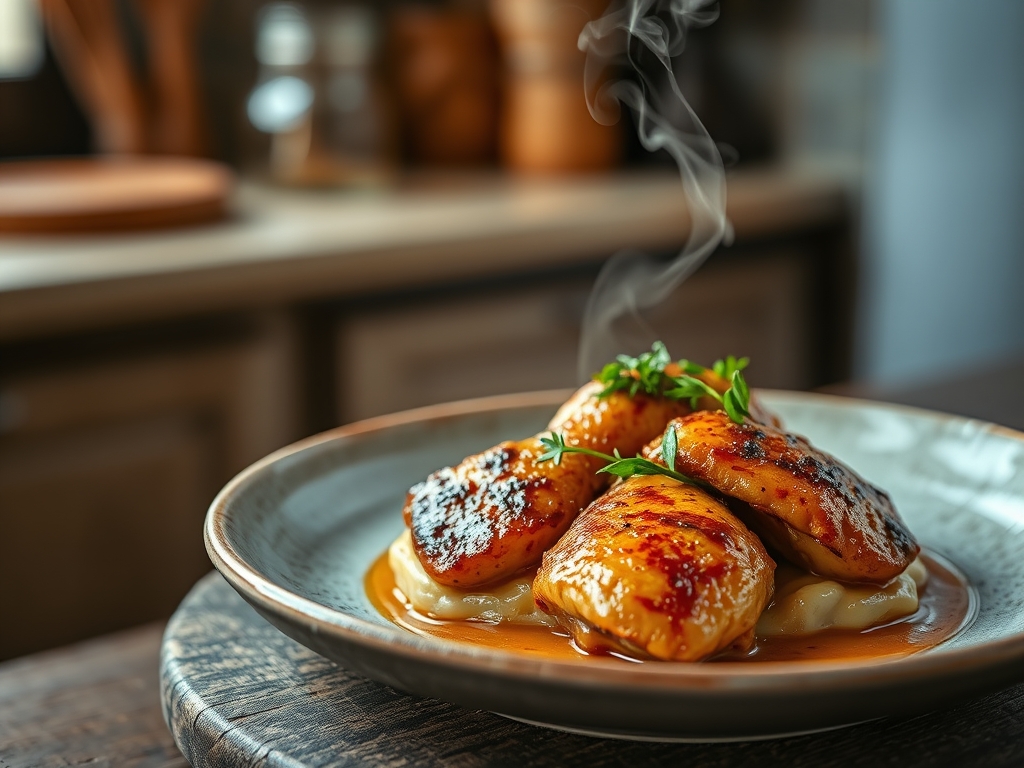
The smell of lemon zest hitting a hot stainless steel pan is pure alchemy: volatile oils atomize on contact, filling your kitchen with bright citrus notes while chicken breast begins its transformation from translucent pink to opaque white. That first sizzle signals you're about to master ww chicken recipes that deliver full flavor without the points penalty, using intelligent technique over heavy-handed butter or cream. These ten dishes prove weight-conscious cooking isn't about deprivation but about understanding how heat, acid, and strategic seasoning create satisfaction in every bite. Each recipe keeps you under 5 points per serving while teaching you the fundamental skills that separate home cooks from professionals: proper searing, building fond, and finishing with fresh herbs instead of fat-laden sauces.
The challenge with lighter chicken preparations is maintaining moisture and developing complexity when traditional flavor carriers like oil, cheese, or starchy reductions are minimized. Professional kitchens solve this through layering: acidic marinades for tenderization, dry brining for moisture retention, and high-heat methods that generate Maillard browning without excessive fat. Your technique becomes the main ingredient.
The Gathers
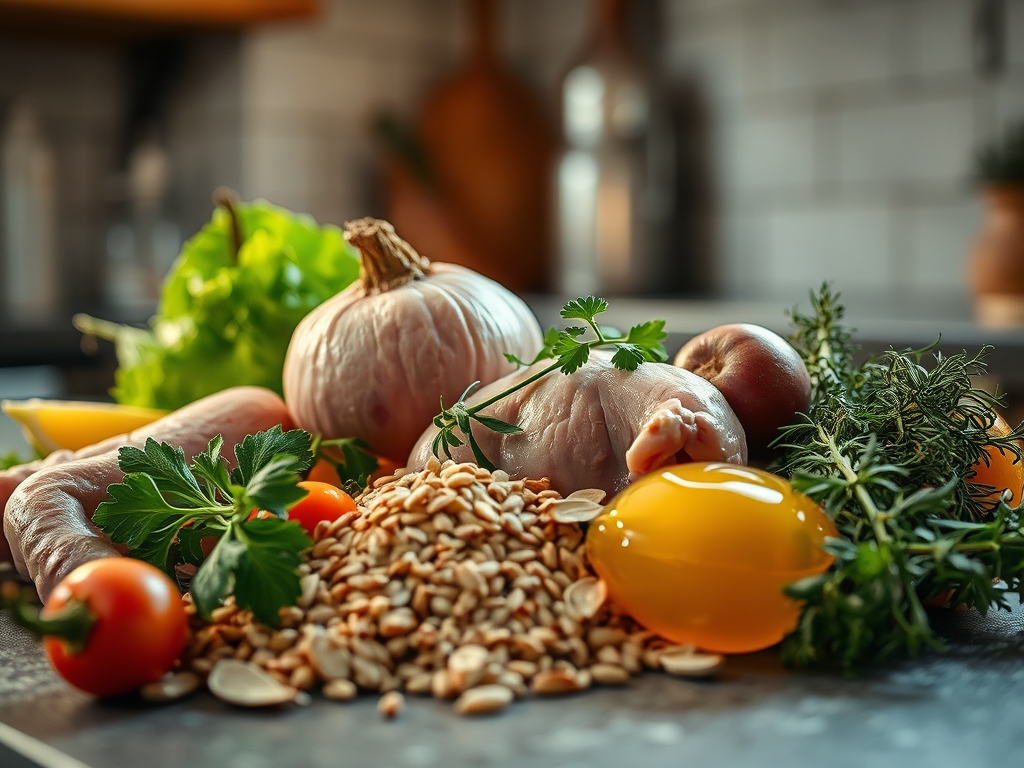
As you see in the ingredient spread below, the foundation starts with boneless, skinless chicken breasts (1.5 lbs, pounded to even 3/4-inch thickness to prevent dry edges), kosher salt (the coarse crystals draw out then reabsorb moisture, creating natural brine), and fresh lemon juice (2 tablespoons, providing both acid for tenderness and brightness without calories). You'll need smoked paprika (1 teaspoon for color and depth), garlic powder (not garlic salt, to control sodium), black pepper (freshly cracked releases more volatile compounds), and cooking spray (zero-point when used correctly).
Supporting players include cherry tomatoes (halved, 2 cups for bursting sweetness), baby spinach (4 cups raw, wilts to practically nothing but adds iron and volume), low-sodium chicken stock (1/2 cup for deglazing), Dijon mustard (1 tablespoon adds emulsified body), and fresh basil (torn just before service to preserve essential oils).
Smart Substitutions: Swap chicken thighs if you prefer dark meat (adds 1-2 points but dramatically increases forgiveness during cooking). Replace lemon with lime for Caribbean profiles. Use frozen spinach if fresh isn't available, but squeeze it completely dry or you'll create a watery mess.
The Clock
Prep time: 15 minutes (includes pounding chicken to uniform thickness, measuring spices, halving tomatoes)
Cook time: 18 minutes (12 minutes active searing and sauteing, 6 minutes resting)
Total time: 33 minutes from refrigerator to table
Chef's Flow: While chicken rests after the initial sear (carryover cooking continues to 165°F internally), you build the pan sauce using the same skillet. This sequential approach means one pan, minimal cleanup, and every second of heat energy gets captured as flavor. Season your chicken during the final two minutes of prep so salt has time to penetrate but not enough time to draw out excessive moisture.
The Masterclass
Step 1: Prep and Season the Chicken
Pat chicken breasts bone-dry with paper towels, then place between plastic wrap and pound to even thickness using the flat side of a meat mallet. Combine paprika, garlic powder, salt, and pepper in a small bowl, then coat both sides of each breast. Chef's Secret: Dry surface protein denatures faster under high heat, creating that restaurant-quality crust. Residual surface moisture steams the meat instead of browning it.
Step 2: Sear the Chicken
Heat a large nonstick or well-seasoned stainless skillet over medium-high (375-400°F surface temp) for 3 minutes. Spray with cooking oil for exactly one second, then immediately lay chicken smooth-side down. Cook without moving for 5 minutes. Why It Works: Constant flipping interrupts protein coagulation at the surface. That undisturbed contact time allows myosin and actin to cross-link into a firm, golden crust through Maillard reactions (amino acids + reducing sugars + heat = hundreds of new flavor compounds).
Step 3: Flip and Finish
Turn chicken, reduce heat to medium (325°F), and cook 5-7 minutes until internal temp reaches 160°F. Transfer to a plate and tent loosely with foil. Chef's Secret: Carryover cooking will push the temp to 165°F during the 5-minute rest. Cooking to 165°F in the pan guarantees an overcooked, chalky texture.
Step 4: Build the Pan Sauce
Return skillet to medium-high, add tomatoes cut-side down, and char for 2 minutes without stirring. Add stock and Dijon, scraping up the dark fond (those caramelized protein bits are pure umami). Simmer 2 minutes until reduced by half. Why It Works: Mustard contains lecithin, a natural emulsifier that gives body to fat-free sauces by suspending water and dispersed flavor molecules in a creamy matrix.
Step 5: Wilt Greens and Finish
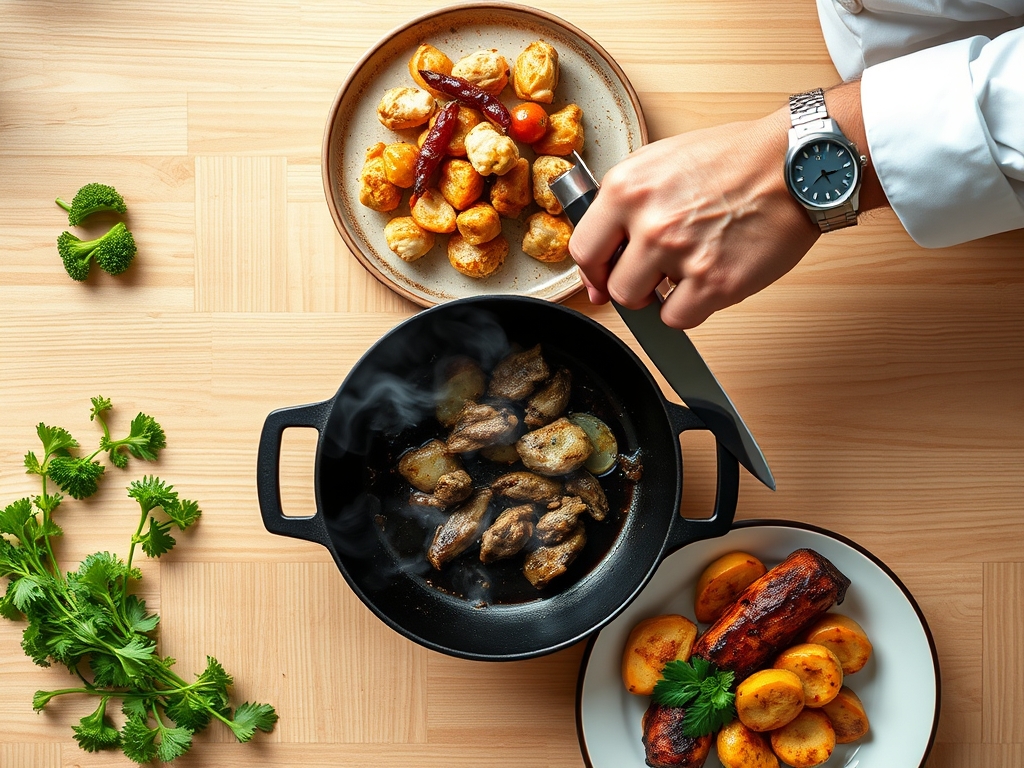
Toss spinach into the bubbling sauce; it'll collapse in 30 seconds. Add torn basil off-heat (volatile oils evaporate above 180°F), then slice chicken against the grain and nestle into the vegetables. Note the texture shown in the step-by-step photos: glossy sauce clinging to every piece, not pooling at the bottom.
Nutritional Info
Per serving (1 breast plus 3/4 cup vegetables and sauce):
Calories: 187
Protein: 34g
Carbohydrates: 6g
Fat: 3g
Fiber: 2g
WW Points: 3-4 (depending on your plan)
The protein-to-calorie ratio here is exceptional. Chicken breast is roughly 80% protein by calories when cooked without added fat, making it the anchor for any points-conscious plan.
Dietary Swaps
Keto: Replace tomatoes with zucchini (lower sugar) and increase fat by finishing with 1 tablespoon grass-fed butter (adds richness without excessive points if you budget for it).
Gluten-Free: This recipe is naturally GF; just verify your stock and mustard labels.
Vegan: Substitute extra-firm tofu (pressed for 20 minutes, then torn into irregular chunks for more surface area). Sear in the same manner. Use vegetable stock and add nutritional yeast for umami depth.
Serving & Presentation
Rustic Family Style: Serve in the skillet itself, letting everyone spoon their portion. Garnish with lemon wedges and more fresh basil.
Elegant Plated: Fan sliced chicken over a swoosh of pureed cauliflower (zero points), spoon sauce and vegetables alongside, finish with microgreens and a pinch of flaky sea salt.
Grain Bowl: Nestle chicken and vegetables over cauliflower rice or quinoa, drizzle with any remaining pan sauce, add a soft-boiled egg (if points allow) for visual drama.
The Pro-Dodge
Pitfall 1: Chicken sticks and tears when flipping.
Fix: Your pan wasn't hot enough, or you moved the meat too early. Wait until it releases naturally (protein contracts and lifts away from metal when properly seared).
Pitfall 2: Sauce tastes thin and bland.
Fix: You didn't reduce it enough. Simmer until it coats the back of a spoon. Also, check your stock: low-sodium versions often lack depth, so add a pinch of MSG or a splash of soy sauce (minimal points, maximum umami).
Pitfall 3: Spinach turns army-green and slimy.
Fix: You overcooked it. Add greens off-heat or at the very end; residual pan temperature is sufficient. Chlorophyll degrades into pheophytin (that sad olive color) at prolonged high temps.
The Meal Prep Corner
Storage: Separate chicken and sauce into airtight glass containers. Refrigerate up to 4 days.
Reheating: Microwave chicken at 50% power in 30-second intervals, adding a tablespoon of water to create steam and prevent drying. Alternatively, reheat sauce in a skillet over medium-low, then add sliced chicken just to warm through.
Day-One Quality: Slice chicken only when ready to serve. Whole breasts retain more moisture during storage. If prepping five servings, cook each breast individually rather than crowding the pan (which drops temperature and causes steaming instead of searing).
The Wrap-Up
You've just built a rotation of ww chicken recipes that prove points-friendly cooking is about precision, not compromise. Master these core techniques (dry surfaces for browning, carryover cooking, fond-based sauces) and you'll create endless variations: swap the tomatoes for bell peppers, trade basil for cilantro, substitute balsamic for lemon. Every iteration reinforces the fundamentals while keeping your plan on track. Share your favorite variation in the comments below; this community thrives when we trade secrets and celebrate wins together. Now get in the kitchen and make that pan sing.
The Kitchen Table
Can I use chicken thighs instead of breasts?
Absolutely. Thighs have more intramuscular fat (about 9g per 4 oz versus 3g in breasts), so they'll add 1-2 points per serving but forgive timing errors. Cook to 175°F internal temp; the extra collagen breaks down into gelatin, creating succulent texture.
How do I prevent rubbery chicken?
Two culprits: overcooking and uneven thickness. Always pound to uniform 3/4 inch and pull at 160°F (carryover does the rest). Rubbery texture = overcooked myofibrils that have squeezed out all their moisture.
Can I make this ahead for meal prep?
Yes. Cook chicken fully, then store separately from sauce. Reheat gently at 50% microwave power or in a 300°F oven covered with foil. Undercook by 2-3 degrees if you know you'll be reheating later.
What if I don't have fresh herbs?
Use dried at a 3:1 ratio (1 teaspoon dried basil per tablespoon fresh), but add during cooking rather than at the end since dried herbs need heat to rehydrate and release flavor. Fresh herbs are "finishing" ingredients; dried are "cooking" ingredients.
Is the cooking spray really zero points?
A one-second spray delivers roughly 0.25g fat (2 calories). WW rounds down, making it effectively zero. But a three-second spray is 6 calories and starts to count. Precision matters when you're building ten different dishes in a week.