
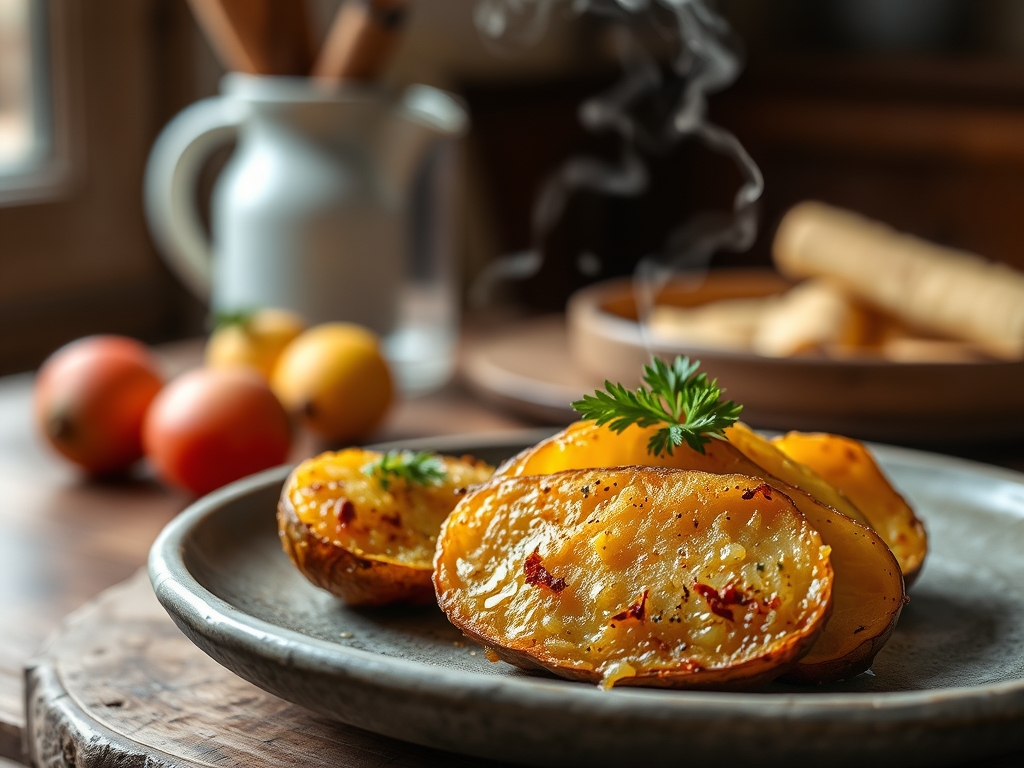
Imagine the scent of earth and salt hitting a hot cast iron surface. There is something primal about the way a Russet potato transforms from a dusty, humble tuber into a golden vessel of pure comfort. When you are craving that specific crunch followed by a cloud-like interior, these easy russet potato recipes are your absolute best friend. We are moving beyond the basic mash and into the realm of high-level texture management.
The secret lies in the anatomy of the Russet itself. Because it is a high-starch, low-moisture variety, it behaves differently than its waxy cousins. Think of each potato as a collection of tiny starch granules just waiting to be hydrated and then crisped to perfection. Whether you are hosting a frantic weeknight dinner or a slow Sunday brunch, mastering these nine secrets will elevate your kitchen game from amateur to artisanal. We are going to use science to ensure every bite is a masterclass in Maillard reaction and internal aeration. Grab your apron; we are about to turn simple starches into culinary gold.
The Gathers:
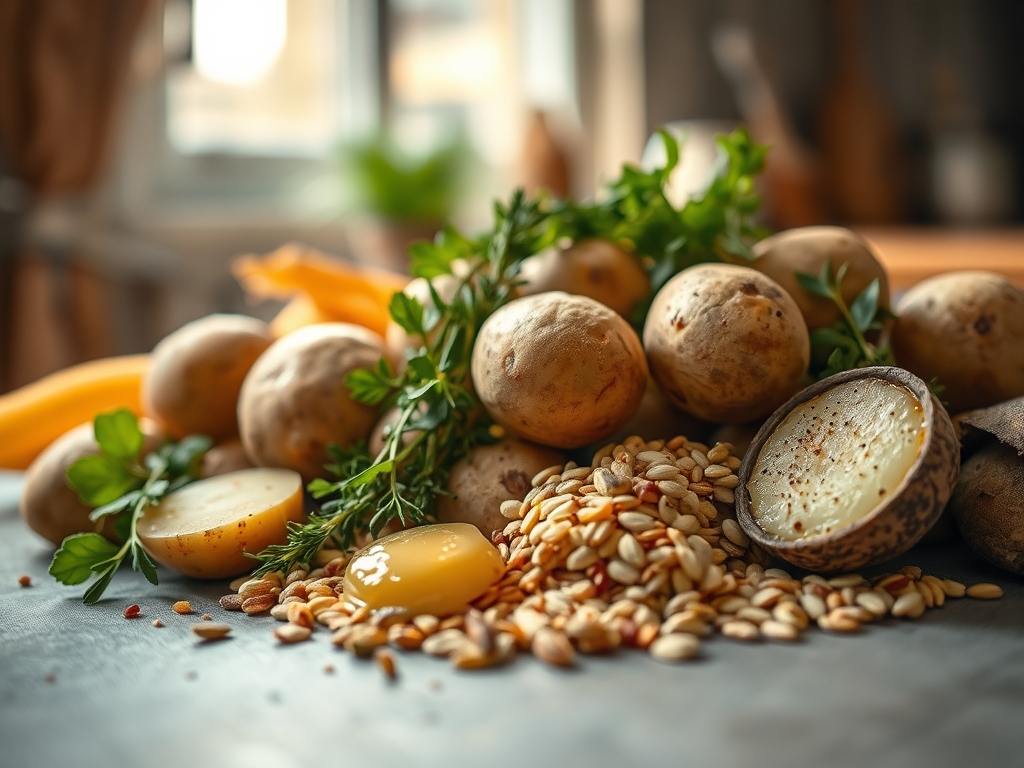
To execute these easy russet potato recipes with precision, your mise-en-place must be impeccable. Start with five pounds of premium Russet potatoes; look for skins that are taught and free of green tint, which indicates the presence of bitter solanine. You will need a high-smoke-point fat like clarified butter or avocado oil to facilitate deep browning without acridity. For aromatics, gather fresh rosemary sprigs, a head of hard-neck garlic, and Maldon sea salt for that specific crystalline crunch.
Your tool kit is just as vital as your ingredients. Pull out your heavy-bottomed skillet for even heat distribution and a digital scale to ensure uniformity in your cuts. A bench scraper is essential for moving piles of diced potatoes without bruising the delicate cell walls. For the "Smart Substitutions," if you are out of heavy cream for your infusions, a high-fat coconut milk provides a similar viscous mouthfeel. If you lack fresh herbs, a pinch of smoked paprika can infuse the oil with a deep, piquant earthiness that mimics wood-fired cooking.
The Clock:
Efficiency in the kitchen is all about "Chef's Flow." For these recipes, expect a total active prep time of 20 minutes and a passive cooking window of 45 to 60 minutes. The flow begins with the "Cold Start" method. By placing your potatoes in cold, salted water rather than boiling water, you ensure the exterior does not turn to mush before the core reaches its gelatinization point.
While the potatoes simmer or roast, use that "dead time" to render any fats or prepare your garnishes. This overlapping workflow prevents the frantic last-minute rush. Remember that the potato is a thermal battery; it holds heat exceptionally well. This means you can finish your main protein while the potatoes rest, utilizing thermal carryover to keep the side dish at the perfect serving temperature without overcooking the center.
The Masterclass:
1. The Surface Area Maximization
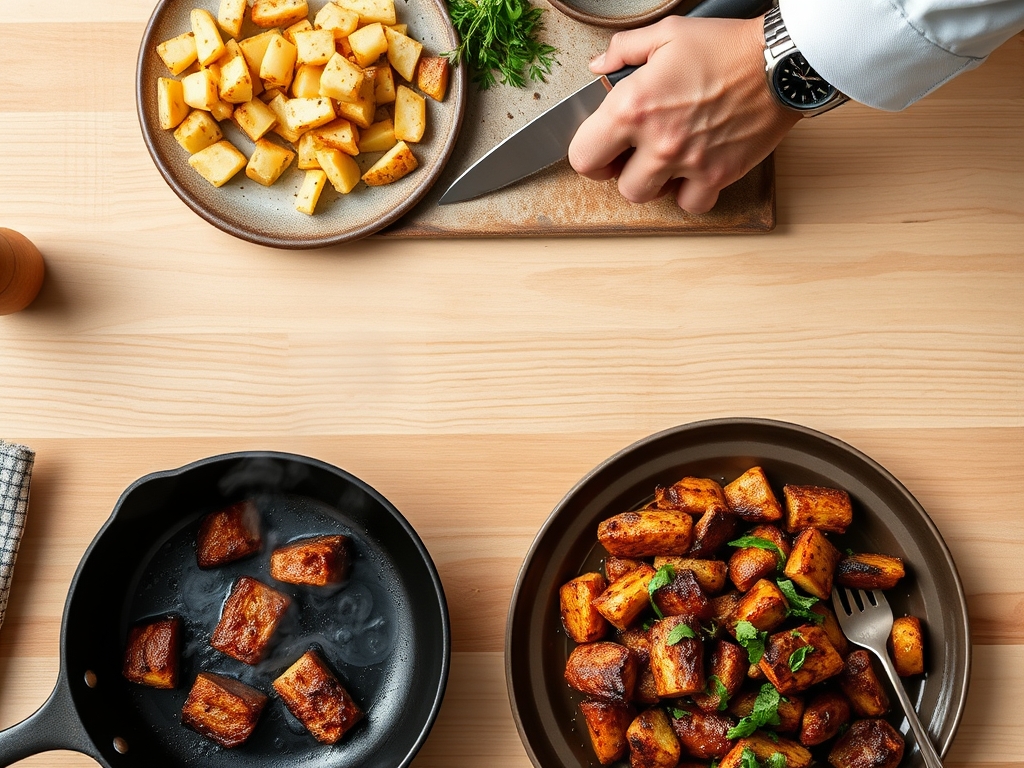
Before roasting, use a bench scraper to rough up the edges of your parboiled potatoes. This creates a starchy slurry on the surface that dehydrates in the oven to create a glass-like crust.
Pro Tip: This technique utilizes enzymatic browning and increases the surface area for the Maillard reaction, resulting in a crunch that lasts for hours.
2. The Acid Bath Pre-Soak
Soak your sliced Russets in cold water with a splash of white vinegar for 30 minutes. This removes excess surface starch and strengthens the pectin in the cell walls.
Pro Tip: Strengthening the pectin prevents the potatoes from falling apart during high-heat frying, ensuring a structural integrity that is both light and rigid.
3. The Fat Infusion Technique
Place your saucier over low heat and melt your fat with smashed garlic and thyme. Let it steep like tea before tossing it with your potatoes.
Pro Tip: This allows the fat to become a carrier for fat-soluble flavor compounds, ensuring the seasoning penetrates deep into the potato rather than just sitting on the skin.
4. The Steam Release Venting
Once your baked potatoes come out of the oven, immediately slice them open and fluff the interior with a fork to aerate the flesh.
Pro Tip: Failing to vent immediately traps steam inside, which rehydrates the starch and turns your fluffy potato into a gummy, dense disappointment.
5. The Double-Dehydration Method
For the ultimate fry, cook the potatoes at a low temperature first, let them cool completely, and then flash-fry at a higher temperature.
Pro Tip: The first fry creates a stable starch "skin," while the second fry expands the water vapor inside to create a hollow, crispy shell.
6. The Microplane Finishing Move
Never use pre-shredded cheese. Use a microplane to grate aged Parmesan or Pecorino directly over the hot potatoes the second they leave the heat.
Pro Tip: The fine particles melt instantly into the residual surface oil, creating a savory umami crust that bonds to the potato.
7. The Emulsified Mash Secret
When mashing, always incorporate your fat (butter) before your liquid (milk). This coats the starch granules in fat first.
Pro Tip: Coating the starch in fat prevents the liquid from creating long gluten-like strands, which is the primary cause of "gluey" mashed potatoes.
8. The High-Heat Convection Blast
If your oven has a convection setting, use it for the last ten minutes of roasting. This moves hot air rapidly around the potato.
Pro Tip: This rapid air movement accelerates evaporation, which is the key to achieving a "shatter-crisp" texture without using excessive oil.
9. The Residual Heat Rest
Always let your roasted potatoes rest on a wire rack for five minutes before serving.
Pro Tip: Resting on a rack allows air to circulate underneath, preventing the bottom from steaming and becoming soggy on the plate.
The Deep Dive:
From a macro perspective, the Russet is a nutritional powerhouse, offering more potassium than a banana and a significant hit of Vitamin C. For those on specific diets, these easy russet potato recipes are naturally gluten-free. For a Vegan twist, swap butter for a high-quality olive oil or nut butter to maintain that creamy texture. If you are watching carbs (Keto), try the "Small Portion, High Flavor" approach by using the potato as a vessel for high-protein toppings like smoked salmon or Greek yogurt.
"The Fix-It" section addresses common failures. If your potatoes are gummy, you likely over-worked the starch; next time, use a ricer instead of a hand mixer. If they are burnt but raw inside, your oven temperature was too high; lower the heat and use a foil tent. If they are bland, you didn't salt the cooking water heavily enough; remember, the water should taste like the sea to properly season the core. For meal prep, never microwave your leftovers. Instead, use a heavy-bottomed skillet with a teaspoon of oil to re-crisp them, which restores the "day-one" texture by re-dehydrating the exterior.
The Wrap-Up:
There you have it, my friend! You are now armed with the molecular secrets to turn a simple Russet into a culinary masterpiece. Cooking is just as much about physics as it is about flavor. By controlling moisture, heat, and starch behavior, you ensure every meal is a comforting success. Now, go grab your tongs, preheat that oven, and show those potatoes who is boss. Your kitchen is about to smell incredible!
The Kitchen Table:
Why are my roasted potatoes always soggy?
Sogginess usually occurs because of overcrowding the pan or failing to dry the potatoes after soaking. Ensure each piece has space for air to circulate and pat them bone-dry with a lint-free towel before adding oil.
Can I make these recipes ahead of time?
Yes. You can parboil and store them in the fridge for up to 24 hours. This actually improves the final crunch because the cold environment helps dehydrate the surface starch even further before the final roast.
What is the best oil for crispy potatoes?
Use oils with a high smoke point such as avocado, grapeseed, or clarified butter. Avoid extra virgin olive oil for high-heat roasting, as it can break down and create bitter flavors at temperatures above 375 degrees.
Do I really need to soak the potatoes?
Soaking is essential for removing excess surface starch. Without it, the starch will burn quickly in the oven, leaving you with a bitter, dark exterior and a center that remains undercooked and firm.