
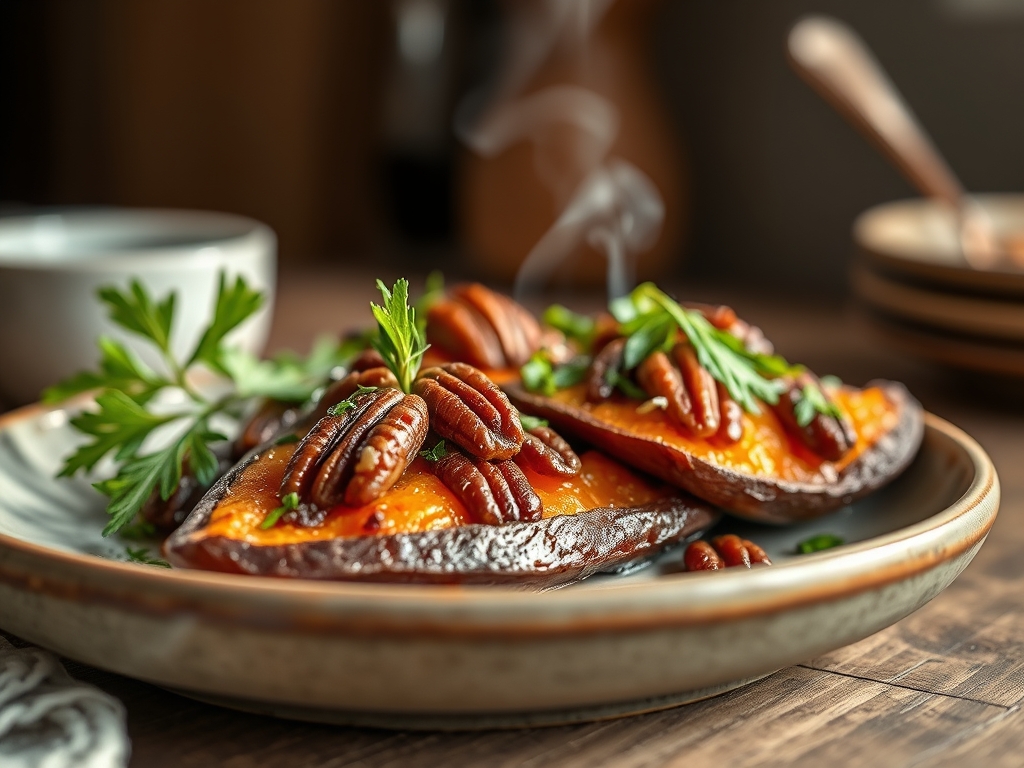
Close your eyes and imagine the scent of toasted butter swirling with the earthy, caramel notes of roasting tubers. It is the quintessential aroma of autumn, but we are moving far beyond the cloying, marshmallow-topped casseroles of the past. When you master pecan sweet potato recipes, you are balancing the high sugar content of the Ipomoea batatas with the rich, fatty lipids of the Carya illinoinensis. The result is a textural masterpiece where the velvety crumb of the potato meets the shatter-crisp snap of a nut crust. We are aiming for a sophisticated profile that highlights the natural sweetness through the Maillard reaction rather than masking it with corn syrup. This is about elevating a humble root vegetable into a centerpiece that commands attention. Whether you are hosting a formal gala or a cozy Sunday supper, these hacks will ensure your side dish is the most talked-about plate on the table.
The Gathers:
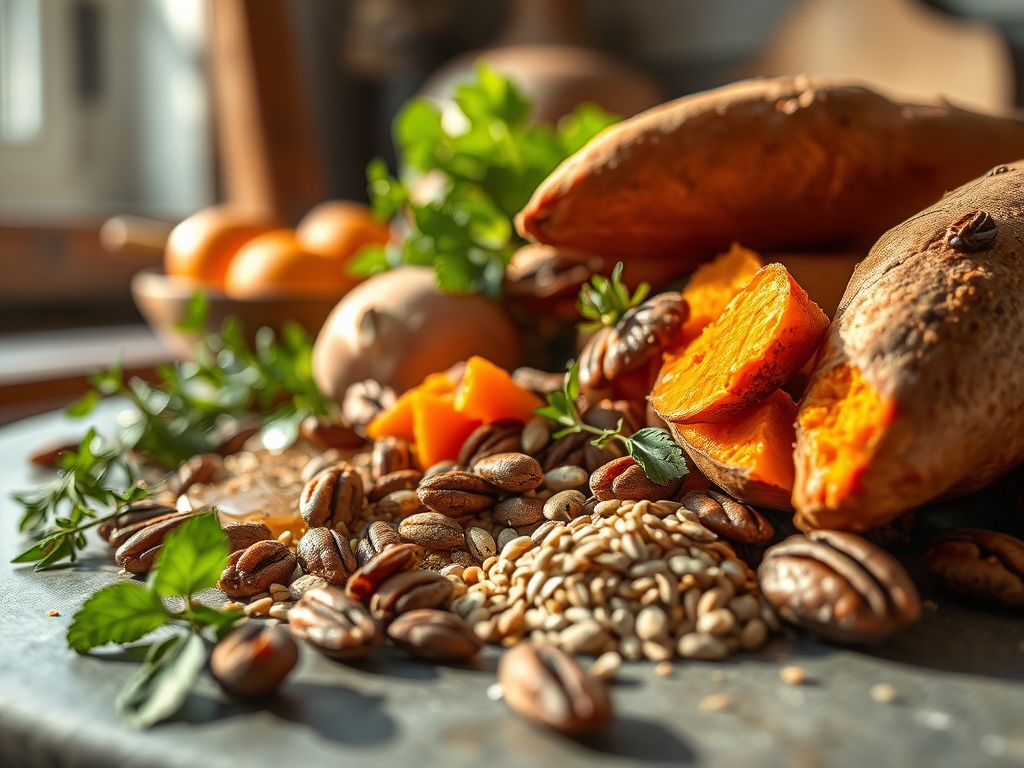
To begin, your mise-en-place must be precise. You will need three pounds of garnet or jewel sweet potatoes; these varieties possess the high moisture content necessary for a viscous puree. For the crust, source raw pecan halves. Raw nuts are essential because they will undergo a secondary roast in the oven; pre-toasted nuts will likely turn bitter and acrid. You will also need high-fat European butter (at least 82 percent butterfat) to provide a silkier mouthfeel, along with dark muscovado sugar for its deep molasses undertones.
Grab your digital scale to ensure accuracy. You will also need a microplane for fresh nutmeg and orange zest, which provides a piquant counterpoint to the heavy fats. For those looking for smart substitutions, you can swap the butter for refined coconut oil to maintain a high smoke point while keeping the dish vegan. If you are dodging refined sugars, a high-quality maple syrup works beautifully, though you must reduce the other liquids in the recipe to maintain the structural integrity of the mash.
The Clock
Efficiency in the kitchen is all about the "Chef's Flow." Total active prep time is approximately 20 minutes, while the roasting phase requires 45 to 55 minutes depending on the density of your tubers. I recommend roasting the potatoes whole in their skins first; this concentrates the sugars through evaporation rather than diluting them in a boiling pot of water. While the potatoes roast, you can use a bench scraper to roughly chop your pecans and prepare the crumble. This overlap ensures that by the time the potatoes are cool enough to handle, your topping is ready for its final assembly. The "carryover" heat from the oven will keep your kitchen warm while you perform the final emulsification.
The Masterclass
1. The Initial Roast
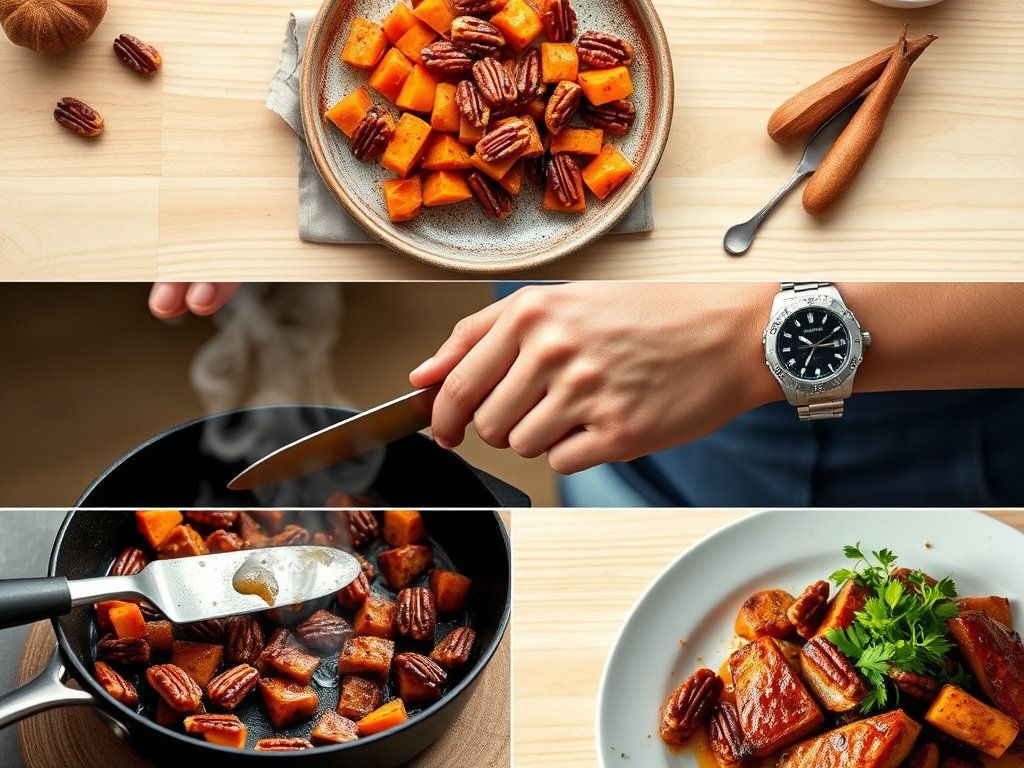
Place your scrubbed potatoes on a parchment-lined baking sheet. Pierce them several times with a fork to allow steam to escape. Bake at 400 degrees Fahrenheit until they yield easily to a knife.
Pro Tip: This method triggers enzymatic browning, where the starches break down into maltose. Roasting in the skin creates a self-steaming environment that preserves the delicate cellular structure of the potato.
2. The Velvet Purée
Once the potatoes are slightly cooled, peel them and pass the flesh through a food mill or a ricer into a heavy-bottomed skillet. This ensures a lump-free texture without overworking the starch.
Pro Tip: Avoid using a high-speed blender for this step. Blenders can shear the starch granules, releasing too much amylopectin and turning your elegant mash into a gummy, glue-like paste.
3. The Fat Emulsification
Over low heat, fold in your chilled butter cubes and a splash of heavy cream. Use a saucier if you have one to ensure even heat distribution as you whisk.
Pro Tip: This is a classic emulsification process. By adding cold fat to warm starch, you create a stable suspension that coats the palate, making the flavor of the pecans pop later on.
4. The Aromatic Infusion
Grate fresh ginger and nutmeg directly into the mash using your microplane. Add a pinch of Maldon sea salt to brighten the sugars.
Pro Tip: Volatile oils in spices dissipate quickly once ground. Grating them fresh at the final moment ensures the maximum olfactory impact and a more complex flavor profile.
5. The Pecan Tempering
In a small pan, melt butter and toss the chopped pecans with a hint of cayenne and sugar. Toast just until the nuts begin to render their natural oils.
Pro Tip: This "pre-toast" initiates the Maillard reaction. Since pecans have a high oil content, they can burn in seconds; stay vigilant to avoid the development of bitter carbon compounds.
6. The Crust Assembly
Spread the potato mixture into a shallow gratin dish. This increases the surface area for the topping, ensuring every bite has a crunch.
Pro Tip: A shallow dish promotes faster moisture loss during the second bake, which results in a more concentrated flavor and a sturdier crust that won't sink into the mash.
7. The Final Sear
Increase the oven temperature to 425 degrees Fahrenheit and bake until the pecan topping is bubbling and a deep mahogany brown.
Pro Tip: This high-heat finish creates a "sugar glass" effect on the pecans. The sugars dehydrate and harden, providing that signature "shatter" when you dive in with a spoon.
8. The Resting Phase
Allow the dish to sit for ten minutes before serving. This allows the internal pectin to re-set, ensuring the portions hold their shape.
Pro Tip: This utilizes thermal carryover. The internal temperature will continue to rise slightly even after the dish is removed from the oven, finishing the "set" of the custard-like base.
The Deep Dive
Nutritiously speaking, pecan sweet potato recipes are a powerhouse. You are getting a massive dose of Vitamin A (beta-carotene) and fiber from the potatoes, while the pecans provide heart-healthy monounsaturated fats. For a Keto-friendly version, replace the sweet potatoes with roasted cauliflower and use an erythritol-based sweetener for the crumble. If you are going Gluten-Free, this recipe is naturally safe, provided you ensure your spices are pure.
If your puree feels too thin, the "Fix-It" is simple: return it to a heavy-bottomed skillet and cook over medium heat, stirring constantly to evaporate excess moisture. If the topping is browning too fast, tent the dish with foil to block direct radiant heat. For meal prep, you can make the base three days in advance. To reheat, use a low oven (300 degrees) to prevent the fats from separating, which can happen in a microwave's uneven heating field.
The Wrap-Up
There you have it, my friend! You are now equipped to turn a simple root vegetable into a culinary masterpiece. By understanding the chemistry of the Maillard reaction and the physics of a perfect emulsion, you have elevated the humble pecan sweet potato recipe into something truly sophisticated. Remember, the secret lies in the quality of your ingredients and the precision of your tools. Now, go grab your tongs and your digital scale, and let's get roasting!
The Kitchen Table
Can I make these pecan sweet potato recipes ahead of time?
Yes. Prepare the potato base and the pecan topping separately. Store them in the refrigerator for up to three days. Combine and perform the final bake just before serving to ensure the crust remains perfectly crisp and does not get soggy.
What is the best way to reheat leftovers?
Reheat in a 300 degree Fahrenheit oven for 15 minutes. This preserves the "shatter-crisp" texture of the pecans. Avoid the microwave, as it introduces steam that will soften the nut crust and can cause the butter to separate from the mash.
Why are my roasted sweet potatoes watery?
Boiling potatoes introduces excess water into the cells. For the best results, roast them whole in their skins. This allows moisture to evaporate, concentrating the natural sugars and creating a dense, velvety texture that holds the pecan crust beautifully.
Can I use walnuts instead of pecans?
Absolutely. Walnuts provide a slightly more bitter, earthy profile compared to the buttery sweetness of pecans. If using walnuts, increase the muscovado sugar slightly to balance the tannins found in the walnut skins for a more harmonious flavor profile.