
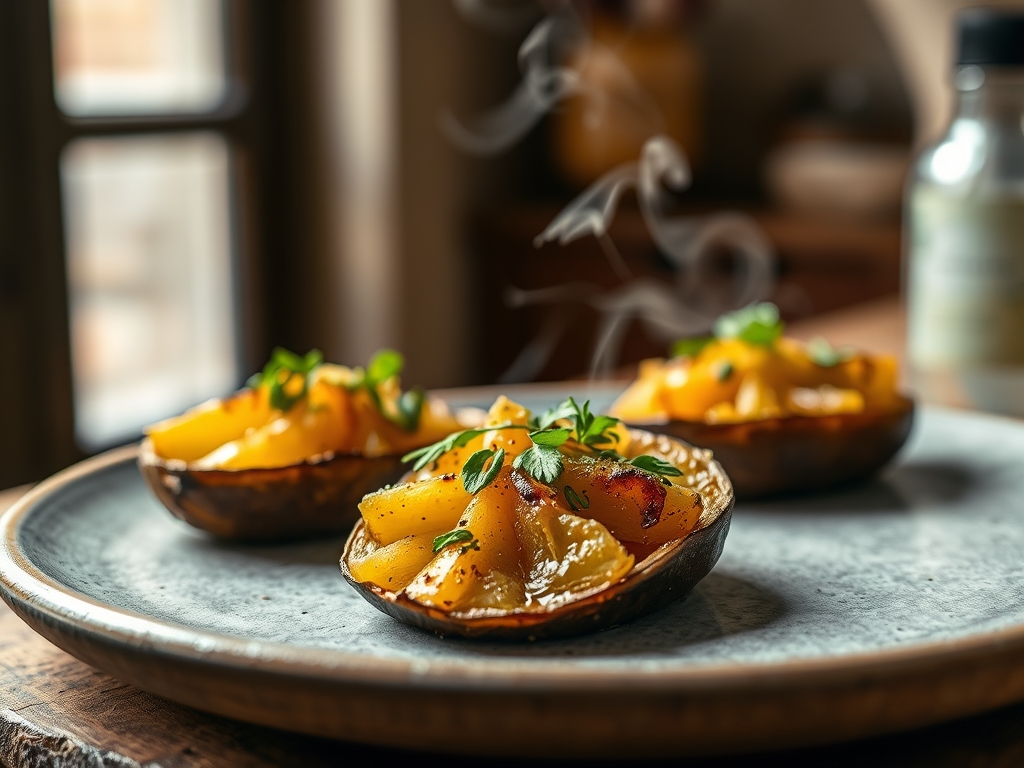
Picture the scene: a cool morning breeze, a steaming cup of coffee in your hand, and the rhythmic scrape of a metal spatula against a seasoned steel surface. There is a specific, primal joy in mastering blackstone potato recipes that transcends basic breakfast prep. We are talking about that elusive, glass-shattering exterior coupled with a fluffy, cloud-like interior that only a massive thermal mass can provide.
The Blackstone is not just a griddle; it is a heat-management beast. Unlike a standard skillet that loses temperature the moment cold starch hits the surface, the heavy-gauge steel of a flat-top maintains a consistent thermal reservoir. This allows for the rapid evaporation of surface moisture, which is the secret to achieving the perfect golden-brown crust. Whether you are aiming for smashed fingerlings or crispy cubes, the goal is to maximize the surface area in contact with the heat. We are going to dive into the chemistry of the potato, focusing on starch gelatinization and the Maillard reaction, to ensure every bite is a textural masterpiece. Get ready to elevate your griddle game from amateur flipping to professional-grade searing.
The Gathers:
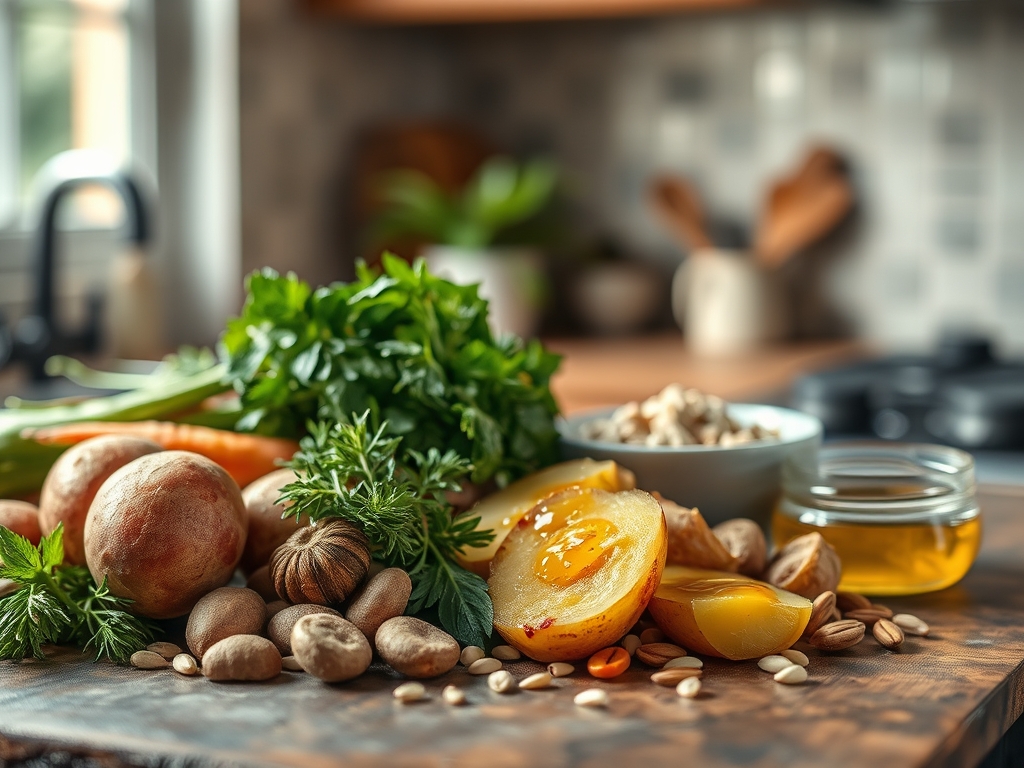
To execute these blackstone potato recipes with precision, your mise-en-place must be impeccable. You will need high-starch potatoes like Russets for maximum fluff or waxy Yukons for a creamy, buttery finish. Use a digital scale to ensure uniform sizing; consistency in mass leads to consistency in cook time. You will also need a high-smoke-point fat like clarified butter or beef tallow. These fats render beautifully and can withstand the 450-degree surface temp without breaking down into acrid compounds.
For the aromatics, gather fresh rosemary, thyme, and a head of garlic. Use a microplane to zest lemon over the finished product for a piquant lift that cuts through the richness. If you are looking for smart substitutions, swap table salt for flaky Maldon to add a tactile crunch. For a vegan-friendly profile, replace butter with a viscous avocado oil or a cold-pressed coconut oil. If you want to boost the umami, a sprinkle of nutritional yeast or a dash of truffle salt during the final thirty seconds of searing will create an incredible depth of flavor.
The Clock: Timing the Flow
The "Chef's Flow" is all about managing the transition from prep to plate. Budget twenty minutes for prep, which includes washing, dicing, and a crucial par-boiling step. The actual griddle time ranges from fifteen to twenty-five minutes depending on the specific hack.
By par-boiling your potatoes in alkaline water (add a pinch of baking soda), you break down the pectin on the surface. This creates a starchy slurry that, once hit with high heat, transforms into a thick, crunchy crust. This "active" time requires your full attention; you are not just cooking, you are managing heat zones. Move your potatoes from the high-heat center to the lower-temp perimeter to allow the centers to soften without burning the exterior.
The Masterclass: 7 Bold Potato Hacks
1. The Alkaline Par-Boil Smash
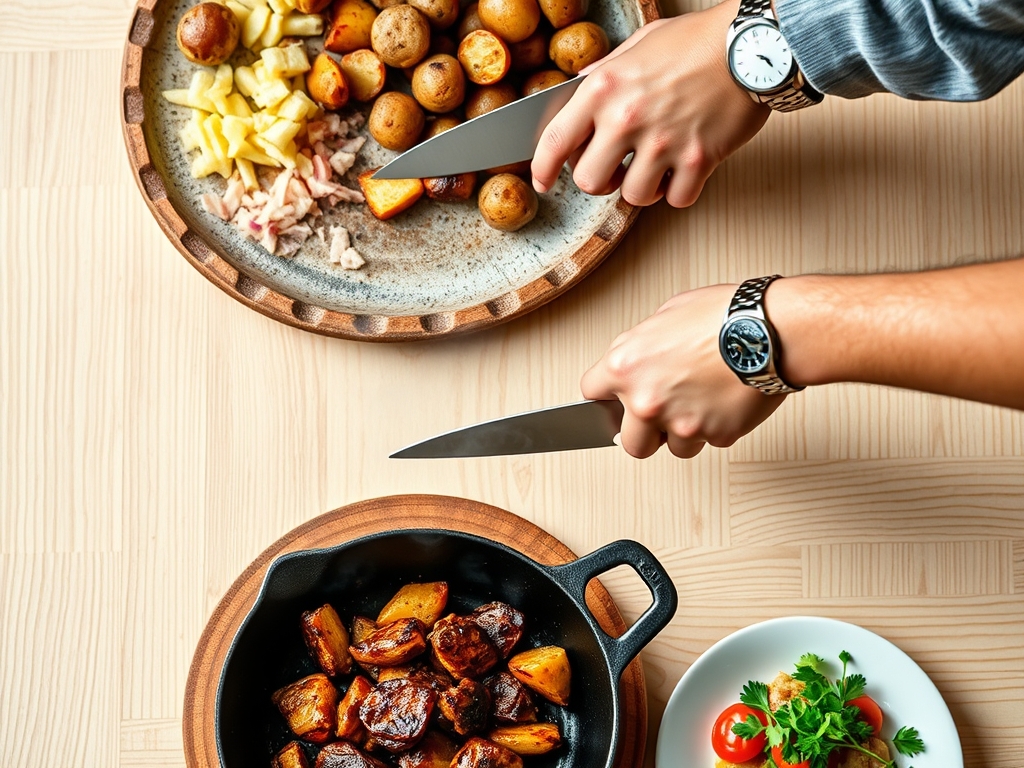
Start by simmering your potatoes in water with a teaspoon of baking soda until fork-tender. Drain them and let the steam escape for five minutes. This allows the surface to aerate and dry out. Place them on the oiled griddle and use a bench scraper or a heavy press to flatten them.
Pro Tip: The baking soda raises the pH level of the water, which accelerates the breakdown of pectin. This creates more surface area for the Maillard reaction, leading to a significantly crunchier crust.
2. The Duck Fat Confit Cube
Dice your Yukons into uniform half-inch cubes. Toss them in rendered duck fat before they hit the steel. The high saturated fat content creates a protective barrier that prevents the potato from sticking while providing a rich, gamey undertone.
Pro Tip: Use your tongs to rotate the cubes frequently. This ensures even heat distribution and prevents "hot spots" from scorching the delicate sugars in the potato.
3. The Infused Garlic Butter Baste
Create a compound butter in a small saucier on the side burner. Melt butter with smashed garlic cloves and sprigs of thyme. During the last five minutes of cooking, drizzle this over your potatoes.
Pro Tip: This is a lesson in infusion. By adding the garlic at the end, you prevent the garlic solids from burning and becoming bitter, while the residual heat carries the essential oils into the potato.
4. The Vinegar Spritz Deglaze
While your potatoes are searing, lightly spritz them with apple cider vinegar using a food-grade spray bottle. This will deglaze the starchy bits stuck to the griddle and re-incorporate them into the crust.
Pro Tip: The acidity of the vinegar balances the heavy fats. As the liquid evaporates, it leaves behind a concentrated tang that brightens the entire flavor profile.
5. The Heavy-Bottomed Press
For ultra-thin "latke style" hash browns, use a heavy-bottomed skillet or a cast iron bacon press to hold the potatoes flush against the griddle. This maximizes conduction.
Pro Tip: This technique utilizes thermal carryover. Even after you lift the press, the internal temperature continues to rise, ensuring the middle is fully cooked without over-browning the edges.
6. The Herb-Crusted Finish
Finely mince parsley, chives, and tarragon. Toss the potatoes in a bowl with these herbs immediately after removing them from the heat.
Pro Tip: Fresh herbs contain volatile oils that dissipate under high heat. By tossing them post-cook, you preserve the vibrant color and the delicate, aromatic compounds.
7. The Parmesan Lace
In the final sixty seconds, sprinkle a thin layer of finely grated Parmesan directly onto the griddle next to your potatoes, then slide the potatoes on top.
Pro Tip: This creates a "frico" or a cheese lace. The proteins in the cheese undergo a secondary Maillard reaction, bonding to the potato and creating a salty, crispy skirt.
The Deep Dive: Nutrition and Troubleshooting
From a macro perspective, potatoes are an excellent source of complex carbohydrates and potassium. To keep these blackstone potato recipes keto-friendly, you can substitute the potatoes with cauliflower florets or radishes; both react similarly to high-heat searing. For a gluten-free guarantee, ensure your seasonings are pure spices without anti-caking agents that contain wheat.
The Fix-It: Common Pitfalls
- Soggy Texture: This happens if you crowd the griddle. Give each potato "breathing room" so the steam can escape rather than poaching the neighboring pieces.
- Burned Exterior, Raw Interior: Your heat is too high. Use the "Dual Zone" method; sear on high, then slide to the cool side and cover with a basting dome to finish.
- Sticking: This is usually due to a cold griddle. Always wait for the "shimmer" in your oil before adding the starch.
Meal Prep Science: To reheat, avoid the microwave as it turns the starch "rubbery" through retrogradation. Instead, toss them back onto a hot, dry skillet for three minutes to re-crisp the dehydrated cell walls.
The Wrap-Up
Mastering the Blackstone is about more than just cooking; it is about understanding the physics of heat and the chemistry of starch. When you combine the right tools, like a sharp bench scraper and a precise digital scale, with the science of alkaline boiling, you turn a humble root vegetable into a culinary event. These blackstone potato recipes are your ticket to becoming the undisputed hero of the backyard brunch. Now, get out there, fire up those burners, and let the sizzle begin!
The Kitchen Table: FAQ
How do I prevent my potatoes from sticking to the Blackstone?
Always preheat the griddle until the oil shimmers. Use a high-smoke-point fat like beef tallow. Ensure the potatoes are dry before they touch the steel; moisture creates steam, which causes the starch to bond to the metal surface.
Can I cook frozen potatoes on the Blackstone?
Yes, but thaw them partially first to remove excess ice crystals. Pat them dry with a lint-free towel. Use a basting dome to trap heat, which helps the frozen centers reach a safe internal temperature without burning the outside.
What is the best potato for the griddle?
Yukon Gold potatoes are the gold standard. They possess a medium starch content that allows for a crispy exterior while maintaining a creamy, buttery interior. Russets are better for classic, dry-style hash browns due to their high starch profile.
How do I get that deep mahogany color?
The secret is the Maillard reaction, which is enhanced by sugar and protein. Adding a tiny pinch of sugar or a splash of amino acids (like soy sauce) to your oil can accelerate the browning process for a richer color.