
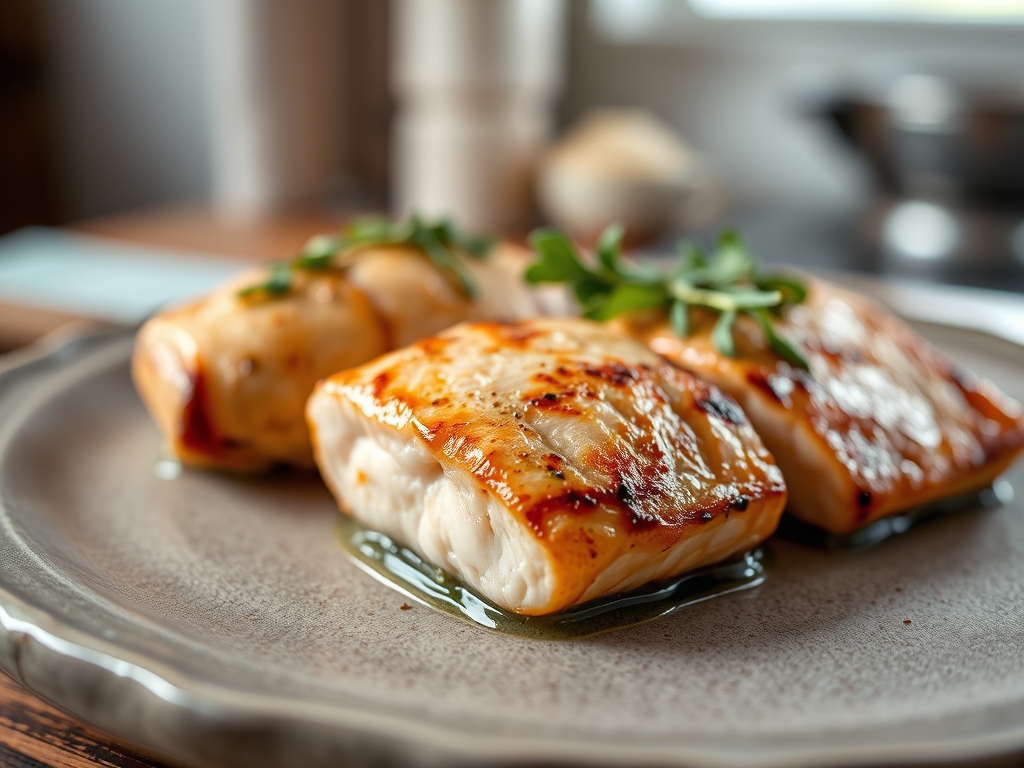
Imagine the sizzle of a heavy bottomed stainless steel skillet as cold protein hits shimmering oil. The air fills with the aroma of rendered poultry fat and the delicate, buttery scent of searing fish. Mastering chicken and salmon recipes is the ultimate culinary power move for anyone craving high protein variety without the flavor fatigue. We are blending the earthy, savory depth of chicken with the rich, omega-3 fatty acids of salmon to create a nutritional powerhouse that feels like a cheat meal.
Whether you are tossing them into a vibrant Mediterranean bowl or layering them in a creamy Tuscan sauce, these proteins are surprisingly compatible. The chicken provides a firm, muscular bite that anchors the dish; the salmon offers a flaky, melt-on-the-tongue contrast that elevates the entire experience. It is a dual-protein strategy that maximizes satiety while keeping your palate guessing. We are going to dive into the molecular magic of why these two work together and how to execute seven distinct variations that will make your meal prep the envy of the office. Get your tongs ready because we are about to transform your kitchen into a high-end bistro.
The Gathers:
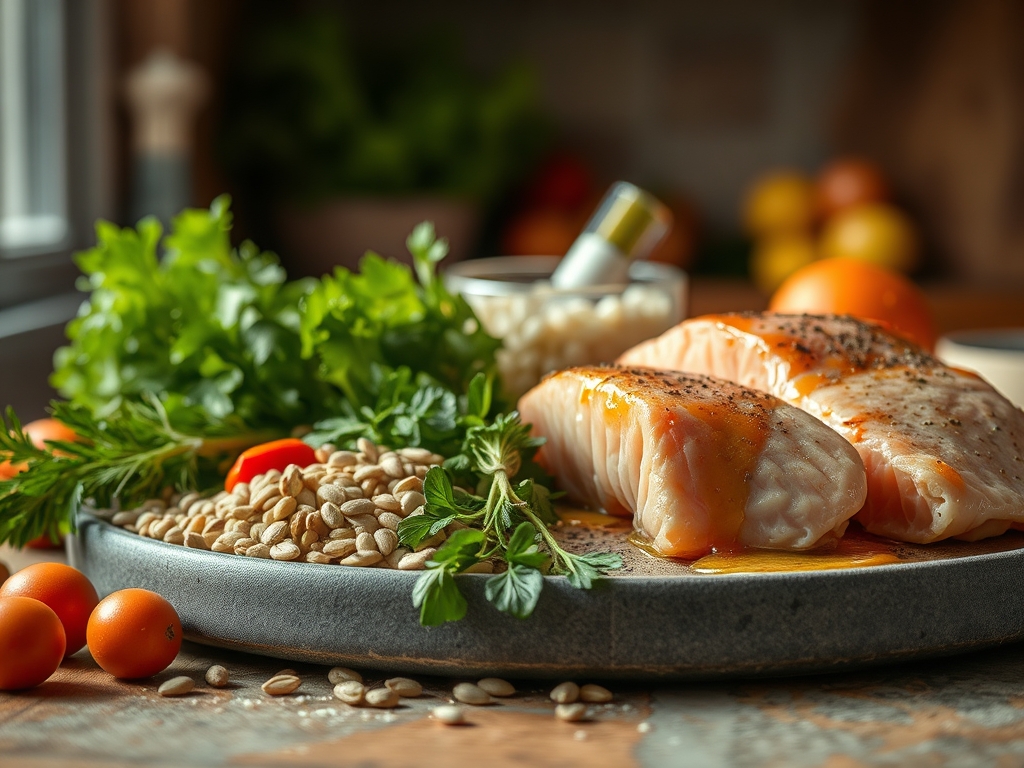
Setting the stage for these chicken and salmon recipes requires a disciplined mise-en-place. Use a digital scale to ensure your portions are precise; usually four ounces of each protein per serving provides a balanced macro profile. You will need skinless chicken breasts or thighs, which offer a neutral canvas for seasoning. For the salmon, look for center-cut fillets with high intramuscular fat, often visible as white marbling, which prevents the fish from drying out during the high-heat searing process.
Your aromatic base should include fresh garlic and shallots, which contain sulfur compounds that mellow into sweetness when heated. Grab your microplane to zest a lemon; this releases the volatile oils stored in the flavedo, providing a piquant brightness that cuts through the richness of the salmon. For the viscous element of your sauces, keep a high-quality olive oil and a dry white wine like Sauvignon Blanc on hand for deglazing.
Smart Substitutions:
If you are avoiding dairy, swap heavy cream for full-fat coconut milk to maintain that velvety mouthfeel. For a lower-sodium profile, replace traditional soy sauce with liquid aminos. If you cannot find fresh salmon, high-quality frozen sockeye works perfectly as long as you pat it bone-dry with paper towels to ensure a proper sear.
The Clock
Efficiency in the kitchen is all about the Chef's Flow. For these chicken and salmon recipes, expect a total commitment of 35 to 45 minutes. Preparation takes roughly 15 minutes, focusing on uniform dicing of the chicken and portioning the salmon. The actual thermal processing takes 20 to 25 minutes.
The secret to timing is the "staggered start." Chicken requires a longer duration to reach a safe internal temperature of 165 degrees Fahrenheit. Salmon, conversely, is best enjoyed at a medium-rare to medium finish, roughly 125 to 135 degrees Fahrenheit. By starting your chicken in the skillet first and adding the salmon during the final six minutes of cooking, you ensure both proteins reach their peak texture simultaneously. This prevents the salmon from becoming chalky while ensuring the chicken is fully pasteurized.
The Masterclass
1. The Sear and Fond Development
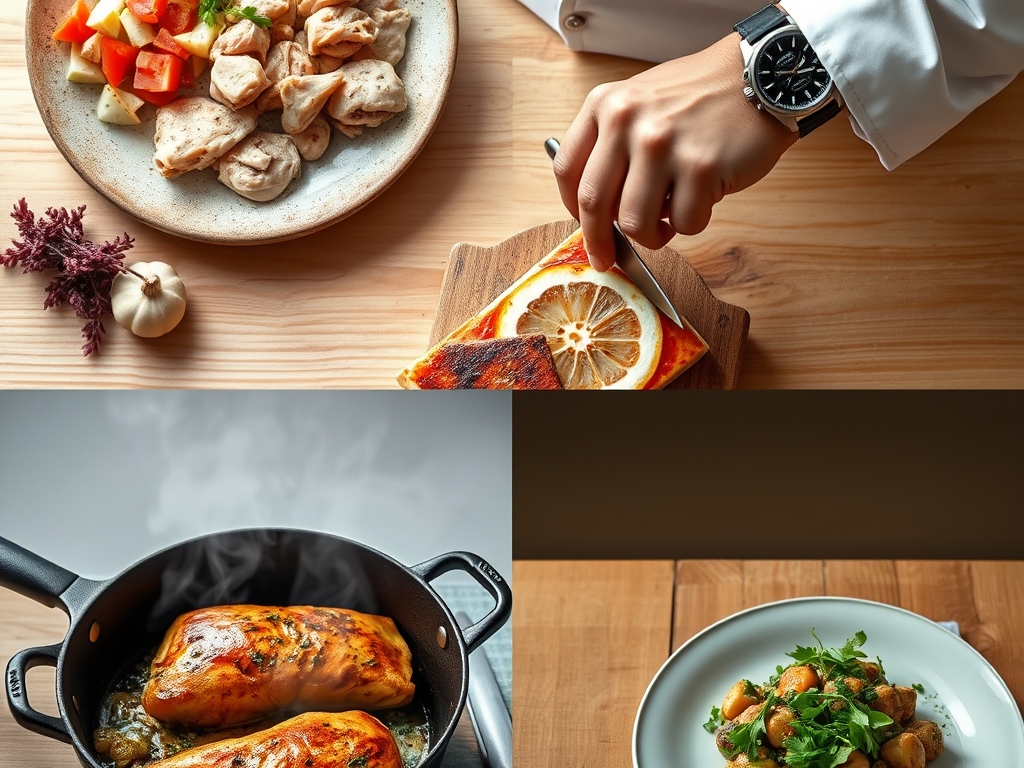
Heat your heavy-bottomed skillet over medium-high heat until the oil reaches its smoke point. Place the seasoned chicken into the pan first. Do not crowd the skillet; overcrowding drops the surface temperature and leads to steaming rather than searing. Allow the chicken to sit undisturbed for four minutes to encourage the Maillard reaction, which creates those complex, savory flavor compounds.
Pro Tip: This chemical reaction occurs between amino acids and reducing sugars. If the meat sticks to the pan, the bond has not yet broken naturally. Wait another thirty seconds; the meat will release itself once a sufficient crust has formed.
2. Deglazing and Aromatics
Once the chicken is flipped, push it to the perimeter and add your minced garlic and shallots to the center. Use a wooden spoon or bench scraper to move them constantly so they do not burn. Once fragrant, pour in your deglazing liquid. The liquid will lift the fond, those delicious browned bits stuck to the bottom of the pan, and incorporate them into a concentrated sauce.
Pro Tip: Deglazing is a form of solvent extraction. The alcohol or acid in your liquid dissolves flavor molecules that are not water-soluble, creating a more complex and layered sauce profile.
3. Integrating the Salmon
Create a well in the center of the pan and place your salmon fillets skin-side down. The skin acts as a thermal barrier, protecting the delicate flesh from direct heat while it crisps. Cover the pan with a tight-fitting lid for three minutes to allow the ambient steam to cook the top of the chicken and salmon evenly.
Pro Tip: This utilizes conduction from the pan and convection from the trapped steam. It is the fastest way to cook dual proteins without drying out the edges.
4. Emulsifying the Sauce
Remove the pan from the heat and stir in a cold fat source, such as butter or a splash of cream. Use a whisk to vigorously combine the fats with the deglazing liquid until the sauce becomes opaque and viscous. This creates a stable emulsion that coats the proteins beautifully.
Pro Tip: Cold fat is essential here. Adding warm fat would cause the emulsion to "break," resulting in a greasy, separated sauce rather than a smooth, professional finish.
The Deep Dive
When we look at the macro nutrition of these chicken and salmon recipes, we see a goldmine. You are looking at approximately 45 grams of protein per serving with a healthy dose of Vitamin B12 and Selenium. The salmon provides essential EPA and DHA fatty acids, which are crucial for brain health and reducing inflammation.
Dietary Swaps:
For a Keto version, serve the proteins over a bed of sautéed spinach or cauliflower rice to keep the net carbs near zero. Gluten-Free diners should ensure their thickening agents are cornstarch or arrowroot powder rather than flour. For a Vegan twist for a guest, replace the proteins with extra-firm tofu and oyster mushrooms, which mimic the textural contrast of the original dish.
The Fix-It:
- Dry Chicken: If the chicken feels tough, you likely overshot the temperature. Next time, use a digital thermometer and pull the meat at 160 degrees; thermal carryover will bring it to 165 while it rests.
- Fishy Salmon: This is caused by the oxidation of fats. Rinse the salmon in cold water and pat it dry, or marinate it in lemon juice for five minutes before cooking to neutralize the trimethylamine.
- Broken Sauce: If your sauce looks oily, add a teaspoon of warm water and whisk violently. The water helps re-establish the bond between the oil and the aqueous liquid.
Meal Prep:
To maintain "day-one" quality, store the sauce separately. When reheating, use the "low and slow" method in a toaster oven or skillet. Avoid the microwave, as it vibrates water molecules too rapidly, which can turn the salmon rubbery and the chicken stringy.
The Wrap-Up
Blending chicken and salmon is not just a nutritional strategy; it is a culinary adventure that breaks the monotony of standard meal planning. By understanding the science of the sear and the chemistry of a perfect emulsion, you can create restaurant-quality meals in under an hour. These chicken and salmon recipes are versatile, sophisticated, and guaranteed to keep you feeling energized. So, grab your favorite skillet and start experimenting with these flavor profiles today. Your kitchen is your laboratory; make it delicious!
The Kitchen Table
Can I cook chicken and salmon in the same pan?
Yes, but you must stagger the start times. Chicken takes longer to reach safety temperatures. Start the chicken first, then add the salmon during the final minutes to ensure both proteins are perfectly juicy and safe to eat.
What is the best way to season this duo?
Use a universal base of kosher salt, cracked black pepper, and garlic powder. Add lemon zest and fresh dill to bridge the gap between the earthy chicken and the rich salmon, creating a cohesive and bright flavor profile.
How do I know when the salmon is done?
Salmon is done when it reaches an internal temperature of 130 degrees Fahrenheit or when the flesh flakes easily with a fork. It should still look slightly translucent in the very center to prevent a dry, chalky texture.
Is it healthy to eat chicken and salmon together?
Absolutely. This combination provides a complete amino acid profile from the chicken and essential omega-3 fatty acids from the salmon. It is a high-protein, heart-healthy choice that promotes muscle recovery and reduces systemic inflammation effectively.