
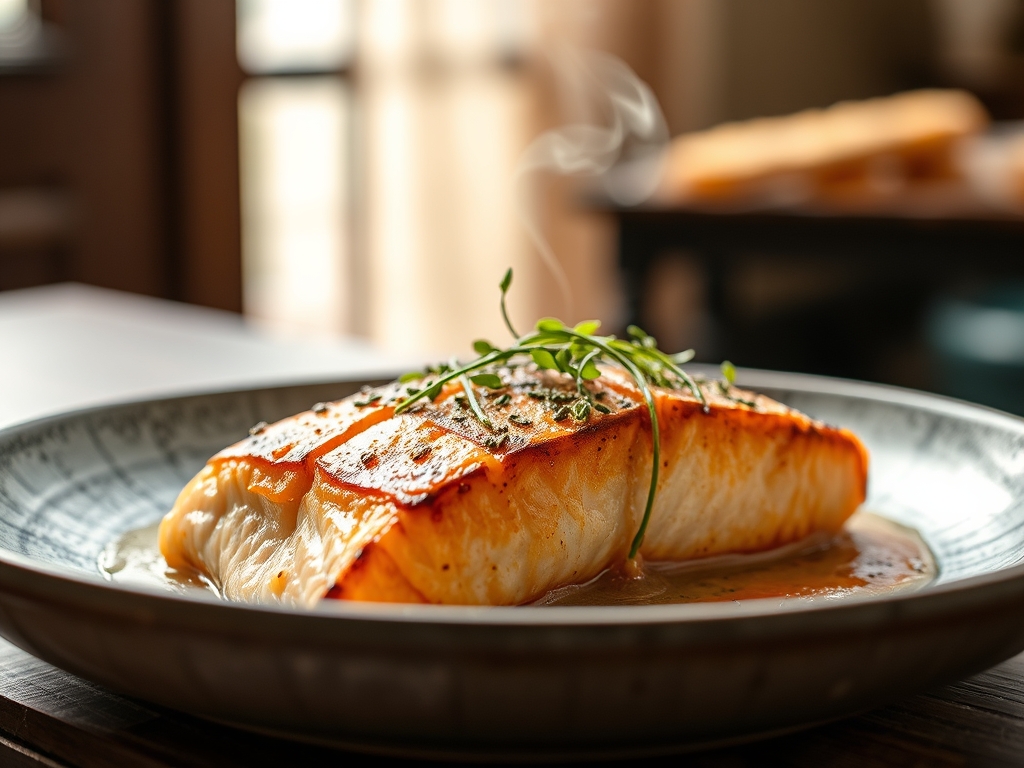
Picture the pristine, frigid waters of the North Pacific where the most underrated treasure of the sea thrives. While its cousins often hog the spotlight, the Keta is a culinary powerhouse waiting for the right touch. Finding the perfect chum salmon recipes is about more than just dinner; it is about mastering a lean, firm protein that demands respect and a bit of scientific savvy. You are looking for that buttery flake and a savory crust that sings of woodsmoke and salt.
Chum salmon is naturally lower in oil than King or Sockeye, which makes it the ultimate canvas for bold infusions and technical finesse. If you have ever struggled with a dry fillet, you are simply missing the "Traditional Secrets" that turn this wild catch into a five-star masterpiece. We are going to dive deep into the molecular magic of brining, the physics of heat transfer, and the art of the perfect sear. Grab your apron and your sharpest chef knife. We are transforming this rugged Alaskan staple into a delicate, sophisticated feast that will have your friends begging for your secret source.
The Gathers:
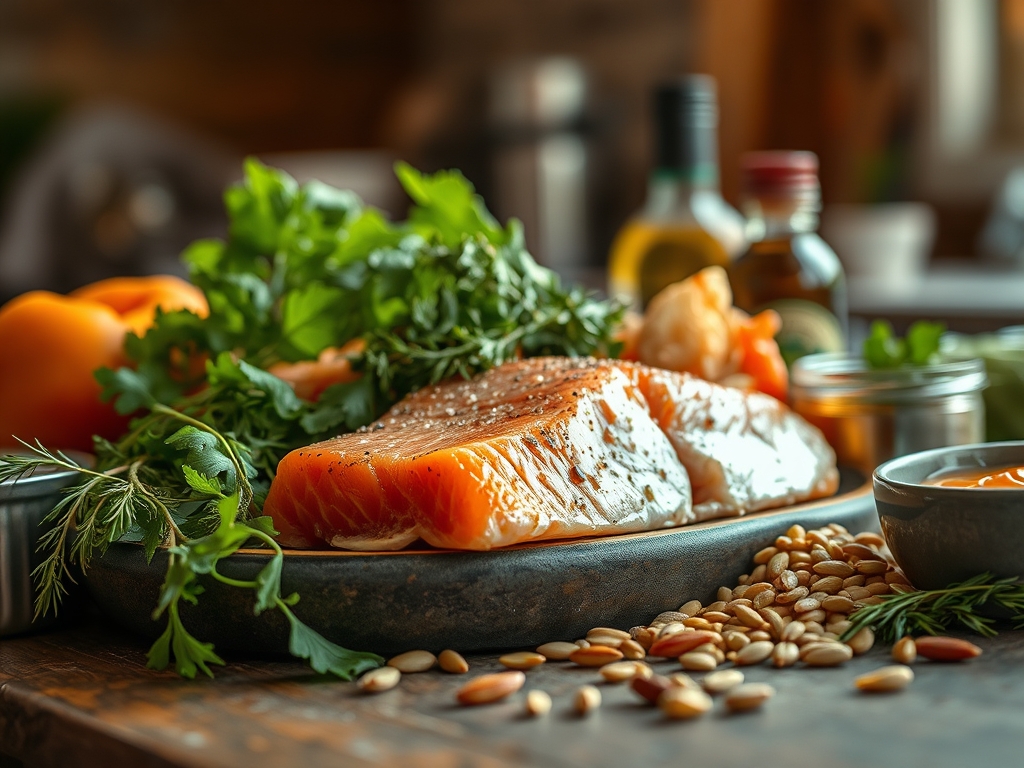
Before we ignite the burners, we must assemble our mise-en-place with precision. Because chum is a leaner fish, we focus on lipid-rich additions and aromatic surfactants to carry flavor deep into the muscle fibers. You will need a heavy-bottomed skillet (cast iron is king here for heat retention) and a digital scale to ensure your brine ratios are exact.
The Essentials:
- The Protein: Two pounds of wild-caught chum salmon, skin-on. The skin acts as a thermal barrier and provides essential collagen.
- The Lipid: High-smoke point avocado oil or clarified butter (ghee). Avoid extra virgin olive oil for the initial sear; its low smoke point will create bitter compounds.
- The Aromatics: Fresh ginger, garlic cloves crushed to release allicin, and sprigs of woody thyme.
- The Glaze: Miso paste for umami, maple syrup for the Maillard reaction, and rice vinegar to provide a piquant counterpoint to the richness.
Smart Substitutions:
If you are out of miso, a high-quality soy sauce or liquid aminos works well to provide that salty depth. No maple syrup? Use honey, but be aware that honey caramelizes faster, so watch your temperature. For a citrus twist, swap vinegar for yuzu juice or fresh lime to denature the proteins slightly before cooking.
The Clock
Efficiency in the kitchen is about "Chef's Flow," the ability to multitask without losing the integrity of the ingredients. For these chum salmon recipes, your total active time is roughly 15 minutes, with a 30-minute passive brine.
- Prep (10 minutes): Slicing, measuring, and patting the fish dry. Moisture is the enemy of a crisp sear.
- The Brine (30 minutes): This is non-negotiable. It allows the salt to osmose into the flesh, seasoning it deeply and preventing the "white stuff" (albumin) from leaking out.
- The Cook (8-10 minutes): This is a high-heat, fast-paced dance. We spend 70 percent of the time on the skin side to render fat and create a structural crust.
- The Rest (5 minutes): Vital for thermal carryover. The internal temperature will rise about five degrees after you remove it from the heat.
The Masterclass
1. The Dry Brine Technique
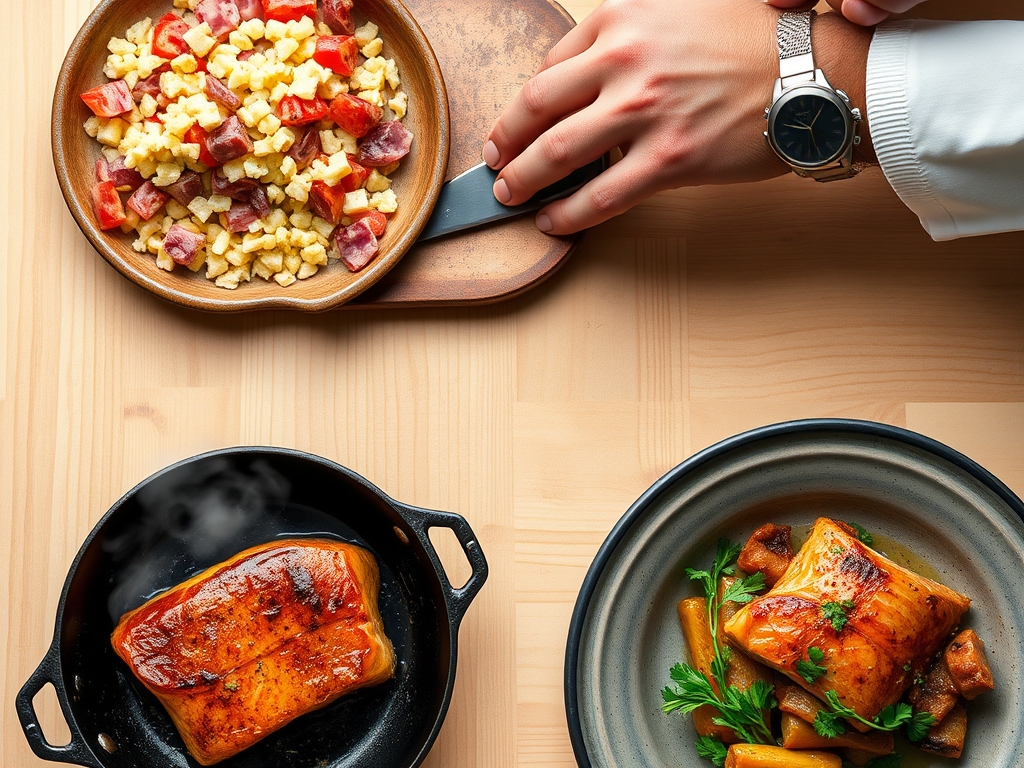
Start by patting your fillets bone-dry with paper towels. Sprinkle a mixture of kosher salt and a touch of sugar over the flesh. Let it sit at room temperature for 30 minutes. You will notice the surface becomes slightly viscous; this is the salt drawing out moisture and then reabsorbing it as a concentrated brine.
Pro Tip: This process strengthens the protein structure. Scientifically, salt dissolves some of the muscle proteins, creating a gel-like texture that traps water during cooking, ensuring the lean chum stays moist.
2. Achieving the Perfect Sear
Heat your heavy-bottomed skillet until the oil shimmers and just begins to wisps of smoke appear. Lay the fish skin-side down, pressing firmly with a fish spatula for 30 seconds. This prevents the skin from curling as the collagen fibers contract.
Pro Tip: This is the Maillard reaction in action. By pressing the fish, you ensure maximum surface contact, creating a complex array of flavor molecules that only occur at temperatures above 285 degrees Fahrenheit.
3. The Butter Baste (Arrosé)
Once the skin is shatter-crisp, flip the fish and drop a knob of butter, smashed garlic, and herbs into the pan. Tilt the skillet and use a large spoon to continuously pour the foaming butter over the salmon.
Pro Tip: This technique, known as arrosé, uses the hot fat to cook the top of the fish gently while infusing it with aromatics. The milk solids in the butter will brown, adding a nutty, toasted dimension to the profile.
4. Deglazing for the Pan Sauce
Remove the salmon when the internal temperature hits 125 degrees. Immediately deglaze the hot pan with a splash of white wine or stock. Use a whisk to scrape up the fond (the brown bits stuck to the bottom).
Pro Tip: The fond is a concentrated source of flavor. By adding a liquid, you release these caramelized proteins into a sauce. Whisk in a cold cube of butter at the end to emulsify the sauce into a glossy, velvety coating.
The Deep Dive
Macro Nutrition:
Chum salmon is a lean protein powerhouse. A 6-ounce serving contains roughly 34 grams of protein and only 7 grams of fat. It is exceptionally high in Vitamin B12 and Selenium, which are crucial for metabolic health and thyroid function.
Dietary Swaps:
- Keto: Replace the maple syrup in the glaze with a monk fruit sweetener or simply omit it and focus on a lemon-butter herb finish.
- Vegan/Vegetarian: While this recipe focuses on salmon, the miso-maple glaze is incredible on thick slabs of roasted cauliflower or firm tofu.
- Gluten-Free: Ensure your miso paste is certified GF (some are made with barley) and use tamari instead of soy sauce.
The Fix-It: Common Pitfalls
- The Fish Sticks: This usually happens because the pan wasn't hot enough or you tried to flip it too early. The fish will "release" naturally once the crust has formed.
- White Gunk (Albumin): If you see white clouds on the fish, it is overcooked or wasn't brined. Brining minimizes this, but if it happens, just scrape it off; it is harmless protein.
- Soggy Skin: This occurs if there is too much moisture in the pan. Ensure the fish is dry and do not crowd the skillet; cook in batches if necessary.
Meal Prep & Reheating:
To maintain "day-one" quality, reheat salmon gently. Use a toaster oven at 275 degrees with a splash of water covered by foil. This creates a mini-steam chamber that prevents the lean chum from turning into "salmon jerky."
The Wrap-Up
Mastering chum salmon recipes is a badge of honor for any home cook. You have taken a lean, wild ingredient and used pure culinary physics to transform it into something decadent. By respecting the brine, mastering the sear, and understanding the power of a pan sauce, you have elevated your kitchen game to professional levels. Remember; cooking is a conversation between you and the ingredients. Listen to the sizzle, watch the color change, and trust your instincts. Now, plate that beautiful fish, drizzle the emulsion over the top, and enjoy the fruits of your scientific labor!
The Kitchen Table
How do I stop chum salmon from drying out?
The secret is a 30-minute dry brine and pulling the fish off the heat at 125 degrees Fahrenheit. The thermal carryover will bring it to a perfect, moist 130 degrees while it rests on the plate.
Can I use frozen chum salmon for these recipes?
Yes, but thaw it slowly in the refrigerator for 24 hours. Once thawed, use a digital scale to weigh your brine ingredients and pat the flesh extremely dry to ensure the skin still gets crispy.
What is the best way to remove the pin bones?
Use dedicated fish tweezers or clean needle-nose pliers. Feel along the center line of the fillet and pull the bones out in the direction they are pointing to avoid tearing the delicate muscle fibers of the salmon.
Why is my pan sauce breaking and looking oily?
Your sauce is likely too hot. To emulsify correctly, whisk in cold butter off the heat. The cold fat bonds with the liquid to create a smooth, viscous sauce rather than melting into a pool of oil.