
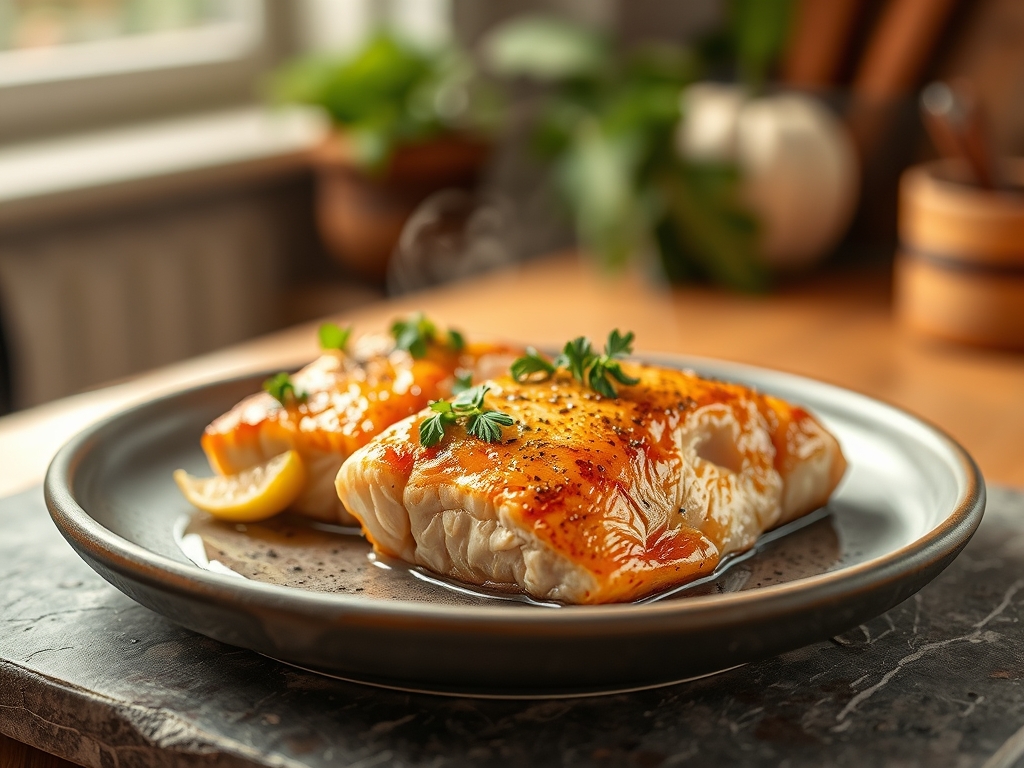
Picture the sound of a high-velocity fan circulating heat at four hundred degrees. Within minutes, the cool, translucent orange of a raw fillet transforms into a masterpiece of shimmering gold and flaky pink. If you have been searching for easy air fryer salmon recipes, you are likely looking for that elusive combination of gourmet results and minimal cleanup. Most people treat their air fryer like a glorified microwave, but we are going to treat it like a high-precision convection oven.
The magic of this method lies in the Maillard reaction. This is the chemical dance where amino acids and reducing sugars rearrange under intense heat to create hundreds of different flavor compounds. In a traditional oven, this process is slow and often results in overcooked, dry protein. In an air fryer, the concentrated airflow strips away surface moisture almost instantly. This allows the exterior to crisp into a savory crust while the interior remains buttery and rare. We are about to turn your weeknight dinner into a technical triumph of texture and temperature. Grab your favorite apron; we are going to master the art of the perfect sear without a single drop of oil splatter on your stovetop.
The Gathers:
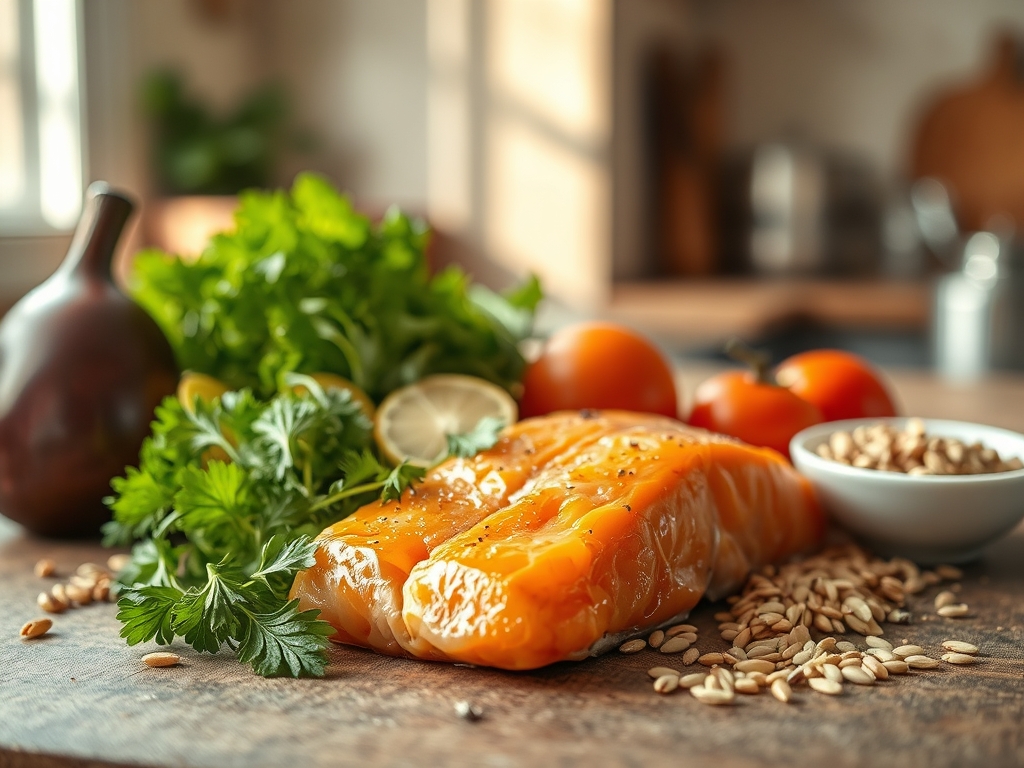
Before we engage the heating element, we must respect the mise-en-place. For the most successful easy air fryer salmon recipes, your ingredient selection is your foundation. Start with center-cut Atlantic or King salmon fillets. You want pieces that are roughly six ounces each and uniform in thickness to ensure an even cook.
Gather your viscous binders. I prefer a high-quality Dijon mustard or a light coating of avocado oil. Avocado oil is superior here because of its high smoke point of five hundred degrees; it will not oxidize or turn bitter under the intense convection heat. You will also need kosher salt for its jagged crystal structure, which adheres better to the flesh than fine table salt. For aromatics, reach for your microplane to zest a fresh lemon. The citrus oils are highly volatile and will infuse the crust with a piquant brightness that cuts through the fatty richness of the fish.
Smart Substitutions: If you are avoiding nightshades, swap paprika for ground turmeric for a golden hue. If you lack fresh lemons, a teaspoon of sumac provides that same acidic punch. For those who prefer a sweeter profile, a drizzle of pomegranate molasses creates a stunning, dark lacquer that caramelizes beautifully under the fan.
The Clock
Efficiency is the hallmark of a professional kitchen. The "Chef's Flow" dictates that your air fryer should be preheating while you prep. This is not optional. A cold basket leads to sticking and uneven thermal distribution.
Prep Time: 5 Minutes. This includes patting the fish dry (moisture is the enemy of the sear) and applying your seasonings.
Cook Time: 8 to 10 Minutes. This varies based on the thickness of the fillet and your desired level of doneness.
Rest Time: 3 Minutes. This allows the muscle fibers to relax and reabsorb the juices.
The total "Active Time" is less than fifteen minutes. By the time you have set the table and poured a glass of crisp Sauvignon Blanc, the machine will be beeping.
The Masterclass
1. The Desiccation Phase
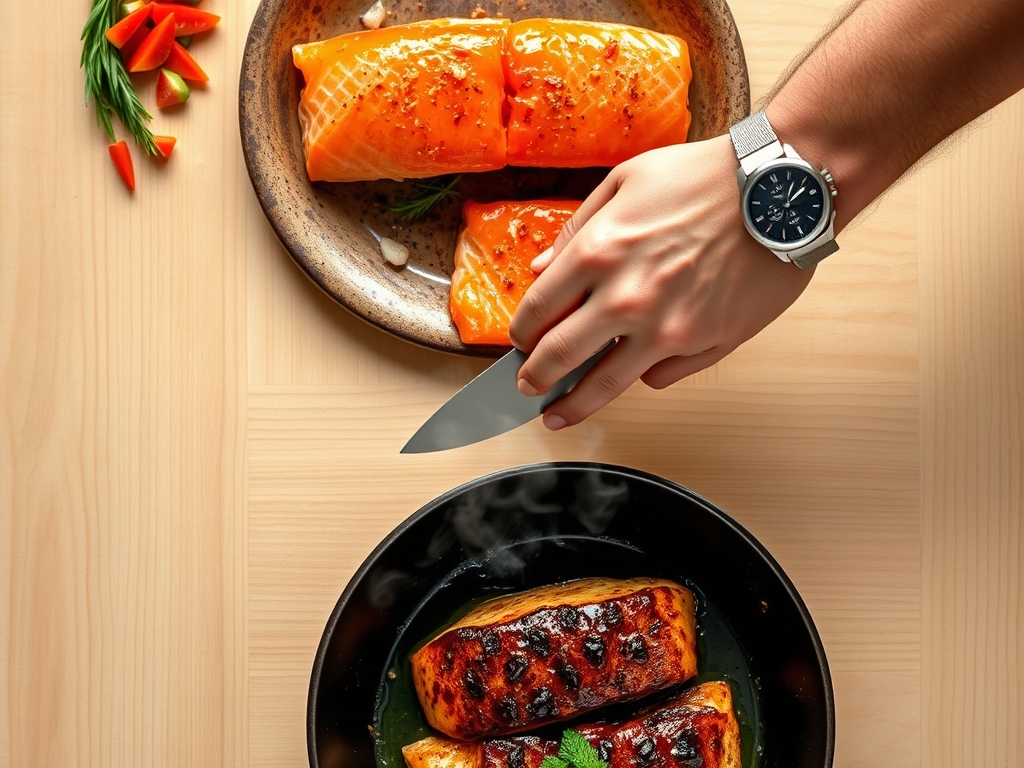
Use a paper towel to aggressively pat the salmon dry until the surface feels tacky. Moisture creates steam, and steam prevents browning. Use a bench scraper to move your fillets cleanly to a prep board.
Pro Tip: This is known as surface desiccation. By removing water molecules, you allow the heat to immediately begin the caramelization of the proteins rather than wasting energy evaporating surface liquid.
2. The Emulsion Application
Apply a thin, even layer of your oil or mustard. Use a silicone pastry brush to ensure every crevice is coated. This acts as the "glue" for your dry seasonings and creates a barrier that prevents the fish from drying out.
Pro Tip: This layer creates a micro-emulsion on the surface. As the heat rises, the fats render and mix with the spices, creating a concentrated flavor crust that protects the delicate fats underneath.
3. The Thermal Blast
Place the fillets in the preheated basket, skin-side down. Do not crowd the basket; the air must circulate freely around all four sides of each piece of fish. Set your device to 400 degrees Fahrenheit.
Pro Tip: Use tongs to place the fish firmly. The skin acts as an insulator, protecting the flesh from the direct heat of the bottom tray while the top heating element works on the "crust."
4. The Mid-Point Check
At the five-minute mark, open the basket. The salmon should look opaque on the sides but still slightly translucent in the center. If you are using a glaze, this is the moment to apply it using a saucier or spoon.
Pro Tip: Applying glazes too early leads to burnt sugars. By waiting until the final minutes, you achieve a perfect viscous coating without the acrid taste of carbonized honey or maple.
5. The Internal Calibration
Use a digital thermometer to check the thickest part of the fillet. For medium-rare, you are looking for 125 degrees Fahrenheit. For medium, pull it at 130 degrees.
Pro Tip: This accounts for thermal carryover. The internal temperature will continue to rise by 5 degrees after you remove it from the heat. Pulling it early ensures it stays succulent.
6. The Final Rest
Transfer the salmon to a warm plate and let it sit. This is the hardest part, but it is the most crucial for the final texture.
Pro Tip: Resting allows the internal pressure to equalize. If you cut into it immediately, the infused juices will run out, leaving the protein fibers tough and dry.
The Deep Dive
From a nutritional standpoint, salmon is a powerhouse. A standard six-ounce serving provides roughly 34 grams of high-quality protein and is rich in Omega-3 fatty acids, which are essential for brain health. For those on a Keto or Paleo path, this is a staple meal. If you are Vegan, you can apply these same air-frying techniques to thick slabs of firm tofu or "watermelon steaks," though the cook times will increase to achieve a similar rendered texture.
The Fix-It: Common Pitfalls
- The White Gunk: If you see white bubbles (albumin) popping out, you have cooked it too fast or too long. The muscle fibers have contracted so tightly they are squeezing out the protein. Fix: Lower the temp by 20 degrees next time.
- The Stick: If the skin stays in the basket, you did not preheat or use enough fat. Fix: Always use a parchment liner specifically designed for air fryers with holes for airflow.
- The Soggy Bottom: This happens when fillets are too close together. Fix: Space them at least one inch apart to allow the air to aerate the sides.
Meal Prep & Reheating: To maintain "day-one" quality, do not use a microwave. Reheat your salmon in the air fryer at 300 degrees for 3 to 4 minutes. This gently warms the fats without re-cooking the protein to a rubbery consistency.
The Wrap-Up
Mastering easy air fryer salmon recipes is about more than just pressing a button; it is about understanding how air, heat, and fat interact to create the perfect bite. You now have the technical knowledge to turn a simple piece of fish into a restaurant-quality entree. Remember to dry your fish, preheat your machine, and always respect the rest period. Whether you are cooking for a quiet night in or prepping for a busy week, these hacks ensure your salmon is always the star of the table. Now, go forth and get that perfect, golden sear!
The Kitchen Table
How do I prevent salmon from smelling up the house?
The air fryer actually minimizes odor by cooking the fish faster. To further reduce scent, place a small bowl of white vinegar on the counter nearby to neutralize the airborne fat molecules released during the cooking process.
Can I cook frozen salmon in the air fryer?
Yes, but for the best easy air fryer salmon recipes, thaw them first. If cooking from frozen, add 5 to 7 minutes to the time and lower the temperature to 350 degrees to ensure the center thaws without burning the exterior.
What is the best way to get crispy skin?
Ensure the skin is bone-dry before seasoning. Place the salmon skin-side up for the last two minutes of cooking. This allows the high-velocity air to directly hit the skin, rendering the fat and creating a cracker-like texture.
Do I need to flip the salmon?
No flipping is required. The beauty of the air fryer is the 360-degree heat circulation. Flipping often leads to the fish breaking apart or the delicate crust being ruined against the basket grates. Leave it undisturbed for the best results.