
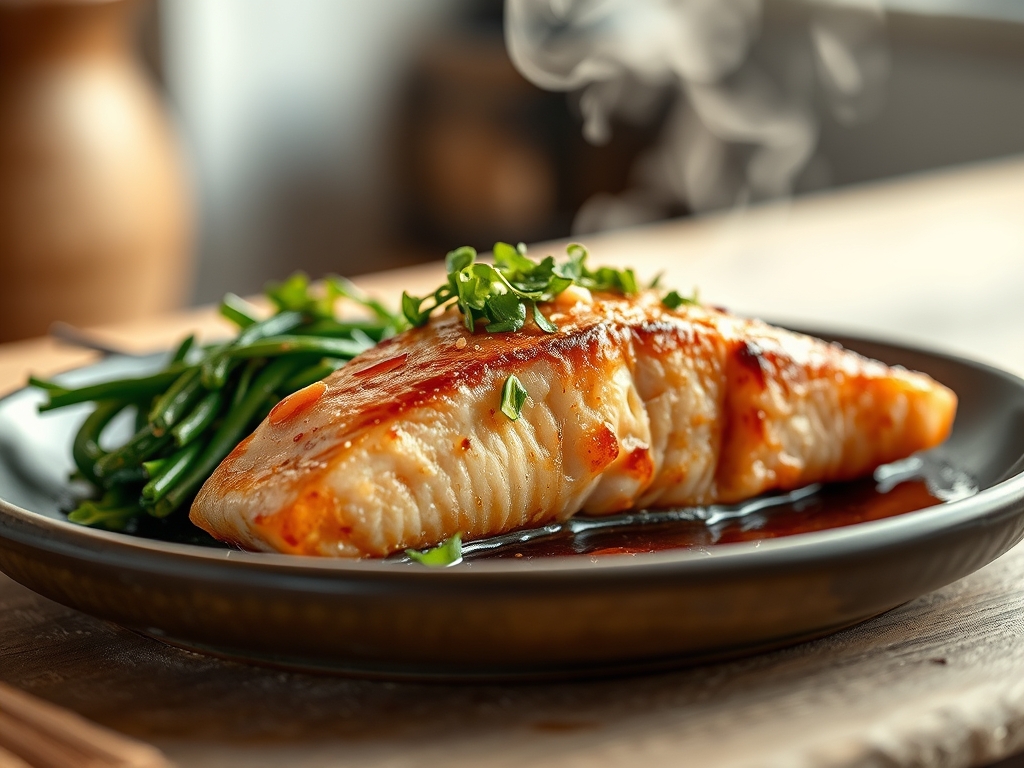
Picture the sizzle of cold Atlantic fat hitting a searing carbon steel wok; the sound is a sharp percussion that signals the start of something transformative. When you master salmon recipes chinese style, you are not just cooking fish; you are balancing the aggressive heat of the stir-fry with the delicate, flaking texture of premium protein. We are moving beyond the basic steamed fillet to explore a world where soy sauce caramelizes into a deep umami crust and ginger oils infuse every fiber of the meat. This is about the marriage of high-heat physics and ancient flavor profiles, turning a simple weeknight dinner into a high-density nutritional masterpiece that tastes like a professional kitchen secret.
The Gathers:
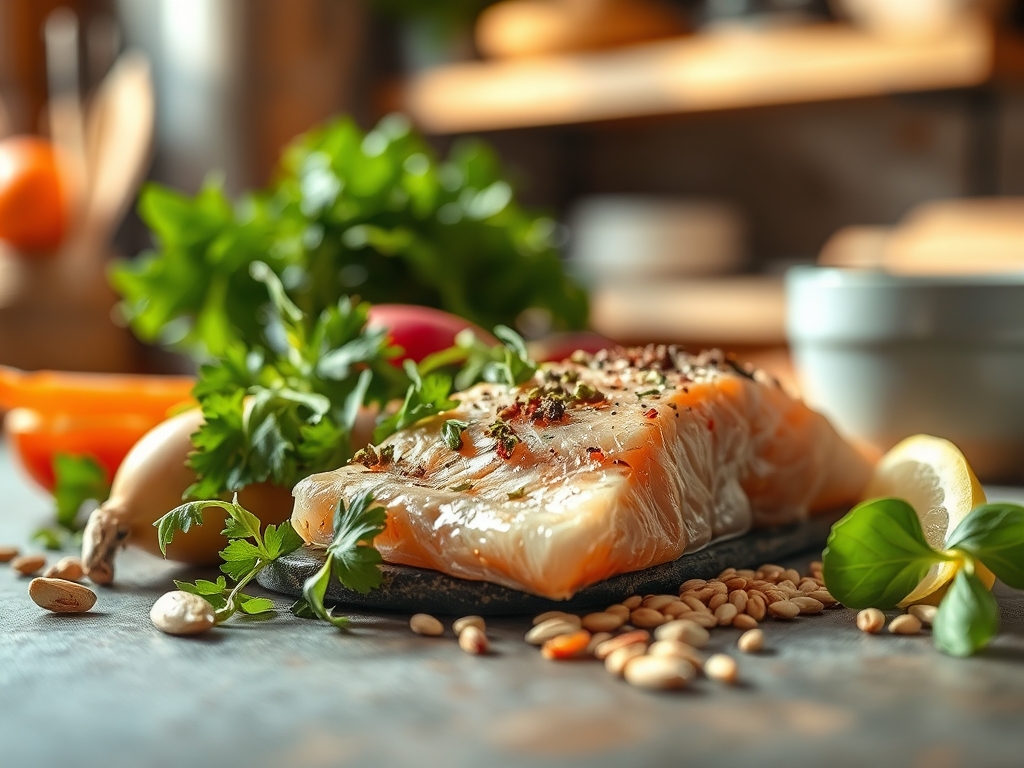
To execute these eight variations, your mise-en-place must be precise. We start with the salmon itself; look for King or Sockeye varieties with high intramuscular fat. You will need a heavy-bottomed skillet or a seasoned cast iron wok to achieve the necessary heat retention. For the aromatics, gather fresh ginger roots, garlic cloves, and scallions. The liquid pantry is where the chemistry happens: grab high-quality light soy sauce for salt, dark soy sauce for that viscous mahogany color, and Shaoxing rice wine to deglaze the pan and provide a piquant acidity.
For the "Smart Substitutions," if you are avoiding alcohol, a splash of apple juice with a drop of white vinegar mimics the enzymatic profile of rice wine. If soy is off the table, coconut aminos offer a similar profile but require a pinch of sea salt to match the salinity. Use a microplane to grate your aromatics into a fine paste; this increases the surface area for rapid flavor extraction during the brief window of high-heat exposure.
The Clock
Efficiency in the kitchen is about "Chef's Flow," the art of overlapping tasks to minimize downtime. For these salmon recipes chinese style, your total active time is roughly 15 minutes, with a 10-minute prep window. The secret is the thermal carryover; you must pull the salmon from the heat when it is 5 degrees below your target temperature.
- Prep Phase (0-10 min): Slice, grate, and measure. Use a digital scale for the sauce components to ensure consistency.
- The Sear (10-14 min): High-intensity heat application to render the subcutaneous fat.
- The Glaze (14-16 min): Emulsifying the sugars and fats into a glossy coating.
- Resting (16-20 min): Allowing the muscle fibers to relax and reabsorb juices.
The Masterclass
1. The Dry Brine and Sear
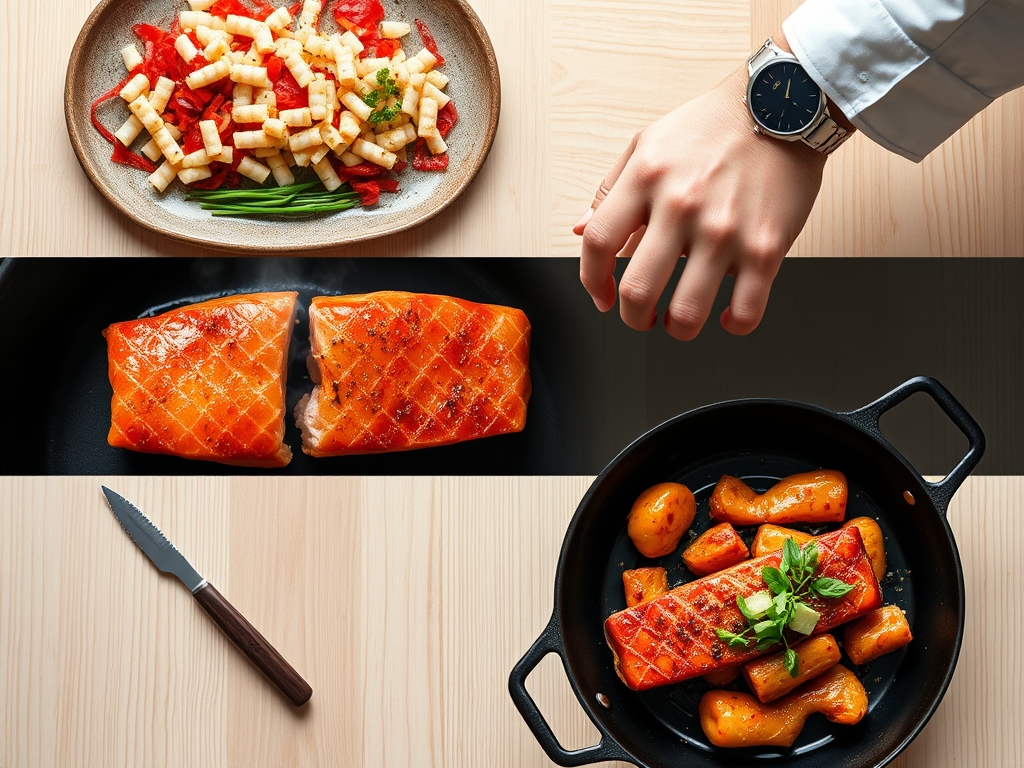
Pat the skin bone-dry using paper towels. Sprinkle a mixture of salt and five-spice powder over the flesh. This draws out moisture through osmosis, allowing for a more concentrated flavor.
Pro Tip: This step utilizes hygroscopy; by removing surface moisture, you prevent the fish from steaming, ensuring the Maillard reaction occurs instantly upon contact with the pan.
2. Rendering the Fat
Place the salmon skin-side down in a cold heavy-bottomed skillet before turning the heat to medium-high. As the pan warms, the fat under the skin begins to render slowly, resulting in a glass-like crunch.
Pro Tip: Starting with a cold pan prevents the protein fibers from "shocking" and tightening too quickly, which keeps the fillet flat and prevents curling.
3. Infusing the Aromatics
Once the skin is crisp, toss in your grated ginger and garlic. Use tongs to move them around the edges of the fish so they fry in the rendered salmon oil without burning.
Pro Tip: This is lipid-mediated flavor extraction. Many of the aromatic compounds in garlic and ginger are fat-soluble; frying them in the salmon fat creates a more cohesive flavor profile.
4. The Deglaze and Reduction
Pour in your mixture of soy sauce, Shaoxing wine, and honey. The liquid will bubble violently; this is the water evaporating and the sugars beginning to concentrate.
Pro Tip: Use a saucier or a small whisk to agitate the liquid. This encourages emulsification, binding the water-based soy sauce with the rendered fish fats for a silky texture.
5. The Basting Technique
Tilt the pan and use a large spoon to continuously pour the bubbling sauce over the top of the salmon. This finishes the top of the fish with gentle, indirect heat.
Pro Tip: Basting creates a "glaze veneer." The repeated coating builds layers of flavor through evaporative concentration, making the sauce thicker and more intense with every spoonful.
6. The Rest and Carryover
Remove the salmon from the pan while the center still looks slightly translucent. Place it on a warm plate for at least four minutes.
Pro Tip: Thermal carryover will continue to cook the interior of the fish. If you wait until it looks "done" in the pan, it will be overcooked and chalky by the time it reaches the table.
7. The Aerated Garnish
Finely julienne your scallions and soak them in ice water for three minutes. They will curl into beautiful ribbons.
Pro Tip: Cold water causes the plant cells to undergo turgor pressure changes, resulting in that professional "curly" look that adds height and texture to your plate.
8. The Final Embellishment
Sprinkle toasted sesame seeds and a dash of chili oil over the finished dish. Use a bench scraper to clean your board immediately to prevent cross-contamination.
Pro Tip: The capsaicin in the chili oil acts as a palate cleanser, cutting through the richness of the salmon fat and the sweetness of the glaze.
The Deep Dive
Nutritionally, salmon is a powerhouse of Omega-3 fatty acids and high-quality protein. One 6-ounce fillet provides roughly 34 grams of protein and 18 grams of healthy fats. If you are following a Keto protocol, simply swap the honey for an erythritol-based sweetener or omit it entirely; the natural fats in the salmon provide plenty of satiety. For a Vegan alternative, this same glaze works wonders on thick slabs of "King Oyster" mushrooms or firm tofu, though the cooking times will increase to ensure the centers are heated through.
The Fix-It: Common Pitfalls
- Soggy Skin: This happens if the pan isn't hot enough or the fish was wet. Fix it by using a blowtorch for a few seconds to crisp the skin or by returning it to a dry, smoking-hot pan for 30 seconds.
- Broken Sauce: If your glaze looks oily and separated, add a teaspoon of water and whisk vigorously. The water provides a base for the fats to re-emulsify.
- Bitter Garlic: If the garlic turns dark brown, it will taste acrid. Balance the bitterness by adding a squeeze of lime juice or a tiny pinch of sugar to the final sauce.
Meal Prep Science
To reheat salmon without it becoming rubbery, avoid the microwave. Use the "Low and Slow" method: place the fish in a 275-degree oven with a tablespoon of water covered by foil. This creates a mini-steam chamber that gently rehydrates the proteins.
The Wrap-Up
Cooking salmon recipes chinese style is a journey into the heart of functional, flavorful home cooking. By understanding the science of the sear and the chemistry of the glaze, you transform a standard piece of fish into a restaurant-quality event. Use your tools with confidence; let the wok breathe; and always respect the rest period. Your kitchen is now a laboratory of umami, and the results are nothing short of spectacular.
The Kitchen Table
How do I get the skin extra crispy?
Ensure the skin is bone-dry using a bench scraper to press out moisture. Start in a cold pan to render the fat slowly, then increase the heat to finish the crisping process through the Maillard reaction.
Can I use frozen salmon for these recipes?
Yes, but thaw it completely in the refrigerator first. Pat it dry thoroughly; frozen fish releases more moisture, which can interfere with the searing process and lead to steaming rather than browning.
What is the best way to store leftovers?
Place the salmon in an airtight glass container within two hours of cooking. It will stay fresh for up to three days. Reheat gently to preserve the delicate fatty acid chains and prevent a "fishy" aroma.
Why does my ginger taste soapy?
This usually happens if you use too much or if it is not fresh. Use a microplane to create a fine paste, which allows the heat to mellow the pungent gingerol compounds into a sweet, spicy warmth.