
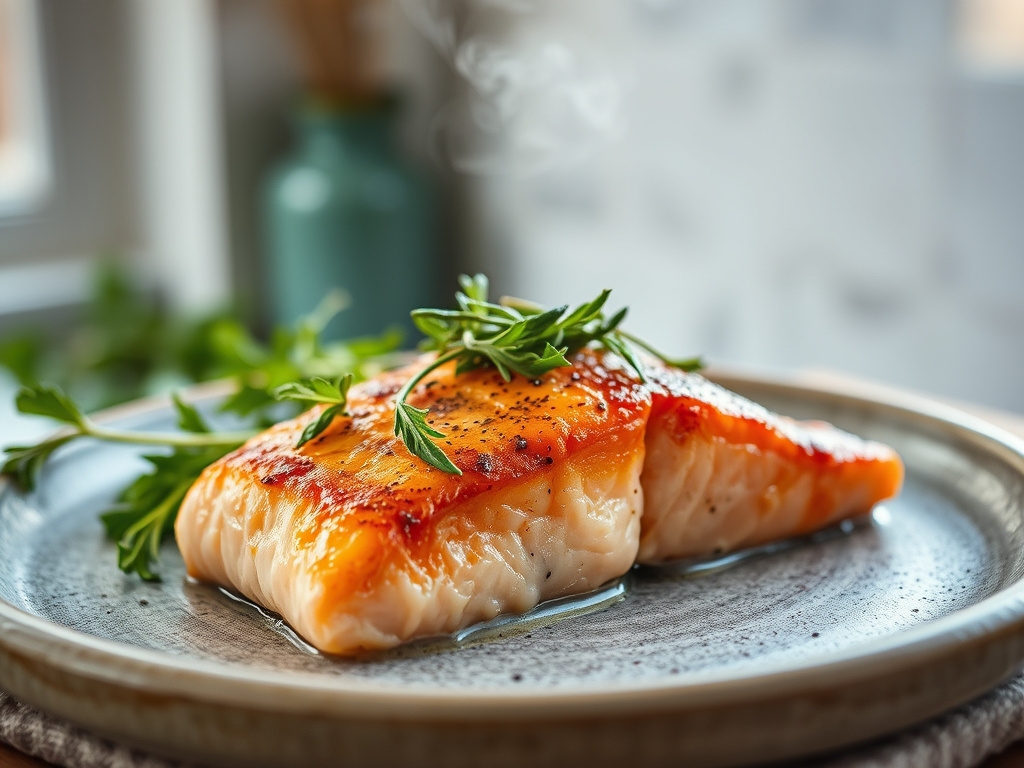
Imagine a heavy bottomed skillet sizzling on your stove as the aroma of rendered omega 3 fats fills the air. The skin turns into a crisp, golden wafer while the flesh remains buttery and translucent. Achieving the perfect balance of flavor and nutrition is an art form; these salmon recipes for weight loss are your masterpiece.
Salmon is the crown jewel of lean protein. It is packed with high quality amino acids that signal satiety to your brain, ensuring you feel full while your metabolism hums along at peak efficiency. Most people overcook this delicate fish into a dry, chalky mess. We are going to change that today by using thermal precision and bold, piquant aromatics to transform your weeknight dinner into a five star experience. Whether you are searing, poaching, or roasting, the goal is a succulent flake that melts on the tongue. Grab your apron and your sharpest chef knife; we are diving into the molecular magic of the sea.
The Gathers:
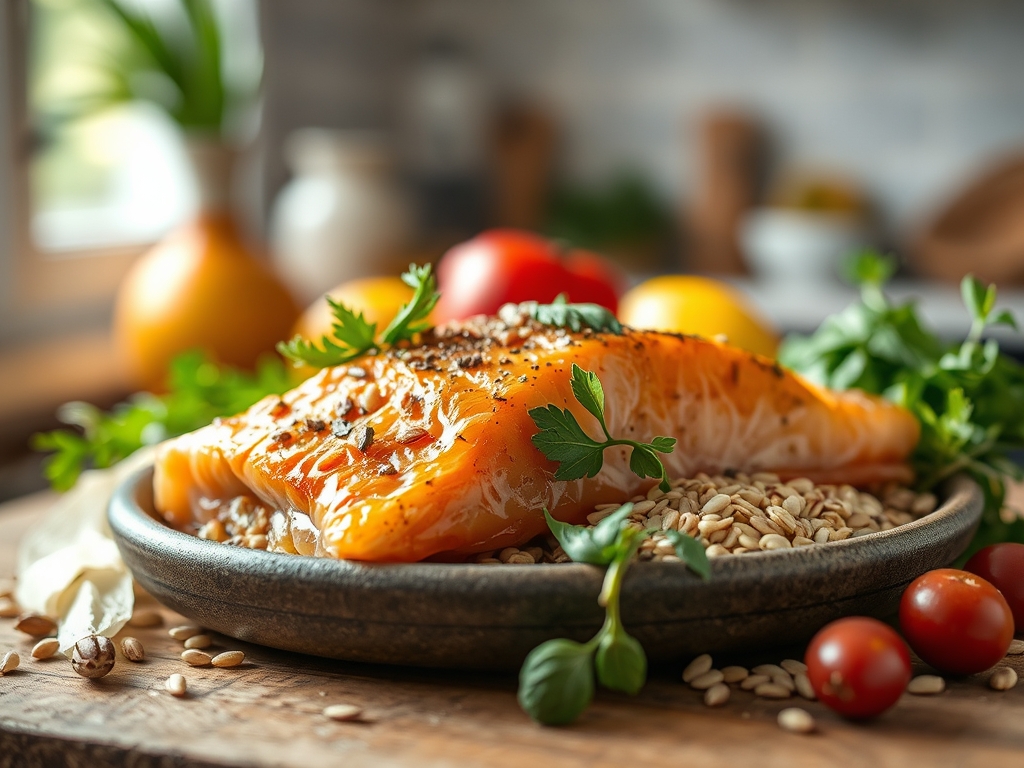
To execute these salmon recipes for weight loss, your mise en place must be impeccable. Start with the star of the show: six ounce center cut fillets. Look for vibrant, firm flesh that springs back when pressed. You will need high smoke point fats like avocado oil to facilitate the Maillard reaction without burning.
Gather your aromatics: fresh ginger for a zingy infusion, garlic cloves to be smashed and swirled in the pan, and a mountain of fresh herbs like dill and parsley. For acidity, keep lemons and a bottle of rice vinegar nearby to deglaze the pan and brighten the heavy fats.
Smart Substitutions: If you are watching your sodium, swap traditional soy sauce for liquid aminos. To cut calories further without losing the viscous mouthfeel of a sauce, use a splash of bone broth thickened with a tiny amount of arrowroot powder instead of heavy cream. Always use a digital scale to ensure your portions are precise; weight loss is a game of thermodynamics, and accuracy is your best teammate.
The Clock
Efficiency in the kitchen is about the Chef's Flow. This is the sequence of operations that ensures nothing sits getting cold while you scramble for a garnish. Total active prep for these six meals is roughly 25 minutes, with individual cook times ranging from 8 to 12 minutes per fillet.
The Flow begins with tempering your fish. Cold salmon straight from the fridge will seize in a hot pan, leading to uneven cooking. Let it sit at room temperature for 15 minutes while you prep your vegetables. Start your grains or roasted greens first, as they have a higher thermal mass and hold heat longer than the delicate fish. The salmon is always the final act. By the time the fish is resting, your sides should be plated and ready to receive their protein.
The Masterclass
1. The Perfect Sear
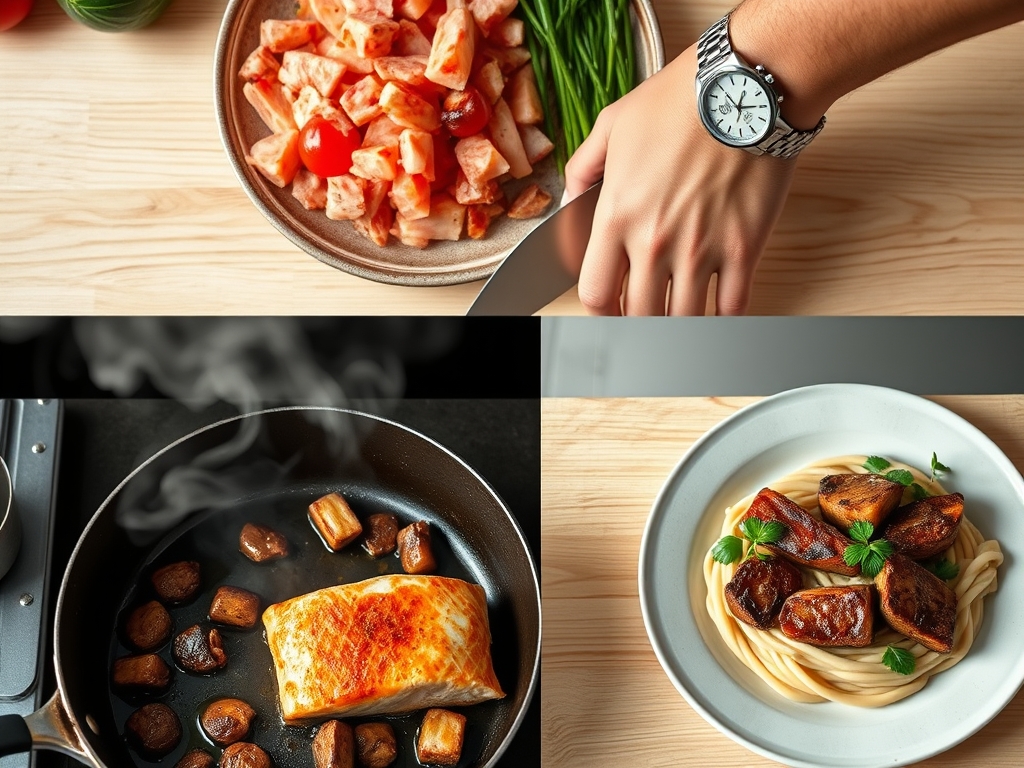
Pat the skin bone-dry with a paper towel to remove every trace of moisture. Season aggressively with kosher salt. Place the fish skin-side down in a shimmering heavy bottomed skillet. Use your fish spatula to apply light pressure for the first 30 seconds to prevent the protein fibers from curling.
Pro Tip: This prevents the "steam effect." Moisture is the enemy of crispness. By removing surface water, you allow the heat to immediately begin the Maillard reaction, creating that savory, browned crust rather than boiling the fish in its own juices.
2. The Citrus Infusion
Once the skin is crisp, flip the fillet and add a knob of grass fed butter, smashed garlic, and lemon slices to the pan. Use a large spoon to continuously baste the hot, flavored fat over the fish. This is called arroser, a French technique that ensures the top stays moist while the bottom finishes.
Pro Tip: Basting creates a convective heat transfer. The hot fat carries the aromatic compounds of the garlic and lemon deep into the lamellae (the layers of muscle), resulting in a more homogenous flavor profile.
3. The Gentle Poach
For a softer texture, submerge your salmon in a shallow saucier filled with a simmering liquid of white wine, peppercorns, and bay leaves. Keep the temperature between 160 and 180 degrees Fahrenheit. The liquid should barely tremble, not boil.
Pro Tip: This is denaturation control. High heat causes protein strands to tighten and squeeze out moisture. Low temperature poaching keeps the proteins relaxed, preserving the intracellular juices for a "melt-in-your-mouth" texture.
4. The Sheet Pan Roast
Toss asparagus and cherry tomatoes in balsamic vinegar and arrange them around the salmon on a parchment lined tray. Roast at 400 degrees. The sugars in the tomatoes will caramelize, providing a sweet contrast to the savory fish.
Pro Tip: This utilizes radiant heat. The high surface area of the vegetables allows them to roast at the same rate the salmon reaches its target internal temperature, maximizing efficiency through simultaneous cooking.
5. The Air Fryer Crunch
Coat the top of your salmon with a thin layer of Dijon mustard and almond flour. Air fry at 380 degrees for 8 minutes. The mustard acts as an emulsifier, holding the "breading" in place while the rapid air circulation creates a faux-fried texture.
Pro Tip: The air fryer uses high velocity convection. This strips away the "boundary layer" of cool air around the food, cooking it significantly faster than a standard oven while using 80 percent less oil.
6. The Glazed Finish
In the final two minutes of cooking, brush on a reduction of honey, sriracha, and lime juice. Allow it to bubble and thicken into a shiny, tacky coating that clings to the fish.
Pro Tip: This is caramelization. The sugars in the glaze react with the heat to create complex new flavor molecules. Be careful; the window between a perfect glaze and a burnt mess is narrow due to the high sugar content.
The Deep Dive
Macro Nutrition: Each of these salmon recipes for weight loss averages 350 to 450 calories. You are looking at roughly 35g of protein, 15g of healthy fats, and minimal carbohydrates. This macro split is ideal for maintaining muscle mass while in a caloric deficit.
Dietary Swaps: To make these Keto, omit any honey or fruit glazes and double down on herb butters. For a Vegan alternative, use the same marinades on thick slabs of "watermelon tuna" or firm tofu. If you are Gluten Free, ensure your soy sauce is replaced with Tamari.
The Fix-It:
- White Gunk (Albumin): If you see white stuff oozing out, you overcooked it. Next time, pull the fish off the heat 5 degrees early.
- Soggy Skin: Your pan wasn't hot enough or you didn't dry the fish. Use a cast iron skillet for better heat retention.
- Sticking: You tried to flip it too soon. The fish will naturally "release" from the pan once the crust has formed.
Meal Prep: To reheat without turning your fish into rubber, avoid the microwave. Instead, place the salmon in a covered pan with a tablespoon of water over low heat. The steam will gently rehydrate the proteins without overcooking the center.
The Wrap-Up
You are now armed with the technical prowess to turn a simple piece of fish into a culinary triumph. These salmon recipes for weight loss prove that dieting does not have to be a dull cycle of steamed broccoli and dry chicken. By mastering heat transfer, acidity, and the Maillard reaction, you can enjoy gourmet meals that fuel your body and delight your palate. Go forth, use your tongs with confidence, and enjoy the sizzle!
The Kitchen Table
How do I know when salmon is done?
Use a digital thermometer to check for an internal temperature of 125 degrees Fahrenheit for medium rare. The flesh should be opaque and flake easily with a fork when gently pressed in the thickest part of the fillet.
Can I use frozen salmon for weight loss recipes?
Yes, frozen salmon is often flash frozen at sea, preserving nutrients. Thaw it completely in the refrigerator overnight and pat it extremely dry with paper towels to ensure you still achieve a crisp, professional sear in the pan.
Is salmon skin healthy to eat?
The skin contains the highest concentration of omega 3 fatty acids and collagen. When seared until crispy, it provides a satisfying texture that makes the meal feel more indulgent without adding significant calories to your daily weight loss goals.
What is the best way to season salmon?
Start with a generous pinch of kosher salt to draw out moisture. Add aromatics like lemon zest, cracked black pepper, or smoked paprika after searing to prevent the spices from burning in the high heat of the skillet.