
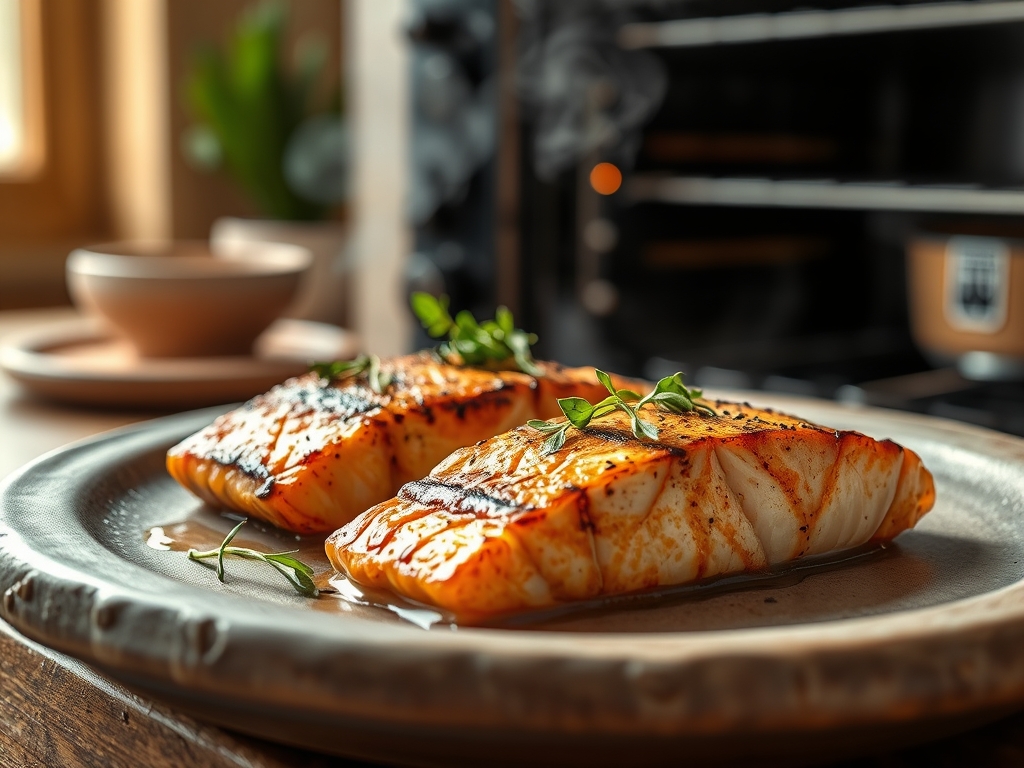
Close your eyes and listen for that distinct, rhythmic sizzle. It is the sound of cold protein meeting a blistering hot surface; a chemical transformation that turns a simple fillet into a masterpiece of texture and flavor. When you are hunting for the best grilled salmon recipes in oven techniques, you are not just looking for a meal. You are looking for that perfect intersection of a glass-like, crispy skin and a translucent, buttery center that flakes at the mere suggestion of a fork. Most home cooks fear the oven because they cannot see the heat, but we are going to treat your broiler like a precision instrument. We are harnessing radiant heat to mimic a charcoal flame, minus the lighter fluid aftertaste. By the time we are done, you will understand the physics of the Maillard reaction and why your oven is actually a superior tool for consistent, high-heat searing. This is about more than dinner; it is about mastering the thermal dynamics of the most elegant fish in the sea.
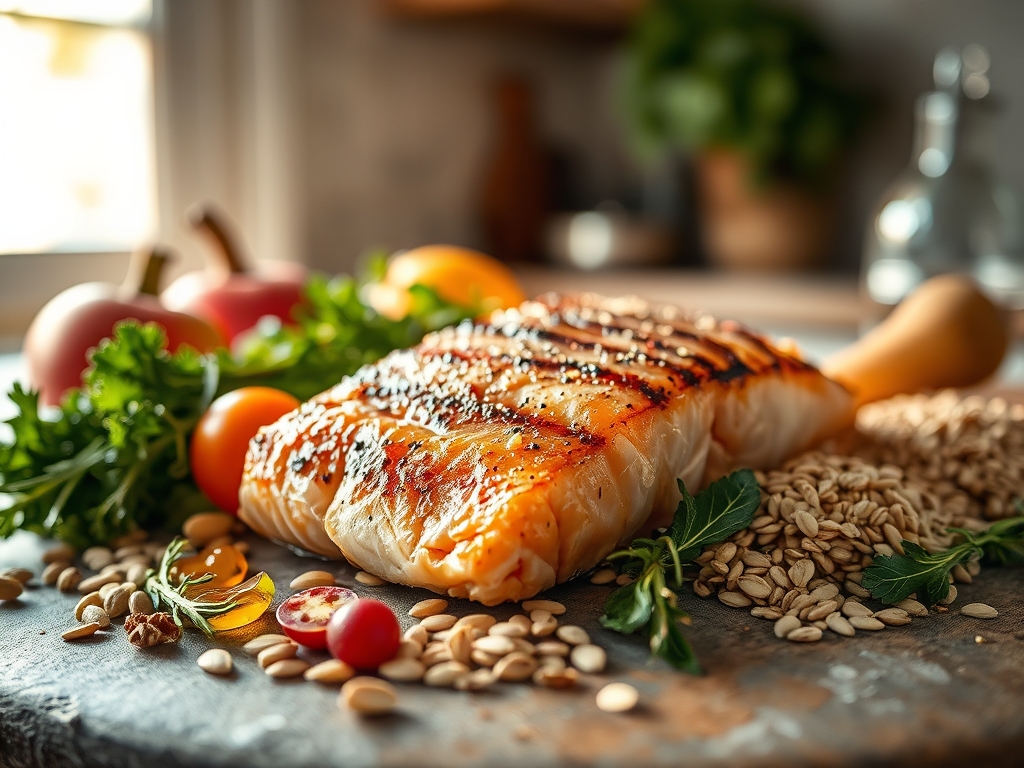
The Gathers:
To achieve a restaurant-grade result, your mise-en-place must be flawless. Start with a high-quality center-cut fillet; look for vibrant color and a firm, elastic texture that bounces back when pressed. You will need a digital scale to ensure your portions are uniform, as uneven thickness is the enemy of a perfect sear. Your flavor profile begins with a high-smoke-point fat, such as avocado oil or clarified butter, which can withstand the 500-degree environment without breaking down into acrid compounds.
Next, assemble your aromatics. Use a microplane to zest a lemon directly over the fish; this releases the volatile oils (limonene) without the bitter pith. You will also need coarse kosher salt to draw out surface moisture through osmosis, and freshly cracked black pepper for a piquant bite. For the glaze, a mixture of honey and Dijon mustard creates a viscous coating that caramelizes beautifully under the heating element.
Smart Substitutions: If you are avoiding honey, a splash of maple syrup offers a similar sugar density for browning. For those sensitive to nightshades, swap paprika for ground sumac to maintain that deep red hue and add a bright, citrusy acidity. If you lack a traditional roasting pan, a heavy-bottomed skillet or a preheated cast iron pan is actually superior for heat retention.
The Clock
The "Chef's Flow" is all about managing your thermal windows. Total active prep time is roughly 10 minutes, while the cooking process spans a tight 8 to 12 minutes depending on thickness. However, the most critical time block is the 20-minute "tempering" period before the fish hits the heat. Cold fish shocks the pan and leads to uneven cooking.
Prep Time: 10 minutes (slicing, zesting, and patting dry).
Tempering: 20 minutes (bringing the salmon to room temperature).
Cook Time: 8 to 12 minutes.
Resting Time: 5 minutes (essential for moisture redistribution).
The Masterclass
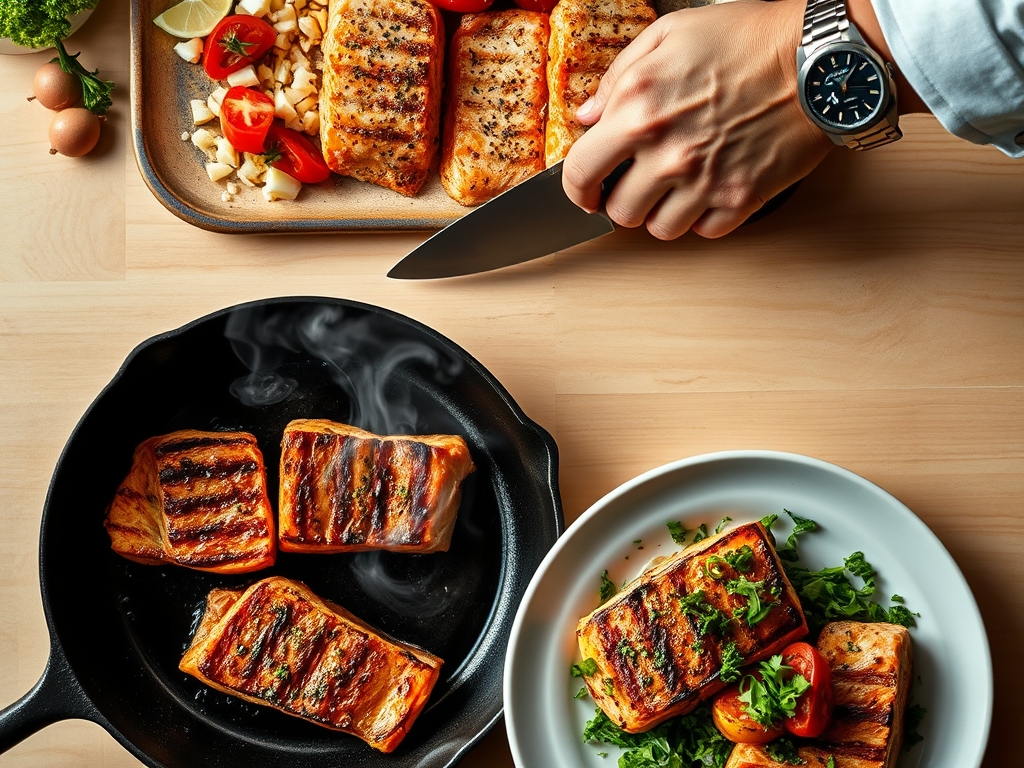
1. The Desiccation Phase
Use a paper towel to aggressively pat the skin and flesh dry. Moisture is the enemy of the sear; any water left on the surface will turn to steam, preventing the Maillard reaction.
Pro Tip: This process is called surface desiccation. By removing water, you allow the heat to immediately begin breaking down amino acids and sugars rather than wasting energy evaporating moisture.
2. Tempering for Uniformity
Let the salmon sit on your counter for 20 minutes. Use your bench scraper to move the fillets onto a parchment-lined tray during this time.
Pro Tip: Cold protein fibers are tight. Tempering allows the internal fats to soften, ensuring that the heat penetrates the center at the same rate it sears the exterior, preventing a "raw-middle-burnt-outside" disaster.
3. The Oil Barrier
Apply a thin, even coat of avocado oil using a silicone brush. Ensure every millimeter of the skin is covered to prevent sticking to the pan.
Pro Tip: Oil acts as a thermal bridge. It fills the microscopic gaps between the fish and the pan, ensuring conduction is maximized across the entire surface area.
4. Seasoning with Precision
Sprinkle your salt from at least 12 inches above the fish. This ensures an even distribution and prevents "salt pockets" that can ruin the delicate flavor of the fat.
Pro Tip: Salt facilitates denaturation, slightly breaking down the surface proteins so they can crisp up more effectively under the broiler's intense radiant heat.
5. Preheating the Vessel
Place your heavy-bottomed skillet in the oven while it preheats to 450 degrees or the "High Broil" setting.
Pro Tip: Using a preheated vessel creates an immediate sear upon contact. This is known as thermal mass; the pan holds enough energy to cook the bottom of the fish while the broiler handles the top.
6. The Placement Strategy
Using tongs, carefully lay the salmon skin-side down onto the hot pan. You should hear an immediate, aggressive sizzle.
Pro Tip: This immediate heat renders the subcutaneous fat. As the fat melts, it essentially fries the skin from the bottom up, creating a crackling texture.
7. The Glaze Application
Halfway through the cooking process, use a saucier to warm your honey-mustard glaze, then brush it onto the flesh side.
Pro Tip: Adding sugar-based glazes too early leads to burning. By waiting until the final 4 minutes, you achieve enzymatic browning without carbonizing the sugars into a bitter crust.
8. Monitoring Internal Temps
Insert a digital thermometer into the thickest part of the fillet. Aim for 125 degrees Fahrenheit for a perfect medium-rare.
Pro Tip: This accounts for thermal carryover. The internal temperature will rise another 5 to 7 degrees after you remove it from the oven as the exterior heat moves inward.
9. The Rest Period
Transfer the salmon to a warm plate and let it sit undisturbed for 5 minutes.
Pro Tip: Resting allows the muscle fibers to relax and reabsorb the juices. If you cut into it immediately, the viscous fats will leak out, leaving the meat dry and stringy.
10. The Acid Finish
Squeeze fresh lemon juice over the top just before serving.
Pro Tip: The acid cuts through the heavy Omega-3 fatty acids, brightening the flavor profile and providing a necessary contrast to the rich, caramelized crust.
The Deep Dive
From a macro perspective, salmon is a nutritional powerhouse. A 6-ounce fillet provides roughly 34 grams of high-quality protein and 22 grams of healthy fats, primarily heart-healthy Omega-3s. For those following a Keto lifestyle, this is a gold-standard meal. To make it Vegan, you can apply these same high-heat techniques to thick slabs of "King Oyster" mushrooms or firm tofu, though the cooking times will decrease. For a Gluten-Free version, simply ensure your Dijon mustard does not contain wheat-based thickeners.
The Fix-It:
- White Gunk (Albumin): If you see white bubbles on the surface, you are overcooking the fish. This is protein being squeezed out of the muscle fibers. Fix it by lowering your cook time by 2 minutes next time.
- Soggy Skin: This happens if the pan wasn't hot enough. Fix it by preheating your cast iron for at least 10 minutes before adding the fish.
- Sticking: If the fish won't release, do not force it. It usually means the proteins haven't finished searing. Give it another 60 seconds and it should release naturally.
Meal Prep: To reheat without losing quality, avoid the microwave. Use a "low and slow" approach in a 275-degree oven with a splash of water and a foil cover to infuse moisture back into the fibers.
The Wrap-Up
Mastering grilled salmon recipes in oven techniques is a rite of passage for any serious home cook. It is a dance of temperature, timing, and chemistry. By focusing on surface desiccation, thermal carryover, and the precision of your tools, you transform a simple weeknight dinner into a culinary event. Remember: the oven is your friend, the sizzle is your guide, and that crispy skin is your reward. Go forth and sear with confidence!
The Kitchen Table
How do I prevent salmon from smelling "fishy"?
Always buy fresh, never-frozen fillets if possible. Rinse the fish in cold water and pat it completely dry. The "fishy" smell comes from Trimethylamine (TMA) which develops as fish ages; fresh salmon should smell only of the clean, salty ocean.
Can I use frozen salmon for these recipes?
Yes, but you must thaw it completely in the refrigerator for 24 hours. Once thawed, treat it exactly like fresh fish, paying extra attention to patting it dry, as frozen fish tends to release more internal moisture during the cooking process.
What is the best rack position for oven grilling?
Place your oven rack in the top third of the oven, about 5 to 6 inches from the broiler element. This provides enough distance to cook the interior through while the radiant heat creates that signature "grilled" crust on the surface.
How do I know when the salmon is done without a thermometer?
Press the center of the fillet with your finger or a spoon. If the flakes begin to separate easily (the "flake test") and the meat is opaque but still slightly translucent in the very center, it is ready to be pulled.