
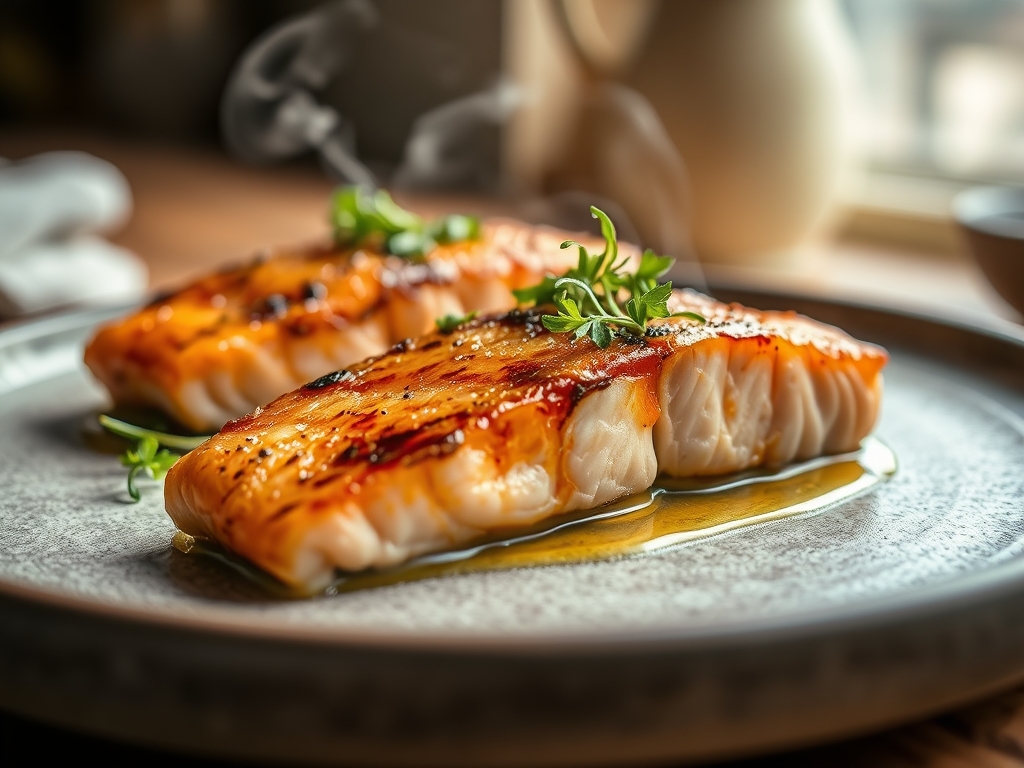
Picture the sound of a heavy bottomed skillet meeting a high flame; it is that distinct, rhythmic hiss that signals the start of something transformative. We have all been there, staring at a pale pink fillet and wondering how to make it sing. Salmon is the ultimate culinary canvas, but it often falls victim to the mundane routine of lemon and pepper. If you are looking to revitalize your kitchen routine, these fun salmon recipes are designed to bridge the gap between rigorous food science and pure, unadulterated joy. We are moving past the basic sear to explore textures that crunch, glazes that cling with viscous perfection, and aromatics that infuse every fiber of the protein. By understanding the molecular structure of the fish, specifically how the collagen breaks down and the fats render at precise temperatures, you can turn a standard Tuesday night meal into a masterclass in flavor. Let us dive into the chemistry of the perfect flake and the art of the piquant finish to ensure your dinner is anything but ordinary.
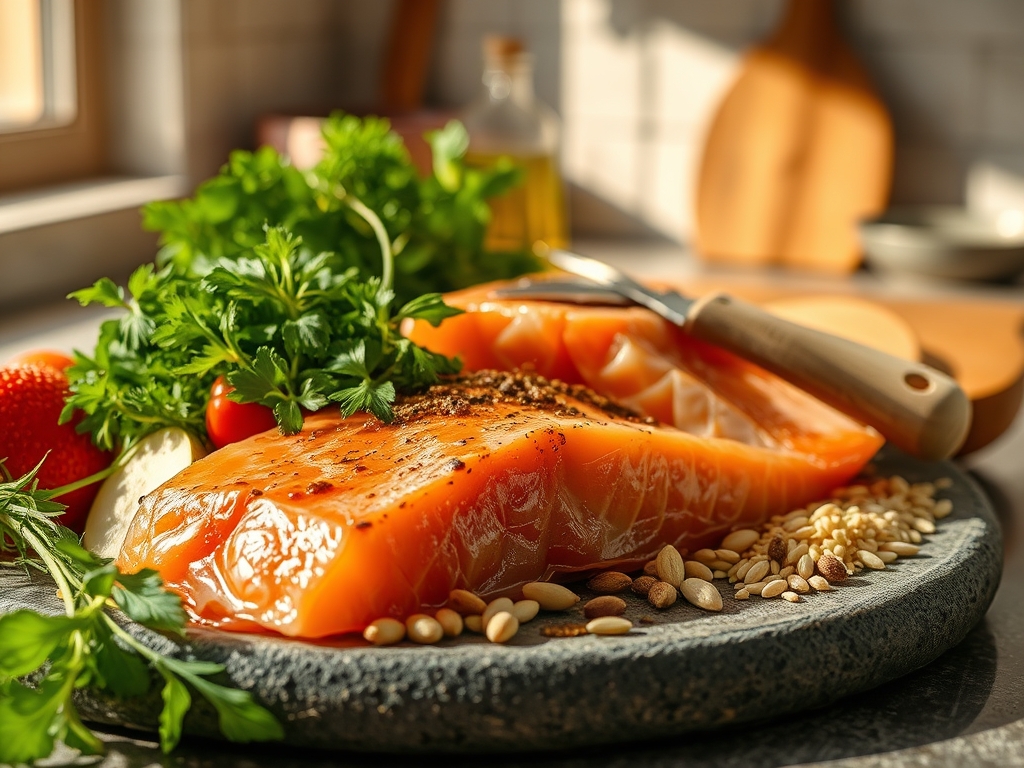
The Gathers:
To execute these fun salmon recipes with precision, your mise en place must be immaculate. Start with center cut fillets, as their uniform thickness ensures even thermal distribution. You will need high smoke point fats like avocado oil or clarified butter to facilitate the Maillard reaction without scorching. Aromatics are non negotiable; gather fresh ginger, garlic cloves, and bright citrus. Use a microplane to zest your lemons and limes, which releases the essential oils trapped in the flavedo without the bitter white pith. For the glazes, reach for raw honey or maple syrup to provide the sugars necessary for caramelization.
Smart Substitutions are the hallmark of a clever cook. If you lack fresh ginger, a splash of galangal paste offers a similar sharp heat. If you are out of honey, a dark agave nectar provides the same viscous quality with a lower glycemic index. For those avoiding soy, coconut aminos offer a savory, salty profile that mimics the depth of traditional shoyu. Always keep a digital scale nearby to weigh your portions; consistency in mass leads to consistency in cook time.
The Clock
Efficiency in the kitchen relies on what professionals call the Chef's Flow. This is the art of overlapping tasks so that no second is wasted. Preparation for these recipes generally requires fifteen minutes of active knife work and marination. The actual cooking phase is swift, usually spanning eight to twelve minutes depending on the thickness of the fish. Total time from fridge to table sits comfortably at thirty minutes.
The secret to mastering the clock is preheating. Your heavy bottomed skillet or oven must reach its target temperature before the fish ever touches the surface. While the salmon rests, which is a non negotiable five minute window to allow juices to redistribute, you can deglaze your pan to create a pan sauce or toss a quick slaw. This overlapping technique ensures that every component of the meal reaches the plate at the peak of its sensory appeal.
The Masterclass
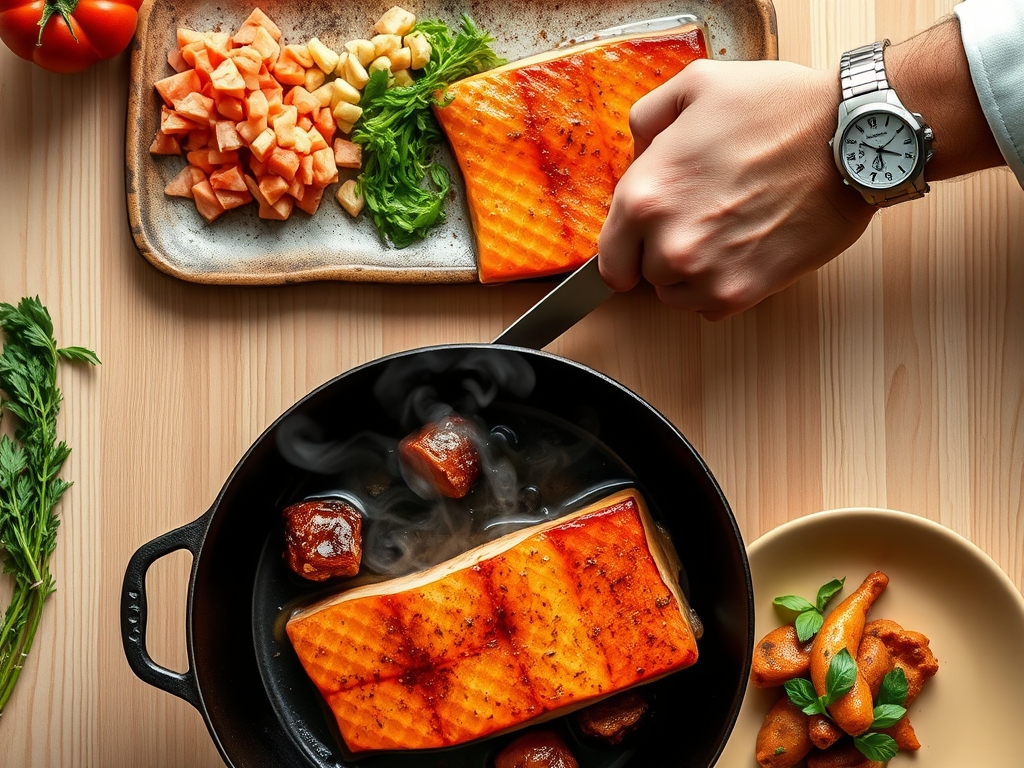
1. The Crispy Skin Sear
Pat the skin bone dry with paper towels to remove every trace of moisture. Place the fish skin side down in a cold pan and then turn the heat to medium high. This allows the fat to render slowly, resulting in a glass like texture that shatters upon impact. Use your fish spatula to apply light pressure, preventing the protein from curling as the fibers contract.
Pro Tip: This method utilizes conductive heat transfer to crisp the skin while the flesh cooks gently from the bottom up. By starting cold, you prevent the skin from seizing and trapping moisture, which is the primary cause of rubbery texture.
2. The Honey Garlic Glaze
Once the salmon is flipped, add a knob of butter, smashed garlic, and your honey mixture to the pan. Use a large spoon to continuously baste the fish with the bubbling liquid. This process, known as arroser, infuses the meat with flavor while keeping the top surface moist and glossy.
Pro Tip: The Maillard reaction occurs between amino acids and reducing sugars. As the glaze reduces, it becomes more concentrated, creating a complex flavor profile that moves beyond simple sweetness into savory, toasted notes.
3. The Citrus Herb Infusion
For a lighter approach, wrap the fillets in parchment paper with thin slices of citrus and sprigs of dill. This creates a steam chamber that gently poaches the fish in its own juices and the volatile oils of the herbs. It is a foolproof way to ensure a tender, buttery flake every single time.
Pro Tip: This is the en papillote technique, which relies on trapped steam to cook the fish. Because the temperature never exceeds the boiling point of water, the delicate fats in the salmon remain intact and do not oxidize.
4. The Spicy Miso Rub
Whisk together white miso paste, toasted sesame oil, and a pinch of cayenne. Coat the top of the salmon generously before broiling. The high heat of the broiler will cause the miso to puff and brown, creating a savory crust that contrasts beautifully with the rich fat of the fish.
Pro Tip: Miso is rich in glutamates, which provide an intense umami punch. When subjected to intense radiant heat, these compounds undergo rapid browning, creating a flavor profile that is deeply satisfying to the palate.
5. The Pesto Crust Bake
Slather the top of your fillets with a thick layer of basil pesto and top with panko breadcrumbs. Bake at four hundred degrees until the crumbs are golden. The pesto acts as a barrier, preventing the moisture from escaping the fish while the breadcrumbs provide a necessary structural crunch.
Pro Tip: The fats in the pesto act as an insulator, slowing down the rate of heat penetration to the center of the fillet. This helps prevent overcooking, ensuring the interior remains succulent while the exterior develops texture.
6. The Cold Smoked Salad Toss
For a no cook option, flake high quality smoked salmon into a bowl of chilled quinoa, arugula, and shaved fennel. Whisk a vinaigrette of lemon juice and Dijon mustard to emulsify the fats. This is the ultimate "fun" recipe for hot summer nights when the stove feels like an enemy.
Pro Tip: Emulsification is the process of forcing two immiscible liquids, like oil and lemon juice, into a stable mixture. The lecithin in the mustard acts as a bridge, creating a creamy texture without the need for dairy.
The Deep Dive
Salmon is a nutritional powerhouse, dense with Omega 3 fatty acids and high quality protein. A standard six ounce serving provides roughly thirty four grams of protein and significant amounts of Vitamin B12. For those on a Keto diet, salmon is a staple due to its high healthy fat content. If you are cooking for a Vegan guest, firm tofu pressed and marinated in seaweed dashi can mimic the savory profile of these fun salmon recipes. For Gluten Free requirements, ensure your soy sauce is substituted with tamari.
The Fix It: If your salmon develops white goop on the surface, that is just albumin, a protein that leaches out when the fish is cooked too fast. To fix it, brine the fish in salt water for ten minutes before cooking. If the fish is sticking to the pan, you likely tried to flip it too early; wait for the protein to naturally release from the surface. If the fish is dry, it has surpassed an internal temperature of one hundred forty five degrees.
For meal prep, reheating salmon requires a gentle touch. Avoid the microwave, which turns the fats rancid and the texture rubbery. Instead, place the fish in a covered pan with a tablespoon of water over low heat. This creates a small amount of steam that rehydrates the fibers without overcooking the core.
The Wrap Up
Cooking should always feel like an adventure rather than a chore. By mastering these fun salmon recipes, you are not just making dinner; you are exploring the fascinating intersection of chemistry and craft. From the crunch of a perfect sear to the aromatic lift of a parchment steam, these techniques empower you to treat every meal as an opportunity for excellence. Grab your favorite skillet, trust your instincts, and remember that the best ingredient in any kitchen is a curious mind.
The Kitchen Table
How do I tell if salmon is done without a thermometer?
Press the top of the fillet gently with a fork or your finger. If the flakes begin to separate easily along the white fat lines, it is ready. The center should still look slightly translucent rather than opaque.
Why does my salmon skin always turn out soggy?
Moisture is the enemy of a good sear. You must pat the skin completely dry and ensure the pan is sufficiently hot. Using a heavy bottomed skillet helps maintain the high temperature needed to render the fat and create a crunch.
Can I use frozen salmon for these recipes?
Yes, but you must thaw it completely in the refrigerator first. Pat it dry thoroughly to remove excess water from the freezing process. Frozen salmon is often flash frozen at sea, preserving its nutritional profile and flavor remarkably well.
What is the best way to store leftover salmon?
Place the cooked fish in an airtight glass container and refrigerate for up to two days. To maintain the best texture, avoid freezing cooked salmon, as the ice crystals will break down the delicate cell walls and cause mushiness.