
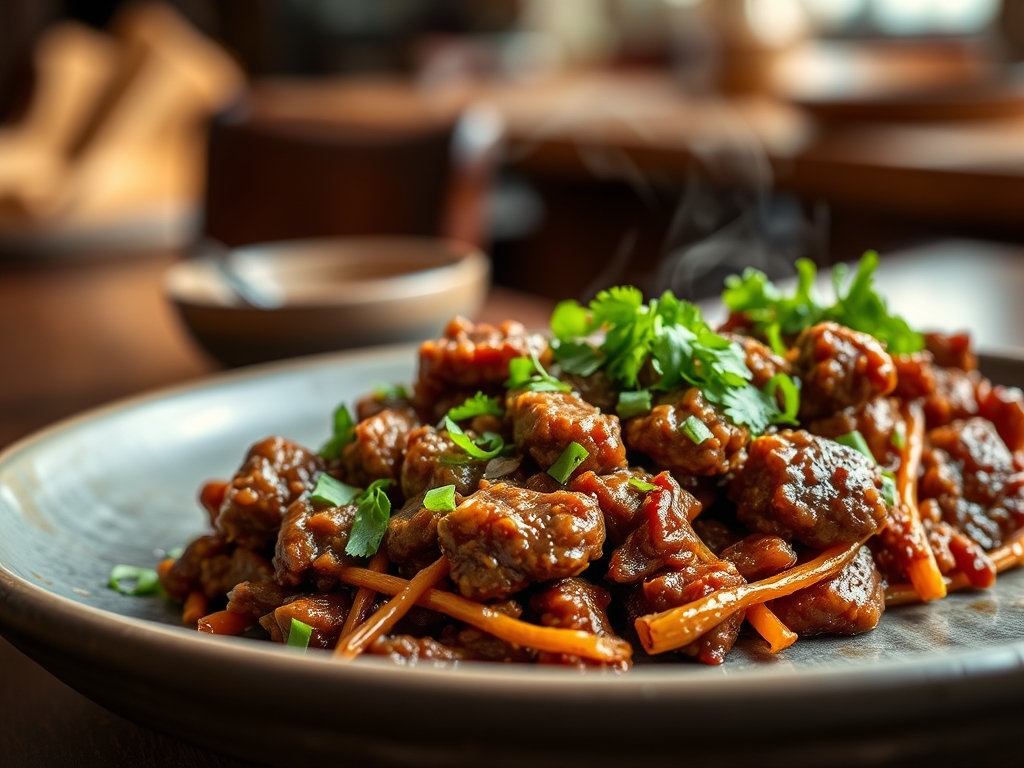
Imagine the sound of a heavy-bottomed skillet meeting a high-flame burner; the metal begins to sing before the first drop of oil even hits the surface. When you are craving that perfect balance of salt, sugar, and umami, teriyaki ground beef recipes are your absolute best friend for weeknight survival. We are talking about deep, lacquered mahogany edges on the beef and a sauce that clings like a velvet glove.
This is not just about browning meat; it is about the chemistry of the Maillard reaction meeting the viscous beauty of fermented soy. Whether you are meal prepping for a chaotic week or hosting a last-minute dinner, mastering these teriyaki ground beef recipes ensures you have a high-protein, high-flavor weapon in your culinary arsenal. We are going to transform humble ground chuck into a gourmet experience by manipulating heat and sugar concentrations. Grab your favorite apron and a sturdy wooden spoon; we are diving into the delicious science of the perfect stir-fry.
The Gathers:
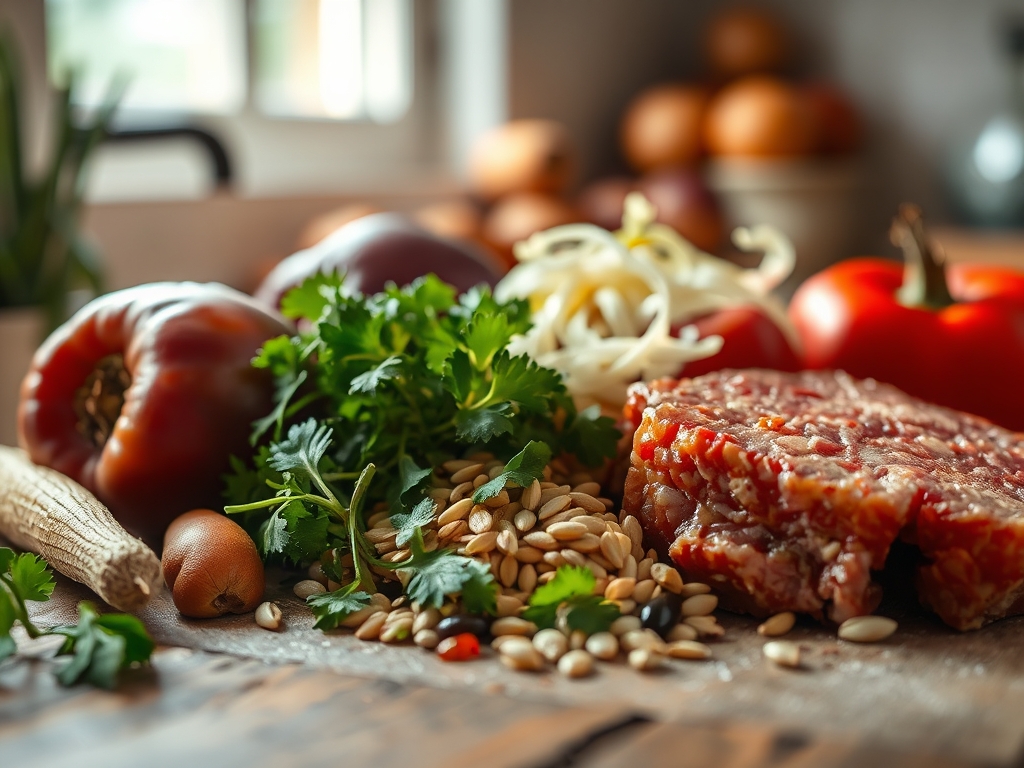
Before we ignite the flame, we must respect the mise-en-place. For the most successful teriyaki ground beef recipes, you need ingredients that offer a spectrum of textures and chemical properties. Start with one pound of 80/20 ground beef. The fat content is non-negotiable here; we need that lipid base to carry the fat-soluble aromatics of the ginger and garlic. You will also need a high-quality, naturally brewed soy sauce to provide the amino acids necessary for deep flavor development.
For the sweetness, we utilize brown sugar or honey. The molasses in brown sugar adds a piquant depth that white sugar lacks. To create that signature glossy sheen, a cornstarch slurry is your secret tool for emulsification. For the aromatics, reach for fresh ginger root and garlic cloves. Use a microplane to grate them into a fine paste; this increases the surface area and allows the volatile oils to infuse the beef almost instantly.
Smart Substitutions: If you are watching your sodium, coconut aminos offer a similar profile with a lower salt floor. For those who want a kick, a teaspoon of sambal oelek or sriracha will cut through the richness. If you find yourself without cornstarch, a reduction of the sauce over low heat will eventually yield a similar viscosity, though it requires more patience and careful monitoring of the thermal levels.
The Clock: Chef's Flow
Efficiency in the kitchen is about managing the "Chef's Flow." Total active prep time for these teriyaki ground beef recipes is roughly 10 minutes, mostly spent on the aromatics. The cook time is a swift 15 minutes. However, the flow is vital. You must have your sauce whisked and your vegetables chopped before the beef hits the pan.
Because ground beef cooks rapidly, there is no time to mince garlic while the meat is browning. If you hesitate, you risk overcooking the proteins, resulting in a rubbery texture rather than a tender crumble. Think of it as a sprint; once the skillet is hot, the process moves with a rhythmic intensity.
The Masterclass:
1. The Sear and Render
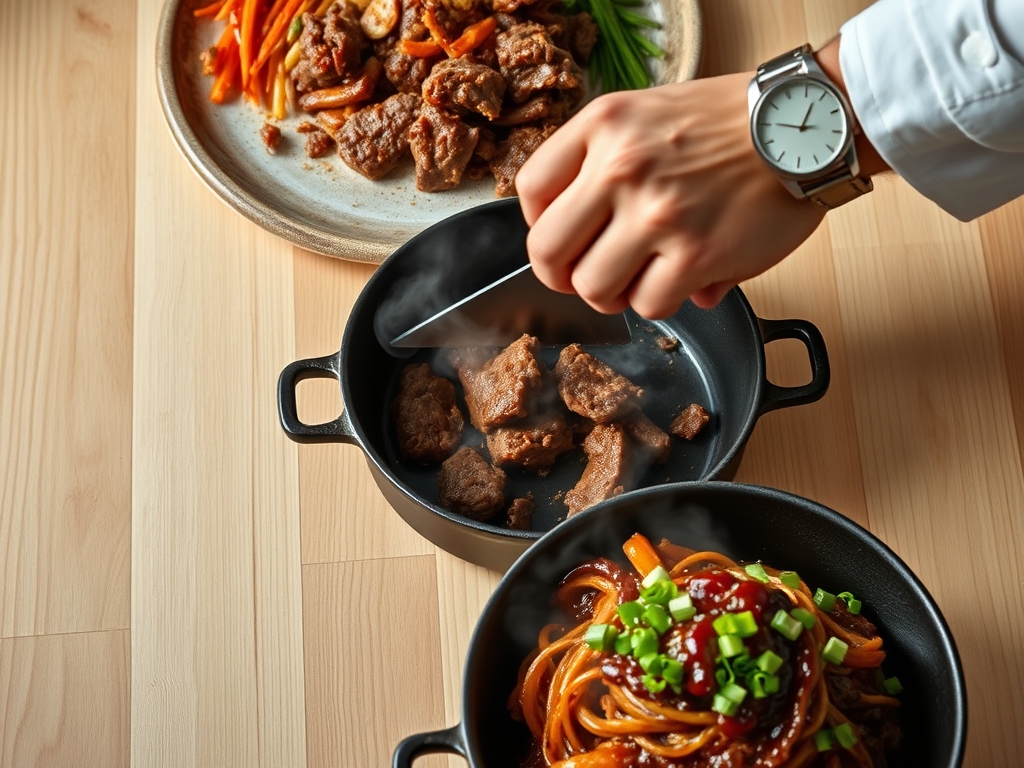
Place your heavy-bottomed skillet over medium-high heat. Add the ground beef in large chunks rather than breaking it up immediately. Allow the meat to sit undisturbed for at least three minutes. You are looking for a deep, dark crust to form on the bottom.
Pro Tip: This stage relies on enzymatic browning and the Maillard reaction. By leaving the meat undisturbed, you allow the proteins and sugars to bond, creating complex flavor compounds that cannot be achieved through constant stirring.
2. The Aromatic Infusion
Once the base is browned, use a sturdy spatula or a bench scraper to break the beef into smaller crumbles. Push the meat to the perimeter of the pan, creating a "hot zone" in the center. Drop in your microplaned ginger and garlic.
Pro Tip: Sautéing aromatics in the rendered beef fat allows for better extraction of fat-soluble flavor compounds. This ensures the ginger and garlic notes are distributed evenly throughout the entire dish rather than staying in isolated pockets.
3. Deglazing the Fond
Pour in your soy sauce and rice vinegar mixture. Use your spatula to scrape the bottom of the pan, lifting up all those brown bits (the fond) that stuck during the searing process.
Pro Tip: This is the process of deglazing. The liquid dissolves the caramelized proteins from the pan surface, incorporating that concentrated "beefy" flavor directly into your sauce base.
4. The Sweetness Equilibrium
Add your brown sugar and sesame oil. Stir constantly to ensure the sugar dissolves and begins to interact with the heat. The sauce will start to darken and take on a shimmering quality.
Pro Tip: Watch for caramelization. As the sugar heats, it breaks down into new compounds that provide a nutty, complex sweetness that balances the salty soy sauce.
5. The Slurry Emulsification
Whisk your cornstarch with a tablespoon of cold water until smooth, then pour it into the bubbling skillet. Stir vigorously for 60 seconds as the sauce transforms from a thin liquid to a thick, translucent glaze.
Pro Tip: This is starch gelatinization. The starch granules absorb the liquid and swell, creating a network that thickens the sauce and gives it the "cling" factor essential for high-quality teriyaki ground beef recipes.
6. The Fresh Finish
Turn off the heat and toss in a handful of sliced green onions and toasted sesame seeds. The residual heat will soften the onions without killing their vibrant color.
Pro Tip: This utilizes thermal carryover. Even after the heat source is removed, the skillet retains enough energy to finish the delicate green vegetables without overcooking the beef.
The Deep Dive:
When we look at the macro nutrition of these teriyaki ground beef recipes, we see a powerhouse of protein. A standard serving provides approximately 25g of protein, balanced by the fats in the beef. To keep it lean, use a 90/10 blend, though you may need to add a teaspoon of neutral oil to the pan to prevent sticking.
Dietary Swaps: For a Vegan version, crumbled extra-firm tofu or tempeh works beautifully; just ensure you press the moisture out first to allow for browning. For Keto enthusiasts, replace the brown sugar with a monk fruit sweetener and swap the cornstarch for a pinch of xanthan gum. Gluten-free diners should always use Tamari in place of standard soy sauce.
The Fix-It:
- Too Salty? Add a splash of rice vinegar or a squeeze of lime. The acid cuts through the sodium perception.
- Too Thin? Simmer for two more minutes or add a tiny bit more slurry. Never add dry cornstarch directly to a hot pan; it will clump instantly.
- Greasy Sauce? If your beef rendered too much fat, tilt the pan and use a spoon to remove the excess oil before adding your sauce components.
Meal Prep Science: To maintain "day-one" quality, store the beef and rice separately. When reheating, add a teaspoon of water to the beef. This creates a small steam chamber in the microwave, re-hydrating the proteins and preventing the sauce from becoming "tacky" or dry.
The Wrap-Up:
Mastering teriyaki ground beef recipes is like learning a magic trick that actually feeds people. It is fast, scientifically fascinating, and incredibly satisfying. By understanding how heat interacts with sugars and proteins, you move from being a recipe-follower to a true kitchen scientist. Now, go grab that skillet and start browning; your best dinner ever is only fifteen minutes away!
The Kitchen Table:
Can I use frozen ground beef for this?
Yes, but ensure it is fully thawed and patted dry with paper towels. Excess moisture prevents the Maillard reaction, causing the meat to steam rather than sear, which results in a grey texture and dull flavor.
What is the best way to store leftovers?
Store in an airtight glass container for up to four days. Glass is preferable to plastic as it does not retain the pungent aromas of the garlic and ginger, ensuring your next meal tastes exactly as intended.
Why is my sauce cloudy instead of clear?
Cloudy sauce usually means the cornstarch slurry did not reach a high enough temperature. The starch must reach a simmer to fully "clear" and thicken. Give it another minute of bubbling heat to achieve that professional glow.
Can I add vegetables to the same pan?
Absolutely! Broccoli florets or snap peas are perfect. Add them after the beef is browned but before the sauce. This allows them to blister slightly in the hot fat, adding a smoky depth to the final dish.