
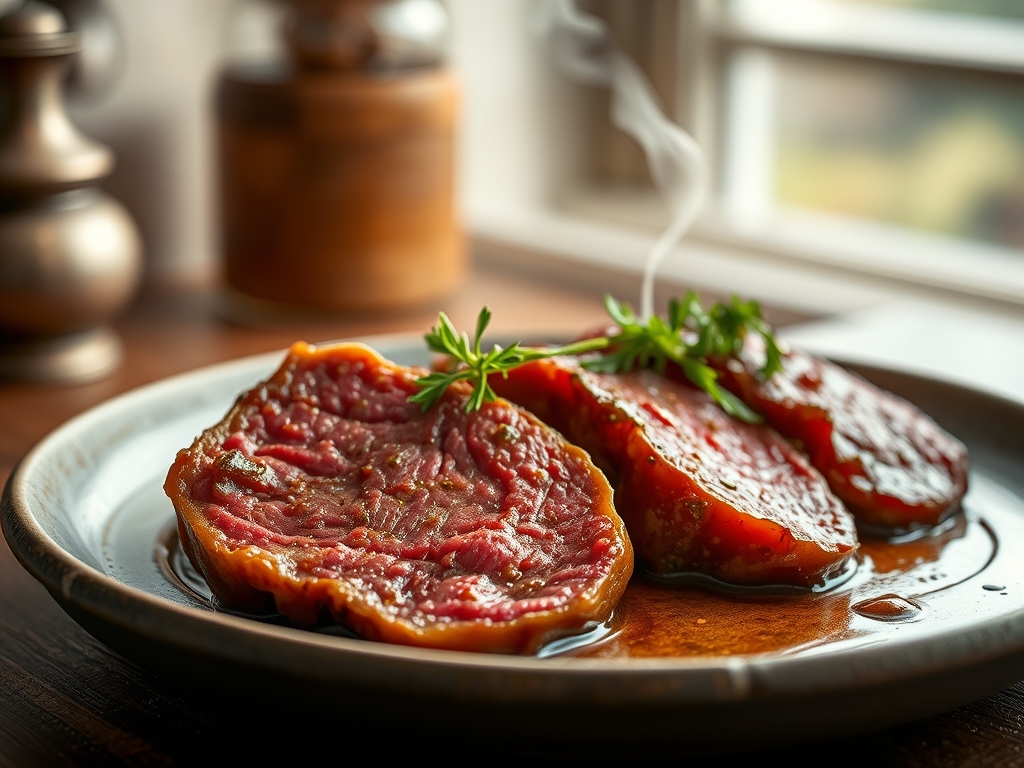
Picture this: a heavy-bottomed skillet hissing on the stove while the aroma of caramelizing proteins fills your kitchen. We are talking about the ultimate transformation of the toughest cut into velvet. Mastering shin beef recipes is less about labor and more about understanding the alchemy of connective tissue. When you treat this muscle with the respect it deserves; specifically through slow, controlled heat; you unlock a depth of flavor that leaner steaks simply cannot replicate.
The magic lies in the collagen. Shin beef is packed with it. Under the right thermal conditions, that tough white gristle melts into gelatin, creating a viscous, lip-smacking sauce that coats your tongue. It is the culinary equivalent of turning lead into gold. Whether you are craving a piquant ragu or a traditional braise, these seven variations will prove that patience is the most powerful tool in your arsenal. Let us dive into the chemistry of the sear and the glory of the simmer.
The Gathers:
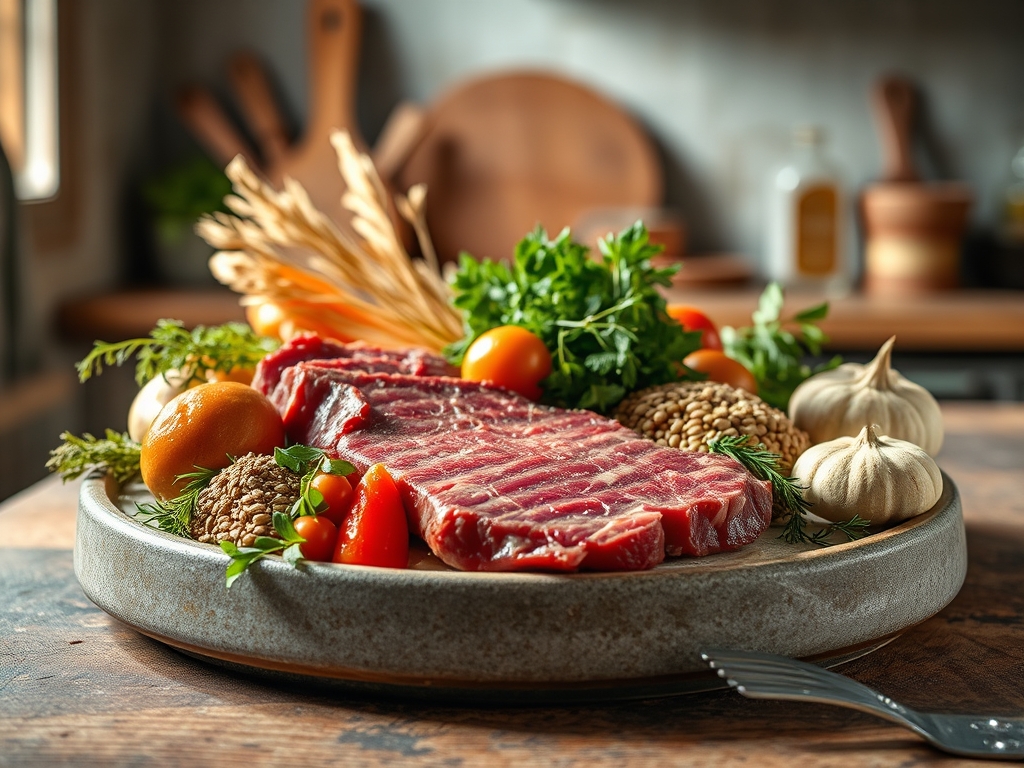
To execute these shin beef recipes with precision, your mise-en-place must be impeccable. Start with three pounds of beef shin, ideally bone-in to maximize marrow extraction. You will need a mirepoix of carrots, celery, and onions, finely diced with a sharp chef knife to ensure uniform surface area for the Maillard reaction. Reach for your digital scale to measure out 500ml of a high-tannin red wine like Cabernet Sauvignon; the acidity is crucial for breaking down muscle fibers.
Essential aromatics include fresh thyme, bay leaves, and a whole head of garlic sliced crosswise. You will also need high-quality beef stock, tomato paste for umami depth, and flaky sea salt. For the "Smart Substitutions," if you are out of red wine, a splash of balsamic vinegar mixed with pomegranate juice provides that necessary acidic punch. If you cannot find shin, oxtail or beef cheeks are the only acceptable biological peers due to their high collagen content.
The Clock
Efficiency in the kitchen is about "Chef's Flow." You should anticipate a prep time of 30 minutes. This includes trimming excess silver skin and dicing your aromatics. The cook time is where the heavy lifting happens; expect a duration of 3 to 4 hours depending on the thickness of your cuts.
The flow is simple: sear while the oven preheats, sauté your aromatics while the beef rests, and then combine for the long haul. Using a heavy-bottomed Dutch oven allows for superior heat retention, meaning you can keep the flame low while maintaining a consistent internal temperature. This is not a "fast" meal; it is a ritual of thermal endurance.
The Masterclass
1. The Temper and the Sear
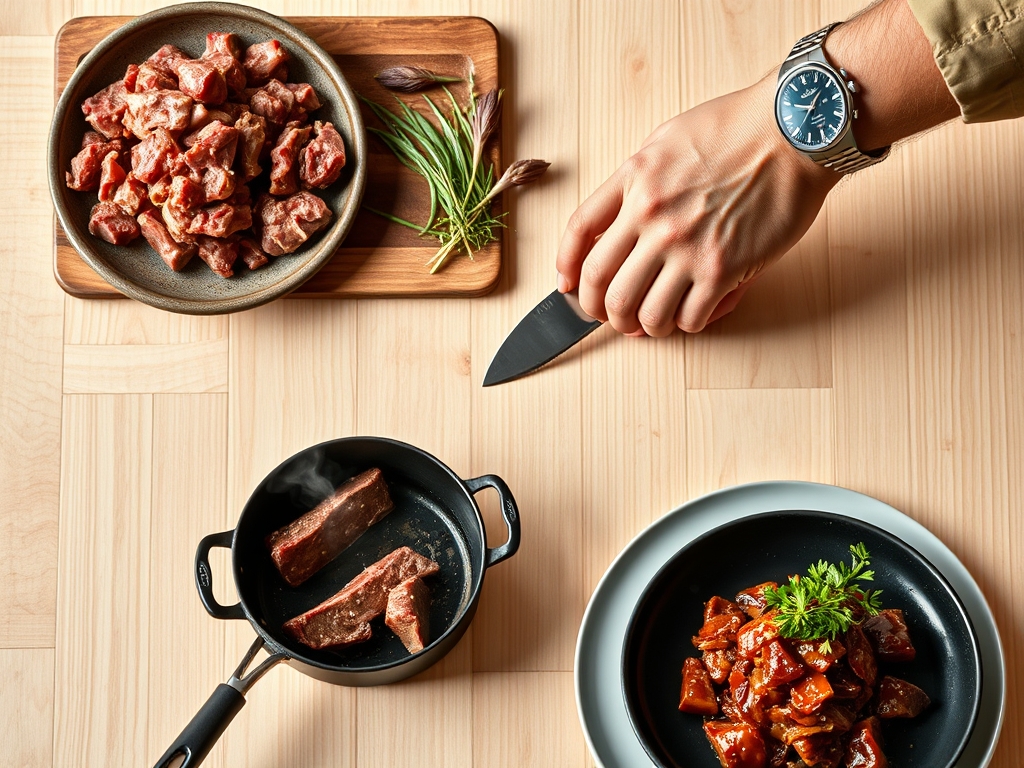
Pat your beef bone-dry with paper towels. Moisture is the enemy of the crust. Season aggressively with salt and sear in a shimmering layer of neutral oil using a heavy-bottomed skillet. Do not crowd the pan; work in batches to maintain high heat.
Pro Tip: This is the Maillard reaction in action. By keeping the meat dry, you ensure the energy goes into browning the proteins rather than evaporating surface water. This creates hundreds of new flavor compounds that define the "meaty" profile of the dish.
2. The Deglaze and the Fond
Once the meat is removed, you will see brown bits stuck to the bottom of the pan. This is "fond." Toss in your mirepoix and use a wooden spatula to scrape those bits up as the vegetables release their moisture. Add your tomato paste now to "fry" it until it turns a deep rust color.
Pro Tip: Frying the tomato paste, a process called pincage, removes the raw metallic taste and develops a complex, caramelized sweetness that anchors the entire sauce.
3. The Low and Slow Submersion
Return the beef to the pot and pour in your liquids until the meat is two-thirds submerged. Bring to a gentle simmer, never a rolling boil, and then transfer to a 300-degree oven. Use a piece of parchment paper cut to the size of the pot (a cartouche) before putting the lid on.
Pro Tip: A cartouche prevents excessive evaporation and ensures the top of the meat does not dry out. Keeping the temperature below boiling prevents the muscle fibers from tightening and squeezing out all their moisture.
4. The Gelatinous Reveal
After three hours, check the meat with a fork. It should yield with zero resistance. Remove the meat carefully with tongs and set it aside. If the sauce is too thin, use a saucier to reduce the liquid on the stovetop until it coats the back of a spoon.
Pro Tip: This reduction concentrates the gelatin. As the sauce cools slightly, the viscosity increases because the gelatin molecules begin to form a loose mesh, giving the sauce its signature "velvet" mouthfeel.
The Deep Dive
From a macro perspective, shin beef is a powerhouse of protein and zinc. While it has more connective tissue than a fillet, it is surprisingly moderate in fat once the sauce is skimmed. For those following a Keto lifestyle, this recipe is a dream; simply omit the carrots and serve over cauliflower puree. For a Vegan alternative, you would need to swap the beef for king oyster mushrooms or seitan, though you must add seaweed or miso to replicate the missing umami and gelatinous texture.
"The Fix-It" section is your safety net. If your meat is tough, it simply has not cooked long enough; put it back in. If your sauce is too salty, add a peeled potato to the pot for fifteen minutes to absorb excess sodium. If the sauce is greasy, use a bread slice or a fat separator to remove the rendered tallow from the surface.
For meal prep, shin beef is better on day two. As it cools, the flavors continue to infuse. To reheat while maintaining "day-one" quality, do not use a microwave. Instead, place the beef and sauce in a small pot with a splash of water or stock, cover, and warm gently over low heat to re-emulsify the fats and gelatin.
The Wrap-Up
You now hold the keys to the most comforting, scientifically sound shin beef recipes in the culinary world. By focusing on the Maillard reaction, the conversion of collagen to gelatin, and the patience of a slow braise, you have elevated a humble cut to a gourmet masterpiece. Grab your Dutch oven, trust the process, and get ready for the most tender bite of your life. Your kitchen is about to smell like a five-star bistro.
The Kitchen Table
Can I cook shin beef in a slow cooker?
Yes, you can. However, you must sear the meat in a separate heavy-bottomed skillet first. The slow cooker lacks the high heat necessary for the Maillard reaction, which is vital for the deep, savory flavor profile of shin beef recipes.
Why is my shin beef still tough after three hours?
Shin beef contains high amounts of collagen. If it is still tough, the connective tissue has not yet fully hydrolyzed into gelatin. Continue simmering at a low temperature; some tougher cuts may require up to four hours to reach peak tenderness.
How do I make the sauce thicker without flour?
The best way is through reduction. Simmer the strained braising liquid in a saucier until the water evaporates. The natural gelatin released from the beef shin will create a thick, glossy glaze that clings perfectly to the meat without adding starch.
Can I freeze leftover braised shin beef?
Absolutely. Shin beef recipes freeze beautifully because the high gelatin content protects the muscle fibers during the freezing process. Store in an airtight container with plenty of sauce to prevent freezer burn and maintain the meat's moisture upon reheating.