
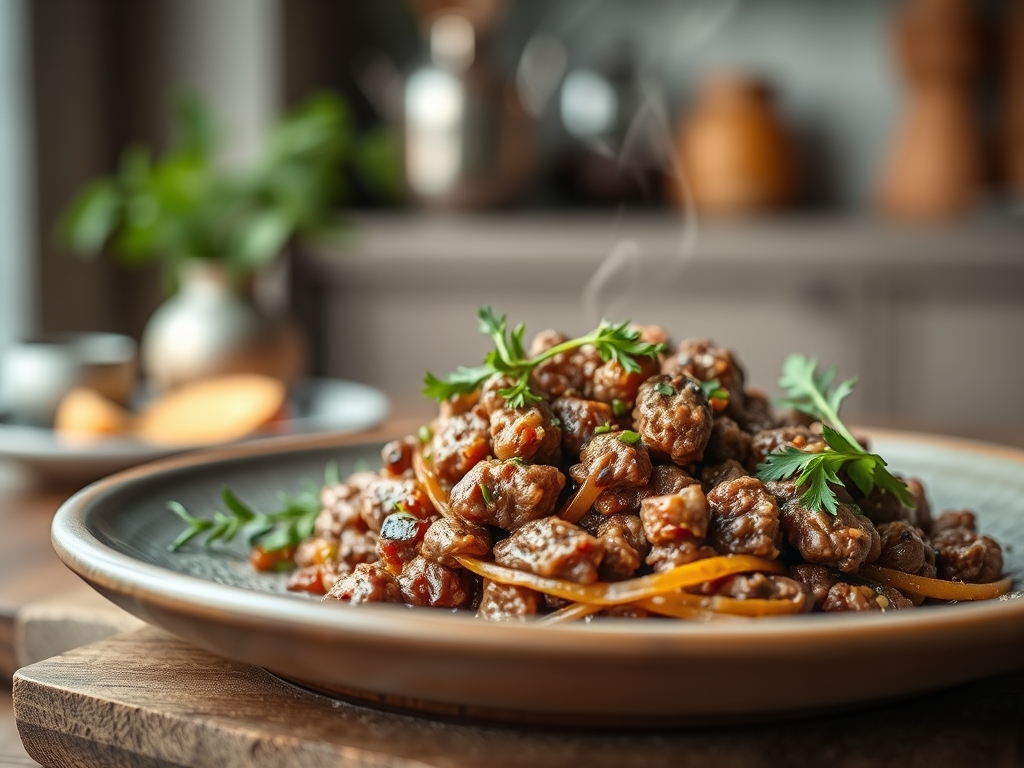
Imagine the sizzle of a heavy bottomed skillet hitting the stove; that sharp, percussive crackle as protein meets heat. You want the deep, savory satisfaction of a burger or a ragu without the heavy, saturated fat dragging you down. Finding low fat ground beef recipes that actually taste like luxury requires a bit of molecular trickery and a lot of heat management. We are stripping away the excess grease while doubling down on the flavor compounds that make beef the undisputed king of the kitchen.
The secret to mastering low fat ground beef recipes lies in understanding the Maillard reaction. When you use lean meat, you have less fat to act as a heat transfer medium. This means we have to be smarter about how we sear, how we season, and how we hydrate the muscle fibers to prevent a dry, crumbly texture. We are going to use acidity to brighten the palate and aromatic infusions to create a depth of flavor that mimics the richness of higher fat cuts.
Grab your digital scale and your favorite chef's knife. We are about to transform standard 90/10 or 93/7 lean beef into nine distinct, vibrant meals that range from piquant Mediterranean bowls to umami rich Asian stir fries. It is time to treat your kitchen like a laboratory and your dinner like a masterpiece.
The Gathers:
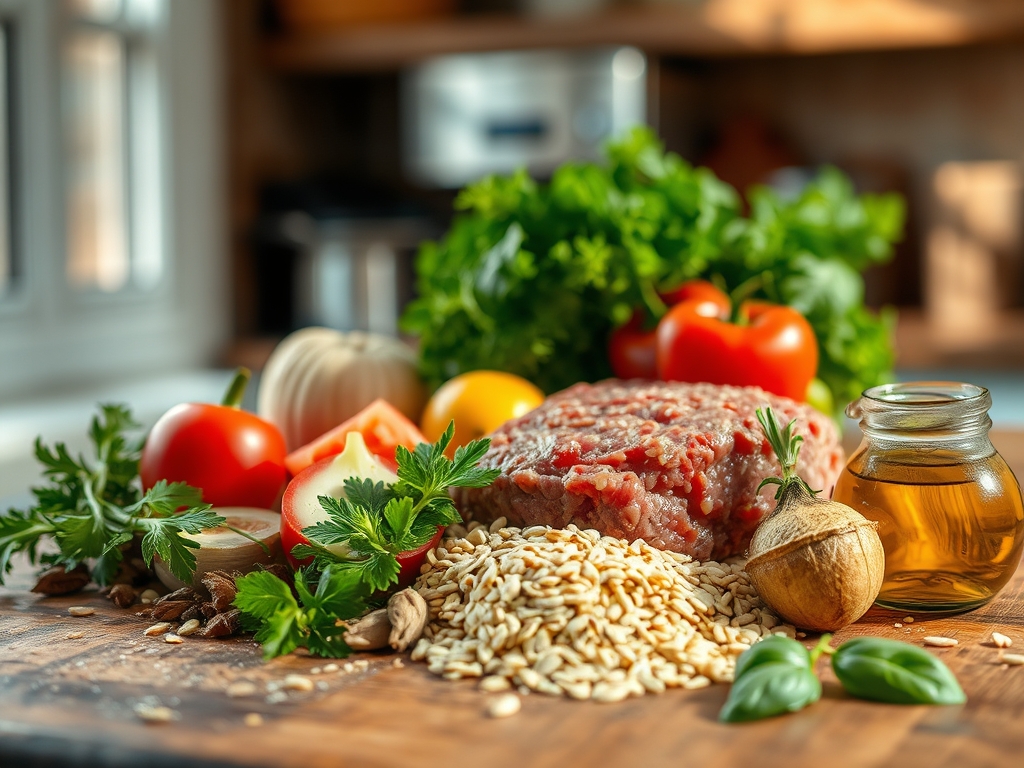
To execute these low fat ground beef recipes with precision, your mise en place must be impeccable. Start with the beef itself; look for "Select" or "Choice" grades that are labeled as ground sirloin or extra lean. Because lean meat lacks the lubricating power of tallow, we introduce hydroscopic ingredients like grated zucchini or finely minced mushrooms. These vegetables act as moisture reservoirs, releasing steam internally as the meat cooks to keep the texture supple.
Your pantry staples should include high quality aromatics. Reach for a microplane to zest fresh ginger and garlic; this creates a fine paste that integrates into the meat fibers rather than sitting on the surface. For "Smart Substitutions," swap traditional breadcrumbs for almond flour or oat bran to increase fiber and mineral density. Instead of heavy oils, utilize a high smoke point avocado oil spray or a splash of beef bone broth to deglaze the pan. This technique captures the browned bits, known as fond, and reincorporates that concentrated flavor back into your dish without adding unnecessary calories.
The Clock
The "Chef's Flow" is all about overlapping tasks to minimize downtime. For these nine meals, prep time generally clocks in at 15 minutes, with active cooking taking another 15 to 20 minutes. The key is to prep your "holy trinity" of aromatics (onions, celery, and carrots) in bulk. Use a bench scraper to efficiently move your chopped vegetables from the cutting board to your prep bowls.
While your skillet preheats, portion your meat using a digital scale to ensure consistent cooking times. If you are making meatballs or patties, chilling the mixture for 10 minutes in the freezer helps the proteins bind without needing excess fillers. This workflow ensures that by the time your pan is screaming hot, your ingredients are staged and ready for a rapid, high heat execution.
The Masterclass
1. The High Heat Sear
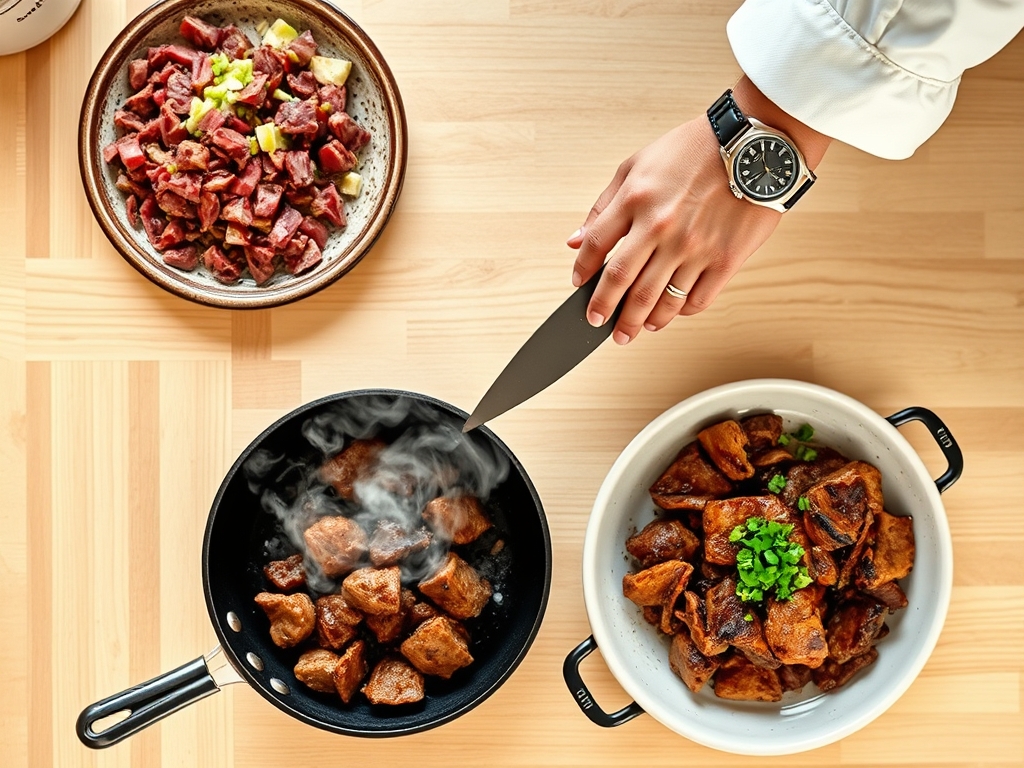
Place your lean beef in a preheated cast iron skillet. Do not crowd the pan; if you add too much meat at once, the temperature drops and the meat begins to steam in its own juices rather than searing. Use a sturdy metal spatula to press the meat down, maximizing surface contact.
Pro Tip: This stage relies on thermal conductivity. By keeping the pan hot and the meat spread thin, you trigger the Maillard reaction, creating hundreds of new flavor compounds that lean meat often lacks.
2. Deglazing the Fond
Once the meat is browned and removed, you will notice a brown film on the bottom of the skillet. Pour in a small amount of acidic liquid like red wine vinegar, lemon juice, or a splash of dry sherry. Use a wooden spoon to scrape the bottom of the pan.
Pro Tip: This is the process of solubilizing the caramelized proteins. These bits contain the highest concentration of umami; reintroducing them into your sauce creates a "meatier" profile without adding fat.
3. Incorporating Moisture Reservoirs
Fold in your finely minced mushrooms or grated onions. These vegetables should be processed until they are almost a paste. Mix them into the beef halfway through the cooking process to allow the fibers to absorb the vegetable liquor.
Pro Tip: This utilizes capillary action. The lean meat fibers act like a sponge, drawing in the moisture released by the vegetables, which prevents the protein from becoming tough and "rubbery" during the final stages of cooking.
4. Aerating the Sauce
If your recipe calls for a sauce, use a saucier and a whisk to emulsify your liquids. Add a teaspoon of tomato paste or a dash of Worcestershire sauce to provide a viscous, rich mouthfeel that simulates the texture of a high fat gravy.
Pro Tip: Emulsification is the secret to a silky sauce. By whisking vigorously, you break down the liquids into tiny droplets that stay suspended, creating a luxurious coating for the beef.
5. Managing Thermal Carryover
Remove the beef from the heat when it is about 5 degrees below your target temperature. Transfer it to a warm plate and tent it loosely with foil.
Pro Tip: Thermal carryover means the internal temperature will continue to rise even after the meat is off the heat. Overcooking lean beef is the fastest way to ruin a meal; resting allows the muscle fibers to relax and reabsorb juices.
The Deep Dive
When we look at the macro nutrition of these low fat ground beef recipes, we are aiming for a high protein to calorie ratio. A standard 4 ounce serving of 95% lean beef provides roughly 24 grams of protein for only 150 calories. By avoiding heavy oils and sugars, you keep the glycemic load low, making these meals ideal for metabolic health.
For dietary swaps, those following a Keto protocol can replace starchy binders with crushed pork rinds or extra egg yolks. If you are Vegan, you can mimic the texture of ground beef using a blend of lentils and walnuts, though the cooking chemistry shifts from protein denaturation to starch gelatinization. For Gluten Free needs, ensure your soy sauce is replaced with tamari or coconut aminos.
The Fix-It:
- The Meat is Gray: Your pan wasn't hot enough or was too crowded. Fix: Remove meat, wipe pan, reheat until wisps of smoke appear, and sear in smaller batches.
- The Texture is Grainy: You overmixed the meat, causing the proteins to cross link too tightly. Fix: Next time, use a light touch and add a "panade" of milk and breadcrumbs (or a low fat substitute) to buffer the proteins.
- The Dish is Bland: Lean meat lacks the flavor carrying capacity of fat. Fix: Increase your "piquant" elements; add more salt, acid, or red pepper flakes at the very end to wake up the taste buds.
Meal Prep Science: To maintain "day-one" quality when reheating, avoid the microwave if possible. Reheat in a skillet with a tablespoon of broth. The steam will rehydrate the protein fibers without "rubbing" them into a dry state, which often happens with the aggressive agitation of microwave radiation.
The Wrap-Up
Mastering low fat ground beef recipes is about more than just cutting calories; it is about elevating your technical skill to extract maximum flavor from every molecule. By focusing on the Maillard reaction, using moisture rich vegetables, and respecting the resting period, you can create meals that are both nutritionally disciplined and incredibly delicious. Whether you are whipping up a spicy taco bowl or a refined Bolognese, remember that heat control and acidity are your best friends. Now, get into that kitchen and start searing!
The Kitchen Table
How do I prevent lean ground beef from drying out?
Incorporate "moisture sponges" like grated zucchini, minced mushrooms, or a splash of beef broth. These ingredients release liquid during the cooking process, hydrating the lean protein fibers and ensuring a juicy, tender mouthfeel without adding excess fat.
What is the best way to brown extra lean beef?
Use a preheated cast iron skillet and avoid overcrowding the pan. High heat is essential for the Maillard reaction. If the pan is too full, the meat will steam in its own moisture, resulting in a gray, flavorless texture.
Can I substitute ground turkey for ground beef?
Yes, but turkey has a different protein structure and less iron, which affects the flavor. When swapping, increase the umami components like Worcestershire sauce or tomato paste to mimic the deep, savory profile of beef while maintaining a low fat content.
How long does cooked lean ground beef last in the fridge?
Stored in an airtight container, it remains fresh for three to four days. For the best texture when reheating, add a small amount of liquid to the pan to prevent the meat from becoming tough or dry.