
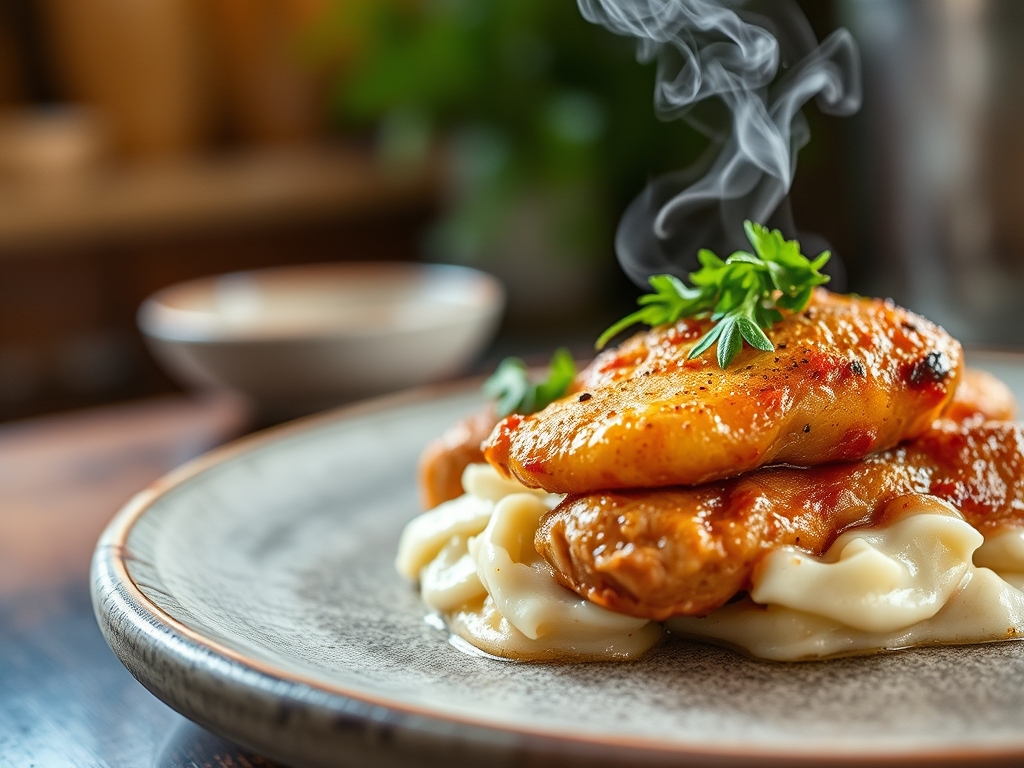
Imagine the sound of a heavy bottomed skillet hitting the burner and the immediate, savory aroma of rendering fat filling your kitchen. We are not just cooking dinner; we are crafting biological fuel. Finding the perfect dog chicken recipes means balancing high quality protein with the precise micronutrients your best friend needs to thrive.
Most commercial kibble is processed at such high temperatures that the natural enzymes are obliterated. By stepping into the role of a culinary stylist for your pup, you control the moisture content and the amino acid profile. We are looking for that golden ratio of lean muscle meat, organ density, and fiber rich carbohydrates. Whether your dog is a high energy athlete or a professional couch potato, these seven variations on the classic chicken base will transform their bowl into a five star bistro experience.
We are going to use professional techniques like gentle poaching and low temperature roasting to ensure we do not denature the delicate proteins. Your dog does not need salt or piquant spices, but they crave the deep, umami richness that comes from properly prepared poultry. Let us get the mise en place ready and turn your kitchen into a nutritional laboratory where love is the primary catalyst.
The Gathers:
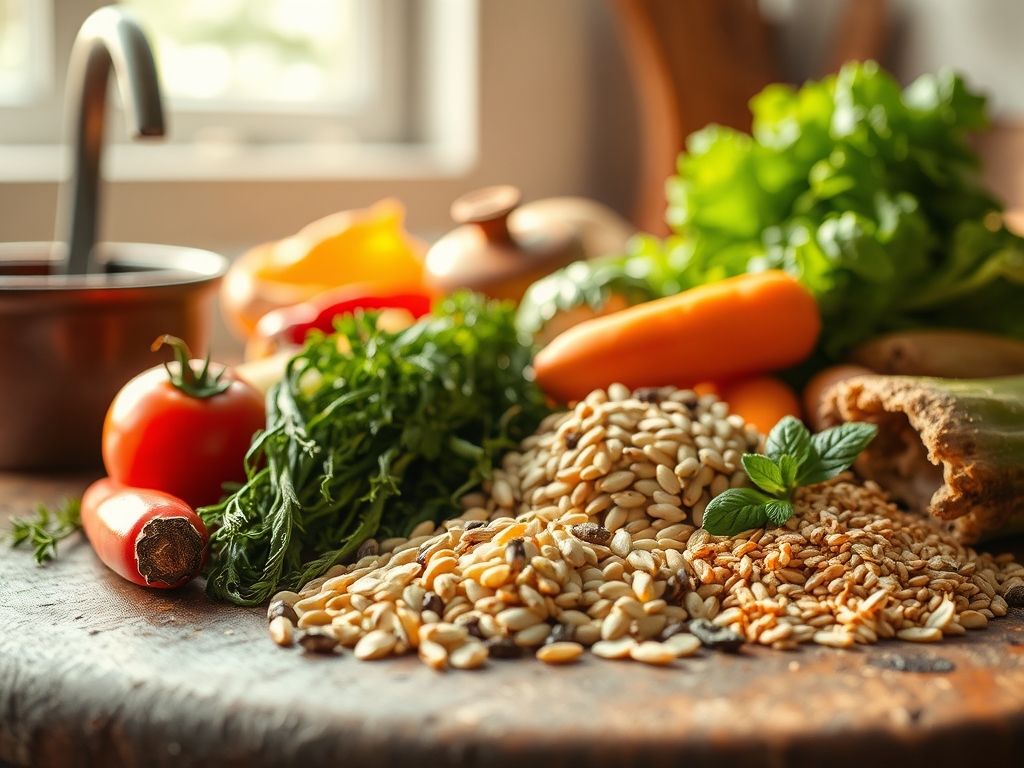
To execute these dog chicken recipes with precision, you must organize your workstation like a pro. Start with five pounds of boneless, skinless chicken breasts or thighs. Thighs are superior for active dogs because they contain higher levels of taurine and iron. You will also need two pounds of chicken hearts or livers; these are nutritional powerhouses packed with Vitamin A and B12.
For the fiber component, gather organic sweet potatoes, blueberries, and baby spinach. Sweet potatoes provide a steady release of glucose, while blueberries offer a massive hit of antioxidants to combat oxidative stress. Do not forget a high quality fat source like wild caught salmon oil or cold pressed coconut oil to ensure a lustrous coat.
Smart Substitutions:
If your pup has a sensitivity to chicken, you can swap the poultry for lean ground turkey or rabbit using the exact same ratios. If you are out of sweet potatoes, pumpkin puree is an excellent alternative; just ensure it is not the spiced pie filling variety. For a grain inclusive version, use pearled barley or quinoa to add a complex texture and essential minerals.
The Clock
Efficiency in the kitchen is about mastering the Chef's Flow. Expect to spend 20 minutes on active prep time. This involves using a sharp chef's knife or a bench scraper to dice the protein into uniform, bite sized pieces. Uniformity is not just for aesthetics; it ensures even heat distribution so every piece reaches the safe internal temperature of 165 degrees Fahrenheit simultaneously.
Total cook time varies between 30 and 45 minutes depending on the method. If you are using a large saucier for a one pot stew, the process is faster. If you are roasting individual "muffins" for portion control, the oven time will be slightly longer. Always account for a 15 minute cooling period. Serving food that is too hot can cause thermal injury to a dog's sensitive palate.
The Masterclass
1. The Precision Dice
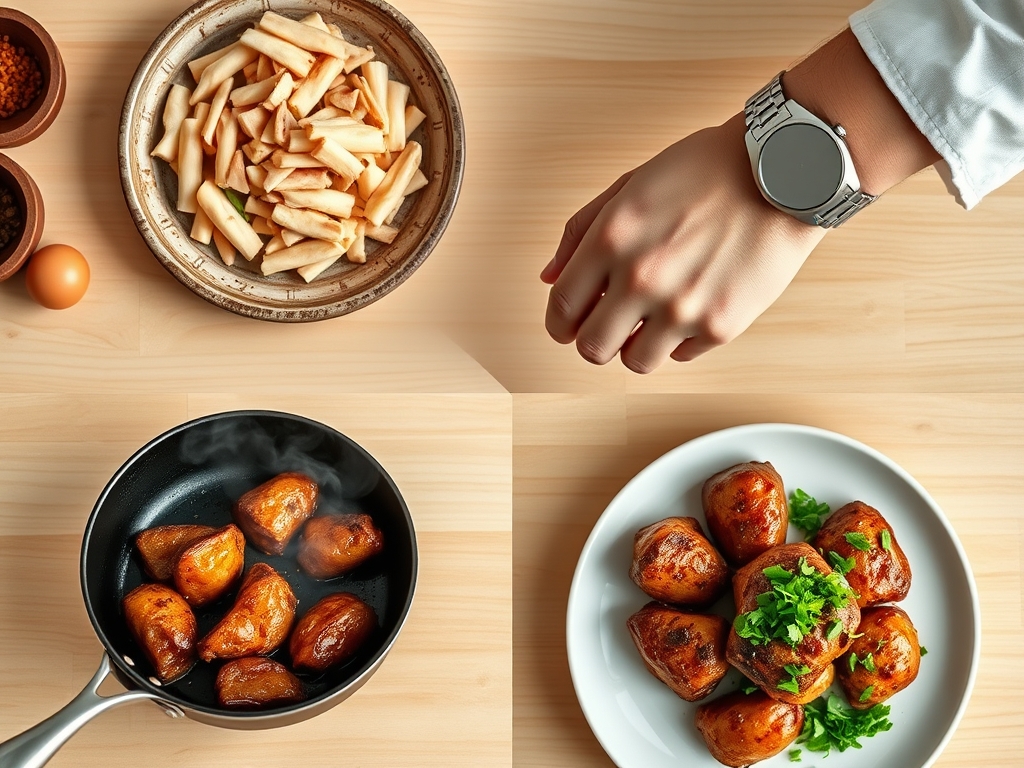
Use a digital scale to weigh your ingredients before you begin. Cut the chicken into half inch cubes. This increase in surface area allows for more efficient cooking and better absorption of any added supplements.
Pro Tip: This technique utilizes the principle of Surface Area to Volume Ratio. Smaller pieces cook faster and more evenly, preventing the exterior from becoming tough and leathery before the center is safe to eat.
2. Searing for Flavor
Heat your heavy bottomed skillet over medium heat. Add a teaspoon of coconut oil and lightly sear the chicken. We are looking for a very pale gold color, not a deep brown crust.
Pro Tip: This is a controlled Maillard Reaction. While we avoid heavy charring (which can produce carcinogens), a light sear creates aromatic compounds that make the meal highly palatable for picky eaters.
3. The Vegetable Fold
Steam your sweet potatoes until they are fork tender, then use a ricer or a silicone spatula to incorporate them into the chicken. Add the spinach at the very end so it wilts from the residual heat.
Pro Tip: This relies on Thermal Carryover. By adding delicate greens after the heat source is off, you preserve the heat sensitive Vitamin C and chlorophyll that would otherwise be destroyed by boiling.
4. Emulsifying the Fats
Once the mixture has cooled slightly, drizzle in your salmon oil. Use a whisk or a saucier to stir the mixture until the fats are evenly distributed and the liquid looks viscous and glossy.
Pro Tip: Emulsification ensures that the essential fatty acids are suspended throughout the meal. This prevents the oil from settling at the bottom, ensuring your dog gets a balanced dose in every bite.
5. Portioning and Flash Chilling
Divide the meals into airtight glass containers. If you are meal prepping for the week, use a blast chiller or spread the food thin on a sheet pan to cool it rapidly before refrigerating.
Pro Tip: Rapid cooling prevents the Danger Zone (40 to 140 degrees Fahrenheit) where bacteria multiply most quickly. This maintains "day one" freshness and safety for up to five days.
The Deep Dive
When we look at the Macro Nutrition, these dog chicken recipes typically hover around 40 percent protein, 30 percent healthy fats, and 30 percent complex carbohydrates. This profile mimics a biologically appropriate diet while providing enough glucose for brain function.
Dietary Swaps:
For a Keto-leaning version, remove the sweet potatoes and double the amount of spinach and zucchini. For a Vegan-adjacent boost (as a topper only), you can add steamed chickpeas for extra fiber. If your dog requires a Gluten-Free protocol, ensure your chicken is not pre-marinated in any soy based sauces which often contain hidden wheat.
The Fix-It:
- The Mushy Mess: If your veggies turned to paste, you overcooked them. Next time, use a timer and shock them in an ice bath to stop the enzymatic breakdown.
- The Dry Bird: If the chicken is chalky, you bypassed the 165 degree mark. Use a digital thermometer to pull the meat at 160 degrees; carryover heat will do the rest.
- The Oil Separation: If the fat is pooling, you added it while the food was too hot. Wait until the mixture is lukewarm to add oils for a stable emulsion.
Meal Prep Science:
When reheating, do not use the microwave on high power; it creates "hot spots" and toughens the protein. Instead, use a splash of warm bone broth to rehydrate the meal in a small saucepan. This creates a steam effect that restores the moisture lost during refrigeration.
The Wrap-Up
Cooking for your dog is the ultimate act of care. By mastering these dog chicken recipes, you are moving away from mystery ingredients and toward a lifestyle of vibrant health. Use your professional tools, trust the science of heat, and watch your pup's energy levels soar. Your kitchen is now a hub of canine longevity; keep those whisks moving and those tails wagging!
The Kitchen Table
Can I give my dog chicken every day?
Yes, as long as it is balanced with organs, fats, and fiber. Chicken is an excellent lean protein, but a "chicken only" diet lacks essential minerals like calcium and phosphorus required for long term skeletal health.
Is boiled chicken or roasted chicken better for dogs?
Poaching or boiling is gentler on the digestive system and preserves more moisture. Roasting provides more flavor through the Maillard reaction, which can help stimulate the appetite of older dogs or those who are feeling picky.
Should I leave the skin on the chicken?
Generally, no. Chicken skin is extremely high in fat, which can trigger pancreatitis in some dogs. It is safer to remove the skin and add controlled amounts of healthy fats like salmon or flaxseed oil later.
Can I use frozen chicken for these recipes?
Absolutely. Just ensure you thaw the chicken completely in the refrigerator before cooking. This ensures even heat penetration and prevents the outside from overcooking while the inside remains dangerously raw.